Build Tall Storage Shelves: Step-by-Step Guide
Create custom tall storage shelves with this comprehensive step-by-step DIY guide for every skill level.
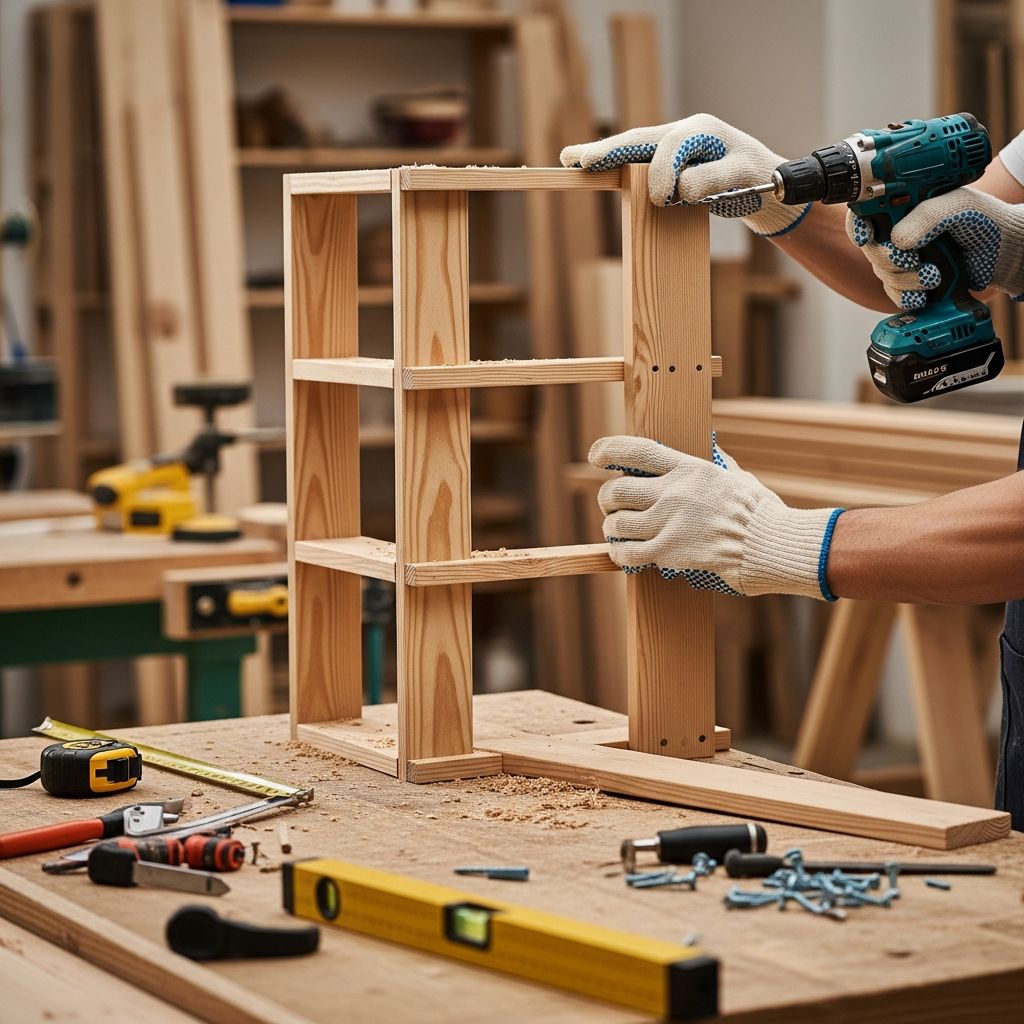
Creating custom tall storage shelves is one of the most effective ways to maximize vertical space in your home while maintaining a clean, organized aesthetic. Whether you’re looking to add storage to a bedroom, garage, living room, or any other space, building your own shelves offers flexibility, cost-effectiveness, and the satisfaction of completing a DIY project. This comprehensive guide will walk you through every step of the process, from planning and material selection to installation and styling.
Why Choose Tall Storage Shelves?
Tall storage shelves are an excellent addition to any home for multiple reasons. They utilize vertical space that would otherwise go unused, making them perfect for smaller rooms where floor space is at a premium. These shelves provide ample storage capacity without consuming valuable room real estate. Additionally, tall shelving units create visual interest and can serve as attractive display pieces when styled properly. They’re also significantly more affordable than built-in cabinetry and can be customized to match your decor and specific storage needs.
Essential Materials and Tools
Before you begin your shelving project, gather all necessary materials and tools. Having everything on hand will streamline the building process and help you work efficiently.
Materials You’ll Need
- Plywood sheets or solid wood boards for shelf surfaces
- Wood studs for the frame structure
- Wood screws in various sizes
- Wood glue for reinforced joints
- Sandpaper or sanding blocks
- Wood stain or paint for finishing
- Brackets or shelf supports rated for your weight capacity
- Wall anchors if not mounting into studs
Essential Tools
- Stud finder to locate wall supports
- Level (at least 2-4 feet long)
- Drill with drill bits and screwdriver attachments
- Circular saw or table saw for cutting materials
- Measuring tape
- Pencil for marking
- Safety glasses and work gloves
- Square for ensuring right angles
Planning Your Shelving Project
Proper planning is crucial for a successful shelving installation. Before purchasing materials or making cuts, take time to assess your space and determine your specific needs.
Measuring Your Space
Start by measuring the height and width of the wall where you plan to install your shelves. Note any obstacles such as windows, doors, outlets, or switches. Measure the depth of your space as well to determine how deep your shelves should be. For tall shelving units, ensure the space extends from near floor level to at least seven to eight feet high for maximum storage impact. Take measurements from multiple points to account for uneven walls.
Determining Shelf Height and Spacing
Plan the spacing between shelves based on what you intend to store. General items typically require 12-15 inches of clearance, while larger items or storage boxes may need 18-24 inches. A typical tall shelf unit might have 4-6 shelves depending on your available wall height. Ensure the top shelf is at a comfortable reaching height and the bottom shelf has adequate clearance from the floor for cleaning.
Weight Capacity Considerations
Calculate the weight you plan to store on your shelves. A single shelf can typically hold 25-50 pounds per linear foot when properly supported, though this varies based on bracket quality and installation. If storing heavier items like books or tools, ensure your brackets and mounting hardware are rated accordingly. Always mount shelves into wall studs when possible rather than relying solely on drywall anchors.
Step-by-Step Installation Process
Once you’ve completed the planning phase, you’re ready to begin the actual construction and installation of your tall storage shelves.
Step 1: Locate and Mark Wall Studs
Using a magnetic stud finder, locate the wall studs in your installation area. Mark these studs clearly with a pencil, as they will provide the primary support for your shelves. Create a vertical reference line using a level, which will serve as your guide for bracket alignment. This ensures all brackets are perfectly vertical and shelves are level.
Step 2: Mark Bracket Positions
Transfer your shelf height measurements to the wall using your level as a guide. Mark the position of each bracket according to your planned shelf spacing. Use a level to verify that all marks are at the correct heights, checking multiple times to prevent errors. The accuracy of these marks directly affects the appearance and functionality of your finished shelves.
Step 3: Install Brackets
Drill pilot holes through the wall into the studs at your marked positions. Insert screws through the brackets into these pilot holes, ensuring each screw is tightened securely. If you must install brackets between studs, use heavy-duty wall anchors designed for the expected weight load. Space brackets evenly along the length of each shelf, typically every 16-24 inches depending on shelf depth and weight capacity.
Step 4: Check Level and Alignment
After installing all brackets for a single shelf, place your level across them to verify they’re perfectly level. Make adjustments as needed before proceeding to the next shelf. This step is critical for achieving a professional appearance and ensuring proper weight distribution.
Step 5: Prepare Shelf Materials
Cut your shelf boards to the desired length, sanding all edges smooth to prevent splinters. If using plywood, consider adding a finished edge trim for a more polished appearance. Apply your chosen finish—stain, paint, or polyurethane—according to the product manufacturer’s instructions, allowing adequate drying time between coats.
Step 6: Install Shelves
Carefully place each finished shelf onto its brackets, ensuring it’s centered and supported evenly across all brackets. Secure the shelves to the brackets using screws from underneath if possible to maintain a clean appearance. Verify that each shelf is level before moving to the next one.
Design and Styling Considerations
Once your shelves are installed and secure, styling them appropriately will maximize both their functionality and aesthetic appeal.
Creating Visual Vignettes
Arrange items on your shelves in small groupings or vignettes rather than scattering them across the entire surface. A vignette might include a stack of books with a decorative object on top, complemented by a plant and a candle. This creates visual interest and a curated appearance. For wider shelves, create multiple vignettes to fill the space effectively without appearing cluttered.
Balancing Form and Function
Combine practical storage items with decorative pieces for a balanced look. Store frequently used items at eye level where they’re easily accessible. Place decorative items on upper shelves and heavier storage boxes on lower shelves to improve stability and visual balance. Vary the heights and shapes of displayed items to create dynamic visual appeal.
Color and Texture
Use a cohesive color palette when styling your shelves. Select items that complement your room’s existing decor while maintaining visual interest through varied textures and materials. Mix smooth ceramic pieces with woven baskets, metal accents with wood elements, and patterned books with solid-colored boxes.
Common Installation Mistakes to Avoid
Understanding potential pitfalls will help you achieve the best results with your shelving project.
- Inadequate Support: Always mount brackets into studs rather than relying solely on drywall anchors for tall shelves. Improper support can lead to sagging, collapse, or damage.
- Inaccurate Measurements: Double-check all measurements before drilling holes. Small errors compound across multiple shelves and become noticeable.
- Overloading Shelves: Respect weight capacity limits. Overloading causes sagging and potential failure of brackets and wall supports.
- Uneven Shelves: Failing to verify that shelves are level during installation creates an unstable appearance and causes items to shift.
- Poor Finishing: Take time to properly sand and finish your shelf materials. Rough surfaces are uncomfortable to touch and appear unfinished.
- Improper Spacing: Plan shelf spacing carefully based on intended use. Too-tight spacing wastes storage potential; too-wide spacing looks disproportionate.
Advanced Shelving Options
For those seeking more sophisticated storage solutions, several advanced options offer enhanced functionality.
Adjustable Shelving Systems
Adjustable shelf systems feature slotted vertical rails that allow you to reposition shelves as your storage needs change. These systems provide maximum flexibility and can adapt to different items over time. While installation is more involved, the long-term versatility often justifies the additional effort.
Floating Shelves
Floating shelves create a sleek, minimalist appearance by hiding all support hardware. These shelves use heavy-duty brackets mounted into wall studs, with the shelf board concealing the brackets entirely. Floating shelves require precise installation but offer an elegant aesthetic that works well in contemporary and modern design schemes.
Corner Shelving Units
Corner shelving maximizes often-unused corner spaces. These units typically feature a tall, narrow design that fits snugly in corners while providing ample vertical storage. Corner shelves are particularly useful in bedrooms, home offices, and living rooms.
Maintenance and Long-Term Care
Proper maintenance ensures your shelving system remains functional and attractive for years to come.
Regularly dust your shelves and displayed items to maintain a clean appearance. Periodically check that all brackets remain securely fastened and that shelves haven’t shifted or sagged. If you notice any movement or instability, tighten fasteners immediately. Avoid placing extremely heavy items on shelves or exceeding weight capacity limits. If you need to adjust shelf positions, do so carefully to prevent damage to the wall or mounting hardware.
Frequently Asked Questions
Q: How much weight can tall storage shelves hold?
A: Weight capacity depends on bracket quality, stud spacing, and shelf material. Most properly installed shelves hold 25-50 pounds per linear foot. Always consult bracket specifications and err on the side of caution with heavier items.
Q: Can I install shelves without drilling into studs?
A: Yes, but with limitations. Drywall anchors can support lighter loads (up to 25 pounds), but studs provide superior support, especially for tall shelves. For maximum stability and safety, always mount into studs when possible.
Q: What’s the ideal spacing between shelves?
A: Spacing depends on intended contents. General items typically need 12-15 inches of clearance, while larger items require 18-24 inches. Plan spacing based on what you’ll actually store on each shelf.
Q: How do I ensure my shelves are perfectly level?
A: Use a quality level (at least 2-4 feet long) to check brackets before installing shelves. Verify each shelf is level before adding weight. Check multiple points across each shelf’s width and depth.
Q: Should I finish my shelves before or after installation?
A: Finishing before installation is typically easier and produces better results. You can more easily apply stain or paint to unstalled boards and ensure even coverage without drips or runs.
Q: How can I make floating shelves appear more elegant?
A: Ensure shelves are perfectly level and securely mounted. Choose quality materials and finishes that complement your decor. Style shelves minimally with carefully selected items rather than crowding them with too many objects.
References
- DIY Floating Shelves – SUPER STRONG + THIN — Welcome to the Woods. April 29, 2022. https://www.youtube.com/watch?v=mV4x___mTpc
- Easy Adjustable Shelves Between Wall Studs — YouTube DIY Content Creator. https://www.youtube.com/watch?v=Z2YTF90Gv3k
- How to Style Shelves, With Carmeon Hamilton — HGTV. https://www.youtube.com/watch?v=q-o4br-0hok
- Easy Storage Solutions From HGTV’s Unsellable Houses — House Digest. https://www.housedigest.com/1602594/easy-storage-solutions-hgtv-unsellable-houses/
Similar Articles





Read full bio of medha deb