Build Your Own Magnetic Whiteboard
Transform everyday surfaces into functional magnetic whiteboards with simple materials and techniques for home, office, or play areas.
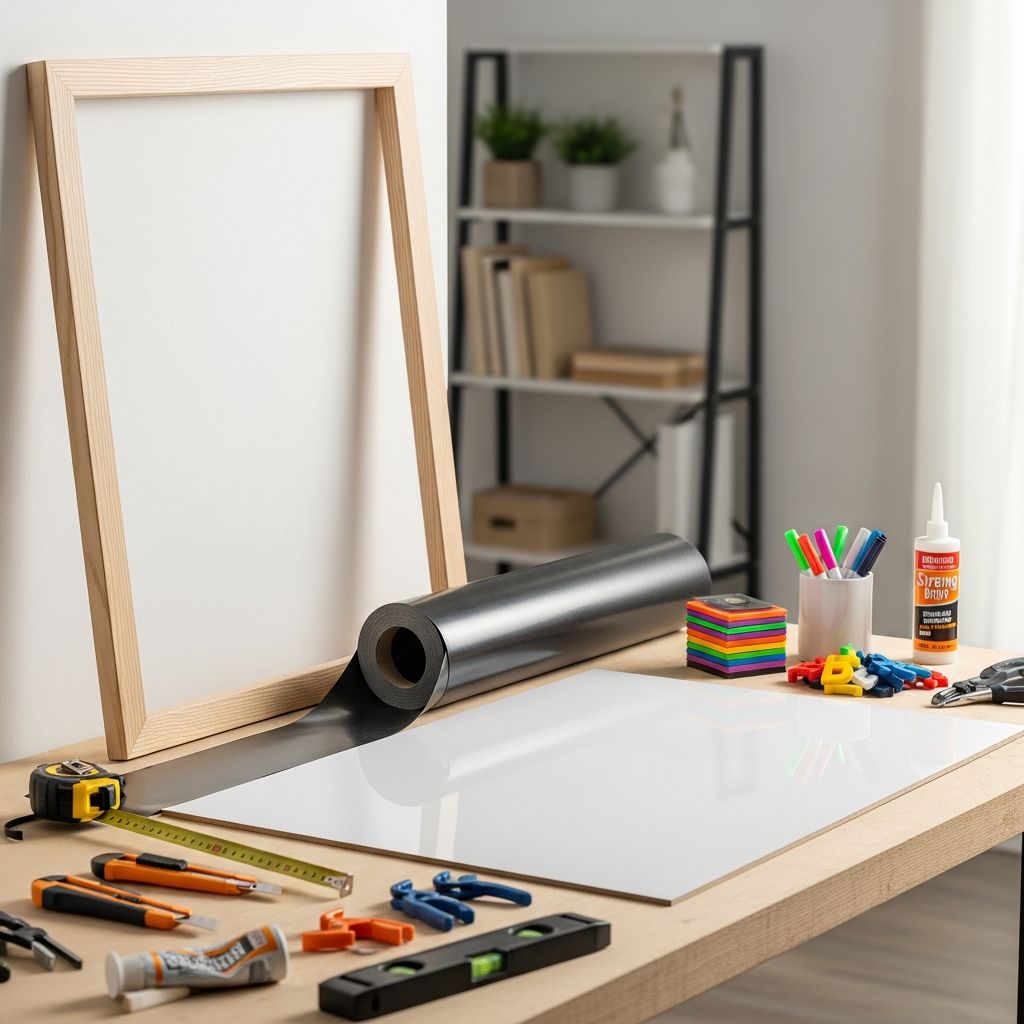
Creating a magnetic whiteboard at home offers a versatile solution for note-taking, planning, and displaying items with magnets. These custom surfaces blend dry-erase functionality with magnetic holding power, suitable for kitchens, offices, or kids’ spaces. This guide explores multiple approaches, from portable flexible versions to large wall installations, using accessible materials.
Why Choose a DIY Magnetic Whiteboard?
Store-bought options can be pricey and limited in size. Building your own allows customization to fit any space, budget, or style. Benefits include enhanced organization, creative expression, and durability tailored to your needs. Flexible designs stick to fridges, while rigid or painted versions create expansive displays.
Essential Materials and Tools
Gather these basics before starting:
- Magnetic sheets or primer for attraction.
- Dry-erase paint, adhesive whiteboard sheets, or white paint.
- Cutting tools like utility knives and steel rulers.
- Surface cleaners, painter’s tape, and sandpaper.
- Optional: foam rollers, screws, caulk for larger builds.
These items are available at hardware stores, ensuring a cost-effective project under $50 for small versions.
Method 1: Flexible Portable Magnetic Whiteboard
This approach yields a lightweight, bendable board ideal for fridges or travel. It’s quick, taking under an hour.
- Prepare the base: Select a flexible magnetic sheet, roughly 12×18 inches. Ensure it’s clean and free of debris to avoid bubbles.
- Apply whiteboard layer: Peel a corner of adhesive dry-erase sheet. Align slowly, pressing from center outward to eliminate air pockets. Use a credit card edge for smoothing.
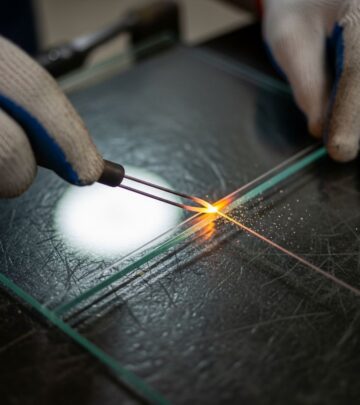
- Trim precisely: Flip the assembly. Use a steel ruler and sharp utility knife to score edges multiple times, cutting just through the whiteboard layer without damaging the magnet. The magnet’s pull helps secure the ruler.
- Test functionality: Write with dry-erase markers, erase, and attach small metal objects. Adjust if needed by re-trimming.
Such boards hold light items like notes or photos on steel surfaces. For stronger hold, layer thin magnetic strips.
Method 2: Painted Magnetic Wall Surface
Turn any wall into a magnetic zone using primer and paint. This suits large areas like playrooms or home offices.
Surface Preparation:
- Clean drywall, wood, or plaster thoroughly. Sand lightly for adhesion.
- Tape borders with painter’s tape for defined shapes or full coverage.
Application Steps:
| Step | Action | Drying Time |
|---|---|---|
| 1 | Stir magnetic primer well. Apply first coat with foam roller in vertical strokes. | 30 minutes |
| 2 | Second coat, same motion. Maintain stirring for even particles. | 30 minutes |
| 3 | Third coat. Let cure fully. | Several hours |
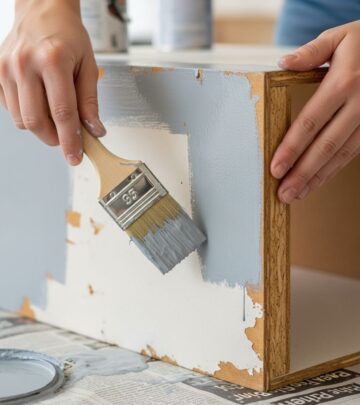
| 4 | Top with 1-2 coats latex or dry-erase paint using brush or roller. | 48 hours before magnet use |
Limit top coats to preserve magnetism. This creates a writable, erasable wall for memos or art.
Method 3: Framed Tin Magnetic Panel
For a sturdy, framed look, use galvanized tin sheets. Perfect for doors or walls needing a professional finish.
- Select and size tin: Buy 24×36-inch sheets. Measure space, mark center lines with pencil.
- Mount sheets: Pre-drill holes with nails. Secure with multipurpose screws at corners, aligning for seamless coverage.
- Seal joints: Caulk between sheets for unity. Tape stripes if painting patterns.
- Finish surface: Prime with magnetic layer if needed, then apply dry-erase paint. Or cover with fabric for texture using adhesive spray.
- Frame optionally: Add wood molding for aesthetics, secured with nails.
Tin provides strong magnetism for heavier items. Painting stripes adds visual appeal.
Surface Preparation Best Practices
Success hinges on prep. Degrease surfaces with alcohol wipes. For walls, fill cracks and sand. Metals require rust removal. Always work in ventilated areas, wearing gloves.
Troubleshooting Common Issues
- Weak magnets: Use purer steel; avoid coated metals. Add extra primer coats.
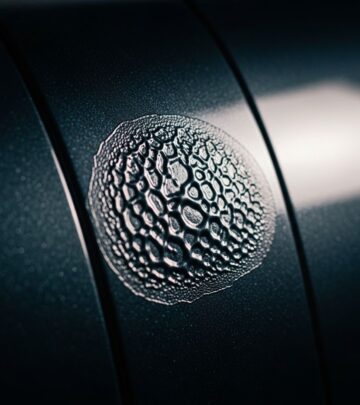
- Bubbles or grit: Apply slowly; clean workspace meticulously.
- Poor erasability: Season new paint by rubbing chalk or marker fully before first use.
- Chipping edges: Seal with clear coat or frame properly.
Creative Applications and Ideas
Kitchen Command Center: Fridge-mounted flexible board for grocery lists.
Kids’ Creativity Zone: Wall-sized painted area for drawings and photos.
Office Planner: Tin-framed panel for schedules and pinned docs.
Custom Maps: Large magnetic walls for travel pins or world trackers.
Experiment with colors or fabrics for personalization.
Safety and Maintenance Tips
Ventilate during painting. Use non-toxic paints around children. Clean with microfiber cloths and dry-erase solution. Avoid abrasive cleaners. Store flexible boards flat to prevent creases.
Cost Comparison Table
| Method | Materials Cost | Time | Size Potential |
|---|---|---|---|
| Flexible Sheet | $10-20 | 1 hour | Small-Medium |
| Painted Wall | $30-50 | 2-3 days | Unlimited |
| Tin Framed | $40-70 | Half day | Large |
FAQs
What surfaces work best for magnetic primer?
Drywall, wood, plaster, and masonry. Avoid glossy or oily areas without sanding.
Can I make it strong enough for heavy magnets?
Yes, multiple primer coats and minimal top paint enhance hold. Test with your magnets.
Is dry-erase paint necessary?
No, adhesive sheets or specialty paints work. Choose based on permanence.
How do I remove dry-erase residue?
Wipe with isopropyl alcohol periodically. Season surface first for best results.
Can this be done outdoors?
Indoor recommended; weatherproof paints needed for exterior use.
References
- Making a Small Flexible Magnetic White Board — YouTube (How to D&D). Accessed 2026. https://www.youtube.com/watch?v=rt6KcsTili4
- DIY Magnetic Wall or Magnetic Chalkboard — Rust-Oleum Official Blog. Accessed 2026. https://www.rustoleum.com/blog/how-to-make-a-magnetic-wall
- Large DIY Magnetic Board {Painted or Fabric Covered} — The Creativity Exchange. 2015-02. https://www.thecreativityexchange.com/2015/02/large-diy-magnetic-board-painted-fabric-covered.html
Similar Articles



Read full bio of medha deb