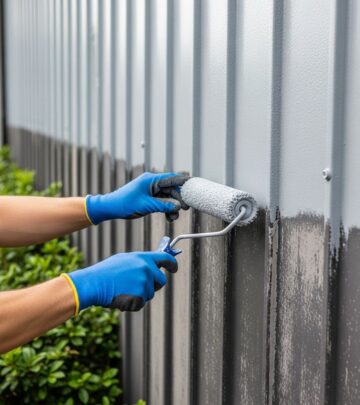
Build Your Own Solar Garage Heater
Harness free solar energy to warm your garage with this step-by-step DIY guide to constructing an efficient, cost-effective air heater.
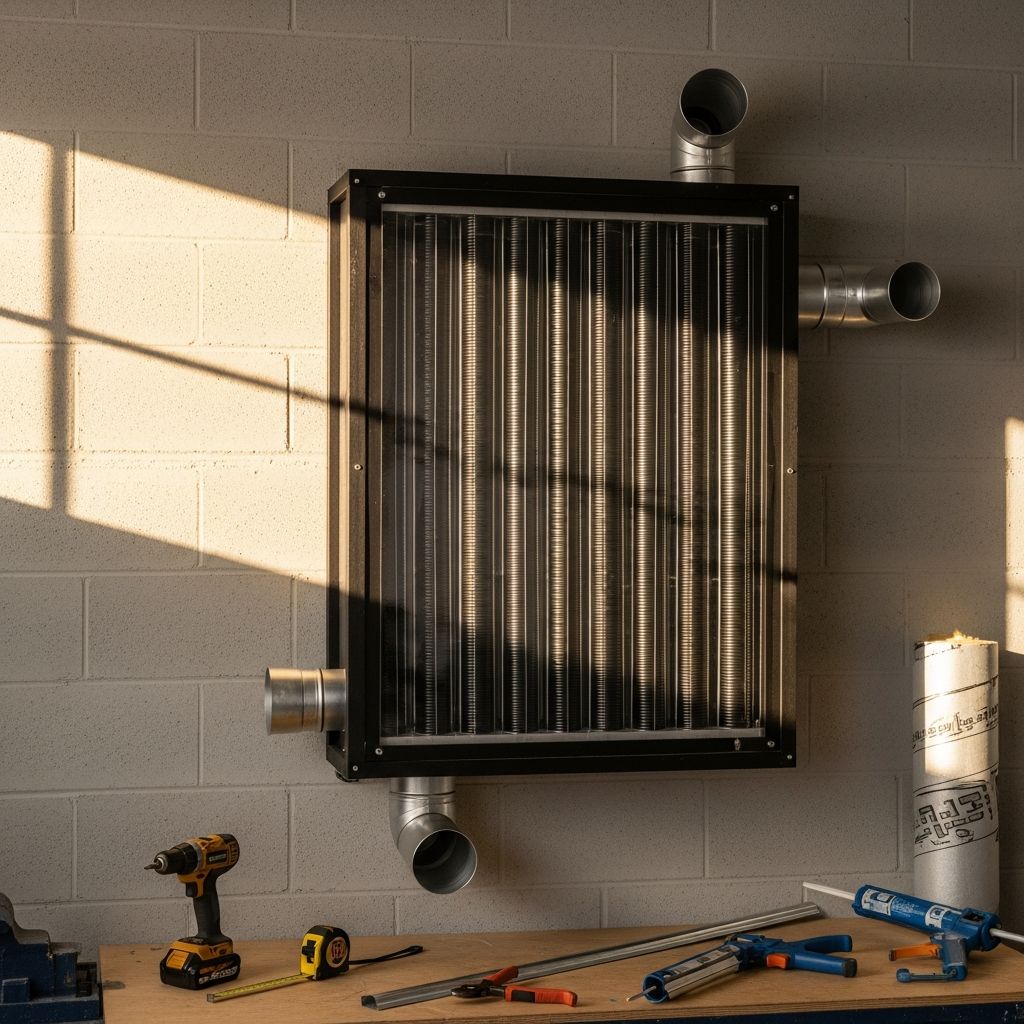
Transform your chilly garage into a comfortable workspace by constructing a solar air heater that captures sunlight and converts it into warm air. These DIY projects use simple materials like metal cans, screen absorbers, or sheet metal to create passive or fan-assisted systems capable of raising temperatures by 10-20°F or more, depending on size and conditions.
Why Choose Solar Heating for Your Garage?
Solar air heaters offer a sustainable, zero-operating-cost solution for heating outbuildings. Unlike electric or gas heaters, they rely on abundant sunlight, particularly effective during low-angle winter rays. Designs inspired by proven DIY methods can heat spaces up to 500 square feet, making them ideal for garages, workshops, or sheds. Benefits include reduced energy bills, environmental friendliness, and the satisfaction of a hands-on project.
- Cost savings: Build for under $100 using recyclables.
- Efficiency: Outputs up to 140°F air with natural convection or fans.
- Simplicity: No advanced skills required; basic tools suffice.
- Scalability: Customize size to match your garage dimensions.
Popular DIY Solar Heater Designs
Several effective designs have gained popularity among DIY enthusiasts. Each leverages the greenhouse effect: sunlight passes through a transparent cover, heats a dark absorber, and warms incoming air that rises into your space.
| Design Type | Key Materials | Heat Output | Build Time | Best For |
|---|---|---|---|---|
| Pop Can Collector | Steel cans, plywood, plexiglass | 140°F+ | 1-2 days | Medium garages (400 sq ft) |
| Screen Absorber | Black aluminum screen, lumber frame | 100-120°F | 1 day | Insulated spaces |
| Sheet Metal Channels | Roof flashing, glass cover | 160°F peak | 2 days | High-performance needs |
Gathering Materials and Tools
Most builds use readily available items. Source cans from recycling bins, lumber from hardware stores, and glazing from surplus suppliers.
Core Components
- Plywood or insulation board for backing.
- Transparent cover: Plexiglass, glass, or corrugated PVC (20×32 inches typical).
- Absorber: Black-painted cans, screen, or metal flashing.
- Frame: 2×4, 2×6 lumber.
- Seals: Caulk, foam tape, foil tape.
- Fan (optional): 12V computer fan powered by 5W solar panel.
Essential Tools
- Circular saw or jigsaw for framing and vents.
- Drill with 1/4-inch bit and 2.5-inch hole saw.
- Screwdriver, staple gun, level.
- Black high-heat spray paint.
- Caulking gun.
Step-by-Step: Pop Can Solar Air Heater
This design stacks steel cans upside down to form air channels, painted black for maximum absorption. It produces a strong flow of hot air via convection or a fan.
- Build the Frame: Construct a rectangular box (e.g., 20x32x4 inches) using 2x4s. Attach plywood back, leaving space for can rows.
- Prepare Cans: Drill 7 small holes (1/4-inch) in the bottom of each can for airflow. Stack in rows, upside down, connecting via holes.
- Paint Absorber: Spray cans flat black. Let dry fully.
- Assemble Internals: Line sides with cardboard insulation. Secure cans with screws or adhesive.
- Add Cover and Vents: Seal plexiglass front with 1/16-inch gap for expansion. Cut intake vents at bottom, outlet at top.
- Mount Fan (Optional): Install at outlet with 3-inch duct; power via solar panel.
- Install on Wall: South-facing, vertical position. Seal edges.
Testing shows consistent 140°F+ output, moving substantial air volume.
Step-by-Step: Black Screen Passive Heater
A simpler passive design using aluminum window screen stretched over a frame, relying on natural convection.
- Frame the Box: Use 2×6 sides and 2×8 angled top for optimal winter sun angle. Size to wall studs (e.g., 8 feet wide).
- Install Absorber Supports: Add horizontal 2×4 at bottom and 2×2 at top; notch for glazing support.
- Mount to Wall: Pre-build, lift with jack, secure with lag screws. Seal interior with foam.
- Cut Vents: 4×16-inch pairs (intake low, outlet high) per stud bay. Trim with foil tape.
- Add Screen and Glazing: Staple black screen taut. Seal corrugated PVC or glass cover.
- Install Valves: Flapper valves on outlets from plastic sheeting to prevent reverse flow at night; add screens against pests.
Suitable for 200 sq ft spaces; scale up for larger areas (1 sq ft collector per 14 sq ft heated).
Advanced: Sheet Metal Channel Heater
For peak performance, use 2×2 steel drip edge flashing formed into dual-faceted channels.
- Frame Base: Rectangular wood frame with plywood back.
- Form Channels: Arrange 7 flashing strips, each bent for two air paths (14 heating faces total).
- Paint and Insulate: Black paint; insulate sides.
- Top with Glass: Secure cover; add solar-powered 80 CFM fan at exit.
- Test Flow: Even 2W panel runs fan adequately.
Achieves 160°F in January with multiple closed channels.
Optimal Installation and Sizing Tips
Mount vertically on south, southeast, or southwest walls to capture low winter sun. Avoid summer overheating with proper tilt. Size collector at 1 sq ft per 12-15 sq ft of garage space. Insulate your garage for best results—combine with R-13 walls.
- Location: Clear of shade; 4-8 ft high.
- Sealing: Critical for efficiency; use high-temp caulk.
- Enhancements: Add dampers for airflow control; multiple units for big spaces (e.g., 4×8 ft box heats 480 sq ft).
Performance Expectations and Troubleshooting
Expect 10-20°F garage temp rise on sunny days. Factors: insulation, size, sun hours. Cloudy days yield less; supplement as needed.
| Issue | Solution |
|---|---|
| Low heat output | Check seals, repaint absorber, ensure clear glazing. |
| Poor airflow | Clean vents, add fan, verify intake holes. |
| Condensation | Improve ventilation, use desiccants. |
| Overheating summer | Shade or removable cover. |
Safety Considerations
Secure mounting prevents falls. Avoid electrical hazards when cutting walls—scan for wires. Use non-toxic paints; ventilate during painting. Fans add minor risk; use weatherproof setups.
Cost Breakdown
| Item | Cost Estimate |
|---|---|
| Lumber & Plywood | $30-50 |
| Glazing | $20-40 |
| Cans/Screen/Metal | $0-20 (recycled) |
| Fan & Solar Panel | $15-30 |
| Misc (paint, seals) | $10-20 |
| Total | $75-160 |
Environmental and Long-Term Benefits
These heaters offset fossil fuel use, cutting CO2 emissions. Durable builds last 10+ years with minimal maintenance. Expand to home heating or greenhouses.
Frequently Asked Questions (FAQs)
Does it work in cold climates?
Yes, optimized for winter sun; performs in January with 100°F+ output.
Do I need electricity?
No for passive; optional solar fan boosts flow without grid tie-in.
How much area can one unit heat?
300-500 sq ft for small builds; scale up for larger garages.
Can I use glass instead of plexiglass?
Yes, but handle carefully; plexiglass is lighter and shatterproof.
What if my wall isn’t south-facing?
SE/SW works; portable stands allow repositioning.
References
- Homemade “Steel Can” Solar Air Heater! DIY — YouTube (desertsun02). Accessed 2026. https://www.youtube.com/watch?v=IvEfmDH_Y2o
- Solar Heater — Instructables (robbtoberfest). Accessed 2026. https://www.instructables.com/Solar-Heater/
- DIY Solar Air Heater! – New Design! 160F 74C in January! — YouTube (desertsun02). Accessed 2026. https://www.youtube.com/watch?v=WRAxpaYh6DA
- DIY Passive Solar Heat for Your Garage — HowStuffWorks. Accessed 2026. https://home.howstuffworks.com/green-living/solar-garage-furnace.htm
- DIY Solar Heater Box (4′ x 8′) — YouTube (Richard Rafferty). Accessed 2026. https://www.youtube.com/watch?v=3ivOBu62a0s
Similar Articles





Read full bio of medha deb