Build Your Own Stovepipe for Wood Burning
Discover safe, cost-effective methods to craft a custom wood-burning stovepipe using basic materials and tools for efficient home heating.
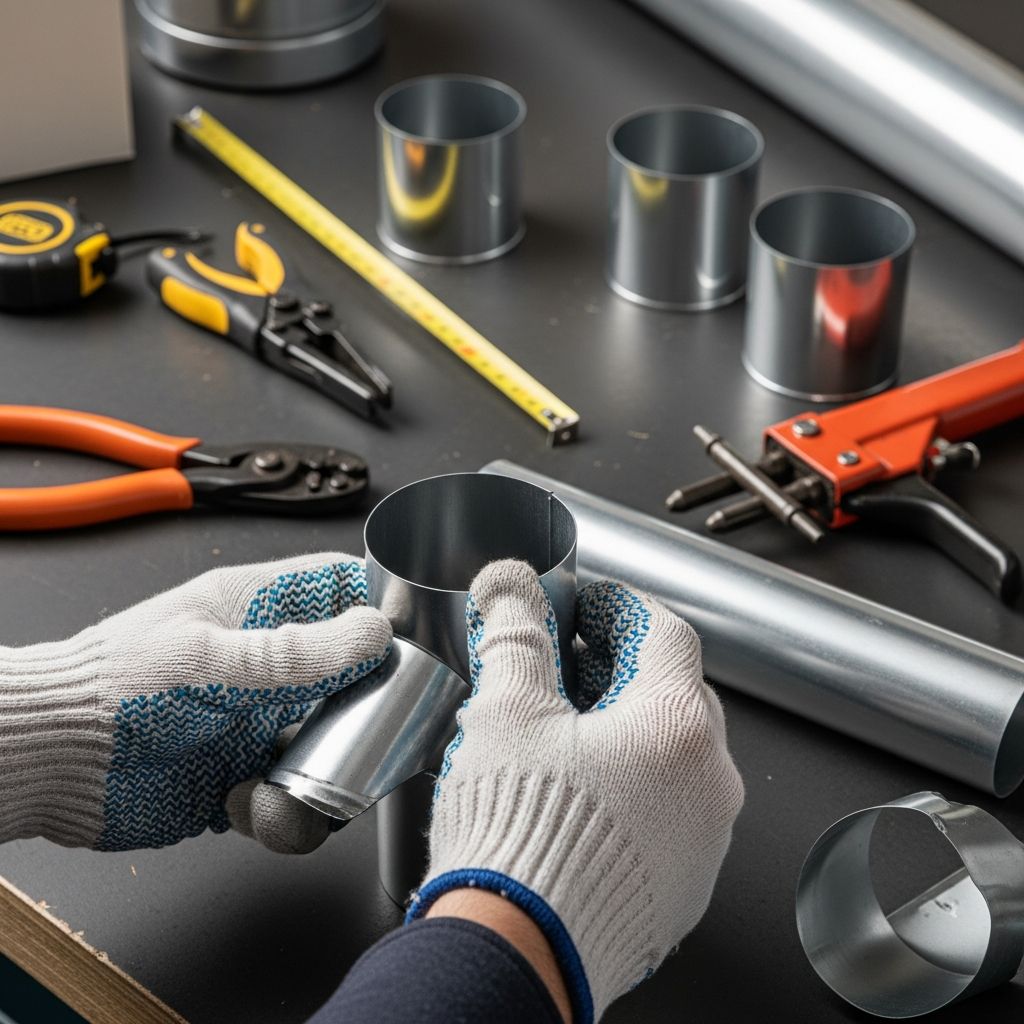
Creating a custom stovepipe for your wood-burning stove offers a practical way to enhance heating efficiency while saving costs. This guide provides a comprehensive walkthrough on designing, fabricating, and installing a functional stovepipe using accessible materials and techniques.
Understanding Stovepipe Fundamentals
A stovepipe serves as the critical conduit that channels smoke, gases, and heat from your wood stove to the chimney. Proper construction ensures strong draft, minimizes creosote buildup, and prevents leaks. Key principles include using heat-resistant metals, maintaining correct pipe orientation, and adhering to clearance requirements from combustible surfaces.
Stovepipes come in single-wall or double-wall varieties. Single-wall options are simpler to fabricate but demand greater distances from walls (typically 18 inches minimum). Double-wall pipes offer better insulation, allowing closer proximity to structures (as little as 6 inches in some cases).
Essential Materials and Tools
Gather these items before starting your project:
- Galvanized steel sheet (24-26 gauge, at least 6×8 feet for a standard 6-8 inch diameter pipe).
- High-temperature silicone sealant rated for 600°F+.
- Sheet metal screws (#8 self-tapping, stainless steel).
- Elbow connectors and adapters (prefabricated if possible).
- Chimney collar and flashing kit.
Tools required:
- Sheet metal shear or aviation snips.
- Seamer or brake for rolling seams.
- Tin snips, drill with metal bits, rivet gun.
- Measuring tape, plumb bob, level.
- Protective gear: gloves, safety glasses, respirator.
Step-by-Step Fabrication Process
1. Measure and Cut the Base Sheet
Determine your pipe diameter based on the stove’s flue collar (common sizes: 6, 7, or 8 inches). Calculate the sheet length as circumference: π × diameter (e.g., 23.6 inches for 7.5-inch diameter). Cut the sheet precisely using shears, ensuring straight edges to avoid gaps.
2. Form the Longitudinal Seam
Bend one edge into a flange using a sheet metal brake. Roll the sheet into a cylinder, aligning edges. Secure the seam with overlapping folds or a Pittsburgh lock if tools allow. Drill holes every 2 inches and insert self-tapping screws for reinforcement. Apply high-temp sealant along the seam interior to prevent leaks.
3. Cut and Attach Ends
Cut one end square for stove connection. Form the other into a slight male crimp (1/2-inch fold outward). For adjustable lengths, create telescoping sections by varying diameters slightly. Test-fit sections for smooth nesting.
4. Construct Elbows and Offsets
For bends, cut two identical trapezoid segments from sheet metal. Join them at a 90-degree angle with rivets and sealant. Avoid sharp 90-degree elbows; use two 45-degree bends for better flow. Limit offsets to maintain draft—maximum two per run per codes.
Safety Standards and Regulations
Compliance with NFPA 211 (National Fire Protection Association) is non-negotiable. Key rules include:
| Requirement | Single-Wall | Double-Wall |
|---|---|---|
| Clearance to combustibles | 18 inches | 6 inches |
| Min height from stove | 15-20 feet total | 15 feet total |
| Through-wall extension | 24 inches vertical | 24 inches vertical |
| Roof penetration height | 3 feet above roof, 2 feet above peak within 10 feet | Same |
Always position the male end downward toward the stove to trap condensing creosote, preventing drips through seams. Overfiring risks pipe damage—follow stove manual limits.
Installation Guidelines
Stove-to-Pipe Connection
Insert the crimped (female) end onto the stove collar. Secure with three sheet metal screws. For double-wall, use twist-lock adapters. Ensure no gaps; seal with stove cement if needed.
Vertical Rise and Wall Pass-Through
Maintain at least 24 inches vertical from stove top before any horizontal run. For wall penetration, frame a square opening (17×17 inches for 6-inch pipe) with 2x4s. Install a wall thimble rated for your pipe type, ensuring 2-inch air space.
Ceiling and Roof Assembly
Plumb the pipe centerline using a bob from roof to stove. Cut ceiling hole oversized (16×16 inches minimum). Install firestop spacer and insulation shield nailed to framing. In attic, add blocking for support box. On roof, center storm collar and flashing; seal with silicone, creating weep holes at base.
Through-the-Wall Configurations
Measure from flue center to wall, adding elbow offsets. Tee into vertical chase outside. Use insulated chase cover; cap at 3 feet above penetration. Horizontal runs limited to 10% of total height.
Advanced Custom Features
Enhance your build with:
- Cleanout Access: Weld or rivet a hinged door at base for creosote removal.
- Damper Installation: Cut slot for sliding metal plate to control draft.
- Heat Shielding: Wrap sections in fiberglass blanket under metal jacket for double-wall effect.
For multi-story homes, use telescoping sections and wall bands every 8 feet.
Maintenance and Troubleshooting
Inspect annually: Check for thin spots, loose seams, or heavy creosote (burn hot fires weekly to minimize). Common issues:
- Poor Draft: Extend height or reduce elbows.
- Leaks: Re-seal seams; replace if rusted.
- Condensate Drips: Confirm male-down orientation.
Clean with creosote brush set; wear respirator. Test CO detectors nearby.
Frequently Asked Questions (FAQs)
Can I use regular duct pipe for stovepipe?
No—standard HVAC duct lacks heat resistance and proper thickness. Use only UL-listed or heavy-gauge steel.
How many elbows are allowed?
Maximum two 90-degree equivalents; prefer straighter runs for draft.
What’s the ideal pipe height?
15-25 feet total, with 3 feet above roof penetration.
Single vs. double-wall: Which to build?
Single-wall for open spaces; double-wall for tight clearances. DIY favors single-wall simplicity.
Do I need permits?
Yes—check local codes; professional inspection often required.
Cost Comparison Table
| Option | Materials Cost (6-inch, 10ft) | Time to Build | Clearance Needed |
|---|---|---|---|
| DIY Single-Wall | $50-80 | 4-6 hours | 18 inches |
| Prefab Single-Wall | $120-150 | 1 hour | 18 inches |
| DIY Double-Wall | $100-150 | 8-10 hours | 6 inches |
| Prefab Double-Wall | $250-350 | 2 hours | 6 inches |
References
- The Correct Direction to Install Wood Stove Pipe — Rockford Chimney Supply. 2023-07-19. https://www.rockfordchimneysupply.com/blogs/chimney-pipe-and-stove-pipe/correct-direction-to-install-wood-stove-pipe
- Installing a Wood Stove Chimney — YouTube (Hearth & Home). N/A. https://www.youtube.com/watch?v=kVtRgJtHjdE
- How To Install Chimney And Stove Pipe For A Wood Stove — YouTube. N/A. https://www.youtube.com/watch?v=6qMPgWi0C6g
- Installation Instructions – Duravent — DuraVent. N/A. https://duravent.com/instructions/L119_W.pdf
- Through The Wall Planning Guide — AllFuel HST. N/A. https://allfuelhst.com/pages/through-the-wall-planning-guide
- Wood Stove Chimney & Double Wall Stove Pipe Planner — Selkirk. N/A. https://www.selkirkcorp.com/literature/Installation_Planning_Guide_JM_Tearsheet_JM001E.pdf
Similar Articles








Read full bio of medha deb