Build Your Own Wire Mesh Fence: 5-Step Do-It-Yourself Guide
Master the art of constructing a durable wire mesh fence for your property with this comprehensive DIY guide, perfect for beginners and seasoned builders alike.
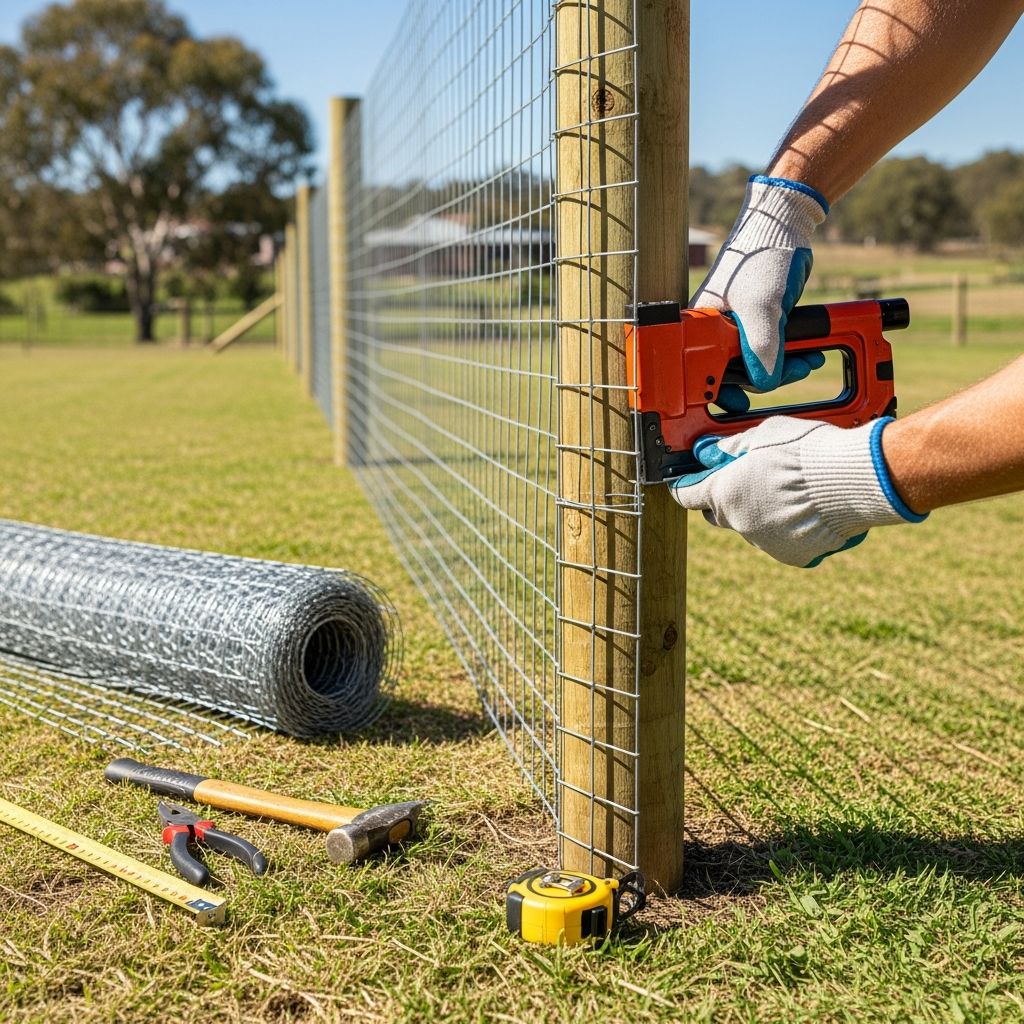
Build Your Own Wire Mesh Fence
Constructing a wire mesh fence offers an affordable and effective way to enclose gardens, farms, or yards while deterring animals and enhancing security. This guide provides a complete roadmap for DIY enthusiasts, drawing on proven techniques to ensure stability and longevity.
Why Choose Wire Mesh Fencing?
Wire mesh fences excel in versatility, combining strength with visibility. Unlike solid panels, they allow airflow and light passage, making them suitable for livestock containment, garden protection, or boundary marking. Welded wire varieties resist sagging better than woven types due to their lighter weight and rigid intersections. Common heights range from 36 to 61 inches, adaptable to various needs like deer exclusion or pet confinement.
Key advantages include low material costs, quick installation, and minimal upkeep. For farms, field fence designs with graduated mesh sizes prevent small animals from squeezing through while permitting larger ones to be contained. In residential settings, they provide a clean, low-maintenance barrier.
Essential Materials and Tools
Gathering the right supplies upfront prevents delays. Prioritize galvanized or vinyl-coated mesh for rust resistance, especially in humid climates.
Core Materials
- Wire mesh rolls (36-61 inches high, length based on perimeter)
- End, corner, and line posts (wooden 8-footers or metal T-posts)
- Horizontal rails or tension wires (top, bottom, and intermediates every 50 cm)
- Concrete mix for post footings
- Brace wires, chains, and turnbuckles for tension
- Gates (pre-hung or DIY with hinges)
Required Tools
- Post hole digger or auger
- Level, tape measure, and string line
- Fencing pliers, wire cutters, and tensioner
- Hammer, staple gun, or fence stapler
- Circular saw for notching posts
- Shovel, post driver, and drill with 3/8-inch bit
Calculate quantities: posts every 8-10 feet, struts at corners and ends, plus 5% extra wire for overlaps.
Planning Your Fence Layout
Success begins with precise planning. Measure the perimeter, noting slopes, utilities, and obstacles. Call local services to mark underground lines before digging. Sketch a diagram identifying end posts (for tension), corner posts (with double bracing), and line posts.
Mark positions using stakes and string: place end/corner markers first, then intermediates every 2.5-3 meters. Account for gates, adding 4-6 inches for framing. On uneven terrain, step posts to maintain level rails.
| Fence Type | Post Spacing | Ideal Height | Common Use |
|---|---|---|---|
| Garden | 8-10 ft | 36-48 in | Deer/rabbit control |
| Farm/Field | 10-12 ft | 48-61 in | Livestock |
| Property Line | 6-8 ft | 48-72 in | Security |
Step-by-Step Installation Guide
1. Dig and Set Posts
Excavate holes 30-50 cm deep, wider at the base for stability (2-3 times post diameter). For end and corner posts, dig adjacent brace post holes at 45-degree angles. Insert posts, plumb with a level, and brace temporarily. Pour concrete, tamping to remove air pockets; let cure 24-48 hours.
Wooden posts benefit from treatment against rot; metal T-posts can be driven directly but secure mesh with clips.
2. Install Rails and Bracing
Cut rails to span posts, notching if using wood for seamless fit. Secure with screws or nails. For tension systems, thread wires through post holes, attaching strainers or turnbuckles at ends. Brace ends with diagonal wires or H-frames using chains and pins.
3. Unroll and Attach Mesh
Start at a corner: unroll mesh along the ground, passing a tension bar through the end roll for grip. Staple to the first post every 6 inches vertically, then to top/bottom rails every 3 inches. Pull taut to the next post using a come-along or stretching board, trimming excess vertical wires to wrap around posts.
Repeat around the perimeter, overlapping sections by 6 inches and joining with hog rings or splicers. For trenches, bury bottom mesh 6 inches to deter diggers.
4. Tension and Secure
Use pliers or tools to tighten until mesh is drum-taut without sagging. Install V-clips or staples on line posts for support. Trim overhangs and fold edges safely.
5. Add Gates and Finishing Touches
Hang gates on reinforced posts, ensuring level swing. Secure latches firmly. Top with barbed wire if needed for added deterrence.
Safety Precautions During Construction
Protect yourself: wear gloves, eye protection, and sturdy boots. Handle sharp wire carefully to avoid cuts. Work with a partner for heavy lifting and tensioning. Secure loose tools and cover holes to prevent accidents, especially near children or pets.
Check weather; avoid wet soil for digging. Follow local codes for height and setbacks.
Maintenance for Longevity
Inspect annually for rust, loose staples, or post shifts. Tighten sagging sections promptly. Clear vegetation to prevent corrosion. In snowy areas, brush off accumulations. With proper care, expect 10-20 years of service.
Frequently Asked Questions (FAQs)
What mesh size is best for gardens?
2×4-inch openings deter rabbits; 1×2 for chickens.
Can I install on sloped ground?
Yes, step posts and rails to follow contours while keeping mesh plumb.
How deep should post holes be?
30-50 cm, or 1/3 of post length in firm soil.
Wood or metal posts?
Wood for durability in braces; metal for quick line posts.
Do I need concrete?
Essential for ends/corners; optional for lines in clay soil.
References
- Field Fence Installation Guide — FieldFence.org. Accessed 2026. https://www.fieldfence.org/technology/field-fence-installation.html
- How to Build a Wire Fence — The Home Depot / This Old House. 2023. https://www.youtube.com/watch?v=jJ_5gSThgWE
- How to Install My Mesh Wire Fencing — Dirickx. Accessed 2026. https://www.dirickx.com/how-install-my-mesh-wire-fencing
- Wire Fence: Your Complete Guide — Long Fence. Accessed 2026. https://www.longfence.com/blog/wire-fence-your-complete-guide/
- How to Build a Welded Wire Fence — Tractor Supply Co. Accessed 2026. https://www.tractorsupply.com/tsc/cms/life-out-here/garden-home-land/fencing/how-to-build-a-welded-wire-fence
Similar Articles





Read full bio of Sneha Tete