Building DIY Solar Panels: A Step-by-Step Guide
Learn how to construct and install solar panels at home with this comprehensive guide.
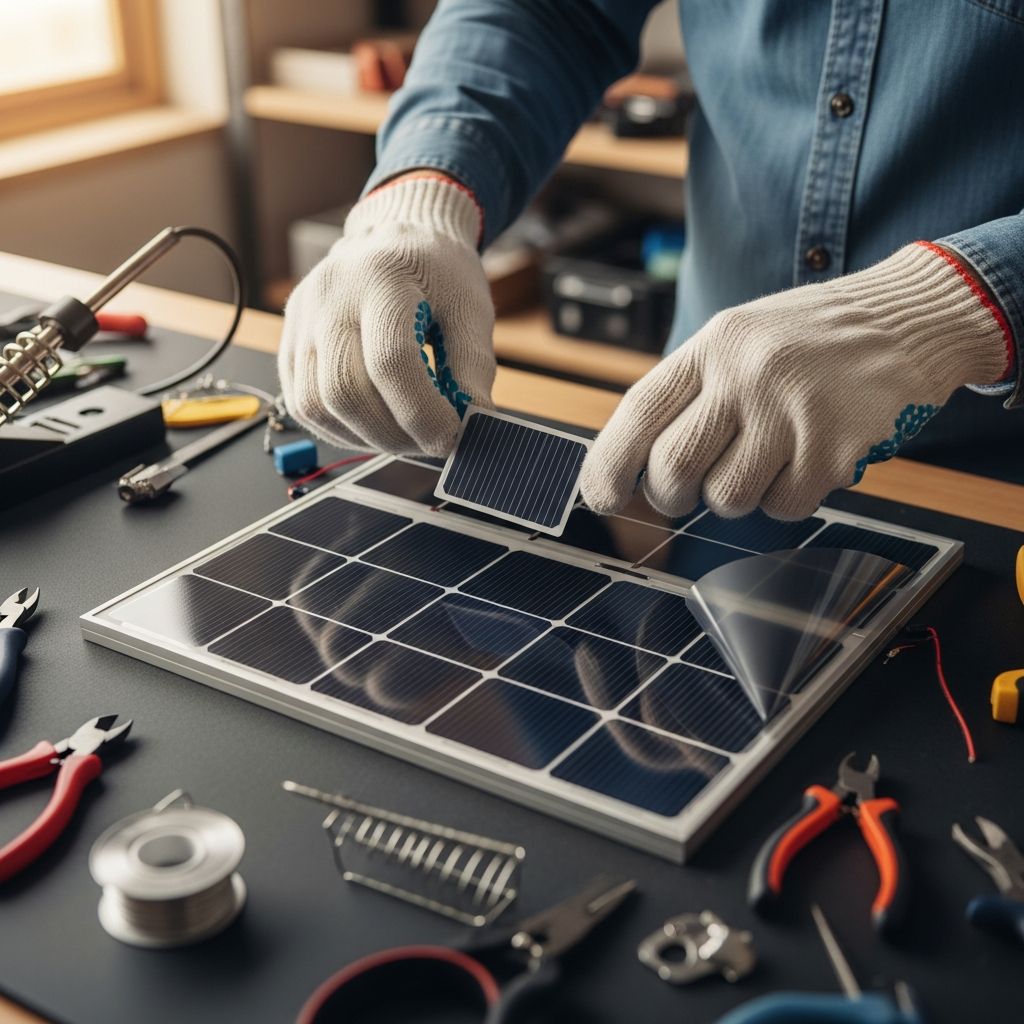
Renewable energy has become increasingly accessible to homeowners looking to reduce their environmental footprint and energy costs. One of the most rewarding projects for the hands-on homeowner is constructing and installing solar panels from individual components. This guide walks you through the entire process, from preparing materials to powering your home with clean, solar-generated electricity.
Understanding Solar Panel Components
Before beginning construction, it’s essential to understand what makes a functional solar panel. The core of any solar panel consists of photovoltaic (PV) cells—semiconductor devices that convert sunlight into electrical current. These cells are arranged in strings and connected together to produce usable voltage and amperage.
Beyond the cells themselves, a complete solar panel requires several supporting components. A sturdy frame, typically aluminum, provides structural integrity and allows for secure mounting. Behind the cells sits a backing material, usually plywood or another rigid substrate, that holds everything in place. A transparent cover protects the cells from weather and physical damage. Finally, a junction box on the back of the panel houses electrical connections and safety diodes that prevent current from flowing backward into the system.
Understanding how these components work together helps ensure your homemade panel functions efficiently and safely for years to come.
Preparing Your Materials and Workspace
Successful panel construction begins with organization. Start by creating a template that outlines where each solar cell will be positioned. Many builders use plywood as a base material, combined with pegboard or similar backing that allows for flexibility in cell placement. Using tile spacers or similar materials helps maintain uniform spacing between cells, ensuring that electrical connections align properly and the panel maintains structural integrity.
Your workspace should be clean, dry, and well-lit. Solar cells are fragile and sensitive to dust and moisture, so prepare a dedicated assembly area protected from the elements. Gather all necessary tools before beginning: a staple gun for securing templates, drilling equipment, screwdrivers, wire strippers, and soldering equipment if you’re connecting cells electrically through soldering rather than pre-tabbed connections.
Apply a protective coating to your frame and backing material. Quality deck and siding paint not only protects the wood from weathering but also provides a professional appearance. Apply two coats, allowing adequate drying time between applications, before proceeding with cell installation.
Assembling and Positioning Solar Cells
With your prepared frame and backing in place, the next phase involves positioning and securing the photovoltaic cells. Begin by arranging cells according to your template, ensuring proper spacing that accommodates electrical connections and allows for thermal expansion and contraction.
Solar cells have distinct positive and negative terminals. The bottom surface of each cell is typically the positive terminal, while the top surface is negative. This polarity is crucial for proper electrical flow through your panel. Many cells come with pre-tabbed connections—metal strips attached to facilitate connection to adjacent cells. If your cells lack this feature, you’ll need to solder connections between cells to create strings of series-connected units.
Once cells are properly positioned, secure them to the backing material using high-temperature silicone adhesive. This material bonds the cells firmly while allowing minimal movement due to temperature fluctuations. Work methodically, ensuring each cell sits flat against the backing before the silicone sets.
Creating Electrical Connections
After physically securing the cells, establish the electrical connections that convert sunlight into usable power. Cells arranged in series increase voltage output, while parallel arrangements increase amperage. Most homemade panels use series connections to achieve standard voltage levels compatible with inverters and charge controllers.
Identify where positive and negative leads will exit your panel. Drill appropriately sized holes through the backing material and frame to accommodate wiring. These holes should be positioned to allow clean wire routing without creating stress points that might damage connections.
At the panel’s terminus, install a junction box designed to safely house all electrical connections. This box contains blocking diodes that prevent backflow of current—an important safety feature when panels are connected to battery systems or when multiple panels operate together. The junction box also provides a weatherproof enclosure where visitors or maintenance personnel cannot accidentally contact live electrical connections.
Connect all wiring using appropriately rated cables. The wire gauge must support the amperage your panel produces without overheating. Verify your completed electrical system by measuring voltage and current output before mounting the panel on your roof.
Protective Finishing and Weatherproofing
A homemade solar panel will face years of exposure to rain, wind, temperature extremes, and ultraviolet radiation. Proper weatherproofing is essential for longevity and safety. After all electrical work is complete and tested, seal the panel’s edges using high-quality silicone sealant. This creates a water-resistant barrier that prevents moisture infiltration into the internal components.
Pay particular attention to the junction box area and any penetrations where wiring exits the panel. Moisture intrusion is a common failure point in homemade installations. Multiple applications of sealant, allowing full curing between coats, provide superior protection compared to single-application approaches.
Consider adding a transparent cover over the cell array. Tempered glass or acrylic sheets provide impact resistance and additional weather protection while minimizing light loss to the cells. Ensure adequate ventilation behind the cover to prevent heat buildup that reduces panel efficiency.
Preparing Your Installation Site
Before mounting panels on your roof or ground, complete all necessary site preparation and planning. If installing on your roof, locate the structural support rafters that will bear the panel’s weight. These load-bearing beams should be identified and marked before any mounting hardware is installed. Use a stud finder or measure from your attic to precisely locate rafters—guessing often results in panels mounted to insufficient support.
For ground-mounted systems, construct a robust support structure capable of withstanding wind loads and the panel’s weight. This typically involves installing vertical posts anchored to concrete footings at least 18 inches deep. Allow concrete to fully cure for a week before mounting equipment on this foundation.
Mark your intended mounting locations using chalk lines, creating a clear visual guide for installation. This preparation prevents errors during mounting and ensures panels are positioned optimally—typically facing south in the Northern Hemisphere—to maximize sun exposure throughout the day.
Installing Mounting Hardware and Rails
Mounting systems consist of horizontal rails attached to vertical supports, creating a framework that holds panels securely while allowing air circulation beneath them. Begin by installing the anchor points that will support these rails. On roofs, lag bolts driven into rafters create these connection points. On ground mounts, bolts through the support posts serve the same purpose.
Seal all penetrations through roofing materials to prevent water intrusion. Pre-drill holes through shingles and flashing materials, fill them with waterproof sealant, and secure anchors firmly. Waterproofing at this stage prevents the most common cause of roof leaks in solar installations.
Install horizontal rails at appropriate spacing to support your panel array. Rails should be cut to the correct length and secured firmly to anchor points. Some installations require both upper and lower rails for panels, providing redundant support and allowing for ventilation space between the roof and panels.
Positioning and Securing Panels on the Array
With rails installed, the actual panel mounting proceeds methodically. Position the first panel using end clamps on both sides to secure it firmly to the rails. These specialized fasteners distribute load evenly and prevent panel movement from wind or vibration.
For additional panels, use mid clamps that secure both the panel and integrate it into the continuous rail system. Panels should be aligned perfectly—deviations create visible gaps and potentially compromise structural integrity. Use the top rail as a reference point, measuring distance from the rail to the panel’s top edge on both sides. Adjust panels until these measurements match, indicating perfect alignment.
Consider fire lane requirements when positioning panels. Building codes often mandate gaps between panels to allow emergency personnel roof access. Plan your array layout to comply with local fire codes before installation begins.
Electrical Integration and System Wiring
Once panels are physically mounted, the electrical integration that connects them into a functioning system begins. Plan your wiring route from the mounted panels to your inverter or charge controller. Wiring exposed to sunlight should be rated for UV exposure and outdoor use.
Determine whether panels will be wired in series, parallel, or a combination of both. Series connections increase voltage output, while parallel configurations increase amperage capacity. Most grid-tied systems use series strings of panels connected to microinverters or central inverters.
For rooftop installations, route wiring through conduit running from panels to an interior location housing your inverter and electrical equipment. This protects wiring from weather and physical damage. Use appropriately sized conduit and ensure all connections are secure and properly labeled.
Install a disconnect switch between your solar array and the rest of your system, allowing you to safely isolate the panels for maintenance or emergencies. This safety device is essential and often required by electrical codes.
Grounding and Electrical Safety
A properly grounded system protects both equipment and occupants from electrical hazards. Ground all panel frames to a grounding bar that connects to your home’s main electrical service. This provides a safe path for fault currents in case of equipment failure.
Use appropriately rated grounding conductors matching the size of your main power conductors. The grounding system must include a grounding rod driven into the earth near your electrical service entrance, creating a low-resistance path to ground.
All electrical connections should be secure and protected from moisture. Junction boxes, disconnect switches, and inverter connections should be housed in weatherproof enclosures. Verify that all work meets local electrical codes—many jurisdictions require licensed electrician involvement for grid-tied systems.
Testing and Commissioning Your System
Before relying on your system for regular power generation, conduct thorough testing. Measure voltage output under direct sunlight conditions. A string of panels in series should produce voltage consistent with the sum of individual panel ratings under full sun. Current measurements should approach the panel’s rated amperage.
Test that blocking diodes function properly and that no reverse current flows when panels are disconnected. Verify inverter operation if your system includes one, confirming that AC power output is clean and matches your utility voltage.
Monitor your system’s performance over several days under varying weather conditions. This reveals problems before they become severe issues. Many modern systems include monitoring capabilities that track voltage, current, and power output, providing valuable diagnostic information.
Maintenance and Long-Term Performance
Regular maintenance keeps your homemade solar panel system operating at peak efficiency. Clean panel surfaces periodically, as dust and debris reduce light penetration and power output. Water and a soft brush typically suffice for cleaning; avoid abrasive materials that might damage the protective covering.
Inspect mounting hardware periodically, tightening any fasteners that have loosened due to vibration or thermal expansion. Check seals around penetrations and junction boxes, replacing deteriorated sealant to prevent water intrusion.
Monitor your system’s output trends over time. Declining performance might indicate internal failures, shading issues, or accumulated soiling. Professional solar maintenance services can diagnose problems that aren’t immediately obvious.
Frequently Asked Questions
Q: How much do the materials cost for building a homemade solar panel?
A: Material costs vary based on panel size and quality, but expect to spend $200–$800 for a single panel producing 100–400 watts. Purchasing cells from established suppliers ensures quality, though purchasing bulk materials might reduce per-unit costs.
Q: Can homemade panels match commercial panel efficiency?
A: Commercial panels typically achieve 15–22% efficiency, converting that percentage of sunlight into usable electricity. Homemade panels using quality cells can approach these numbers, though workmanship variations may result in slightly lower performance.
Q: What permits or inspections are required for DIY solar installations?
A: Requirements vary significantly by location. Many jurisdictions require building permits for roof-mounted systems and electrical inspections before connecting to the grid. Contact your local building department to understand requirements before beginning installation.
Q: How long do homemade solar panels last?
A: Quality materials and proper installation support 25–30 year lifespans, matching commercial panels. Degradation rates typically range from 0.5–1% annually, meaning panels retain 80% of original output after 20 years.
Q: Can I expand my system by adding panels later?
A: Yes, systems can be expanded by adding panels in series strings or additional strings in parallel. Ensure your inverter and other equipment have capacity for increased output before adding panels.
References
- DIY Solar Panel Installation: Step by Step Guide — GoGreenSolar.com. 2024. https://www.gogreensolar.com/pages/diy-solar-installation-guide
- How to Build a Solar Panel: 9 Steps — Instructables.com. https://www.instructables.com/How-To-Build-A-Solar-Panel/
- Your Ultimate DIY Solar Panel Guide — Unbound Solar. https://unboundsolar.com/solar-information/diy-solar
- Complete Guide for Your DIY Solar Project — Project Solar. https://projectsolar.com/pages/you-complete-guide-to-diy-solar
- DIY Solar System Setup: A Hands-On Guide — EcoFlow. 2024. https://www.ecoflow.com/us/blog/diy-solar-system-setup
Similar Articles



Read full bio of Sneha Tete