Building a Thriving Pollinator Garden
Transform your garden into a vibrant sanctuary for bees, butterflies, and essential pollinators.
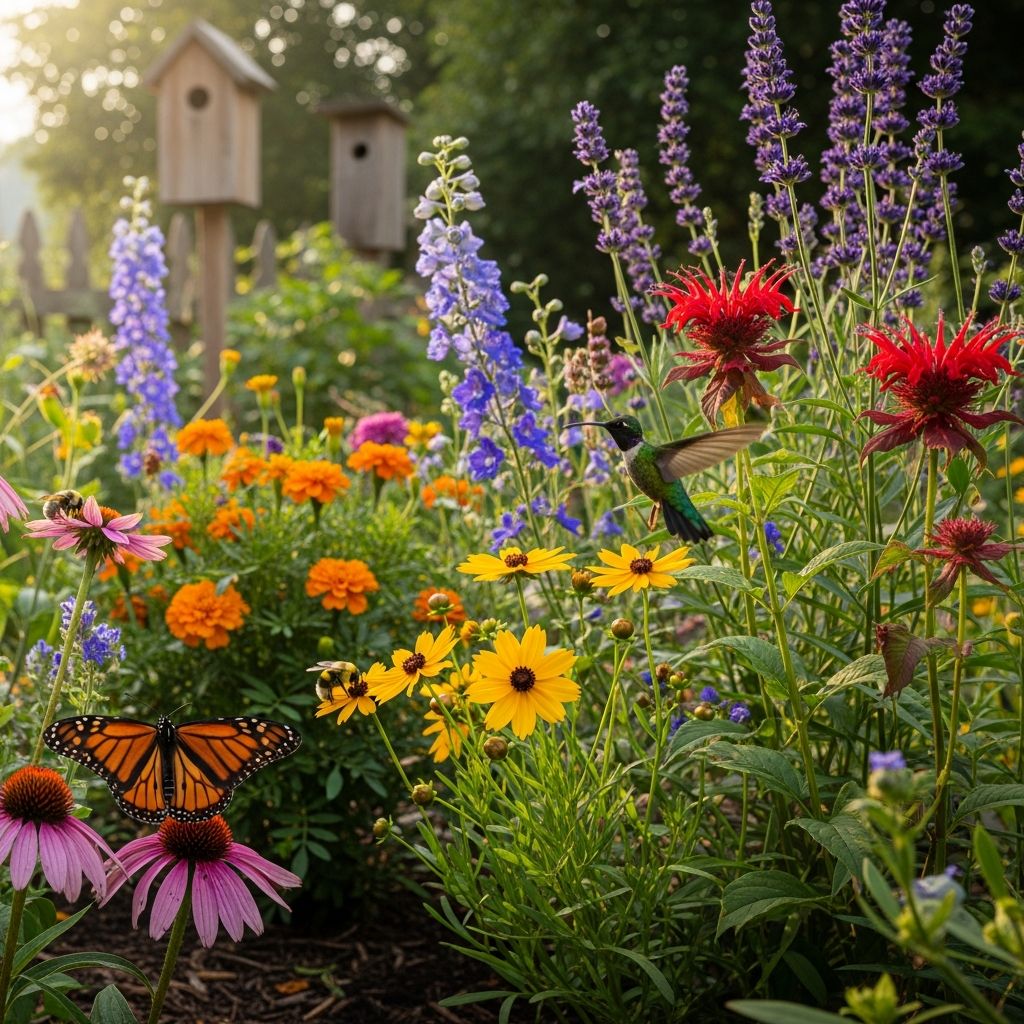
The gentle hum of bees and flutter of colorful butterflies are sounds and sights that many gardeners cherish. Yet in recent years, these signs of pollinator activity have become noticeably quieter and less frequent in many yards and landscapes. The decline in pollinator populations represents a significant environmental concern, as these insects play a critical role in food production and ecosystem health. Creating a garden specifically designed to support and attract pollinators has never been more important—or more rewarding. By implementing thoughtful design choices and sustainable practices, you can transform your outdoor space into a thriving habitat that benefits both local wildlife and your community’s broader ecosystem.
Understanding the Foundation of Pollinator Ecology
Before designing your pollinator garden, it helps to understand what these essential insects need to survive and flourish. Pollinators—including bees, butterflies, moths, and hummingbirds—require consistent access to nectar and pollen throughout the growing season. They also need appropriate shelter for nesting, egg-laying, and overwintering. Many modern gardens fail to provide these essentials, particularly because of widespread use of pesticides, monoculture plantings, and landscape designs that prioritize aesthetics over ecological function. Native plants, by contrast, have evolved alongside local pollinator species and provide the specific nutritional and habitat resources these insects depend on. Understanding this relationship between plants and pollinators forms the foundation for successful garden design.
Selecting Native Plants for Year-Round Appeal
The cornerstone of any successful pollinator garden is the thoughtful selection of native flowering plants. Native species are adapted to your region’s climate, soil conditions, and weather patterns, making them easier to grow while providing superior nectar and pollen quality compared to ornamental hybrids. Many cultivated varieties found at garden centers have been bred for appearance rather than pollinator value, and may have minimal or no pollen and nectar production.
When choosing plants, prioritize those that bloom at different times throughout the growing season. This extended blooming schedule ensures that pollinators have consistent food sources from early spring through late fall. Consider creating a mental or written calendar of when each plant flowers to avoid gaps in blooming. Spring bloomers might include native crocuses and bloodroot, summer selections could feature black-eyed Susans and coneflowers, and fall gardens might showcase asters and blazing star. This stratified approach to planting ensures your garden remains a resource-rich environment across all seasons.
Strategic Plant Arrangement and Spatial Design
Simply planting native species is not enough; the spatial arrangement of these plants significantly influences pollinator behavior and garden success. Research demonstrates that pollinators more readily locate and visit flowers when plants are arranged in clusters or drifts rather than scattered as individual specimens throughout the garden. This clustering mimics natural plant groupings and reduces the energy expenditure required for pollinators to move between food sources.
When planning your garden layout, consider grouping plants of the same or compatible species together in patches at least three feet wide. This approach not only attracts pollinators more effectively but also creates visual impact and makes garden maintenance more efficient. Incorporate plants of varying heights and growth habits to create a layered landscape with ground covers, mid-story perennials, and taller shrubs or specimen plants. This vertical diversity provides multiple microhabitats and nesting opportunities.
Creating Essential Habitat Features Beyond Flowers
While flowering plants form the primary attraction, pollinators require additional habitat elements to complete their life cycles. Provide diverse nesting and shelter options by incorporating various structural elements into your garden design:
- Nesting materials: Leave areas of bare ground, as many bee species nest in soil. Fallen branches, brush piles, and dead wood create shelter and nesting sites for various insect species.
- Vegetation diversity: Maintain shrubs, tall grasses, and low-growing plants that provide overwintering sites and protective cover.
- Standing water: Shallow water sources, such as birdbaths or saucer gardens, provide essential hydration, particularly in dry climates. Add pebbles or rocks as landing platforms to prevent drowning.
- Bee nesting blocks: Commercial bee houses or simple nesting blocks made from drilled wood provide secure nesting cavities for solitary bee species.
These habitat features work synergistically with your plantings to create a comprehensive ecosystem support system.
Eliminating Chemical Threats to Pollinator Health
Perhaps the most critical step in creating a pollinator-friendly garden is discontinuing the use of pesticides and other chemical treatments. The single greatest threat to pollinator populations stems from pesticide exposure, particularly neonicotinoid compounds, which are highly toxic to bees, butterflies, and other beneficial insects. These systemic pesticides penetrate entire plants, including pollen and nectar, creating a poisoned food source for pollinators.
Transitioning to chemical-free gardening requires a shift in mindset. Rather than viewing weeds and insects as enemies requiring eradication, adopt a more holistic perspective that accepts some level of imperfection and natural pest management. Many gardeners find that native plant gardens naturally develop more balanced insect populations, with beneficial predators controlling pest species without intervention. If pest management becomes necessary, employ organic methods such as hand-picking, water spray removal, or introducing beneficial insects. This commitment to chemical-free practices protects not only pollinators but also improves soil health and reduces potential harm to human residents and pets.
Implementing Sustainable Soil and Water Management
Healthy soil forms the foundation for vigorous plant growth and pollinator support. Before planting your pollinator garden, amend beds with quality compost and natural fertilizers to improve soil structure and nutrient availability. This preparation helps young plants establish quickly and develop robust root systems capable of producing abundant flowers.
Mulching around plants serves multiple purposes: it suppresses weeds, moderates soil temperature, and retains moisture during dry periods. Organic mulches such as straw gradually decompose, further improving soil structure and microbial activity. When watering, apply water deeply but less frequently to encourage strong root development rather than shallow, dependent growth patterns. Drip irrigation systems deliver water directly to plant roots, reducing waste and minimizing disease pressure from wet foliage.
Choosing Between Seeds and Started Plants
As you develop your specific planting plan, you’ll need to decide whether to start your pollinator garden from seeds or nursery-started plants. Each approach offers distinct advantages and considerations:
| Approach | Cost | Timeline | Best For |
|---|---|---|---|
| Seeds | Economical, especially for large areas | Requires planning ahead; fall or late winter sowing for summer bloom | Budget-conscious gardeners, larger gardens, patient cultivators |
| Started Plants | Higher initial investment | Quick results; pollinators attracted same season | Gardeners wanting immediate impact, smaller spaces, shorter timelines |
If using seeds, plan dispersal for fall or late winter to allow adequate germination time. Some seeds benefit from cold stratification (exposure to winter conditions), which naturally occurs with fall sowing. If purchasing started plants, select smaller plugs or transplants rather than expensive mature specimens—these establish more quickly and develop stronger, bushier plants over time.
Establishing and Maintaining Your Garden
During the establishment phase, consistent watering and weeding prove essential for success. Young plants require regular moisture to develop strong root systems, particularly during their first growing season. Maintain weed-free conditions around new plantings to reduce competition for water and nutrients. Many perennials take time to mature and reach full flowering potential—some species like milkweed may not produce flowers until their second or third year, so patience and persistence are necessary.
Once plants establish, maintenance becomes progressively easier. Deadheading spent flowers on some species encourages continued blooming throughout the season, though leaving some flowers to set seed provides food for birds and additional habitat structure. In fall, resist the urge to completely clean up the garden; allow seed heads to remain for wildlife food and overwintering insects. Cut back dead vegetation in spring rather than fall to provide protective cover through winter months.
Seasonal Considerations and Long-Term Success
Successful pollinator gardens operate as dynamic systems that change across seasons and years. Early spring requires nectar sources as pollinators emerge from dormancy with depleted energy reserves. Late spring and summer provide peak bloom periods when pollinator populations peak. Fall-blooming plants extend the season and help pollinators build reserves for winter survival. Understanding these seasonal rhythms helps you make informed plant selections that provide consistent support year-round.
As your garden matures, you’ll likely observe increasing pollinator activity. Different pollinator types have specific preferences for flower shapes, colors, and bloom times, so diverse plantings attract diverse pollinator communities. Document what works in your specific location—regional variations mean that plants thriving in one garden might struggle in another. Over time, your garden becomes a personalized ecological system reflecting your local environment and evolving alongside the broader landscape.
Frequently Asked Questions
How long does it take to see pollinator activity in a new garden?
Pollinator activity depends on plant maturity and establishment. Started plants may attract pollinators during their first season, while seed-grown plants typically require a full year to mature and bloom substantially. Some species take multiple years to reach flowering size.
Which pollinators will visit my garden?
Native plant gardens attract diverse pollinator species including native bees, butterflies, moths, and hummingbirds. The specific species depends on your geographic region and which native plants you select.
Do I need a large space to create a pollinator garden?
Pollinator gardens can range from small containers to expansive landscapes. Even modest plantings of clustered native flowers create meaningful habitat and food sources for local pollinator populations.
What if I don’t know which plants are native to my area?
Consult your local cooperative extension office, native plant societies, or organizations like the Pollinator Partnership and Xerces Society for region-specific plant guides and recommendations.
References
- Attracting Pollinators to Your Garden — U.S. Fish and Wildlife Service, Department of Interior. 2024. https://www.doi.gov/sites/default/files/fws-attracting-pollinator-to-your-garden.pdf
- 8 Ways to Attract Bees and Butterflies — Natural Resources Defense Council (NRDC). 2024. https://www.nrdc.org/stories/8-ways-attract-bees-and-butterflies
- Attracting Pollinators into the Garden — Floret Flowers. 2024. https://www.floretflowers.com/attracting-pollinators-into-the-garden/
- Helping in Your Backyard — U.S. National Park Service Pollinators. 2024. https://www.nps.gov/subjects/pollinators/helping-in-our-own-backyards.htm
- How to Build a Pollinator Garden — U.S. Fish and Wildlife Service. 2024. https://www.fws.gov/story/how-build-pollinator-garden
Similar Articles





Read full bio of Sneha Tete