Growing a Pollinator Paradise: Plants That Invite Butterflies
Transform your outdoor space into a vibrant haven for butterflies and other pollinators.
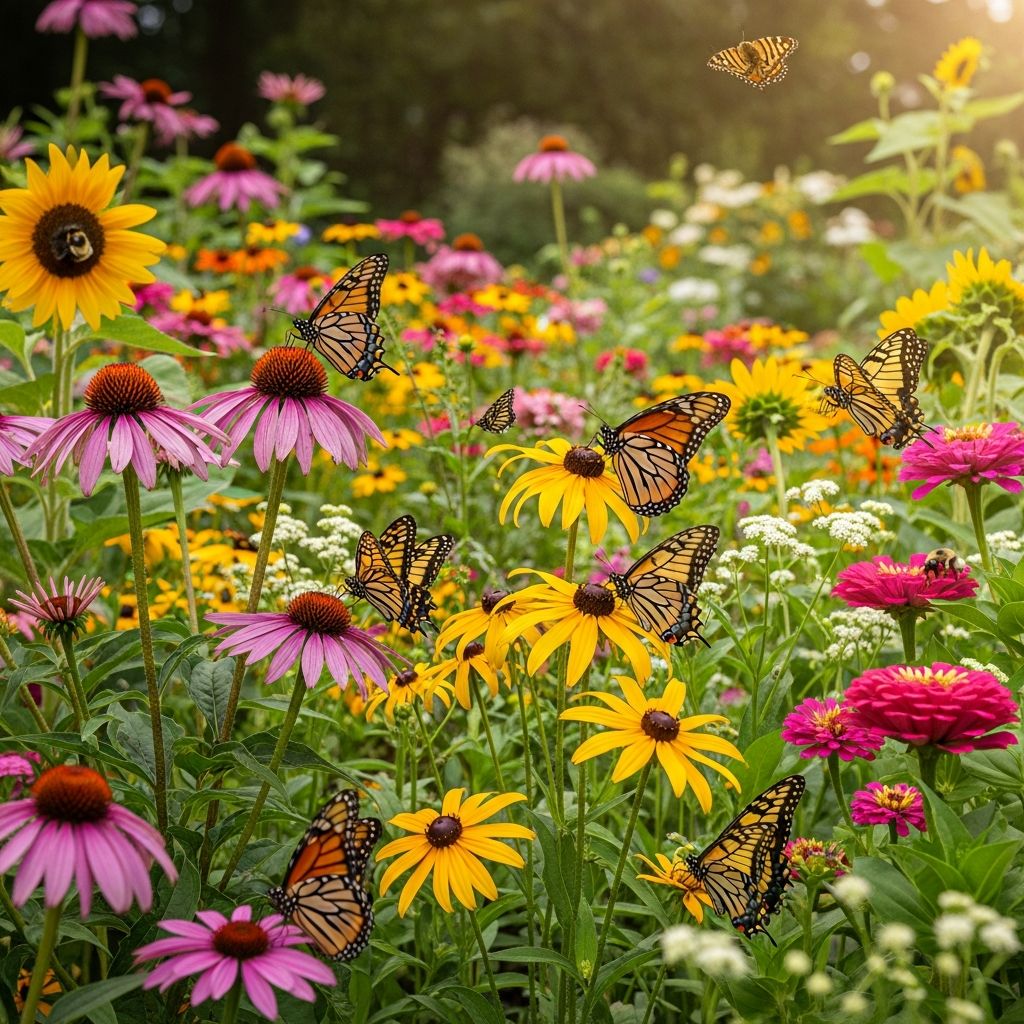
Creating a garden that welcomes butterflies transforms your outdoor space into a living ecosystem teeming with color and movement. Beyond their aesthetic appeal, butterflies serve as vital pollinators, supporting the reproduction of countless plants and contributing to food production. Establishing a garden specifically designed to attract and sustain butterfly populations requires understanding what these delicate insects need to thrive, from the flowers they feed on to the plants their caterpillars consume.
Understanding Butterfly Preferences and Behavior
Butterflies rely on specific environmental conditions and plant characteristics to survive and reproduce successfully. Rather than randomly selecting ornamental plants, intentional garden design based on butterfly biology yields dramatically better results. Successful butterfly gardeners recognize that these insects have particular preferences shaped by millions of years of evolution.
The visual appeal of flowers plays a crucial role in attracting butterflies. These insects are drawn to bright, vibrant hues that stand out against green foliage. Colors in the red, orange, yellow, purple, and pink spectrum prove most effective at capturing butterfly attention. White flowers also attract certain species, providing additional options for garden design. The intensity and saturation of color matter significantly—flowers that appear dull or pale typically receive fewer butterfly visitors than those with bold, unmistakable coloring.
Beyond color, the physical structure of flowers dramatically influences butterfly activity. Butterflies require stable landing platforms where they can perch while feeding on nectar. Flowers with flat petals or clustered blooms that create broad surfaces work best. Delicate, thin petals or drooping flower structures may prove challenging for butterflies to navigate, even if the nectar quality is excellent. Understanding this preference helps explain why certain flowers, despite producing abundant nectar, attract fewer butterflies than others with flatter, more accessible blooms.
Essential Nectar Plants for Year-Round Butterfly Activity
A sustainable butterfly garden requires nectar sources that bloom at different times throughout the growing season. Rather than relying on a single flowering period, strategic plant selection ensures that butterflies find food from spring through the first frost. This extended availability maintains consistent butterfly populations throughout their active months.
Spring and Early Season Options
As gardens awaken from dormancy, early-blooming nectar plants provide crucial sustenance for butterflies emerging from overwintering. These initial food sources energize butterflies after their period of inactivity and support reproductive cycles.
- Lilacs: These fragrant shrubs produce clusters of tiny flowers in purple, pink, and white. Their sweet scent and abundant nectar make them butterfly magnets during spring months.
- Phlox: Available in multiple cultivars with varying bloom times, phlox offers tubular flowers that many butterfly species favor. Long bloom periods extend nectar availability into summer.
- Columbine: These distinctive flowers with their spurred petals and long bloom period provide nectar during spring transitions into summer.
- Dogwood: This ornamental tree produces abundant nectar-rich flowers in early spring, doubling as both food source and structural element in garden design.
Summertime Nectar Abundance
Summer represents peak butterfly season, and gardens should include multiple nectar sources blooming simultaneously. The abundance of food during these months supports growing butterfly populations and prepares them for migration or overwintering.
- Coneflowers: These daisy-like perennials produce nectar continuously from mid-summer through fall. Available in pink, purple, orange, and yellow varieties, they reach up to three feet tall and demonstrate remarkable drought tolerance. Their sturdy structure and broad center disk provide ideal landing platforms for butterflies of all sizes.
- Black-eyed Susans: These cheerful yellow flowers bloom prolifically throughout summer and into fall. Their disc-shaped centers and nectar-rich blooms make them butterfly favorites across multiple species.
- Zinnias: These annuals produce colorful flowers in nearly every hue imaginable. Their long-lasting blooms provide steady nectar sources throughout summer, continuing until frost terminates growth.
- Bee Balm: These square-stemmed plants produce tubular flower clusters that appeal to many butterfly species. Their long bloom period extends from early summer through frost.
- Butterfly Bush: This shrub lives up to its name by producing abundant nectar from mid-summer through fall. Growing six feet tall or more, it provides shelter and food simultaneously, with varieties available in pink, purple, and white.
Fall and Late-Season Bloomers
As gardens transition toward dormancy, butterflies preparing for migration require abundant food sources. Late-blooming plants become critical for supporting these essential insects during their final active weeks.
- Goldenrod: Often unfairly blamed for allergies caused by ragweed pollen, goldenrod actually produces clustered flowers that create perfect perching spots for butterflies. Its fall blooms provide crucial nectar when other sources diminish.
- Asters: These purple and pink flowers bloom prolifically in fall, offering nectar exactly when migrating butterflies need energy reserves.
- Cosmos: These daisy-like flowers continue blooming until the first frost, their pink, white, and yellow petals creating excellent landing platforms for late-season visitors.
- Sunflowers: Available in numerous varieties, sunflowers bloom during heat waves when other nectar sources diminish. Pollinators flock to varieties retaining pollen, as some cultivated forms lack this important resource.
Host Plants: Supporting Butterfly Reproduction
While nectar plants feed adult butterflies, host plants provide the only food source for developing caterpillars. This distinction proves essential because most caterpillar species can digest only specific plants. Without host plants, butterfly reproduction fails entirely, and visiting populations cannot establish or sustain themselves locally.
Different butterfly species require different host plants. Rather than attempting to support every butterfly species, gardeners often select a few target species based on regional considerations. This focused approach still creates significant ecological value while remaining manageable in scope.
Milkweed for Monarchs
Milkweed stands as the sole host plant for monarch butterfly caterpillars. Without milkweed, no monarchs can complete their life cycle in your garden. This critical relationship makes milkweed essential for any gardener serious about supporting these iconic insects. Butterfly weed, a milkweed relative with orange clustered flowers, provides both nectar and host plant functions. Mexican milkweed extends the blooming period from spring through fall, supporting monarchs throughout their active season.
Host Plants for Swallowtails
Swallowtail butterflies, with their distinctive tail-like hindwing extensions, require specific host plants depending on species. Black swallowtails lay eggs on fennel, dill, parsley, and Queen Anne’s Lace. Tiger swallowtails use black cherry, sassafras, and hawthorns. Spicebush swallowtails prefer sassafras, spicebush, sweet bay, and red bay. While some of these plants may seem weedy or undesirable, allowing them to grow in designated garden areas supports crucial butterfly reproduction without compromising overall garden aesthetics.
Additional Host Plants and Considerations
Many other butterfly species require specific plants. Zebra longwings depend on passionvine, while various skipper species utilize native grasses and sedges. Incorporating diverse plants, including those that might normally be removed as weeds, creates a complete ecosystem supporting multiple butterfly species simultaneously.
Design Strategies for Maximum Butterfly Appeal
Color and Arrangement
Planting flowers in large groups rather than scattered individual specimens dramatically increases butterfly attraction. A single isolated coneflower may go unnoticed, but a cluster of a dozen coneflowers creates a visible beacon across the garden. The massed color effect overwhelms butterfly visual systems, essentially shouting “food source here!” Large groupings also provide more consistent perching opportunities and higher nectar concentrations that reward visiting butterflies.
Color combinations should emphasize contrast and vibrancy. A bed of white and orange flowers creates more visual impact than soft pastels in similar proportions. This doesn’t mean gardens must be garish—thoughtful combinations can achieve both butterfly-attracting vibrancy and aesthetic appeal.
Structural Diversity and Shelter
Butterflies need more than food and water; they require shelter from predators and harsh weather. Incorporating tall-growing plants and shrubs creates protective spaces where butterflies can rest and hide. Butterfly bush, lilacs, and dogwood simultaneously provide food and shelter through their structural form. Even lower-growing plants contribute when grouped densely enough to create protective microclimates.
Water and Moisture Sources
Butterflies cannot drink from open water sources; instead, they require moist sand, earth, or mud to extract water. Creating designated damp areas through strategic irrigation or maintaining moisture-retaining mulch provides essential hydration. A simple shallow pan filled with sand kept moist offers an effective watering station. Some gardeners place overripe fruit such as bananas or pears in the garden, which simultaneously provides water and attracts butterflies seeking minerals and sugars.
Basking and Perching Opportunities
Butterflies spend significant time basking—positioning themselves to absorb solar warmth, which they require for flight and activity. Flat rocks, boards, or stone walls placed in sunny locations provide ideal basking spots. These simple additions increase time butterflies spend in gardens, improving observation opportunities and supporting their physiological needs.
Proven Plant Combinations for Butterfly Gardens
Rather than designing gardens from scratch, gardeners can benefit from research-backed combinations that support diverse butterfly species while creating attractive landscapes.
| Combination Type | Plant Species | Special Benefits |
|---|---|---|
| Monarch-Focused | Milkweed, Butterfly Bush, Lantana | Provides caterpillar host plant plus abundant summer nectar |
| Swallowtail Support | Phlox, Bee Balm, Verbena, Host Plants | Combines long-blooming nectar sources with specialized larval plants |
| Cool Color Palette | Shasta Daisy, Phlox, Blue Sage | Provides both host and nectar functions in subdued colors |
| Hot Colors for Heat | English Marigold, Sunflowers, Blanket Flower | Bloom during peak summer heat when other sources diminish |
| Drought-Tolerant Option | Stonecrop, Lavender, Yarrow | Sustains butterflies with minimal water input |
| Native Plant Focus | False Indigo, Coneflower, Phlox | Supports regional butterfly species and other pollinators |
Seasonal Succession Planning
Successful butterfly gardens operate on seasonal cycles. Spring should feature early bloomers like lilacs and phlox that welcome emerging butterflies. Summer brings the abundance of coneflowers, zinnias, bee balm, and other prolific bloomers that support peak butterfly populations. Fall transitions to asters, goldenrod, and cosmos that fuel migrating monarchs and other species preparing for winter. This progression ensures continuous food availability rather than feast-and-famine cycles.
Creating the Ideal Growing Environment
Most butterfly-attracting plants thrive in full sun—at least six hours of direct sunlight daily. Sunny locations support more abundant flowering and higher nectar production than partially shaded sites. Well-draining soil benefits most species, though specific plants vary in preferences. Many popular butterfly flowers, particularly coneflowers and lantana, tolerate drought once established, reducing maintenance requirements.
Pesticide use presents a critical concern in butterfly gardens. Insecticides destroy caterpillars directly, while herbicides eliminate host and nectar plants. Creating a pesticide-free zone, even if surrounding areas receive chemical treatment, allows butterflies to complete their life cycles safely. This single decision often yields dramatic increases in butterfly populations and diversity.
Frequently Asked Questions About Butterfly Gardens
What’s the difference between host plants and nectar plants?
Nectar plants provide food for adult butterflies, while host plants provide the only food source for caterpillars. Both are essential for complete butterfly life cycles. Without host plants, caterpillars cannot develop, so no new butterflies emerge in your garden.
Can I attract butterflies in a small space?
Yes, container gardens and small beds can support butterfly activity. Focus on large groupings of colorful flowers with flat blooms. Even a few containers with coneflowers, zinnias, and milkweed provide food and habitat for visiting butterflies.
How long does it take to establish a butterfly garden?
Annuals like zinnias and cosmos flower within weeks of planting, providing immediate attraction. Perennials and shrubs require one to two years to establish but provide increasingly abundant blooms and habitat with each passing year. Many gardeners combine annuals for immediate impact with perennials for long-term sustainability.
Do all butterflies need the same plants?
Different butterfly species have specific preferences. Monarchs require milkweed, swallowtails need various host plants, and other species prefer particular nectar sources. Creating diversity with multiple plant types supports the broadest range of butterfly species.
Should I deadhead spent flowers?
Selective deadheading encourages continuous blooming, extending the nectar-production period. However, allowing some flowers to go to seed provides late-season insects with additional food sources and maintains natural cycles. Balance aesthetics with ecological function.
Starting Your Butterfly Garden Journey
Establishing a butterfly garden begins with selecting plants suited to your climate and soil conditions. Consulting regional native plant lists helps identify species that support local butterfly populations while reducing care requirements. Starting with a modest bed and expanding gradually allows refinement of design and observation of which plants most effectively attract target species.
The transformation of a simple garden bed into a vibrant butterfly habitat requires patience and observation. As seasons progress and years accumulate, the garden becomes increasingly productive, supporting growing numbers of butterflies while providing continuous visual delight to gardeners and passersby alike.
References
- Best Flowers to Attract Butterflies — Cottage On Bunker Hill. https://www.cottageonbunkerhill.com/guide-to-creating-a-butterfly-haven-in-your-garden/
- How to Design a Beautiful Butterfly Garden — Garden Design. https://www.gardendesign.com/landscape-design/butterfly-garden.html
- Butterfly Gardening in Houston — Houston Arboretum. https://houstonarboretum.org/butterfly-gardening-in-houston/
- A Brief Guide to Butterfly Gardening — North Carolina Native Plant Society. https://ncwildflower.org/a-brief-guide-to-butterfly-gardening/
- A Guide to Butterfly Gardening in Harris County — Texas A&M AgriLife Extension. http://harris.agrilife.org/files/2011/05/bflygrdn.pdf
- Plants for Butterflies — The Center for Pollinator Research, Penn State University. https://pollinators.psu.edu/landscaping-for-pollinators/what-to-plant/plants-for-butterflies
- Butterfly Garden Guide — Prairie View A&M University College of Agriculture and Natural Resources. https://www.pvamu.edu/cafnr/wp-content/uploads/sites/27/infographic-butterfly-garden-guide.pdf
Similar Articles








Read full bio of medha deb