Can You Wash a Down Comforter in a Washing Machine?
Learn the safest methods to wash your down comforter at home without damage.
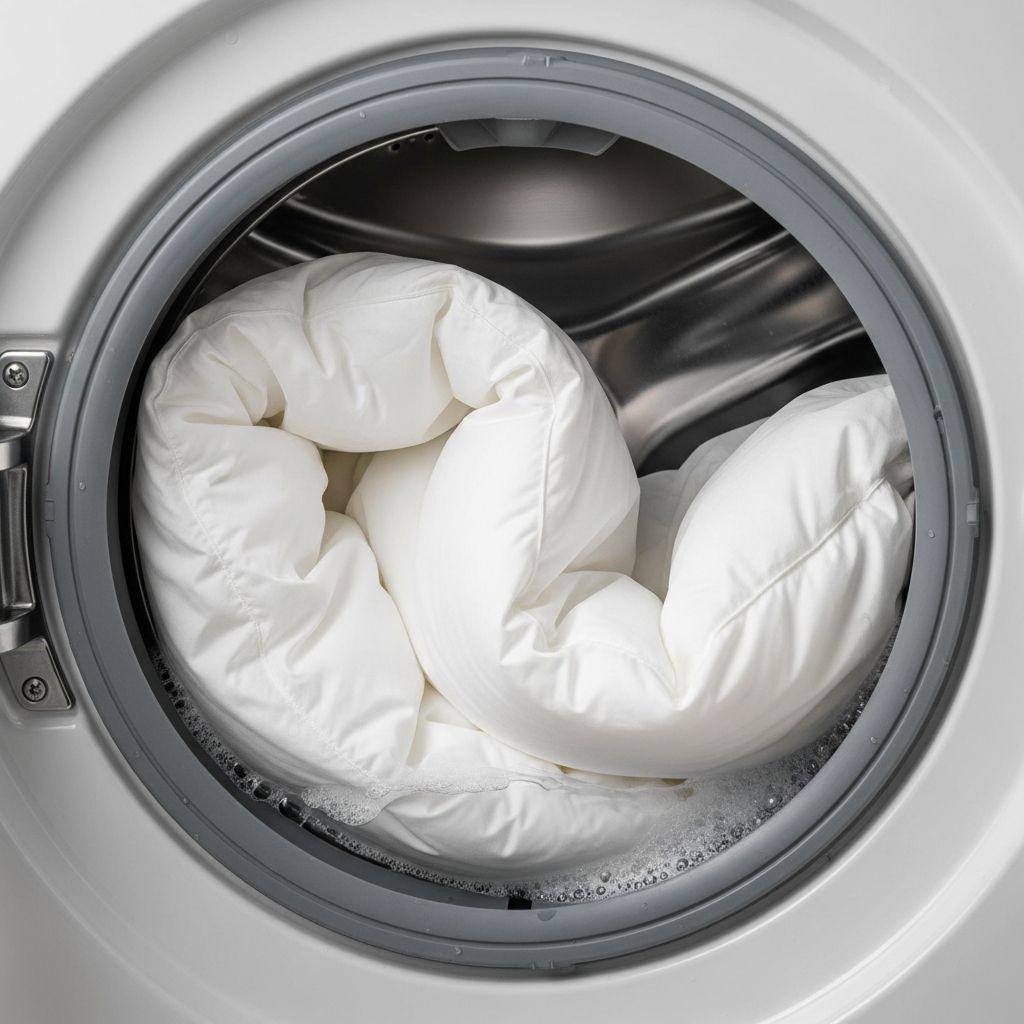
Down comforters are beloved for their warmth, comfort, and luxurious feel. However, many homeowners wonder whether it’s safe to wash these delicate items in a standard washing machine. The good news is that yes, you can wash a down comforter in a washing machine, provided you follow the right steps and use the appropriate settings. With proper care and attention to detail, you can maintain your comforter’s quality, loft, and insulating properties for years to come.
The key to successfully washing a down comforter lies in understanding your machine’s capabilities, selecting the correct cycle and water temperature, using appropriate detergents, and following proper drying techniques. By adhering to these guidelines, you’ll keep your down comforter clean, fresh, and as cozy as the day you purchased it.
Understanding Your Washing Machine Options
Not all washing machines are created equal when it comes to washing down comforters. The type and size of your machine play crucial roles in determining whether your comforter will come out clean and undamaged.
Front-Loading Washers: The Ideal Choice
Front-loading washers are the preferred option for washing down comforters. These machines offer several significant advantages over their counterparts. The gentle tumbling action of front-loaders is less aggressive on delicate down fill, helping to maintain the comforter’s loft and preventing down clusters from breaking apart or becoming compressed.
Front-loading machines also use less water while ensuring better soap distribution and rinsing, which is crucial for down bedding care. The mechanical action combined with efficient water usage creates an ideal environment for thoroughly cleaning your comforter without compromising its integrity. Most experts recommend front-load washers with a capacity of at least 3.5 cubic feet, though larger capacity machines of 4.5 to 5 cubic feet are even better for accommodating king-size comforters.
Top-Loading Washers: Proceed with Caution
Top-loading washers, particularly those with center agitators, are generally not recommended for washing down comforters. The aggressive agitation can stretch the material and compress the feathers, potentially damaging your comforter permanently. However, high-efficiency (HE) top-loaders without agitators can sometimes work if they have sufficient capacity and you use the gentlest cycle available.
If you only have access to a top-loading machine with an agitator and your comforter is not particularly delicate, it may be possible to proceed carefully. However, for valuable or heirloom comforters, it’s best to avoid this option entirely to prevent potential damage.
Machine Capacity Requirements
One of the most critical factors in successfully washing a down comforter is having a machine with adequate capacity. Your washing machine should have ample space for the comforter to move freely during the wash cycle. When a machine is overstuffed, the detergent cannot circulate properly among the feathers, and rinsing becomes less effective.
For optimal results, ensure your machine has at least 3.5 cubic feet of capacity for standard comforters, and 4.5 to 5 cubic feet for larger sizes like king-size comforters. If your home washer doesn’t meet these requirements, consider visiting a commercial laundromat with large-capacity machines designed to handle bedding of all sizes.
Pre-Washing Preparation Steps
Before you load your down comforter into the washing machine, it’s essential to prepare it properly. These preliminary steps will help ensure the best possible cleaning results and prevent potential damage.
Inspect for Damage
Carefully examine your comforter for any tears, holes, or loose seams before washing. If your comforter has existing damage, washing it could cause feathers to escape or the damage to worsen. If you find small tears, repair them first using needle and thread or a fabric patch, then proceed with washing. For significant damage, consider having your comforter professionally repaired before attempting to wash it.
Check the Care Label
Always review the manufacturer’s care label attached to your comforter. Some comforters may have specific washing instructions or restrictions that differ from general guidelines. The label will indicate the recommended water temperature, cycle type, and whether dry cleaning is necessary. Following these manufacturer-specific instructions is crucial for maintaining your warranty and ensuring proper care.
Remove Detachable Items
If your comforter has a removable cover or duvet cover, take it off before washing. Detachable covers should be washed separately according to their own care instructions. Close all buttons, snaps, or ties on the comforter itself to prevent them from catching on other items or becoming damaged during the wash cycle.
Optimal Washing Settings and Techniques
Using the correct washing settings is fundamental to maintaining your down comforter’s quality and ensuring thorough cleaning without damage.
Cycle Selection
Choose the delicate, gentle, or wool cycle on your washing machine. These cycles are specifically designed to provide effective cleaning while minimizing stress on delicate fabrics and fillings. Avoid regular or heavy-duty cycles, which can be too aggressive for down-filled items. If your machine doesn’t have a delicate cycle, use the lowest available setting with the gentlest agitation option.
Water Temperature
Use warm water, typically around 95°F (35°C), rather than hot or cold water. Warm water helps activate the detergent for effective cleaning while avoiding the potential shrinkage that can occur with hot water. Cold water may not activate the detergent as effectively, leaving residue on the feathers. Never use extremely hot water, as it can damage the down fill and the comforter’s outer fabric.
Spin Speed Settings
Keep the spin speed low to medium. High-speed spinning can compress the down clusters and put stress on the seams. Lower spin speeds allow water to be extracted more gently without compromising the comforter’s structure and loft. If your machine offers variable spin options, select the lowest setting compatible with adequate water extraction.
Detergent Selection and Quantity
Use only a small amount of mild detergent specifically formulated for down bedding. Regular laundry detergents, particularly those with additives, brighteners, or fabric softeners, can strip the natural oils from the down feathers and reduce their insulating properties. Down-specific detergents are specially formulated to gently clean without damaging the delicate filling.
Never use fabric softeners, bleach, or harsh chemicals. Fabric softeners coat the down feathers, reducing their ability to trap air and maintain loft. Bleach and harsh chemicals can damage the delicate fibers and potentially create discoloration. Using less detergent than you might typically use is always better—excess soap is difficult to rinse out completely and can leave residue on the feathers.
Loading and Washing Techniques
How you load and monitor your comforter during the wash cycle significantly impacts cleaning effectiveness and fabric safety.
Proper Loading
Place your comforter evenly in the washing machine drum, ensuring it has ample room to move during the cycle. Avoid cramming or folding the comforter unnecessarily. The more space the comforter has, the better the water and detergent can circulate, and the more effective the cleaning will be.
Using Tennis Balls or Dryer Balls
Add a few clean tennis balls or dryer balls to the washing machine along with your comforter. These balls help agitate the comforter gently, preventing down clusters from clumping together during the wash. They also help distribute the detergent more evenly throughout the comforter. Ensure the tennis balls or dryer balls are clean to avoid transferring dirt or dye to your comforter.
Cycle Monitoring
If possible, monitor the washing cycle to ensure proper water distribution throughout the comforter. Some machines may need the cycle paused midway to redistribute the comforter manually, ensuring all areas are adequately cleaned. Most modern washers handle this automatically, but being present during the cycle can help you catch any issues.
Extra Rinse Cycles
Program your machine to run additional rinse cycles beyond the standard setting. This extra rinsing is crucial for down bedding because any remaining soap residue can affect the down’s insulating properties and potentially cause odors. Two to three complete rinse cycles are typically recommended to ensure all detergent is thoroughly removed.
Post-Wash Care and Inspection
After the washing cycle completes, proper handling and inspection are important before moving to the drying stage.
Gentle Removal
Carefully remove your comforter from the washing machine, supporting its full weight to avoid straining the seams. Wet down is heavier than dry down, so handle it gently to prevent tearing or separating at the seams. If your comforter is particularly large or heavy when wet, consider having help available when removing it from the machine.
Initial Inspection
Before placing the comforter in the dryer, inspect it for any remaining soap residue or uneven down distribution. Check the exterior fabric for any spots that may indicate incomplete rinsing. Look for areas where down may have clumped together, noting these locations so you can pay extra attention to them during the drying process. If you notice significant soap residue, run additional rinse cycles before proceeding to drying.
Proper Drying Methods
Drying is a critical stage that requires patience and attention to restore your comforter to its original loft and comfort level.
Dryer Selection and Settings
Use a large-capacity dryer set to low or medium heat. High heat can damage down feathers and the comforter’s outer fabric, potentially causing shrinkage or discoloration. Select a low heat setting and plan for extended drying time rather than attempting to dry the comforter quickly on high heat. Most down comforters require 2 to 3 hours of drying time in a standard dryer.
Using Dryer Balls
Add clean dryer balls or tennis balls to the dryer along with your comforter. These balls gently agitate the comforter as it tumbles, helping to break up down clumps and fluff the fill. The dryer balls also reduce drying time by improving air circulation. Remove dryer balls periodically to shake them off if they accumulate lint.
Periodic Fluffing
Rather than using the automatic dry setting, manually set the dryer for one-hour cycles and check on your comforter periodically. After each hour, remove the comforter and gently fluff it by hand, redistributing any down clusters that may have accumulated. This breaks up clumps and ensures even drying throughout. Reload the comforter and continue for another cycle.
Repeat this process several times throughout the drying period. Once you believe the comforter is thoroughly dry, allow it to cool completely, then check the interior by feeling the fabric to confirm it’s completely dry before removing it permanently from the dryer.
Drying Duration Guidelines
Expect to spend 2 to 3 hours drying your down comforter, potentially more depending on its size, thickness, and your specific dryer model. A thick, heavily filled king-size comforter may require even longer. Never rush this process—completely dry comforters prevent mold and musty odors from developing. Partially dry comforters can develop an unpleasant smell or mildew if stored before being completely moisture-free.
Common Mistakes to Avoid
Learning from common washing errors can help you avoid damaging your investment.
Overloading the Machine
Never overstuff your washing machine with the comforter and other items. The comforter needs space to move freely. Overcrowding prevents proper cleaning, rinsing, and can stress the seams and fabric.
Using Excessive Heat
Hot water and high-heat drying are among the most common causes of down comforter damage. These high temperatures can shrink the outer fabric, damage the feathers, and compromise the comforter’s overall structure and appearance.
Skipping Rinse Cycles
Always include extra rinse cycles in your wash. Detergent residue left on down feathers reduces loft and insulation and can cause unpleasant odors over time.
Using Improper Detergents
Avoid fabric softeners, bleach, and harsh laundry detergents. These products can damage down feathers or leave residue that affects comforter performance.
Inadequate Drying
Never store a comforter that’s not completely dry. Insufficient drying can lead to mold, mildew, and musty odors that may be difficult to remove.
Maintenance Tips to Extend Time Between Washes
Proper maintenance between washes can significantly extend the life of your down comforter and reduce how often you need to wash it.
Use a Duvet Cover
Protect your comforter by using a duvet cover. Wash the duvet cover regularly instead of washing the comforter itself. This simple step dramatically reduces how often your comforter needs washing while keeping it protected from dust, spills, and daily wear.
Address Stains Promptly
Spot clean small stains as soon as they occur using a mild soap solution and cool water. Addressing stains immediately prevents them from setting into the fabric and reduces the need for full machine washing.
Regular Airing
Periodically air out your comforter in fresh air and sunlight. Hang it on a clothesline or lay it on a clean surface outdoors for a few hours. Sunlight naturally refreshes the down and helps eliminate odors without requiring washing.
Proper Storage
Store your down comforter in a breathable cotton storage bag rather than plastic, which can trap moisture. Keep it in a cool, dry location away from direct sunlight. Avoid storing it compressed for extended periods, as this can damage the down fill.
When to Consider Professional Cleaning
While home washing is usually effective, some situations may warrant professional cleaning services. If your washing machine is too small to adequately accommodate your comforter, or if your comforter has significant stains or damage, professional laundering services can provide thorough cleaning with specialized equipment designed for large bedding items.
Professional cleaners have access to industrial-size washing and drying equipment specifically designed for delicate items like down comforters. They can also provide additional services such as stain removal or repairs. While more costly than home washing, professional cleaning may be worth the investment for valuable or heirloom comforters.
Frequently Asked Questions
Q: How often should I wash my down comforter?
A: With regular use of a duvet cover, most down comforters need washing only once or twice per year. Without a duvet cover, you may need to wash it more frequently—perhaps every three to four months. Always check your manufacturer’s care instructions for specific recommendations.
Q: Can I wash my down comforter in a top-loading washer with an agitator?
A: It’s not recommended. Top-loading washers with agitators can be too aggressive on delicate down fill, potentially causing damage. If it’s your only option, use the gentlest cycle and lowest speed setting, and consider taking your comforter to a commercial laundromat with a large front-loader instead.
Q: What should I do if my comforter has stains before washing?
A: For light stains, spot clean them with a mild soap solution and cool water before machine washing. For stubborn stains, consider pre-soaking the stained area in warm water with mild detergent for 15-30 minutes before proceeding with the regular wash cycle.
Q: Is it safe to use bleach on my down comforter?
A: No, bleach should never be used on down comforters. Bleach can damage the delicate feathers, discolor the fabric, and reduce the comforter’s insulating properties. Stick to mild detergents specifically formulated for down bedding.
Q: Can I use a dry cleaning service for my down comforter?
A: While traditional dry cleaning is not recommended due to harsh chemicals, professional laundering services (different from dry cleaning) can be excellent for down comforters. Professional laundering uses water-based methods specifically designed for delicate items and can be especially helpful if your home washer is too small.
Q: How can I tell if my down comforter is completely dry?
A: Allow the comforter to cool completely after drying, then feel the interior fabric. It should feel completely dry to the touch with no moisture. If you detect any dampness, return it to the dryer for additional cycles before storing.
Q: What should I do if my comforter develops clumps after washing?
A: Clumping usually indicates incomplete drying. Return the comforter to the dryer with tennis balls or dryer balls and continue drying with periodic fluffing. In most cases, continued gentle tumbling and fluffing will restore the comforter to its original loft.
Q: Can I wash a down comforter with other items?
A: It’s best to wash your down comforter alone without other items. This ensures the machine isn’t overstuffed, allows adequate water and detergent circulation, and prevents the comforter from tangling with other fabrics.
References
- How to Wash a Down Comforter in Front Loading Washer — Puffy. December 2025. https://puffy.com/blogs/best-sleep/how-to-wash-down-comforter-in-front-loading-washer
- How to wash a down comforter — Remodelista. 2024. https://www.remodelista.com/posts/how-to-wash-a-down-comforter/
- How to wash, dry, and care for comforters and duvet inserts — Homes and Gardens. 2024. https://www.homesandgardens.com/solved/ultimate-guide-how-to-wash-dry-care-for-comforters-duvet-inserts
- How to Wash a Comforter or Duvet — Consumer Reports. 2024. https://www.consumerreports.org/appliances/washing-machines/how-to-wash-a-comforter-a1118352464/
Similar Articles



Read full bio of medha deb