Can You Paint a Bathtub? Complete Guide to DIY Tub Refinishing
Learn how to paint your bathtub with our complete DIY refinishing guide and expert tips.
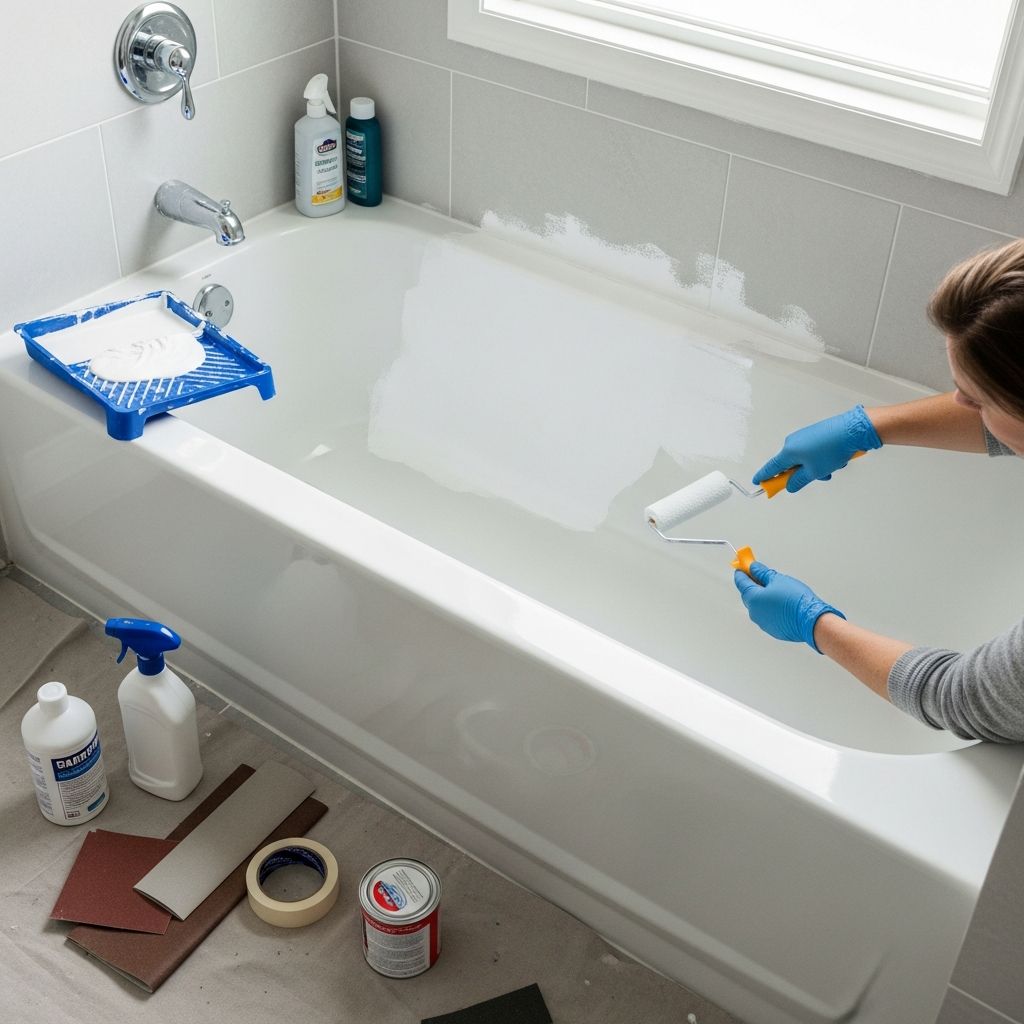
Can You Paint a Bathtub? Everything You Need to Know
Yes, you can paint a bathtub, and it’s one of the most cost-effective ways to transform a worn, stained, or outdated bathtub without the expense of replacement. Bathtub painting, also known as tub refinishing or reglazing, has become an increasingly popular DIY home improvement project that can breathe new life into bathroom spaces. Whether your tub has unsightly stains, chips, or simply an outdated color, a fresh coat of specialized tub paint can restore its appearance and functionality. This comprehensive guide will walk you through everything you need to know about painting your bathtub successfully.
Understanding Bathtub Paint Types
Not all paint is suitable for bathtubs. Regular interior paint will not withstand the constant moisture, temperature fluctuations, and physical wear that bathtubs endure. Specialized tub and tile refinishing paints are formulated with unique properties that make them ideal for bathroom applications.
There are two primary categories of bathtub paint: water-based and epoxy-based formulations. Water-based tub paints, such as those found in many DIY kits, offer lower VOC (volatile organic compound) emissions, making them safer for indoor use. Epoxy-based paints provide superior durability and moisture resistance, though they typically involve more complex application processes and may require an activator or hardener. Understanding the differences between these options will help you choose the right product for your specific needs and comfort level with application.
Key Advantages of Painting Your Bathtub
Bathtub painting offers numerous advantages over replacement:
– Cost-effective solution compared to tub replacement, which can cost thousands of dollars- Quick transformation that can be completed in a weekend- Environmentally friendly alternative to disposing of old tubs- Ability to change tub color without major renovations- Maintains existing plumbing and fixtures- Can extend the life of an older bathtub by several years
Preparation: The Most Critical Step
Proper preparation is absolutely essential for a successful bathtub painting project. The condition of your existing tub surface directly impacts how well the new paint adheres and how long it lasts. Taking time to prepare correctly will result in a professional-looking finish that withstands daily use.
Cleaning the Tub Surface
Begin by thoroughly cleaning your bathtub with a strong bathroom cleaner to remove soap scum, mildew, and mineral deposits. For stubborn stains or soap buildup, consider using a bathroom-specific cleaner or even a diluted bleach solution for severe mold or mildew. Rinse the tub completely with clean water and allow it to dry fully before proceeding. Any residual cleaning solution or moisture can compromise paint adhesion.
Sanding the Existing Surface
Sanding is crucial for creating a surface that the new paint can grip effectively. If your tub has a hard enamel or ceramic coating with a glossy finish, aggressive sanding is necessary. Start with medium-grit sandpaper (80 to 120 grit) to break through the gloss, then follow with fine-grit sandpaper (220 to 320 grit) to create a smooth, even surface. For bathtubs with existing damage, chips, or severe staining, you may need to spend extra time sanding these problem areas. The goal is to create a uniformly dull surface that promotes excellent paint adhesion. Scotch-Brite pads are also effective for this purpose and offer good control during the sanding process.
Filling Chips and Damage
If your tub has chips or cracks, these should be addressed before painting. Many tub refinishing kits include repair compounds or filler materials specifically designed for this purpose. Apply the filler according to the product instructions, allow it to cure fully, then sand it smooth so it’s flush with the surrounding surface. This extra step prevents paint from accumulating in damaged areas and ensures a uniform finish.
Masking and Protecting Areas
Before opening your paint, take time to mask off areas you don’t want painted. Use painter’s tape to protect trim, fixtures, tile, and any other surfaces around the tub. Lay down masking plastic or drop cloths to protect your bathroom floor and surrounding areas from paint splatter. Quality painter’s tape prevents paint bleeding and makes cleanup much easier afterward. Many professional-grade tub refinishing kits include masking materials for this exact purpose.
Selecting the Right Products
Popular Tub Paint Options
When selecting bathtub paint, you have several excellent options. DWIL Tub and Tile Refinishing Kit is a water-based, low-VOC option that comes complete with paint, hardener, foam roller, fine paintbrush, masking plastic, and tape. This kit offers excellent coverage and can typically be thinned with water if needed for a thinner consistency. The water-based formulation allows for easy cleanup and reduced fumes, making it ideal for DIYers who want a simpler application process.
Rust-oleum tub and tile refinishing products represent another popular choice. These typically involve a paint and activator system that offers different working times and requires careful attention during application. Rust-oleum products are known for their durability and superior moisture resistance, making them excellent for long-term protection. However, they may require more careful application technique and typically have longer curing times before the tub becomes water-ready.
Comparing Water-Based vs. Epoxy Formulations
| Characteristic | Water-Based Paint | Epoxy-Based Paint |
|---|---|---|
| VOC Levels | Low (safer indoor use) | Higher (requires ventilation) |
| Cleanup | Water (simple) | Solvent-based (complex) |
| Application Time | Longer working time | Shorter working window |
| Durability | Good (3-5 years) | Excellent (5-10 years) |
| Cost | Moderate | Higher |
| Drying Time | Moderate (days) | Longer (days to weeks) |
| Water-Ready Time | 3-7 days | 5-14 days |
Application Techniques for Best Results
Mixing and Preparation
Before opening your paint, carefully read all manufacturer instructions. Some products require mixing with a hardener or activator, which initiates a chemical curing process. Mix thoroughly using the provided stir stick, and pay attention to any specific mixing ratios or timing requirements. Allow the mixed paint to settle for a few minutes before beginning application, which helps release any air bubbles.
Application Method
Most tub refinishing kits come with both a foam roller and a fine paintbrush. The foam roller is ideal for covering large, flat surfaces efficiently, while the brush is perfect for edges, corners, and detailed areas. Begin by using the brush to cut in along the edges of the tub, around fixtures, and in corners. Then use the foam roller for the main tub surfaces, working in manageable sections and maintaining wet edges to prevent visible seams in your finished coat.
Number of Coats Required
Most projects require two to three coats of paint for adequate coverage and durability. The number of coats depends on the existing tub color, the new color you’re applying, and the specific paint product being used. Painting over a darker tub color with white paint typically requires three coats. Allow proper drying time between coats as specified by the manufacturer—typically one to two hours for water-based paints and several hours for epoxy-based products. Applying additional coats too quickly can result in uneven color or texture.
Avoiding Common Application Mistakes
One common issue is applying paint too thickly, which can lead to sags, drips, and an uneven finish. Apply thin, even coats rather than trying to achieve full coverage with one heavy coat. If you notice thin areas or light spots in coverage, these will be addressed with subsequent coats. Another mistake is failing to maintain wet edges, which can create visible lines where one section of paint dries before the next section is applied. Work methodically and maintain consistent overlap between sections.
Drying and Curing Times
Understanding the difference between “dry to the touch” and “water-ready” is essential for successful bathtub painting. A newly painted tub may feel dry to the touch within a few hours, but this doesn’t mean it’s ready for water exposure. Water-based tub paints typically require three to seven days before the tub becomes water-ready, while epoxy-based products may need five to fourteen days. Full curing, where the paint reaches maximum hardness and scratch resistance, can take even longer. Consult your specific product instructions for exact timing and do not use the tub before the recommended water-ready time has elapsed, as premature water exposure can damage the finish.
Maintenance and Longevity
A properly applied and cured bathtub paint job will typically last three to ten years depending on the product used, frequency of use, and maintenance practices. To extend the life of your refinished tub, avoid using abrasive scrubbers or harsh chemicals. Instead, clean regularly with gentle bathroom cleaners and soft cloths. Avoid allowing standing water to sit in the tub for extended periods, and wipe down the tub after each use to minimize moisture exposure. These simple practices will help preserve your newly painted finish and maximize your investment.
Frequently Asked Questions
Q: How long does it take to paint a bathtub?
A: The actual painting process typically takes one to two hours, but the complete project including preparation, cleaning, sanding, and application spans an entire weekend. Full curing requires additional days before the tub becomes water-ready.
Q: Can I paint over existing tub paint?
A: Yes, you can paint over existing tub paint, but proper preparation is essential. Sand the surface thoroughly to promote adhesion, clean completely, and ensure the underlying paint is in good condition without major peeling or damage.
Q: What if my bathtub has a dark color? Will I need more coats?
A: Yes, covering a dark-colored tub with a lighter color typically requires three coats of paint to achieve uniform coverage and avoid color showing through from underneath.
Q: Is bathtub painting safe in terms of fumes?
A: Water-based tub paints are low-VOC and produce minimal fumes, making them safe for indoor use. However, ensure adequate ventilation by opening windows and using exhaust fans. Epoxy-based products produce stronger fumes and require more intensive ventilation.
Q: How do I know when my tub is ready for water?
A: Refer to your paint product’s instructions for specific water-ready times. Generally, water-based products need 3-7 days and epoxy products need 5-14 days. Do not use the tub before this time has elapsed.
References
- Bathtub Refinishing and Coating: Application Methods and Standards — The Surfaces & Coatings Technology Council. 2024. https://www.sctc.org
- Low-VOC Coatings and Indoor Air Quality — U.S. Environmental Protection Agency. 2024. https://www.epa.gov/indoor-air-quality-iaq
- Paint Preparation and Surface Treatment: Best Practices Guide — National Association of Home Builders. 2023. https://www.nahb.org
Similar Articles







Read full bio of medha deb