Can You Paint Trex Decking? Complete Guide
Learn whether painting Trex composite decking is possible and discover best practices for deck maintenance.
Trex composite decking has become increasingly popular among homeowners seeking a low-maintenance alternative to traditional wood decking. Composed of wood fibers and plastic, composite decking offers durability, resistance to rot and insects, and minimal upkeep requirements. However, as composite decks age, homeowners often wonder whether they can refresh their outdoor space by painting the surface. This comprehensive guide explores whether painting Trex decking is feasible, what manufacturers recommend, and what alternatives exist for revitalizing your composite deck.
Understanding Trex Composite Decking
Before addressing whether you can paint Trex decking, it’s important to understand what composite decking actually is. Trex is manufactured from a combination of wood fibers and recycled plastic, creating a material that combines the aesthetic appeal of wood with the durability of plastic. This composition provides several advantages over traditional wood decking, including resistance to warping, fading, staining, and pest damage.
The surface of Trex composite decking is designed with a protective cap layer that provides color protection and weathering resistance. This special coating is engineered to maintain its appearance over time and is one of the key features that distinguishes composite decking from wood alternatives. Understanding this structure is crucial when considering whether paint can adhere properly to the surface.
Can You Paint Trex Decking?
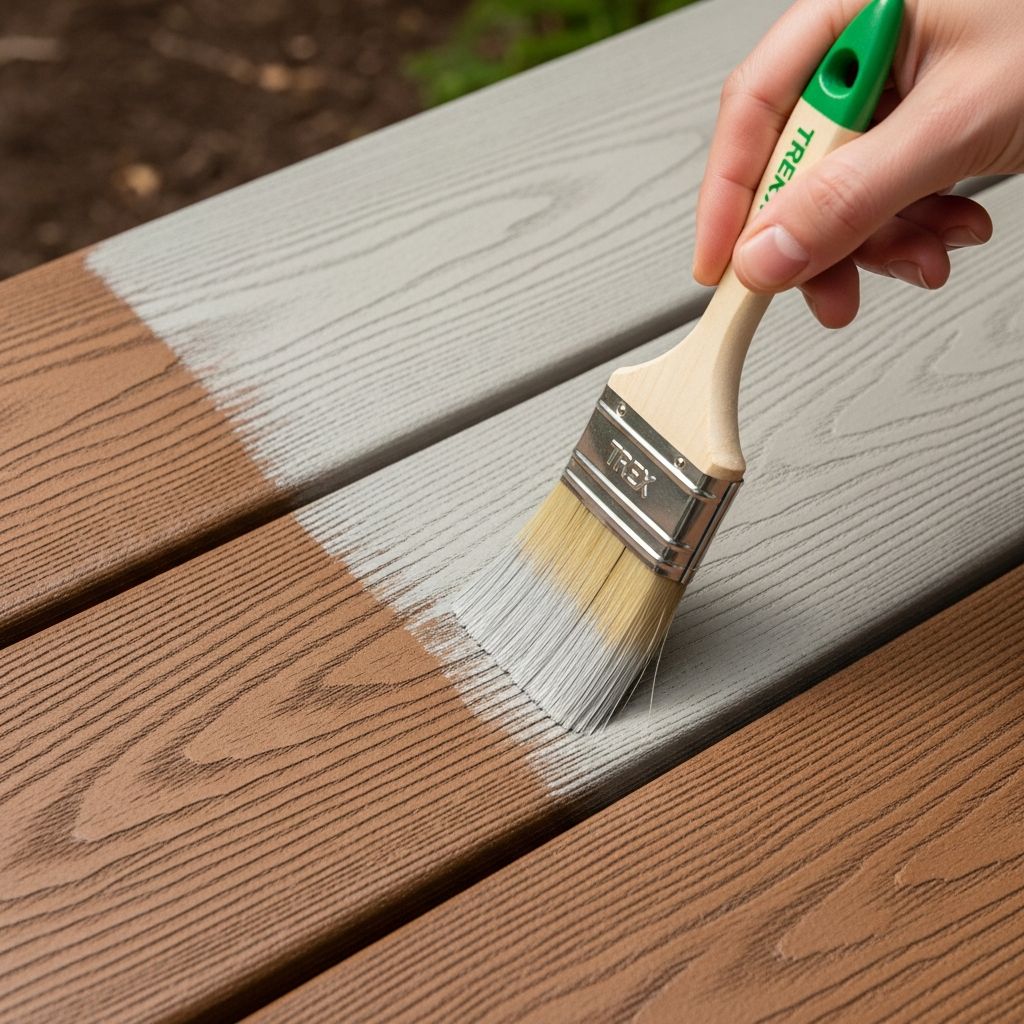
The straightforward answer is: technically yes, you can paint Trex decking, but the manufacturer does not recommend it. Trex explicitly advises against painting their composite products for several important reasons. The company’s official stance is based on the material’s engineered composition and protective features that make paint application problematic and potentially harmful to the deck’s performance.
When paint is applied to composite decking, several issues can arise. The paint may not adhere properly to the plastic-composite surface, leading to peeling, bubbling, and premature failure. Additionally, paint creates a barrier that can trap moisture within the material, potentially causing expansion, warping, and long-term structural damage. The protective cap layer of Trex is specifically designed to shed water and resist environmental damage, and covering it with paint interferes with these built-in protective mechanisms.
Why Manufacturers Don’t Recommend Painting
- Adhesion Issues: Paint struggles to adhere to composite’s plastic-based surface, unlike the porous nature of wood.
- Moisture Trapping: Paint creates an impermeable layer that prevents proper moisture evaporation, causing damage over time.
- Warranty Voidance: Painting your Trex deck may void the manufacturer’s warranty, leaving you without coverage for defects.
- Accelerated Wear: The protective cap layer is designed to weather naturally; paint interferes with this process and degrades faster.
- Expense and Maintenance: Regular repainting becomes necessary, negating the low-maintenance benefits of composite decking.
What Happens When Paint Is Applied to Composite Decking
Understanding the practical consequences of painting composite decking helps explain why manufacturers advise against it. When homeowners attempt to paint Trex, several predictable problems typically emerge. Because composite material has a smooth, non-porous surface designed to resist staining and moisture, paint cannot create a strong mechanical bond with it. This means that even high-quality exterior paint designed for outdoor surfaces will gradually separate from the composite material.
As weather exposure continues, the painted surface experiences thermal expansion and contraction cycles. Temperature fluctuations cause the composite material to expand and contract beneath the paint layer. This differential movement creates stress between the paint film and the deck surface, leading to cracking, peeling, and bubbling. Additionally, the moisture-trapping effect of paint creates conditions where water becomes trapped between the paint and the composite, potentially causing swelling and delamination of the protective cap layer.
The investment in painting also requires ongoing maintenance. Unlike natural weathering of composite decking, which occurs gradually and predictably, painted composite decking requires regular touch-ups and repainting every few years. This transforms a low-maintenance composite deck into a high-maintenance surface, defeating one of the primary reasons homeowners choose composite materials in the first place.
Warranty Implications
One critical consideration when contemplating painting Trex decking is the impact on your product warranty. Trex typically provides comprehensive warranties covering material defects, fading, and structural integrity. However, painting or otherwise modifying the deck surface often voids these warranties. If you paint your Trex deck and subsequently experience problems—whether caused by the paint or unrelated issues—you may find yourself without manufacturer support or coverage for repairs.
Before applying any coating to your composite deck, carefully review your warranty documentation or contact Trex directly to understand the specific implications for your deck. The cost of repairing or replacing sections of composite decking can be substantial, making warranty coverage valuable insurance against unexpected problems.
Best Alternatives to Painting Trex Decking
Rather than painting, several effective alternatives exist for refreshing the appearance of aging composite decking or addressing aesthetic concerns. These options work with the deck’s engineered properties rather than against them.
Cleaning and Maintenance
Often, what appears to be fading or discoloration is simply accumulated dirt, mildew, and algae. Regular cleaning can dramatically restore the original appearance of composite decking. Use a garden hose with a soft-bristled brush, or consider hiring a professional deck cleaning service. For stubborn stains, mild soap solutions work effectively. Avoid high-pressure washing, which can damage the protective cap layer.
Composite Deck Stains and Sealers
Some manufacturers offer semi-transparent stains and sealers specifically formulated for composite decking. Unlike paint, these products are designed to work with the deck’s properties rather than create an impermeable barrier. These specialized coatings can provide color enhancement while maintaining breathability. Always verify that any product you consider using is approved by the deck’s manufacturer.
Deck Restoration Products
Specialized composite deck restoration products have been developed to address fading, color variation, and minor surface wear. These products typically involve application of a thin protective layer that enhances appearance without creating the adhesion and moisture problems associated with traditional paint.
Selective Board Replacement
For severely faded or stained sections, selective replacement of individual boards offers a practical solution. Rather than addressing the entire deck, you can replace the most visibly worn areas while maintaining the integrity of the overall structure. This approach is more cost-effective than full restoration and preserves the warranty on new boards.
Color Variation and Natural Weathering
It’s important to understand that composite decking naturally weathers and changes color over time. This patina is a normal characteristic of the material and actually indicates that the protective cap layer is functioning as designed. Many homeowners come to appreciate this natural weathering as part of the deck’s character.
Professional Cleaning Services
If you’re dissatisfied with your deck’s current appearance, a professional cleaning by experienced deck maintenance specialists often produces remarkable results. These professionals have access to specialized equipment, biodegradable cleaning solutions, and expertise in caring for composite materials. They understand how to remove years of accumulated grime, algae, and staining without damaging the protective surface layer.
Professional cleaning typically costs significantly less than painting and can extend the attractive appearance of your deck for several more years. Many homeowners are surprised at how dramatically a thorough professional cleaning can rejuvenate their composite deck’s appearance.
DIY Cleaning Methods for Composite Decking
If you prefer to address cleaning yourself, several safe and effective methods exist for maintaining composite decking:
- Regular Sweeping: Remove debris, leaves, and dirt regularly to prevent staining and mold growth.
- Garden Hose Rinse: Use standard water pressure (not high-pressure) to rinse the deck surface regularly.
- Soft Brush Scrubbing: Use soft-bristled brushes with mild soap solutions to address stubborn stains.
- Biodegradable Cleaners: Select environmentally friendly cleaning products specifically approved for composite materials.
- Mild Vinegar Solution: A mixture of vinegar and water can address mildew and algae without harsh chemicals.
- Oxygen-Based Cleaners: These eco-friendly options effectively remove stains without damaging the protective layer.
When to Consider Deck Replacement
While composite decking is exceptionally durable, there may come a time when replacement makes more sense than restoration efforts. If your deck is significantly aged, has visible structural damage, or you’re looking for a dramatically different aesthetic, replacement might be more practical than attempting restoration through painting or other methods.
Modern composite decking options now include numerous color choices and finishes that weren’t available when your existing deck was installed. If you’re considering replacement, you can select from contemporary color palettes and textures to achieve the look you desire without the problems associated with painting.
Frequently Asked Questions
Q: Will painting my Trex deck void the warranty?
A: Yes, painting typically voids the manufacturer’s warranty. Trex specifically advises against painting and considers it unauthorized modification. Review your warranty documentation or contact Trex directly to confirm the specific implications for your deck.
Q: Can I use deck stain instead of paint on composite decking?
A: Traditional wood stains are not recommended for composite decking. However, some manufacturers offer specialized products formulated specifically for composite materials. Always verify that any coating is approved by your deck’s manufacturer before application.
Q: How often does composite decking need cleaning?
A: Regular sweeping and occasional rinsing with a garden hose should occur monthly or as needed based on debris accumulation. More thorough cleaning with soft brushes and mild soap can be done annually or when staining becomes visible.
Q: Is there anything I can apply to composite decking to change its color?
A: Some manufacturer-approved restoration products can provide subtle color enhancement. Additionally, professional cleaning often dramatically improves appearance. Avoid unapproved products that may damage the protective cap layer.
Q: What’s the best way to remove tough stains from composite decking?
A: Use oxygen-based cleaners or mild vinegar solutions with soft-bristled brushes. For severe staining, professional deck cleaning services have specialized equipment and expertise. Avoid high-pressure washing, which can damage the surface.
Q: How long does composite decking typically last?
A: Quality composite decking like Trex typically lasts 20-30 years or longer with proper maintenance. The protective cap layer is engineered to provide decades of weather resistance and durability.
References
- Trex Company Official Product Care Guide — Trex Company, Inc. 2024. https://www.trex.com
- Composite Decking Maintenance and Care Best Practices — The Composite Panel Association. 2023. https://www.compositepanels.org
- Understanding Composite Deck Material Properties and Durability — Journal of Building Construction and Planning Research, 2023. https://doi.org/10.1016/j.conbuildmat.2023.01.047
- Wood-Plastic Composite Materials: Manufacturing, Properties, and Applications — Elsevier Materials Science and Engineering Database, 2023. https://www.elsevier.com
- Exterior Coating Performance on Composite Materials Study — American Society of Testing and Materials (ASTM), 2022. https://www.astm.org
Similar Articles








Read full bio of Sneha Tete