Can You Put Polyurethane Over Paint? A Complete Step-by-Step Guide
Learn when and how to apply polyurethane over painted surfaces for a durable, long-lasting finish.
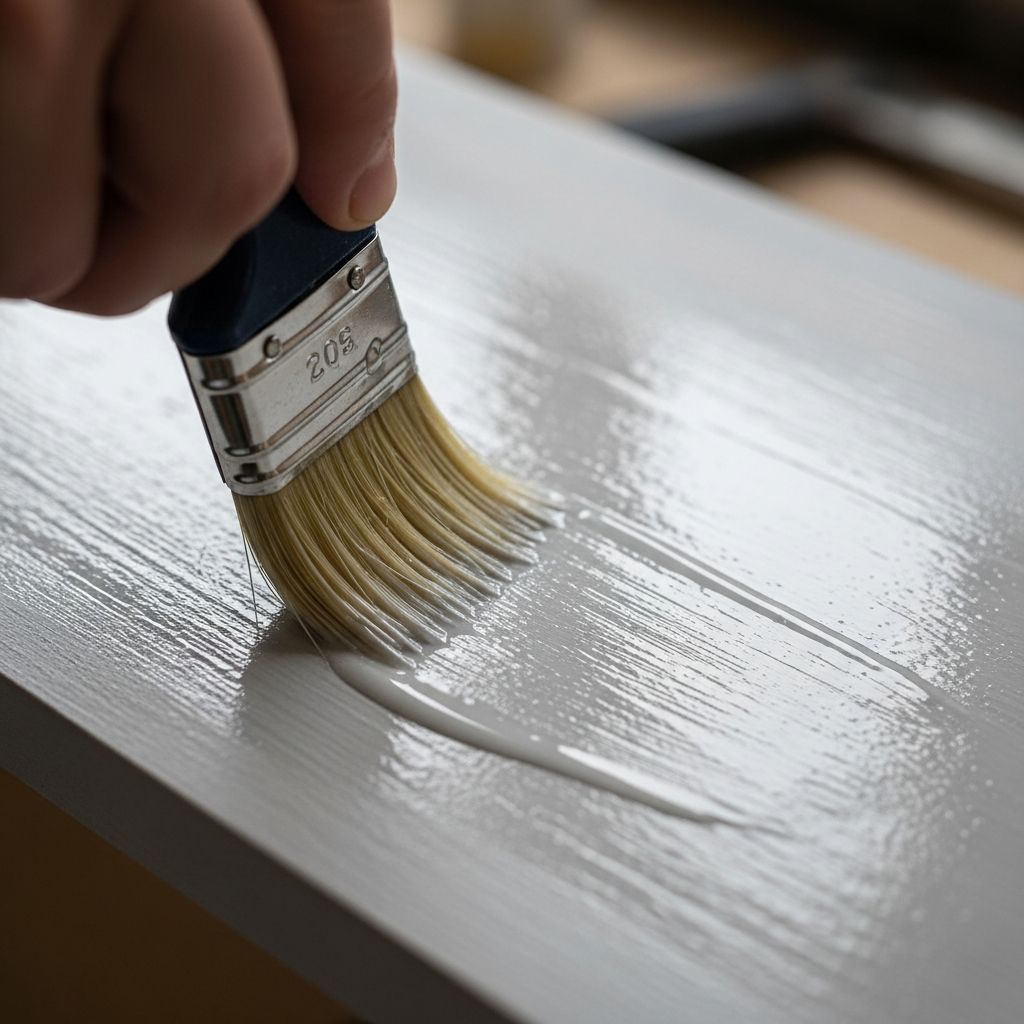
Applying polyurethane over paint is a common way to add durability, stain resistance, and a professional-looking finish to painted wood and other surfaces. While it is possible and often recommended, success depends on choosing the right product and following proper preparation and application techniques.
This guide explains when polyurethane can go over paint, which types work best, how to prepare and coat the surface, and how to avoid peeling, yellowing, or brush marks. It also includes practical tips, tables, and FAQs to help you get a long-lasting, attractive finish.
What Is Polyurethane and Why Use It Over Paint?
Polyurethane is a clear protective finish that cures into a hard, durable coating, commonly used over stained or bare wood but also suitable for painted surfaces in many cases. It protects against scratches, moisture, stains, and everyday wear, extending the life of the underlying paint.
- Forms a tough, protective film that resists abrasion and minor impacts.
- Helps painted surfaces stand up to repeated cleaning and contact with liquids.
- Available in different sheens such as matte, satin, semi-gloss, and gloss to control final appearance.
On painted furniture, cabinets, trim, and doors, polyurethane can help prevent chipping and scuffing while delivering a more refined, finished look. It is especially useful in high-traffic or high-moisture spaces like kitchens, bathrooms, entries, and kids’ rooms.
Can You Put Polyurethane Over Any Paint?
Polyurethane can go over most fully cured, high-quality paints, but compatibility and preparation are critical. Not all paints, sheens, or existing coatings respond the same way, so it is important to understand the basic rules before coating a large surface.
Key Compatibility Considerations
- Paint type: Works best over standard interior or exterior latex (water-based) and oil-based enamels when fully cured.
- Surface sheen: Glossy paint needs to be de-glossed or lightly sanded to ensure the polyurethane can adhere properly.
- Existing finish: Old wax, furniture polish, or contamination can cause adhesion failures and must be removed.
Specialty paints such as chalk paint, milk paint, or certain epoxy and high-performance coatings may accept polyurethane, but often have their own recommended topcoats. Always check the paint manufacturer’s instructions and perform a test in an inconspicuous area before committing.
Water-Based Paint vs Oil-Based Paint Under Polyurethane
Polyurethane can be used over both water-based and oil-based paint, but the underlying type influences which polyurethane is safest and how the final finish will look. Oil-based paints typically provide a harder base, while water-based latex paints are more flexible and may require gentle sanding and careful application.
| Paint Type | Recommended Polyurethane | Main Benefits | Potential Issues |
|---|---|---|---|
| Water-based latex (eggshell/satin) | Water-based polyurethane | Low odor, fast drying, minimal yellowing | Requires light sanding for good adhesion |
| Water-based latex (high-gloss) | Water-based polyurethane after de-glossing | Clear protective layer over shiny surface | Peeling risk if not de-glossed or sanded |
| Oil-based enamel | Oil-based or water-based polyurethane | Very durable base with tough topcoat | Longer cure time & possible yellowing with oil-based products |
| Chalk paint | Water-based polyurethane (thin coats) | More durable than wax on high-use items | Can alter the soft, matte look and emphasize brush strokes |
Types of Polyurethane to Use Over Paint
Choosing the right polyurethane is one of the most important decisions for a successful project. Polyurethane is available in both oil-based and water-based formulas, each with particular strengths and trade-offs, and comes in finishes from matte to high gloss.
Oil-Based vs Water-Based Polyurethane
- Oil-based polyurethane: Very durable, levels well, and adds a warm, amber tone that can deepen the color of light paints. However, it has stronger odor, longer drying time, and a higher tendency to yellow over time, especially over white or very light colors.
- Water-based polyurethane: Dries quickly, has low odor, and remains much clearer, making it generally better over white and light-colored paints. It may raise the grain slightly on raw wood, but that is not a concern when going over paint.
For most painted surfaces, especially white or pastel colors, a high-quality water-based polyurethane is usually the safer and more visually stable choice. Oil-based polyurethane is typically reserved for deeper colors, darker paints, or when a warm amber cast is desired.
Sheen Options: Matte to Gloss
Polyurethane is available in matte, satin, semi-gloss, and gloss, and the sheen you choose will significantly influence the final appearance of the painted surface.
- Matte: Low reflection with a soft, natural look; good for hiding minor surface imperfections.
- Satin: Gentle sheen that is easy to live with; popular for furniture, trim, and cabinets.
- Semi-gloss and gloss: High shine that reflects more light and shows off color depth but also reveals defects more easily.
When Should You Use Polyurethane Over Paint?
Polyurethane is most useful when the painted surface will experience frequent contact, friction, or cleaning. In these situations, the clear topcoat helps keep the paint from wearing through, scuffing, or absorbing stains too quickly.
- Painted tabletops, desks, and nightstands that see daily use.
- Kitchen cabinets, bathroom vanities, and built-ins that are often wiped or cleaned.
- Doors, trim, baseboards, and stair parts exposed to bumps and shoe scuffs.
- Kids’ furniture, toy chests, and other pieces that endure heavy handling.
In low-traffic walls or purely decorative items, polyurethane may not be necessary, especially if the paint is already a durable enamel. In those cases, another topcoat adds work and cost with minimal practical benefit.
How Long Should Paint Dry Before Applying Polyurethane?
One of the most important factors is ensuring the paint is not only dry to the touch but fully cured. Surface dryness is not enough; uncured paint trapped under a non-breathable film can wrinkle, soften, or cause adhesion problems.
- Most latex paints need at least several days, and often up to 2–4 weeks, to fully cure depending on temperature, humidity, and film thickness.
- Oil-based enamels typically require more time, and manufacturer recommendations should always guide your schedule.
As a general rule, waiting at least one to two weeks for latex and following the specific label instructions gives the best odds of a trouble-free topcoat. When in doubt, waiting longer is safer than rushing.
Surface Preparation: The Key to Good Adhesion
Even the best polyurethane will fail if the surface beneath it is dirty, slick, or contaminated. Proper preparation ensures the clear coat bonds to the paint rather than peeling or flaking off under light pressure.
Cleaning the Painted Surface
- Wipe away dust and loose debris with a soft cloth or vacuum with a brush attachment.
- Wash the surface with a mild degreasing cleaner or a diluted solution of detergent and water, then rinse with clean water.
- Remove any wax, oil, or silicone-based products, which can prevent adhesion and cause fisheyes or bare spots.
Allow the cleaned surface to dry completely before moving on to sanding or de-glossing. Even a thin film of moisture trapped under polyurethane can interfere with drying and bonding.
Scuff-Sanding and De-Glossing
Because polyurethane likes a slightly rough, mechanical tooth to grip, a glossy painted surface should be dulled before coating. Skipping this step is a common cause of peeling, especially on slick enamel or high-gloss latex.
- Use fine-grit sandpaper, typically 220-grit, to scuff-sand the entire surface lightly.
- Sand by hand with a sanding sponge or wrapped block to maintain even pressure and avoid gouging edges.
- Wipe off sanding dust thoroughly with a damp cloth or tack cloth before applying poly.
Chemical de-glossers are also available and can be useful on intricate profiles where sanding is difficult, but they must be used exactly as directed and allowed to dry fully before applying polyurethane.
Step-by-Step: How to Apply Polyurethane Over Paint
A careful, layered approach produces a smoother and more durable finish than a single thick coat. Thin coats, proper drying time, and light sanding between coats are standard practice for professional-looking results.
Tools and Materials
- Chosen polyurethane (water-based or oil-based, desired sheen)
- High-quality synthetic-bristle brush (for water-based) or natural-bristle brush (for oil-based)
- Foam brush or small roller (optional for flat surfaces)
- 220–320-grit sandpaper or sanding sponge
- Clean rags or tack cloth
- Drop cloths and painter’s tape for surrounding areas
Application Steps
- Stir the polyurethane. Gently stir the product with a clean stick, avoiding vigorous shaking, which can introduce bubbles into the finish.
- Apply the first coat thinly. Using a suitable brush, apply a light, even coat in long strokes, following the grain direction on wood pieces where visible through the paint.
- Maintain a wet edge. Work systematically across the surface to avoid lap marks and visible overlaps as the finish begins to set.
- Allow proper drying time. Follow label instructions for drying, which may range from a couple of hours for water-based products to much longer for oil-based versions.
- Lightly sand between coats. Once dry, sand lightly with fine-grit paper to remove dust nibs and minor imperfections, then wipe away all dust.
- Apply additional coats. Repeat the application and sanding process for two to three total coats, or more if the surface will undergo heavy wear.
Resist the temptation to apply thick coats, which are more likely to drip, run, or dry with uneven texture. Multiple thin layers build a stronger and more attractive finish than a single heavy one.
Common Problems and How to Avoid Them
Even with careful work, issues like bubbles, brush marks, or yellowing can appear. Understanding why these problems occur makes it easier to prevent them or correct them on subsequent coats.
Bubbles and Brush Marks
- Bubbles: Caused by over-brushing, shaking the can, or using foam rollers too aggressively. Stir gently, apply with smooth strokes, and avoid going back over areas that have started to set.
- Brush marks: Often result from thick product, poor-quality brushes, or working in very warm, dry air where the finish skins quickly. Thinning slightly according to manufacturer directions and using a better brush can improve leveling.
Peeling, Flaking, or Poor Adhesion
Peeling almost always indicates that something prevented the polyurethane from bonding well to the paint. Common culprits include insufficient curing time, inadequate cleaning, or a glossy surface that was not de-glossed.
- If peeling occurs, the affected area usually needs to be sanded back to sound paint or bare material before re-priming and repainting.
- Ensuring the paint is fully cured, the surface is oil- and wax-free, and sanding is thorough usually prevents repeat problems.
Yellowing Over Light Colors
Yellowing is primarily a concern with oil-based polyurethane over white or very light-colored paint. Over time, the amber cast can become more pronounced, changing the appearance of the piece.
- To minimize yellowing, choose a high-quality water-based polyurethane marketed as crystal clear or non-yellowing.
- Reserve oil-based products for darker colors or projects where a warm tone is desired and slight color shift is acceptable.
Where Polyurethane Over Paint Works Best
Some projects benefit more than others from the added protection of polyurethane, especially where friction and repeated use are inevitable. Targeting those areas maximizes the return on time and materials.
- Furniture: Tables, dressers, chairs, bookshelves, and cabinets exposed to daily handling.
- Trim and doors: Baseboards, casings, and doors that frequently encounter shoes, vacuums, or bumps.
- Built-ins: Bench seats, window seats, and mudroom storage systems.
On expansive wall surfaces, the effect of polyurethane is mostly visual and may not justify the extra work unless the space calls for a unique finish or increased washability beyond what the paint already provides.
Basic Safety and Ventilation Tips
Although many modern polyurethanes, especially water-based versions, are lower in odor and volatile organic compounds than older formulas, it is still wise to take basic safety precautions. Good ventilation and personal protection make the process more comfortable and safer.
- Work in a well-ventilated area and open windows or use fans to move fresh air through the space.
- Wear appropriate safety gear such as eye protection and, for oil-based products, a suitable respirator if recommended by the label.
- Store rags used with oil-based polyurethane according to safety guidelines to avoid spontaneous combustion risks.
FAQs About Polyurethane Over Paint
1. Do I really need polyurethane over durable paint?
Polyurethane is not mandatory for every painted surface, especially walls coated with high-quality washable paint. It becomes most valuable on high-use surfaces like furniture, cabinets, and trim where the added layer significantly extends the life and appearance of the paint.
2. How many coats of polyurethane should I apply over paint?
Two to three thin coats are typically recommended for most furniture and trim projects, with light sanding between coats. Heavily used surfaces such as tabletops can benefit from an extra coat for added protection.
3. Can I use spray polyurethane over paint?
Yes, spray polyurethane is an option and can provide a smoother finish on complex shapes or detailed trim. The same preparation rules apply, and it is better to use several light passes than a single heavy coat to avoid runs and sags.
4. Will polyurethane change the color or sheen of my paint?
Clear polyurethane does not radically change the underlying color, but oil-based products can add a warm tint, especially noticeable on light shades. Any polyurethane will alter the sheen according to its own finish, so a matte paint topped with gloss poly, for example, will end up glossy.
5. Can I put water-based polyurethane over oil-based paint?
It is generally possible to use water-based polyurethane over fully cured oil-based paint if the surface is properly cleaned and lightly sanded first. Always check the label of both products and test in a small area to confirm compatibility and adhesion.
6. How do I fix drips or runs in polyurethane over paint?
Allow the finish to cure fully, then sand the affected area flat with fine-grit sandpaper, feathering into surrounding regions. After removing dust, apply a new thin coat of polyurethane to blend the repair into the rest of the surface.
Final Thoughts
Polyurethane can be an excellent upgrade for painted surfaces, offering extra durability and a refined look when applied correctly. By choosing the right type of polyurethane, allowing the paint to cure fully, preparing the surface carefully, and applying multiple thin coats, it is possible to achieve a professional finish that withstands everyday wear and tear.
Before starting a full project, always test your chosen polyurethane on a small, hidden section of the painted piece. This simple step confirms compatibility, sheen, and color effect, helping ensure that the final result meets your expectations and performs well over time.
Similar Articles




Read full bio of medha deb