Can You Wash a Weighted Blanket in the Washing Machine?
Learn the safe and proper methods for washing your weighted blanket at home or professionally.
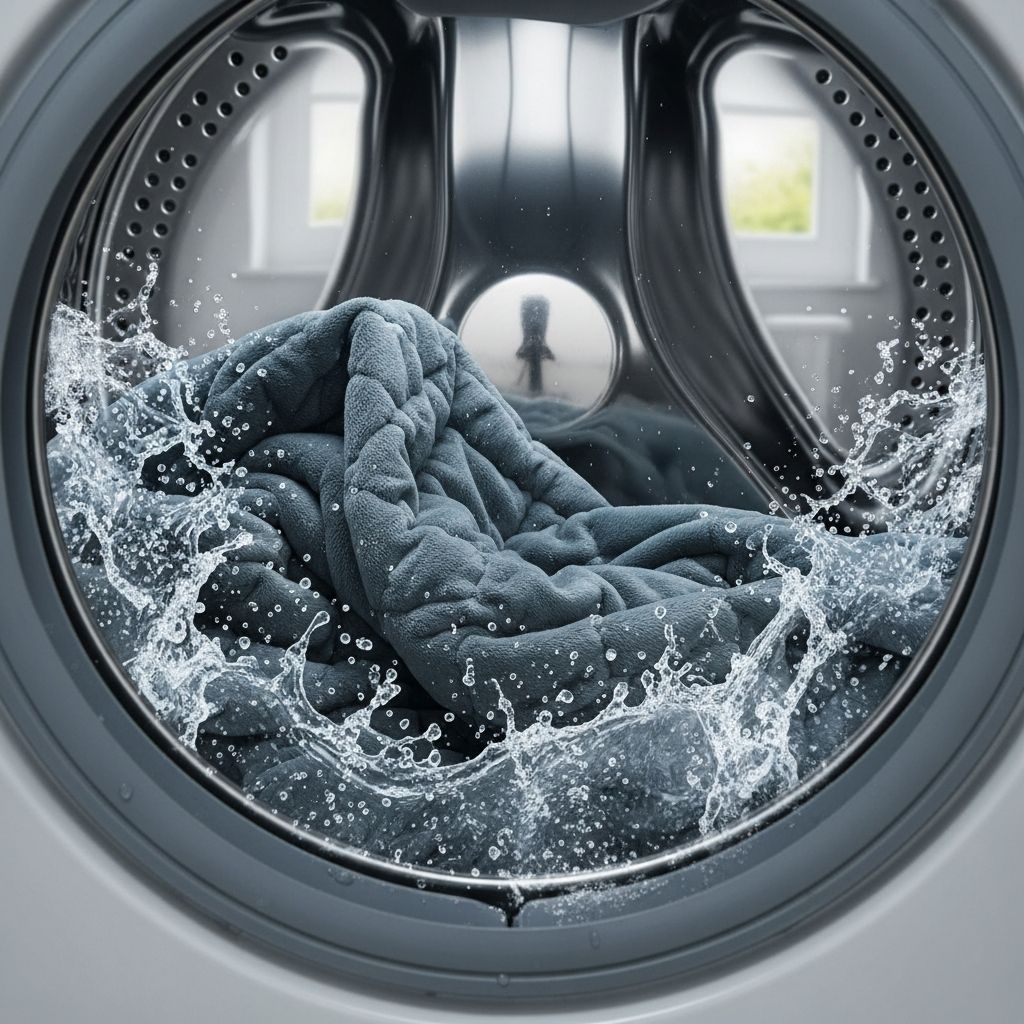
Weighted blankets have become increasingly popular for their therapeutic benefits, helping people achieve better sleep and relaxation. However, caring for these specialized bedding items requires more attention than washing regular blankets. Many people wonder whether their weighted blanket can handle a trip through the washing machine, and the answer is: it depends. Understanding the specific care requirements of your weighted blanket is essential to keeping it clean, fresh, and in good condition for years to come.
Check the Care Label First
Before attempting to wash your weighted blanket, the most critical step is to examine the care label attached to your blanket. This label contains essential information about the blanket’s construction, materials, and recommended cleaning methods. The care label will indicate whether your blanket is machine washable, requires spot cleaning only, or needs professional dry cleaning. Different weighted blankets have varying compositions and fabric types, which directly influence how they should be cleaned.
The care label codes provide straightforward guidance on how to proceed with cleaning:
| Label Indication | What It Means |
|---|---|
| Machine washable | Use cold water on a gentle cycle with mild detergent |
| Spot clean only | Clean visible stains with a damp cloth and gentle soap |
| Dry clean only | Leave cleaning to professional dry cleaners |
Understanding Weighted Blanket Construction
Weighted blankets are constructed differently than standard bedding, which affects how they should be cleaned. Most modern weighted blankets are filled with glass beads, steel shot, or plastic poly pellets contained within the fabric layers. The outer covering can be made from various materials including cotton, fleece, linen, or polyester. The combination of weight material and fabric type determines whether machine washing is safe.
Different filling materials present unique challenges when washing. For instance, weighted blankets loaded with steel shot beads are generally incompatible with standard washing machines. These heavy beads can tear the fabric and potentially leak inside the machine, causing damage. Blankets filled with plastic beads also present challenges during machine washing, requiring careful handling and gentle settings. Glass beads, on the other hand, typically fare better in commercial washing machines when the blanket is handled correctly.
Weight Considerations
The weight of your blanket is perhaps the most important factor in determining whether it’s suitable for home machine washing. Most experts recommend not washing weighted blankets heavier than 15 pounds in a standard home washing machine. While some modern extra-large home washers and dryers can handle mixed loads of 22 to 24 pounds, a solid mass of a single 20-pound item can put undue strain on your machine.
When a weighted blanket is placed in a washing machine, its concentrated mass creates pressure and stress on the appliance’s components. This can lead to machine malfunctions, odd noises during the spin cycle, and potential damage. Commercial washing machines, designed to handle heavier loads, are generally better equipped to manage blankets weighing more than 15 pounds.
For blankets weighing 20 pounds or less, a commercial washing machine using cold water and avoiding bleach or fabric softener can typically clean them effectively. If your blanket is particularly large or heavy, using a commercial laundry service is the safer choice.
Proper Machine Washing Technique
If your weighted blanket’s care label indicates it’s machine washable and weighs 15 pounds or less, follow these steps for safe cleaning:
Step 1: Prepare Your Washing Machine
Use a large-capacity front-loading washer whenever possible. Front-loaders are gentler on fabrics and distribute weight more evenly than top-loading machines. Ensure your machine can accommodate the blanket’s size and that the blanket can move freely during the wash cycle. If you must force the blanket to fit, it’s better to use a commercial machine.
Step 2: Check Your Detergent
Use only mild, fragrance-free detergents specifically designed for delicate fabrics. Avoid heavy detergents, bleach, and fabric softeners, as these can break down the blanket’s fabric and filling over time. Harsh chemicals can compromise the integrity of both the outer cover and the internal structure of your blanket. Use the minimum amount of detergent necessary for effective cleaning.
Step 3: Select Proper Water Temperature and Cycle
Always use cold water when washing your weighted blanket. Hot water can shrink or weaken the fabric, particularly for cotton or minky covers. Select the gentle or delicate cycle on your washing machine to minimize stress on the blanket. Additionally, select the lowest spin speed available, as the extra weight of the blanket during high-speed spinning can stress your machine.
Step 4: Balance Your Load
For top-loading washers with an agitator, ensure the blanket’s weight is evenly distributed throughout the machine to keep it balanced. You may need to pause the wash cycle periodically to reposition the blanket if the machine begins to rock or become unbalanced.
Step 5: Load the Blanket Into the Dryer
Weighted blankets don’t absorb much water, making air drying the highly recommended option. However, if you must use a machine dryer, use only low heat or the air dry setting. Place the blanket alone in the dryer with plenty of tumbling room. Empty the dryer’s lint trap before starting to ensure efficient drying. For even distribution of the filling during drying, add a few clean tennis balls to the dryer to help keep the beads or pellets evenly dispersed throughout the blanket.
Step 6: Select a Low Heat Dry Setting
Set the dryer to a low heat or air dry setting to prevent overheating of the blanket. High heat can damage the filling material or fabric, potentially compromising the blanket’s effectiveness and lifespan.
Common Cleaning Mistakes to Avoid
Many well-intentioned people inadvertently damage their weighted blankets by treating them like regular bedding. Understanding these common mistakes can help you preserve your investment:
Using Hot Water
Hot water can shrink or weaken fabric, especially cotton or minky covers. Always stick with cold water to maintain the blanket’s integrity and appearance.
Applying Harsh Detergents or Fabric Softeners
Heavy detergents and fabric softeners break down the fabric and filling over time. Fabric softeners are particularly problematic as they alter the structure of weighted blankets, making them rigid and scratchy. Stick exclusively to mild, fragrance-free detergents.
Overloading the Machine
Weighted blankets can weigh between 10 to 25 pounds, representing a significant load for a standard home washer. Overloading can cause machine strain and result in uneven washing, leaving some areas of the blanket inadequately cleaned.
Using High Heat When Drying
High heat in the dryer can damage both the filling material and outer fabric. This common mistake can significantly reduce the lifespan of your weighted blanket.
When to Seek Professional Cleaning
Professional cleaning services are the best option in several scenarios. If your weighted blanket weighs more than 15 pounds, has delicate or specialty materials like silk or wool, requires dry cleaning according to the care label, or feels too large for your home washer or dryer, professional cleaning is recommended.
Professional laundry services understand the specific requirements of weighted blankets and have commercial-grade machines designed to handle their weight and bulk. Many wash and fold services include cover cleaning as part of their service, ensuring your entire bedding setup is fresh and ready for use.
Caring for Removable Covers
If your weighted blanket has an inner layer with an outer removable cover, you have more flexibility in cleaning. The outer cover can generally be washed like any standard duvet cover using regular washing machine settings, but always check the specific care instructions for that cover. This feature allows you to keep your blanket fresher between full blanket cleanings and extends the time between thorough blanket washing.
Frequency of Washing
How often you should wash your weighted blanket depends on usage patterns and personal preference. If you use a removable cover, washing the cover weekly or biweekly keeps the blanket feeling fresh without requiring frequent full blanket washing. For the inner blanket itself, washing every few months or as needed is typically sufficient. Always follow the care label instructions for guidance on appropriate washing frequency.
Frequently Asked Questions
Q: Can I wash my weighted blanket in a regular washing machine at home?
A: It depends on the blanket’s weight and materials. If it’s under 15 pounds and the label says it’s machine washable, you can use a large-capacity front-loading washer with cold water and a gentle cycle. For heavier or delicate blankets, it’s safer to use a professional laundry service.
Q: Can I use hot water to wash my weighted blanket?
A: No, you should always use cold water. Hot water can shrink or weaken the fabric, especially for cotton or minky covers. Cold water is gentler on the materials and helps preserve the blanket’s quality.
Q: What should I do if the care label says “dry clean only”?
A: If the care label specifies dry clean only, take your blanket to a professional dry cleaning service. Attempting to wash it at home could damage the delicate materials or filling.
Q: Can I use fabric softener on my weighted blanket?
A: No, fabric softeners are not recommended for weighted blankets. They alter the structure of the blanket, making it rigid and scratchy over time. Stick to mild, fragrance-free detergents instead.
Q: Is air drying or machine drying better for weighted blankets?
A: Air drying is highly recommended for weighted blankets as it’s the gentlest method. If you must use a machine dryer, use only low heat or the air dry setting. Add clean tennis balls to help distribute the filling evenly.
Q: What should I do if my weighted blanket has beads leaking from it?
A: If you notice beads leaking from your weighted blanket before washing, don’t attempt to wash it in a machine. Leaking beads can damage your washing machine, especially older models. Have it repaired by the manufacturer or use a professional cleaning service that can handle it carefully.
Q: How often should I wash my weighted blanket?
A: The frequency depends on usage and personal preference. If your blanket has a removable cover, wash the cover weekly or biweekly. For the inner blanket, washing every few months or as needed is typically sufficient. Always follow the specific care label instructions.
References
- How to Wash a Weighted Blanket Safely and When to Dry Clean It — Starbright Cleaners. https://www.starbrightcleaners.com/how-to-wash-a-weighted-blanket/
- How to Wash a Weighted Blanket — Good Housekeeping, Carolyn Forté (Executive Director, Good Housekeeping Institute Home Care and Cleaning Lab). https://www.goodhousekeeping.com/home/cleaning/a40082375/how-to-wash-weighted-blanket/
- How to Wash a Weighted Blanket: Tips for Cleaning Your Blanket — Baloo Living. https://balooliving.com/pages/washable-weighted-blanket-removable-cover
- How to Wash a Weighted Blanket by Hand or Machine — Maytag. https://www.maytag.com/blog/washers-and-dryers/how-to-wash-weighted-blanket.html
- How To Wash Weighted Blankets in 4 Simple Steps — Nuzzie. https://nuzzie.com/blogs/cozy-corner/how-to-wash-weighted-blankets-in-4-simple-steps
Similar Articles




Read full bio of Sneha Tete