Cast Iron Plant Care: Essential Indoor Tips For Busy Homes
Master the art of growing resilient cast iron plants with expert care strategies
Growing Hardy Cast Iron Plants Indoors: A Comprehensive Care Manual
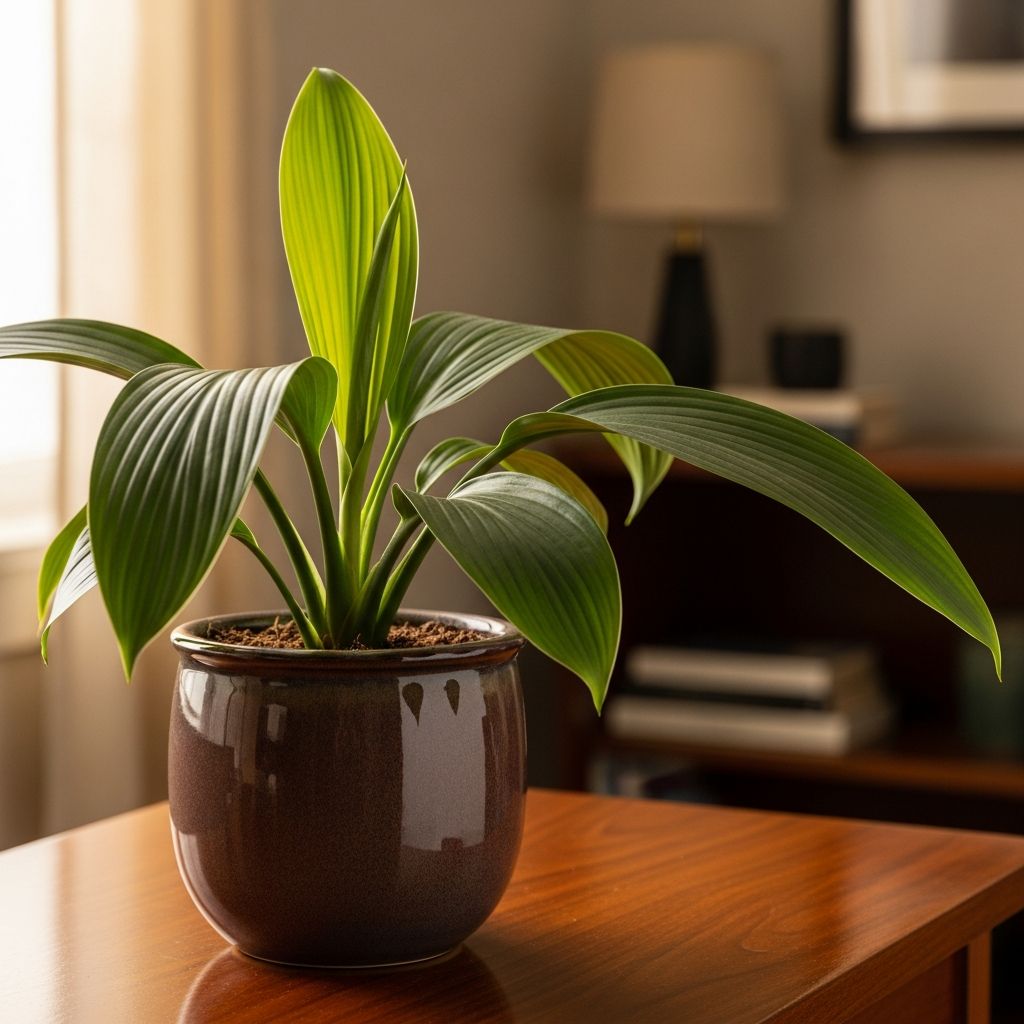
The cast iron plant, scientifically known as Aspidistra elatior, has earned its common name through generations of proving its exceptional durability and adaptability in indoor environments. This remarkable houseplant stands out as an ideal choice for both experienced gardeners and those just beginning their journey into plant parenthood. Its ability to thrive in challenging conditions where many other plants would struggle makes it a cornerstone species for anyone looking to build a thriving indoor garden without requiring constant attention.
What makes the cast iron plant particularly appealing is its forgiving nature—it actually performs better when treated with benign neglect rather than excessive care. This characteristic inverts the typical plant parent anxiety of “am I doing enough?” and replaces it with the more manageable concern of “am I doing too much?” Understanding this fundamental principle shapes every aspect of successful cast iron plant cultivation.
Understanding Your Cast Iron Plant’s Natural Habitat
To cultivate cast iron plants successfully indoors, it helps to understand their natural growing conditions. Native to the tropical regions of Asia, these plants evolved in shaded forest understories where they receive filtered light and experience consistent moisture without waterlogging. This evolutionary background explains their preference for indirect illumination and their sensitivity to excessive watering—traits that remain consistent whether the plant grows in a remote forest or your living room.
The cast iron plant’s scientific name, Aspidistra elatior, reflects its upright growth pattern and sophisticated appearance. The broad, lance-shaped leaves that characterize the species serve multiple functions: they’re visually striking, they help the plant capture available light in dim conditions, and they collect dust that can interfere with photosynthesis if left unattended.
Illumination Strategies for Optimal Growth
One of the most liberating aspects of cast iron plant care involves its flexible light requirements. Unlike many houseplants that demand bright, sunny windowsills, cast iron plants demonstrate genuine competence in low-light settings and even tolerate artificial lighting. This flexibility makes them invaluable for home environments where natural light is limited—a situation increasingly common in modern urban dwellings.
For best results, position your cast iron plant in bright to medium-bright indirect light. This doesn’t mean hiding it in a corner; rather, it means placing it where substantial light reaches it without direct solar rays touching the leaves. A location near an east-facing window, or several feet away from south or west-facing windows, typically provides ideal conditions.
While cast iron plants tolerate a few hours of gentle morning sunlight, harsh afternoon sun exposure causes problems. The intense afternoon rays can scorch leaves and stress the plant unnecessarily. If your available space only offers afternoon sun exposure, filter it through a sheer curtain or position the plant further from the window.
Mastering the Watering Equation
Watering represents both the simplest and most critical aspect of cast iron plant care. The fundamental principle is straightforward: allow the soil to dry substantially between waterings. More cast iron plants succumb to overwatering than to any other factor—they’re genuinely more likely to perish from excessive love than from neglect.
To determine when watering is necessary, use the finger test: insert your finger into the soil approximately one inch deep. If the soil feels dry at this depth, watering is appropriate. For those who prefer a more scientific approach, insert a wooden chopstick or similar object into the soil; if it emerges completely dry, watering can proceed.
When you do water, apply moisture thoroughly until it drains visibly from the pot’s drainage holes. This ensures complete saturation of the root ball and helps flush out any accumulated mineral deposits from tap water. After watering, always empty the drainage saucer to prevent the pot from sitting in standing water, which rapidly leads to root rot and fungal complications.
The frequency of watering varies based on several environmental factors: pot size, soil composition, seasonal temperature, and humidity levels all influence how quickly soil dries. During active growing seasons (spring and summer), you might water every one to two weeks, while winter dormancy typically requires substantially less frequent watering. Rather than following a rigid schedule, let the soil’s moisture content guide your watering decisions.
Selecting and Preparing the Right Growing Medium
Cast iron plants aren’t particularly finicky about soil composition, but drainage remains non-negotiable. Select a well-draining potting mix rather than heavy garden soil, which retains too much moisture. A basic potting mix enhanced with perlite (approximately 70% potting mix with 30% perlite) creates an ideal growing medium. Alternatively, you can add worm castings to standard potting soil to improve nutrient content while maintaining adequate drainage.
The pot itself should have drainage holes—this cannot be overemphasized. Without drainage holes, water has nowhere to exit, inevitably creating waterlogged conditions that damage roots. Choose a container approximately 2 inches larger in diameter than your plant’s existing root ball, providing adequate room for growth without overwhelming the plant with excessive soil that stays wet too long.
When potting or repotting your cast iron plant, place several inches of soil in the pot’s bottom, gently remove the plant from its existing container by tipping it sideways, and position it upright in the new pot. Fill the sides and top with soil, leaving approximately 2 inches of headroom at the top. After backfilling with soil, water generously until excess drains from the bottom, then add a bit more soil to compensate for settling.
Temperature and Humidity Considerations
Cast iron plants prefer moderate temperatures ranging from 60 to 80 degrees Fahrenheit. They can tolerate the lower end of this range, but temperatures below 50 degrees Fahrenheit stress the plant. Maintain your cast iron plant in environments at least 65 degrees Fahrenheit for optimal performance.
Sudden temperature fluctuations and cold drafts pose risks to cast iron plants, so position your plant away from heating vents, air conditioning units, and windows that leak cold air during winter months. Consistent, moderate temperatures create conditions where the plant can allocate energy to growth rather than survival.
Humidity requirements are refreshingly modest for cast iron plants. They tolerate low to average household humidity without difficulty, distinguishing them from tropical plants requiring constant moisture in the air. If your home’s heating system creates particularly dry conditions during winter, adding a humidifier benefits the plant, but it’s not essential for survival. Many growers find that regular leaf cleaning provides sufficient moisture benefit without requiring additional humidification equipment.
Nourishing Your Plant with Appropriate Fertilization
Cast iron plants need nutrients to support healthy growth, but they don’t require aggressive fertilization. During the active growing season—spring and summer—apply a diluted liquid houseplant fertilizer once monthly. Dilute the fertilizer to half the manufacturer’s recommended strength to prevent over-fertilization.
A crucial rule for fertilizing cast iron plants: never apply fertilizer to dry soil. Always water your plant first, allowing the soil to become evenly moist, then apply fertilizer. This prevents salt burn on roots and ensures even nutrient distribution throughout the soil.
During fall and winter, when growth naturally slows, discontinue fertilization entirely. The plant’s reduced metabolic activity means it requires fewer nutrients, and attempting to feed it during this dormant period provides unnecessary salts that accumulate in the soil.
Maintaining Healthy Foliage Through Cleaning and Grooming
The broad leaves characteristic of cast iron plants attract and accumulate dust readily. This dust layer interferes with photosynthesis, reducing the plant’s ability to produce energy and grow vigorously. Clean foliage every couple of weeks by wiping leaves with a soft, damp cloth. This simple maintenance task improves photosynthetic efficiency and helps prevent pest infestations that exploit dusty conditions.
Alternatively, provide your cast iron plant with a gentle shower monthly, allowing water to rinse dust from both leaf surfaces. Use room-temperature water and avoid commercial leaf shine products, which can clog pores and damage the protective waxy coating on leaves.
Remove any dead, yellowing, or damaged leaves promptly. This grooming allows the plant to redirect resources toward healthy growth instead of attempting to support deteriorating foliage. If you notice a sudden increase in dying leaves, investigate potential causes—excessive or insufficient watering, direct sunlight exposure, or temperature stress—rather than viewing leaf drop as a normal maintenance issue.
Troubleshooting Common Problems
Drooping Leaves: While some drooping is normal, excessive leaf sagging typically indicates watering problems. Check whether you’re underwatering—perhaps not saturating the root ball completely during watering sessions. Additionally, tap water containing high levels of fluoride and chlorine can cause brown leaf tips and drooping. If you observe this pattern, switch to filtered water and monitor improvement over subsequent weeks.
Brown Leaf Tips: This symptom often results from mineral accumulation in the soil caused by treated tap water. Using filtered water prevents further accumulation, though existing mineral buildup might require soil replacement for complete resolution.
Pest Issues: Spider mites occasionally infest cast iron plants, particularly when leaves remain dusty. Regular leaf cleaning prevents most pest problems by removing mites before populations become established. Fungus gnats suggest soil remains too wet for too long; allow soil to dry more thoroughly between waterings and ensure proper drainage.
Root Rot: This serious condition results from sustained waterlogged conditions. Prevention through proper drainage, appropriate pot size, and careful watering is far more effective than attempting to treat established root rot. If root rot occurs, repot the plant into fresh, dry soil after carefully trimming away visibly rotted roots.
Propagation Methods for Expanding Your Collection
Cast iron plants propagate most readily through division. When the plant becomes mature and develops multiple growth points from the soil level, carefully remove the plant from its pot and gently separate the root system into sections, ensuring each section contains at least one established growth point. Pot each division individually in fresh soil and maintain appropriate moisture and lighting until new growth emerges, indicating successful establishment.
Division provides faster, more reliable results than propagation through leaves or cuttings, which can be unpredictable with cast iron plants. The best time for division is spring, when growth naturally accelerates and new roots establish quickly.
Seasonal Care Adjustments
While cast iron plants remain remarkably consistent in their needs year-round, subtle seasonal adjustments optimize their performance. During spring and summer’s active growing season, maintain regular watering schedules and apply monthly fertilizer. As temperatures cool in fall, reduce watering frequency as soil dries more slowly and the plant’s growth rate decreases. Winter requires minimal watering—allow extended periods between waterings and eliminate fertilizer applications entirely.
Position your plant away from heating vents and cold window drafts during winter months, when temperature fluctuations are most pronounced and potentially damaging.
Frequently Asked Questions About Cast Iron Plant Care
How often should I water my cast iron plant?
Allow the top 50-75% of soil to dry between waterings, which typically means watering every 1-2 weeks during growing season, though this varies based on environmental conditions. In winter, extend the interval between waterings considerably.
Can cast iron plants grow in low light?
Yes—cast iron plants genuinely thrive in low-light conditions and even tolerate artificial lighting. While bright, indirect light produces optimal growth, they handle dimly lit spaces that would challenge other houseplants.
Are cast iron plants toxic to pets?
No, cast iron plants are completely non-toxic to humans and pets, making them safe choices for households with curious cats, dogs, or children.
What causes yellow leaves on cast iron plants?
Yellowing typically indicates either overwatering or insufficient light. Evaluate your watering schedule—are you allowing soil to dry sufficiently between waterings? If watering seems appropriate, consider whether the plant receives adequate indirect light.
How do I clean cast iron plant leaves?
Use a soft, damp cloth to gently wipe each leaf, supporting the underside with your other hand. Alternatively, provide a gentle shower under room-temperature water monthly. Avoid commercial leaf shine products that can damage the natural leaf coating.
When should I repot my cast iron plant?
Repot when roots become densely packed or emerge from drainage holes, typically every 2-3 years depending on growth rate. Spring is the optimal time for repotting, when the plant’s growth accelerates.
Final Thoughts on Cast Iron Plant Success
The cast iron plant represents an excellent choice for anyone seeking an attractive, resilient houseplant that rewards consistent but minimal care. Its natural tolerance for diverse light conditions, modest watering needs, and undemanding fertilizer requirements make it particularly valuable for busy gardeners or those with challenging indoor growing spaces.
Remember that successful cast iron plant cultivation centers on preventing problems rather than solving them. Proper drainage, appropriate watering intervals, and protected placement away from direct afternoon sun and temperature fluctuations create conditions where the plant flourishes with minimal intervention. Embrace the philosophy that sometimes the best thing a plant parent can do is restrain themselves and allow the plant’s natural resilience to shine.
References
- The Beginner’s Guide to Cast Iron Plant Care — Houseplant Resource Center. 2021-03-15. https://houseplantresourcecenter.com/2021/03/the-beginners-guide-to-cast-iron-plant-care/
- Cast Iron Plant Care Guide — Bloomscape. Accessed 2026-02-05. https://bloomscape.com/plant-care-guide/cast-iron-plant/
- Cast Iron Plant: Care Tips For Beginners (Aspidistra) — YouTube. Accessed 2026-02-05. https://www.youtube.com/watch?v=v2siiWCGRb0
- Aspidistra – Tough Cast Iron Plants for the Perennial Garden or Container — Plant Delights Nursery. Accessed 2026-02-05. https://www.plantdelights.com/blogs/marketing/aspidistra-tough-cast-iron-plants-for-the-perennial-garden-or-container
- Cast Iron Plant Care – How to Grow: Aspidistra elatior — Soltech Solutions. Accessed 2026-02-05. https://soltech.com/products/cast-iron-care
Similar Articles








Read full bio of Sneha Tete