Ceramic vs. Porcelain Tile: Which Is Better?
Discover the key differences between ceramic and porcelain tiles to make the best choice for your home.
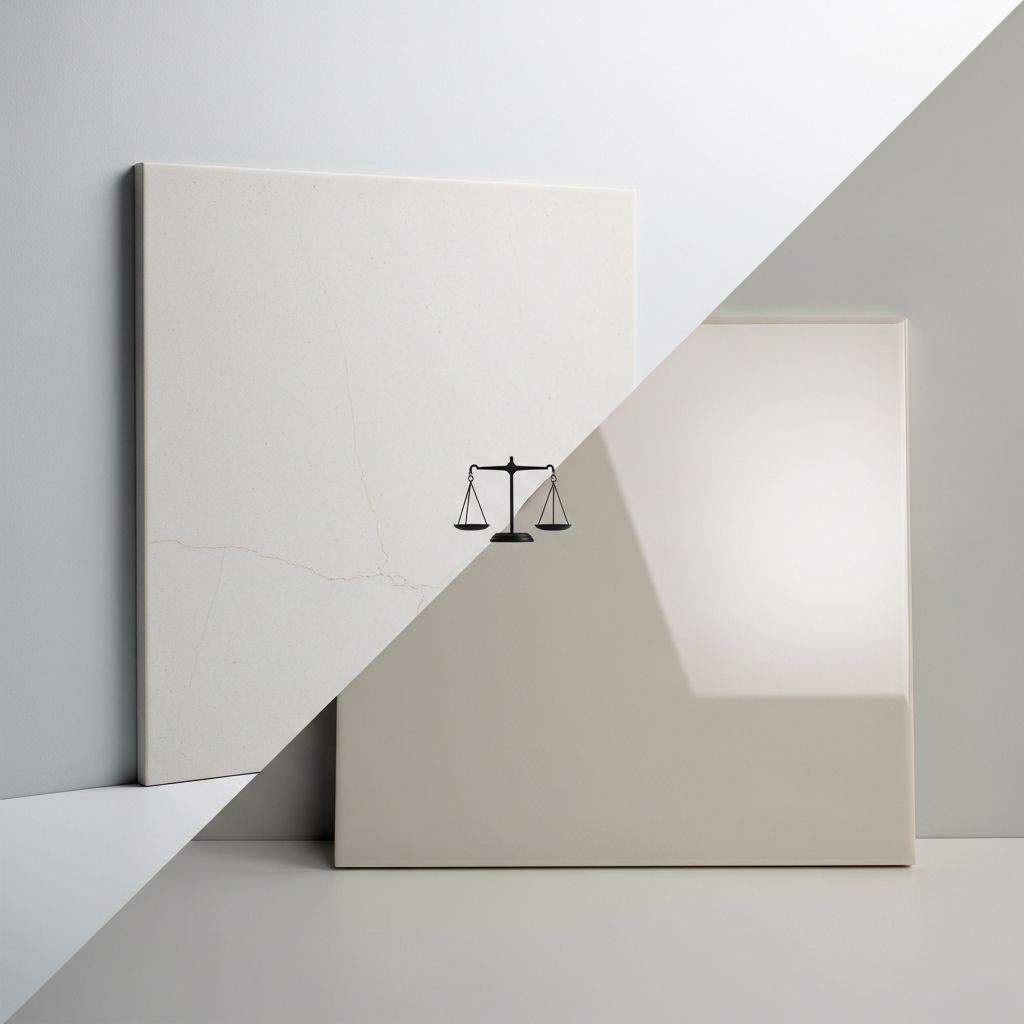
When choosing flooring materials for your home, ceramic and porcelain tiles are two popular options that offer distinct advantages and disadvantages. Both materials have been used in residential and commercial spaces for decades, but understanding their differences is crucial for making an informed decision. Porcelain is denser and more water-resistant than ceramic, making it ideal for bathrooms and kitchens. However, ceramic is less expensive, easier to work with, and available in more design options, so it may be better for other household projects.
The choice between ceramic and porcelain tiles ultimately depends on your specific needs, the location where you’ll install them, your budget, and your aesthetic preferences. This comprehensive guide will help you understand the key differences between these two tile types and determine which option is best for your flooring project.
Composition and Manufacturing Process
The primary difference between ceramic and porcelain tiles lies in their composition and manufacturing process. Ceramic tiles are made from coarser clay and fired at lower temperatures, typically between 1,800 and 2,000 degrees Fahrenheit. In contrast, porcelain tiles are crafted from finer kaolin clay and are fired at significantly higher temperatures, usually between 2,200 and 2,500 degrees Fahrenheit.
This fundamental difference in manufacturing processes results in porcelain being considerably denser and harder than ceramic. For a tile to be officially classified as porcelain, it must meet specific standards set by industry certification bodies, including absorbing less than 0.5% of their weight in water. The higher firing temperature used in porcelain production creates a more compact molecular structure, which contributes to its superior strength and durability.
Water Absorption Rates
One of the most significant differences between ceramic and porcelain tiles is their water absorption rate. Porcelain tiles absorb less than 0.5% of their weight in water, making them highly water-resistant and suitable for wet environments. Ceramic tiles, on the other hand, typically absorb 0.5% or more water, which means they are more porous and less water-resistant overall.
This difference in water absorption is critical when selecting tiles for areas prone to moisture exposure. Porcelain’s low water absorption rate makes it nearly impervious to water, preventing moisture from penetrating the tile surface and causing damage or mold growth. Unfinished ceramic tiles, such as quarry tile, are generally more porous and less suitable for high-moisture areas. However, finished ceramic tiles with a protective glaze are better equipped to handle moisture, though they still don’t match porcelain’s water resistance capabilities.
Durability and Hardness
Porcelain tiles are generally more durable and harder than ceramic tiles due to their manufacturing process. The Porcelain Enamel Institute (PEI) rates tile hardness on a scale of 1 to 5, with 5 being the hardest. Most porcelain tiles have a PEI rating of 5, indicating they are among the hardest tiles available. Ceramic tiles can range from 1 to 4, depending on their specific composition and intended use.
For example, ceramic tile with a 1 PEI rating is best for walls where it won’t encounter heavy contact. Higher-rated ceramic tiles with a PEI rating of 4 or 5 can be nearly as durable as porcelain and perform well in high-traffic areas. The superior hardness of porcelain makes it less likely to show chips and cracks compared to ceramic, even in busy households or commercial spaces that experience heavy foot traffic.
Comparison Table
| Characteristic | Ceramic Tile | Porcelain Tile |
|---|---|---|
| Materials | Coarse clay | Fine kaolin clay |
| Water Absorption Rate | 0.5% or more | Less than 0.5% |
| Firing Temperature | 1,800–2,000°F | 2,200–2,500°F |
| PEI Rating | 1–4 | 5 |
| Durability | Moderate | High |
| Lifespan | 20–30 years | 75–100 years |
Pros and Cons of Ceramic Tile
Ceramic tiles offer several advantages that make them attractive for many homeowners. They are significantly less expensive than porcelain tiles, making them an excellent choice for budget-conscious projects. Ceramic tiles are also easier to install on your own than porcelain, thanks to their softer composition, which makes cutting and handling more manageable. Additionally, ceramic tiles come in a greater variety of colors, textures, and finishes, providing more design flexibility for creative projects.
However, ceramic tiles do have some drawbacks. They are slightly less durable and water-resistant than porcelain, making them more prone to chipping and cracking, especially in high-traffic areas. Unfinished ceramic tiles are unsuitable for outdoor use, as they cannot withstand the elements effectively. For these reasons, ceramic tiles are best suited for low- to moderate-traffic areas and decorative applications where durability is not a primary concern.
Pros and Cons of Porcelain Tile
Porcelain tiles are renowned for their exceptional durability and water resistance, making them an excellent option for high-traffic areas such as entryways, hallways, and kitchens. Their density and hardness make them highly resistant to stains and water absorption, ensuring that your flooring remains in excellent condition even in the busiest environments. Porcelain tiles are also less likely to show chips and cracks than ceramic tile, contributing to their longer lifespan and lower long-term maintenance requirements.
The primary disadvantage of porcelain tiles is their higher cost compared to ceramic tiles. This increased price is due to their superior durability and water resistance, as well as the more energy-intensive manufacturing process required to produce them. Additionally, porcelain tiles usually require professional installation because their density and hardness make them more challenging to cut and install. The specialized tools and expertise needed for proper installation can increase labor costs. Furthermore, porcelain tiles require specialized adhesive with a higher latex count for proper installation, which can be more expensive than standard thinset adhesives used for ceramic tiles.
Installation Expenses
Installation costs can differ significantly between ceramic and porcelain tiles. Due to their ease of cutting and handling, ceramic tiles are often less expensive to install. Professional installation costs for ceramic tiles typically range from $4 to $32 per square foot, depending on the complexity of the project and your location. Porcelain tile installation is usually on the higher end of this range, or even exceed it, due to the specialized tools and expertise required.
If you’re planning a DIY installation project, ceramic tiles are more forgiving and accessible for homeowners without professional experience. However, if you’re installing porcelain tiles, professional installation is often recommended to ensure proper adhesive application and prevent costly mistakes. The labor costs for porcelain installation can be a significant portion of your overall project budget, so it’s important to factor this into your decision-making process.
Long-Term Value Considerations
While porcelain tiles may have a higher upfront cost, their durability and longevity can provide better long-term value for your home. Porcelain tiles can last 75 to 100 years with proper maintenance, whereas ceramic tiles may need replacement sooner, especially in high-traffic areas. When you calculate the cost per year of flooring lifespan, porcelain often proves to be more economical in the long run.
Additionally, porcelain tiles’ superior durability means they require less maintenance and are less likely to need repairs or replacement due to damage. Their resistance to staining and moisture absorption also reduces the need for frequent sealing or specialized cleaning products. If you plan to stay in your home for many years or are looking for an investment in long-lasting flooring, porcelain tiles may be the better choice despite the higher initial expense.
Maintenance and Cleaning
Both ceramic and porcelain tiles are relatively low-maintenance flooring options. Ceramic tiles can be cleaned with regular sweeping or vacuuming followed by mopping with a mild cleaner. For ceramic tiles in wet areas, occasional professional cleaning and sealing can help maintain their appearance and protect grout lines from staining.
Porcelain tiles are even easier to maintain thanks to their low porosity. Regular sweeping or vacuuming is usually sufficient to keep them clean, and they are highly resistant to stains and dirt accumulation. Grout lines with porcelain tiles are less prone to staining, reducing the need for frequent resealing. Both tile types can benefit from occasional professional cleaning and sealing to ensure long-term aesthetic appeal and protection, particularly in high-moisture areas.
Aesthetic Appeal and Design Options
Ceramic tiles offer excellent aesthetic versatility, with a vast array of shapes, colors, and sizes available. They come in numerous finishes and can be used to create virtually any design style, from modern and contemporary to rustic and traditional. This wide variety of options makes ceramic tiles ideal for homeowners who want flexibility in their design choices.
Porcelain tiles also come in various styles, colors, and textures, allowing you to achieve virtually any desired look. Modern porcelain technology even allows manufacturers to create tiles that convincingly mimic natural stone, hardwood, and other materials. Porcelain tiles are available in finishes ranging from matte to high gloss, providing additional design flexibility. Both tile types can be used to create stunning visual effects and complement various interior design aesthetics.
Best Applications for Each Tile Type
Ceramic Tiles are ideal for:
- Low- to moderate-traffic areas such as bedrooms, dining rooms, and living rooms
- Decorative applications where aesthetics are prioritized
- Budget-conscious projects where cost is a primary concern
- DIY installation projects where professional expertise isn’t available
- Interior walls and backsplashes
- Spaces where design variety and creative expression are important
Porcelain Tiles are ideal for:
- High-traffic areas such as entryways, hallways, and kitchens
- Bathrooms and shower surrounds due to water resistance
- Basements and other moisture-prone areas
- Outdoor patios and decks in mild climates
- Commercial spaces requiring durable, low-maintenance flooring
- Areas where stain resistance and easy cleaning are priorities
- Long-term installations where durability is valued over initial cost
Frequently Asked Questions
Q: Which is better: porcelain or ceramic tile?
A: The answer depends on your specific needs. Porcelain is denser and more water-resistant than ceramic, making it ideal for bathrooms, kitchens, and high-traffic areas. However, ceramic is less expensive, easier to work with, and available in more colors, so it may be better for other household projects, decorative applications, and DIY installations.
Q: Are porcelain or ceramic tiles more durable?
A: In general, porcelain is more durable than ceramic because it’s made of a denser clay and fired at higher heat. However, ceramic tiles with a PEI rating of 4 or 5 will be nearly as durable as porcelain for most residential applications. Porcelain tiles typically have a lifespan of 75–100 years, while ceramic tiles usually last 20–30 years.
Q: Can I install ceramic and porcelain tiles myself?
A: Ceramic tiles are easier to install yourself due to their softer composition and easier cutting requirements. Porcelain tiles are harder and more challenging to cut, often requiring specialized tools and professional expertise. While experienced DIYers may be able to install porcelain tiles, professional installation is generally recommended to ensure proper adhesive application and prevent costly mistakes.
Q: How much more expensive is porcelain than ceramic?
A: Porcelain tiles typically cost more than ceramic tiles upfront due to their superior durability and the more energy-intensive manufacturing process. However, considering their longer lifespan (75–100 years for porcelain versus 20–30 years for ceramic), porcelain often provides better long-term value. Installation costs for porcelain are also typically higher due to the specialized tools and expertise required.
Q: Which tile type is better for bathrooms?
A: Porcelain tiles are generally better for bathrooms due to their high water resistance and low absorption rate (less than 0.5%). They prevent moisture penetration and resist mold and mildew growth. However, finished ceramic tiles with a protective glaze can also work well in bathrooms, as long as they are properly sealed and maintained.
Q: Can porcelain tiles be used outdoors?
A: Yes, porcelain tiles can be used outdoors in mild climates. Their low water absorption rate makes them resistant to frost damage and freeze-thaw cycles. However, ceramic tiles are generally not suitable for outdoor use, especially in areas with harsh weather conditions, as they are more porous and vulnerable to moisture and temperature fluctuations.
Our Conclusion
Both ceramic and porcelain tiles have their benefits and are suitable for different applications. Ceramic tiles offer affordability, ease of installation, and a wide range of design options, making them ideal for low- to moderate-traffic areas and decorative applications where cost is a concern. Porcelain tiles, while more expensive, provide superior durability, water resistance, and longevity, making them ideal for high-traffic areas, moisture-prone spaces, and outdoor use in mild climates.
Ultimately, the best choice depends on your specific needs, aesthetic preferences, and the demands of your space. Consider factors such as foot traffic, moisture exposure, budget constraints, and whether you plan to hire professionals or tackle installation yourself. By weighing these factors carefully, you can select the tile type that will provide the best combination of beauty, functionality, and value for your home improvement project.
References
- Ceramic vs. Porcelain Tile: Which Is Better? — This Old House. Accessed 2025-12-03. https://www.thisoldhouse.com/flooring/ceramic-vs-porcelain-tile
- Differences Between Porcelain Tile and Ceramic Tile — Avalon Flooring. Accessed 2025-12-03. https://www.avalonflooring.com/blogs/blog/ceramic-vs-porcelain-whats-difference
- Porcelain vs Ceramic Tile: Which is Better? — Tile Shop. Accessed 2025-12-03. https://www.tileshop.com/resources/porcelain-vs-ceramic-tile
- Porcelain Tile vs Ceramic vs Natural Stone — Mineral Tiles. Accessed 2025-12-03. https://www.mineraltiles.com/pages/porcelain-tiles-vs-ceramic-vs-natural-stone
- Porcelain vs. Ceramic Tiles — The Home Depot. Accessed 2025-12-03. https://www.homedepot.com/c/ab/porcelain-vs-ceramic-tiles/9ba683603be9fa5395fab9016ed2ca9d
Similar Articles



Read full bio of Sneha Tete