Chair Height vs Standard Height Toilet: Complete Guide
Compare chair height and standard toilets to find the perfect fit for your bathroom needs.
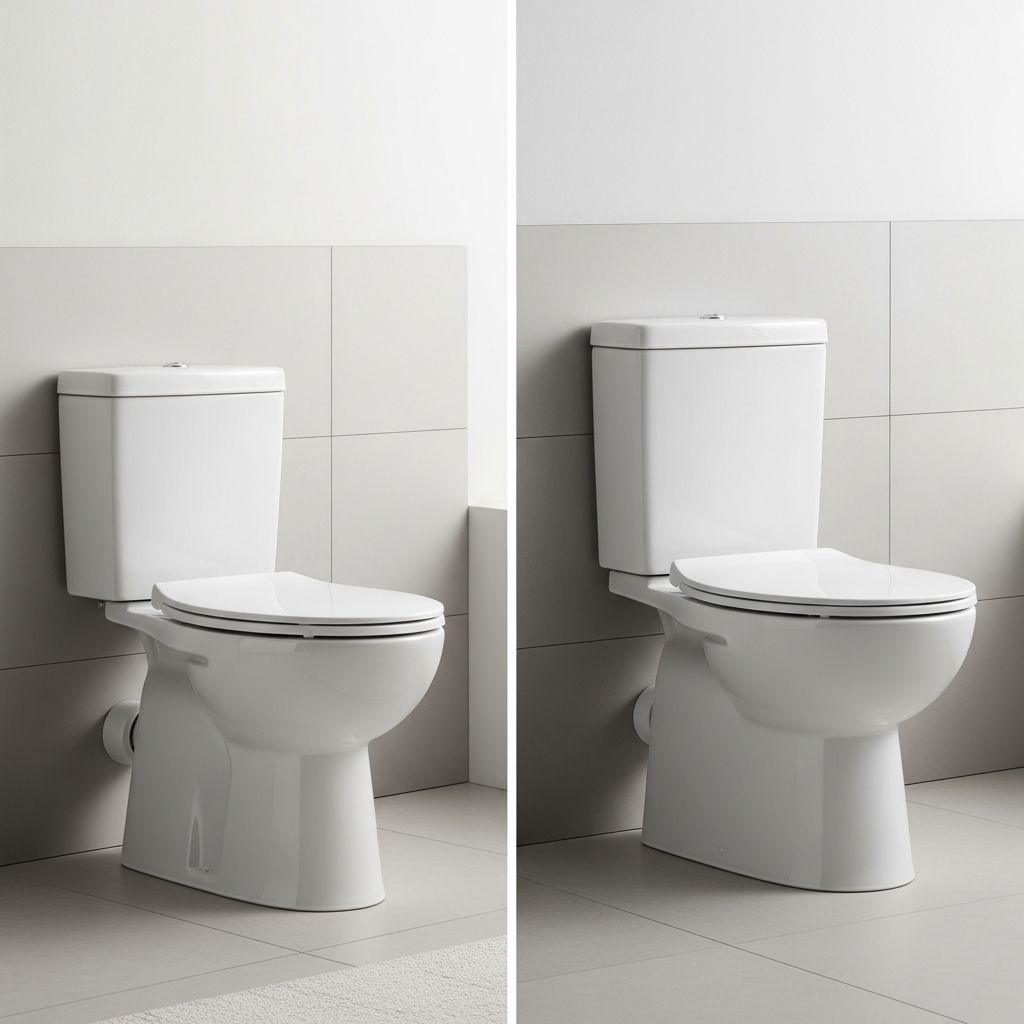
Chair Height vs. Standard Height Toilet: Which Is Right for Your Home?
When it comes to selecting the right toilet for your bathroom, one of the most important considerations is the height of the seat. Two primary options dominate the market: standard height toilets and chair height toilets. Understanding the differences between these two types can help you make an informed decision that enhances comfort, accessibility, and functionality in your bathroom. The choice between these options depends on the specific needs of your household, the ages of users, and any mobility considerations.
Understanding Toilet Height Measurements
Toilet height is measured from the floor to the top of the seat when fully installed. This measurement is crucial because it directly impacts how comfortably and safely users can sit down and stand up. The standard toilet height has been a fixture in American homes for decades, while chair height toilets have gained popularity in recent years due to their accessibility benefits.
Standard Height Toilets Explained
Standard height toilets have been the conventional choice in residential bathrooms for many years. These toilets measure between 14 to 16 inches from the floor to the top of the seat, making them approximately the same height as a standard dining room chair. This measurement has remained relatively consistent across the industry, establishing the baseline for toilet heights in American homes.
Who Benefits Most from Standard Height Toilets
Standard height toilets are particularly well-suited for specific demographics within a household. They work exceptionally well for families with young children, as the lower seat height allows kids to place their feet firmly on the floor without dangling, making the toilet easier and safer to use without adult assistance. Additionally, average-height adults often find standard toilets comfortable and natural to use, as the lower height aligns well with typical body proportions and natural sitting mechanics.
Advantages of Standard Height Toilets
The primary advantages of standard height toilets include their affordability and widespread availability. Because they have been the industry standard for so long, they come in numerous styles and designs from various manufacturers. They may also be better suited for individuals who prefer a more traditional feel and seated position. In multi-person households where children are present, standard height toilets ensure that all family members can use the toilet comfortably without difficulty.
Disadvantages of Standard Height Toilets
The main drawback of standard height toilets is that they can be more challenging for certain users. Seniors, individuals with mobility issues, or those with joint pain may find it difficult to sit down and stand up from a lower toilet seat. The lower height requires more knee bending and places greater stress on the back, knees, and hips, which can be problematic for people with arthritis or other physical limitations.
Chair Height Toilets: The Higher Alternative
Chair height toilets, also known as comfort height or ADA-height toilets, represent a significant departure from the traditional standard height design. These toilets measure between 17 to 19 inches from the floor to the top of the seat, making them approximately 2 to 4 inches taller than standard toilets. The name “chair height” comes from the fact that this height is similar to that of a standard dining chair, making the sitting and standing motion feel more natural for taller individuals and those with mobility concerns.
ADA Compliance and Standards
Chair height toilets are often ADA-compliant, meeting the specific guidelines established by the Americans with Disabilities Act. The official ADA standards require that a toilet have a seat height between 17 to 19 inches, which is higher than the standard toilet height range of 14 to 16 inches. This standard was created specifically to make toilets more accessible for people who use wheelchairs and those with other mobility challenges. When shopping for an ADA-compliant toilet, look for packaging or product descriptions that explicitly state “ADA Compliant” or list a seat height between 17 to 19 inches to confirm the design meets established accessibility benchmarks.
Who Benefits Most from Chair Height Toilets
Chair height toilets are ideal for several groups of users. Seniors and elderly individuals benefit greatly from the increased height, as it reduces the strain on their joints and muscles when sitting down and standing up. Tall adults find chair height toilets more comfortable because they require less bending to use. Additionally, individuals with mobility issues, chronic pain, arthritis, or those recovering from surgery find chair height toilets significantly easier and safer to use. People with limited flexibility or strength in their legs and lower back particularly appreciate the reduced physical demand.
Advantages of Chair Height Toilets
The primary advantage of chair height toilets is the substantial reduction in physical strain. By requiring less knee bending and providing better support for the back, chair height toilets make sitting down and standing up significantly easier for people with mobility challenges. This reduced strain can help prevent injuries and falls, particularly important for seniors who are at higher risk of bathroom-related accidents. The psychological comfort of using a toilet that feels more like a regular chair also contributes to the overall user experience. Many users report feeling more confident and independent when using a chair height toilet.
Disadvantages of Chair Height Toilets
The main disadvantage of chair height toilets is that they may be uncomfortable for shorter users and children. When feet dangle without touching the floor, users may feel unstable or insecure. Shorter adults and children might find the higher seat awkward and potentially unsafe. Additionally, chair height toilets typically cost more than standard height toilets, which can be a consideration for budget-conscious homeowners. The larger footprint may also be slightly less suitable for very small bathrooms, though the difference is minimal.
Key Differences at a Glance
The following table provides a clear comparison of the main features and characteristics of both toilet types:
| Feature | Chair Height Toilet | Standard Height Toilet |
|---|---|---|
| Seat Height | 17–19 inches | 14–16 inches |
| Best For | Taller adults, seniors, people with mobility issues | Average-height adults, families with children |
| Common Uses | Accessible homes, public restrooms, hospitals | Family bathrooms, guest bathrooms |
| Primary Benefit | Reduces knee and back strain, easier transitions | Better for shorter users, aids natural posture |
| Main Drawback | Uncomfortable for shorter users, feet may dangle | Harder for people with mobility issues to use |
| Cost | Generally more expensive | Generally more affordable |
| ADA Compliant | Yes (when 17–19 inches) | No |
Making Your Decision: Which Toilet Height Is Right for You?
Choosing between a chair height and standard height toilet comes down to assessing the specific needs of your household. Consider the following factors when making your decision:
Household Demographics
Evaluate who will be using the toilet most frequently. If your household consists primarily of adults of average or above-average height, or if there are seniors or people with mobility concerns, a chair height toilet may be the better choice. Conversely, if you have young children or predominantly shorter household members, a standard height toilet is likely more appropriate.
Accessibility Needs
If anyone in your household has mobility limitations, arthritis, back problems, or other physical challenges that make standing and sitting difficult, a chair height toilet can significantly improve their quality of life and bathroom safety. This is particularly important for aging in place, allowing seniors to maintain independence and reduce the risk of falls.
Space Considerations
Both standard and chair height toilets come in round or elongated bowl configurations. Elongated bowls provide more seating space and comfort but require more bathroom space. If you have enough space, an elongated bowl is usually easier for larger and taller adults to use comfortably.
Budget Considerations
Standard height toilets are generally less expensive than chair height models. If budget is a primary concern, you might consider purchasing a standard toilet and adding a raised seat or toilet seat riser as needed.
Mixed-Use Households
In households where users of varying heights and abilities need to share a bathroom, you might recommend a comfort height toilet with a foot stool for children or shorter adults to use, creating a compromise solution that serves most household members effectively.
Additional Features to Consider
Beyond height, several other features can enhance your toilet selection. Modern toilets are available with various technological enhancements, including bidet functions, soft-close lids, and water-saving mechanisms. Wall-hung toilets offer customizable height options ranging from 15⅜ inches to 28½ inches, providing maximum flexibility for specific accessibility needs. The bowl shape—elongated versus round—also affects comfort and space requirements. Elongated bowls typically range from 28½ to 31⅝ inches in length and provide more seating surface, while round-front toilets measure 25⅝ to 29¾ inches and are more space-efficient for smaller bathrooms.
Installation and Practical Tips
When installing a new toilet, ensure that the measurement from floor to seat top is accurate after installation, including the toilet seat. Work with a plumber if you’re unfamiliar with toilet installation to ensure proper setup and sealing. If you’re upgrading from one height to another, you may need to adjust water line connections and ensure adequate ventilation in your bathroom.
For households with mixed user needs, consider these practical solutions: install a toilet seat riser or raised toilet seat on a standard toilet to temporarily increase height, purchase a foot stool for use with a chair height toilet to assist shorter users, or install grab bars near the toilet to provide additional support and safety for all users regardless of toilet height.
Frequently Asked Questions
Q: What is the difference between comfort height and chair height toilets?
A: Comfort height and chair height are essentially the same thing. Both terms refer to toilets with a seat height between 17 to 19 inches. These terms are used interchangeably in the industry, and both types are typically ADA-compliant.
Q: Are chair height toilets always ADA-compliant?
A: Not necessarily. While most chair height toilets (17–19 inches) meet ADA standards, you should verify ADA compliance on the product specifications. Look for explicit “ADA Compliant” labeling or certification to confirm the toilet meets accessibility standards.
Q: Can I add a raised seat to a standard toilet to make it higher?
A: Yes, raised toilet seats and seat risers can add 2 to 6 inches to a standard toilet’s height. These are affordable solutions for temporarily increasing toilet height or testing whether a higher toilet would be more comfortable for you. Many are easy to install and remove.
Q: Which toilet height is better for seniors?
A: Chair height toilets (17–19 inches) are generally better for seniors because they reduce strain on joints and muscles, making sitting and standing easier and safer. This can help prevent falls and injuries, which is particularly important for aging individuals.
Q: Do taller people need chair height toilets?
A: Many taller people find chair height toilets more comfortable because they require less bending. However, comfort is subjective, and some taller individuals may be satisfied with standard height toilets. It’s a matter of personal preference and body proportions.
Q: What if my household has both children and seniors?
A: Consider installing a chair height toilet in the main bathroom with a step stool for children to use. Alternatively, you could add a raised seat to a standard toilet, or install grab bars and other safety features to make either height work for all users.
Q: Is a chair height toilet good for small bathrooms?
A: Chair height toilets don’t significantly differ in floor space from standard toilets—the difference is only in height. If space is limited, choose a round-front bowl rather than an elongated one, regardless of the toilet height you select.
Conclusion
The choice between a chair height and standard height toilet ultimately depends on your household’s specific needs, demographics, and accessibility requirements. Standard height toilets remain an excellent choice for families with children and average-height adults seeking affordability and traditional comfort. Chair height toilets offer superior accessibility and reduced physical strain, making them ideal for seniors, tall individuals, and those with mobility challenges. By carefully considering who will use the toilet, any physical limitations, available space, and budget, you can select the toilet height that maximizes comfort and safety for your household. Whether you choose a standard height or chair height toilet, ensuring proper installation and maintenance will help guarantee years of reliable performance and user satisfaction.
References
- What Is Chair Height Toilet? ADA Standards, Benefits & Guide — Horow. 2025. https://horow.com/blogs/guide/what-is-chair-height-toilet-ada-standards-benefits-guide
- How to Advise Your Customers on Toilet Height — Ferguson. 2025. https://www.ferguson.com/content/ideas-and-learning-center/trade-talk/how-to-advise-on-toilet-height/
- Understanding Different Toilet Heights: Choosing the Right Fit for Your Bathroom — Bath Butler Bidets. 2025. https://www.bathbutlerbidets.com/post/understanding-different-toilet-heights-choosing-the-right-fit-for-your-bathroom
- Toilet Buying Guide | How to Choose a Toilet — Kohler. 2025. https://www.kohler.com/en/inspiration/buying-guides/toilets-buying-guide
- ADA Accessibility Guidelines for Buildings and Facilities (Section 604.4 – Water Closets) — U.S. Access Board. 2002-2024. https://www.access-board.gov/guidelines/
Similar Articles







Read full bio of Sneha Tete