Cheese Bait for Mice: Myths and Effective Alternatives
Discover why cheese isn't the best mouse bait and learn proven alternatives for effective rodent control.
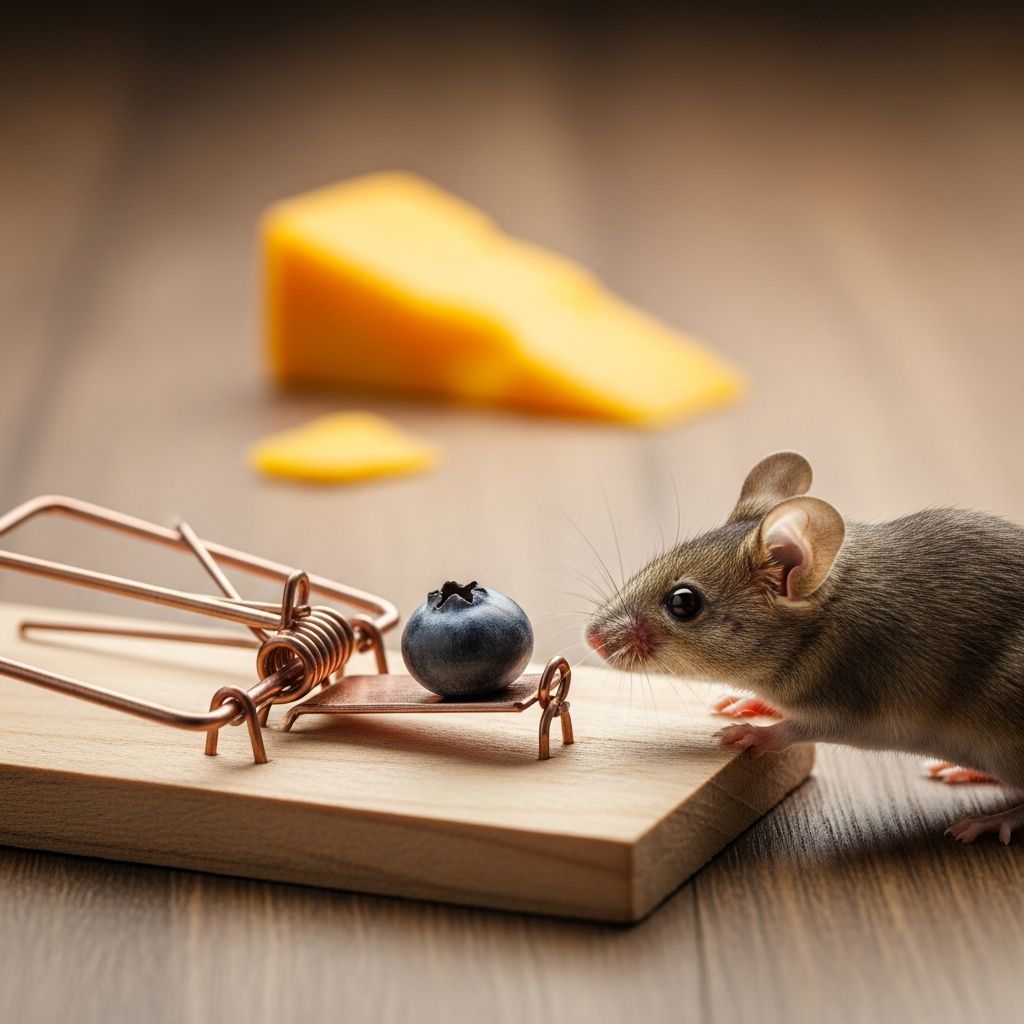
When it comes to catching mice, most people immediately think of cheese as the perfect bait. This iconic image has been reinforced by cartoons, movies, and popular culture for decades. However, the reality of mouse control is far more nuanced than the classic depiction suggests. Understanding what actually attracts mice and which baits are most effective can dramatically improve your success rate in dealing with a rodent infestation.
The Cheese Myth: Why It’s Not the Best Bait
Contrary to widespread belief, cheese is not necessarily the best bait for catching mice. While mice will certainly eat cheese if it’s available, they are not specifically attracted to it above other food sources. This misconception has persisted through popular culture and has led many homeowners to use ineffective trapping strategies.
The problem with cheese as bait is twofold. First, its strong odor can be easily detected by mice from a distance, but it doesn’t create the same level of excitement or attraction that other baits do. Second, cheese can dry out quickly, reducing its effectiveness over time. Additionally, certain types of cheese may not stick well to traps, making it easier for mice to steal the bait without triggering the mechanism.
What Mice Actually Prefer to Eat
Understanding the dietary preferences of mice is crucial for effective pest control. Mice are omnivorous creatures with surprisingly varied palates. They are drawn to high-calorie, high-fat foods that provide quick energy. Their natural diet consists of seeds, grains, nuts, and insects, making these items far more attractive to them than cheese alone.
In urban and domestic environments, mice show particular preference for:
- Peanut butter and nut-based products
- Seeds and grains
- Dried fruits
- Chocolate and candy
- Insects and insect larvae
- Fatty meat products
These food items trigger a stronger feeding response in mice compared to cheese, making them significantly more effective as bait in traps.
Superior Mouse Bait Alternatives
Peanut Butter: The Top Choice
Peanut butter stands out as one of the most effective baits for catching mice. Its sticky consistency ensures it remains on the trap, and mice find its rich, nutty aroma irresistible. The high fat and protein content makes it particularly attractive to mice seeking calorie-dense food sources. Peanut butter also creates a scent trail that can lead mice directly to your trap from a distance.
When using peanut butter, apply a small amount directly to the trigger mechanism of the trap. The sticky nature means mice must engage with the trap to obtain the bait, significantly increasing the likelihood of a successful capture.
Chocolate and Candy
Chocolate and various candies are surprisingly effective mouse baits. Mice are attracted to the sweetness and high caloric content. Chocolate, in particular, has a strong odor that appeals to rodents. Small pieces of chocolate or candy can be attached to trap triggers, though the stickiness of some varieties may require you to secure them with a small amount of peanut butter or other adhesive.
Nuts and Seeds
Nuts and seeds represent natural food sources that mice actively seek out. Sunflower seeds, pumpkin seeds, and various nuts (especially hazelnuts and walnuts) are highly attractive to mice. These items are particularly effective because they mimic the mouse’s natural diet, triggering strong feeding instincts. You can place several seeds or small nuts directly on trap triggers or inside bait containers.
Bacon and Meat Products
Fatty meat products like bacon are extremely effective mouse baits. The high fat content and strong, savory aroma are highly attractive to mice. Small pieces of bacon or bacon bits can be placed on trap mechanisms, though their moisture content requires occasional replacement to maintain effectiveness.
Dried Fruits
Dried fruits like raisins, cranberries, and apple pieces attract mice due to their concentrated sweetness and chewy texture. These baits work particularly well in combination with other attractants, such as a small amount of peanut butter. They’re also advantageous because they don’t spoil quickly like fresh fruits.
Comparison of Mouse Baits
| Bait Type | Effectiveness | Ease of Use | Longevity | Cost |
|---|---|---|---|---|
| Peanut Butter | Excellent | Very Easy | Good | Low |
| Cheese | Fair | Easy | Poor | Medium |
| Chocolate | Excellent | Easy | Good | Low |
| Nuts and Seeds | Excellent | Very Easy | Excellent | Low |
| Bacon | Excellent | Easy | Fair | Medium |
| Dried Fruits | Good | Very Easy | Excellent | Low |
Best Practices for Using Mouse Bait
Placement Strategies
Effective bait placement is as important as choosing the right bait. Place traps along walls and in corners where you’ve observed mouse activity. Mice typically travel along the edges of rooms rather than through open spaces, so positioning traps near these pathways increases your success rate.
- Place traps perpendicular to walls to increase trigger likelihood
- Set multiple traps in areas of high mouse activity
- Check traps daily and refresh bait regularly
- Maintain 2-3 feet spacing between traps in heavily infested areas
- Place traps behind appliances and under sinks where mice commonly travel
Bait Application Techniques
The method of applying bait significantly impacts trap effectiveness. For sticky baits like peanut butter, use a small amount—roughly the size of a pea—on the trap’s trigger. This minimal amount forces the mouse to engage directly with the trigger mechanism, minimizing the chance of them stealing bait without springing the trap.
For loose baits like nuts and seeds, you can place several pieces directly on the trigger or use a small bait cup attached to the trap. Some traps feature specialized bait compartments that hold the bait securely while still requiring the mouse to interact with the trigger mechanism.
Maintenance and Replacement
Fresh bait is significantly more effective than old bait. Inspect and refresh bait every 2-3 days, even if the trap hasn’t been triggered. Remove any moldy, dried-out, or spoiled bait and replace it with fresh alternatives. This routine maintenance keeps your traps attractive to mice and maximizes your chances of successful captures.
Complementary Pest Control Measures
While effective baiting is crucial, successful mouse control requires a comprehensive approach. Combine your baiting strategy with these additional measures:
- Seal entry points and cracks in walls, foundations, and around pipes
- Store food in airtight containers to eliminate food sources
- Remove clutter that provides hiding spaces and nesting material
- Maintain proper sanitation and regular cleaning routines
- Use snap traps, electronic traps, or glue traps for capture
- Consider using ultrasonic repellents as a supplementary measure
- Eliminate water sources that attract mice
Understanding Mouse Behavior
Mice are naturally cautious animals and often avoid new objects in their environment. This behavior, known as neophobia, means that newly set traps may go unnoticed or avoided for several days. To overcome this tendency, pre-bait your traps by setting them without the trigger mechanism activated for a few days. This allows mice to become accustomed to the traps and builds confidence in approaching them.
Additionally, mice are creatures of habit and follow established pathways repeatedly. Identifying these routes through droppings, gnaw marks, or grease stains helps you place traps in optimal locations. Once you’ve established these pathways, position your traps to intercept mouse traffic effectively.
Frequently Asked Questions About Mouse Bait
Q: Is cheese really ineffective for catching mice?
A: While mice will eat cheese, it’s not their preferred food and doesn’t attract them as effectively as peanut butter, nuts, or chocolate. Cheese also dries out quickly, reducing its appeal over time.
Q: How often should I replace bait in my traps?
A: Check and refresh bait every 2-3 days, or whenever you notice it’s dried out, moldy, or contaminated. Fresh bait is significantly more effective.
Q: Can I use multiple types of bait in one trap?
A: Yes, combining baits can increase effectiveness. For example, coating nuts with a small amount of peanut butter creates a more attractive option that appeals to multiple sensory inputs.
Q: How much bait should I use on a mousetrap?
A: Use a very small amount—about the size of a pea for sticky baits. Too much bait allows mice to steal it without triggering the trap, while too little may not attract them.
Q: What’s the best location for placing baited traps?
A: Place traps along walls, in corners, behind appliances, and near areas where you’ve seen mouse droppings or signs of activity. Mice typically travel along the edges of rooms.
Q: Can I use the same bait for electronic and snap traps?
A: Generally yes, though electronic traps may require slightly different bait presentation. Consult your trap’s instructions for specific recommendations.
Q: How long does it take to catch a mouse with proper bait?
A: With correct bait placement and fresh, attractive bait, you may catch a mouse within hours to a few days. However, it can take longer depending on mouse population and trap placement.
Q: Should I pre-bait my traps before setting them?
A: Pre-baiting (setting traps without the trigger active) for several days can help mice overcome neophobia and become comfortable with the traps, increasing success rates.
References
- Rodent Control: A Practical Guide for Pest Management Professionals — National Pest Management Association (NPMA). 2023. https://www.npmapestworld.org/
- House Mouse (Mus musculus): Biology and Control — University of California Integrated Pest Management Program. 2024. https://www2.ipm.ucdavis.edu/
- Integrated Pest Management for Rodents: Prevention and Control — U.S. Environmental Protection Agency (EPA). 2023. https://www.epa.gov/
- Food Preferences and Attractants for House Mice and Rats — Clemson University Cooperative Extension Service. 2024. https://www.clemson.edu/extension/
- Effective Mouse Trapping: Bait Selection and Placement Guidelines — Penn State College of Agricultural Sciences. 2023. https://www.psu.edu/
Similar Articles







Read full bio of Sneha Tete