Childproof Your Yard Guide
Essential strategies to transform your outdoor space into a secure haven for young explorers, preventing accidents and promoting safe play.
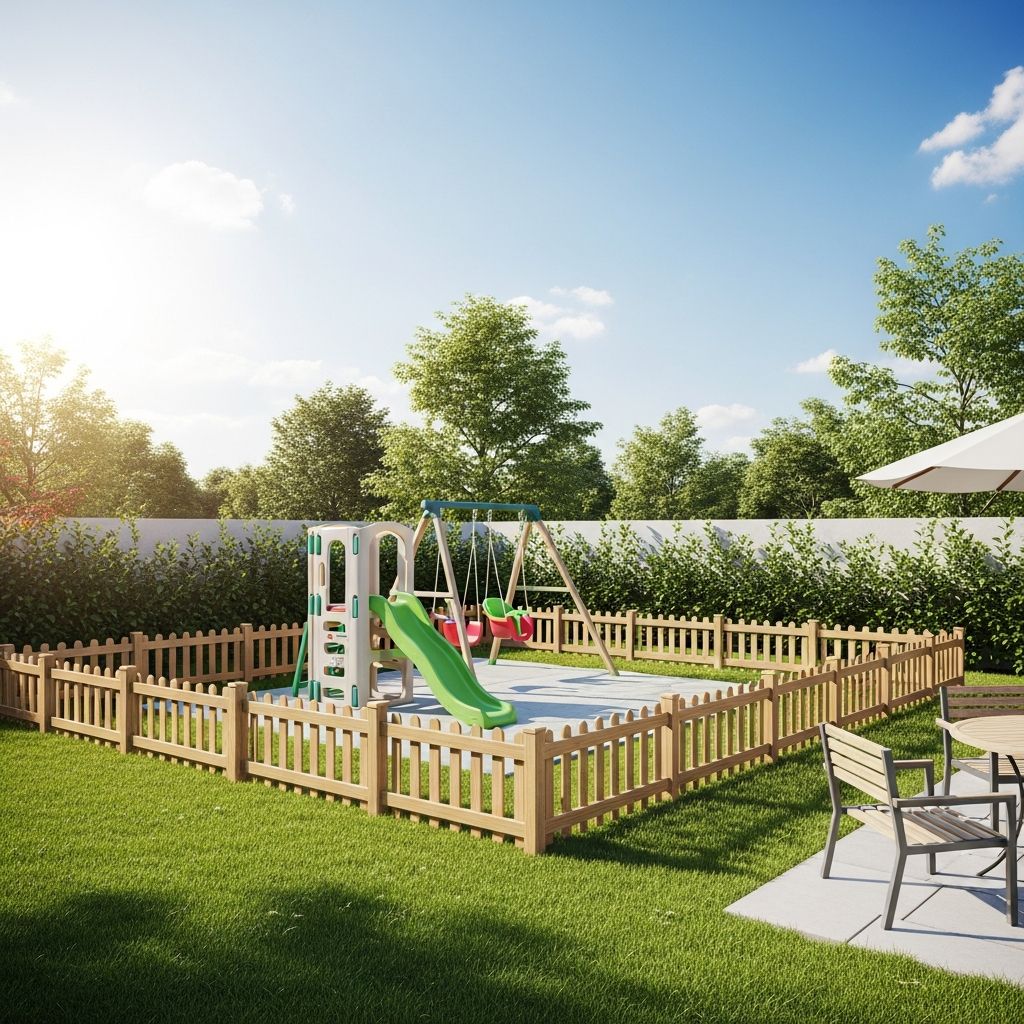
Your outdoor space should be a place of joy and discovery for children, but hidden dangers like sharp objects, toxic plants, and unstable structures can turn fun into tragedy. This guide outlines proven methods to identify and eliminate risks, creating a protected environment where kids can play freely under supervision.
Establishing Secure Boundaries
The foundation of yard safety begins with robust perimeter protection. A sturdy fence at least 4-5 feet high prevents young children from wandering into streets or neighboring properties. Opt for materials like cedar or vinyl that resist climbing and weathering.
- Choose fences with vertical slats spaced no more than 4 inches apart to avoid head entrapment.
- Install self-closing, self-latching gates with locks positioned high out of reach.
- For pools or ponds, ensure barriers comply with local codes, typically requiring 5-foot heights and dual access points.
Regular inspections reveal loose boards or protruding hardware that could cause injuries. Tighten screws and replace damaged sections promptly.
Clearing Hazards from the Ground Up
Start with a thorough sweep of the yard to remove debris such as broken glass, thorns, sharp sticks, and rocks. Overgrown grass harbors insects and small animals that pose bite or sting risks.
| Hazard Type | Risk to Children | Solution |
|---|---|---|
| Sharp debris | Cuts, punctures | Daily sweeps, rake piles |
| Overgrown areas | Insect bites, trips | Mow weekly, trim bushes |
| Bare patches | Hard falls | Reseed, aerate soil |
Maintain even lawn growth through aeration and proper watering to improve drainage and cushion falls. Soft surfaces like mulch or padded mats under play zones reduce impact injuries.
Safeguarding Play Structures and Equipment
Backyard swings, slides, trampolines, and climbers demand rigorous checks. Look for rust, loose bolts, frayed ropes, and cracking plastics. Anchor equipment deeply to prevent tipping.
- Trampolines: Limit to one user at a time; under age 6, supervision is mandatory due to high injury rates from springs and multi-jumper falls.
- Sandboxes: Cover when unused to block animals; sift for contaminants.
- Inspect steps, decks, and porches for splinters, gaps, or wobbles.
For elevated decks, add railing guards over wide balusters and secure furniture away from edges to deter climbing.
Eliminating Toxic and Allergic Threats
Gardens often hide dangers in plants and chemicals. Remove or relocate poisonous varieties like oleander, foxglove, or nightshade. Store fertilizers, pesticides, and tools in locked sheds.
Allergens from pollen-heavy shrubs or stinging insects require vigilant control. Use natural repellents and teach kids to avoid unfamiliar greenery.
Managing Water Features Securely
Pools, hot tubs, birdbaths, and even buckets present drowning hazards. Surround water areas with compliant fencing and install alarms on access doors.
- Drain small containers after use.
- Teach ‘no water without adult’ rule from toddlerhood.
- For ponds, add mesh covers or steep edging.
Power Tools and Storage Safety
Lawnmowers, trimmers, and fuels must be inaccessible. Lock them in garages with childproof latches and keep kids indoors during operation.
Gasoline and oils go in sealed cabinets. Automatic garage doors need sensors tested monthly.
Family Rules and Ongoing Vigilance
Safety rules reinforce physical changes. Hold regular family meetings to review ‘no fire play,’ ‘one at a time on trampoline,’ and ‘check with adult first.’
Supervise play, especially for under-5s. Annual professional audits catch overlooked issues.
Frequently Asked Questions
What is the best fencing height for toddlers?
A minimum 4-foot fence with no climbable features; 5 feet for pool areas per standard guidelines.
Are rubber mats safe under swings?
Yes, 6-12 inches deep provides fall protection up to 10 feet, outperforming grass.
How often should I inspect play equipment?
Weekly visual checks, monthly deep inspections, post-storm reviews.
What if I rent and can’t install fences?
Use portable gates, playpens, or sectioned areas with mesh barriers.
Can artificial turf replace grass?
It offers even cushioning and low maintenance but ensure UV resistance and drainage.
Advanced Modifications for Active Families
For older kids, incorporate impact-absorbing paths around structures. Smart sensors on gates alert phones to unauthorized openings.
Sustainable options like native plants reduce allergens and maintenance. LED lighting marks paths at dusk, preventing trips.
References
- Childproofing Your Garage and Yard — Alan’s Factory Outlet. 2023. https://alansfactoryoutlet.com/articles/childproofing-your-garage-and-yard/
- Backyard Safety Tips — Perma Child Safety. 2024. https://permachildsafety.com/blogs/news/kids-backyard-safety-tips
- Child-Safe Landscaping – 7 best Ways — MPR Landscapes. 2023-05-15. https://mprlandscapes.com/child-safe-landscaping/
- Tips for Keeping Your Kids Safe Outdoors — Childproofing Experts. 2024. https://www.childproofingexperts.com/tips-for-keeping-your-kids-safe-outdoors/
- Guide to Childproofing Your Yard — Honey Tree Early Learning Center. 2023. https://honeytreeelc.com/blog/guide-to-childproofing-your-yard
- Childproof Your Yard With These 3 Helpful Tips — AmeriFence USA. 2024-01-10. https://www.amerifenceusa.com/blog/childproof-your-yard-with-these-3-helpful-tips/
Similar Articles





Read full bio of medha deb