How to Choose a Garden Hose That Won’t Drive You Crazy
Everything you need to know to finally buy a hose that doesn’t kink, leak or fall apart.
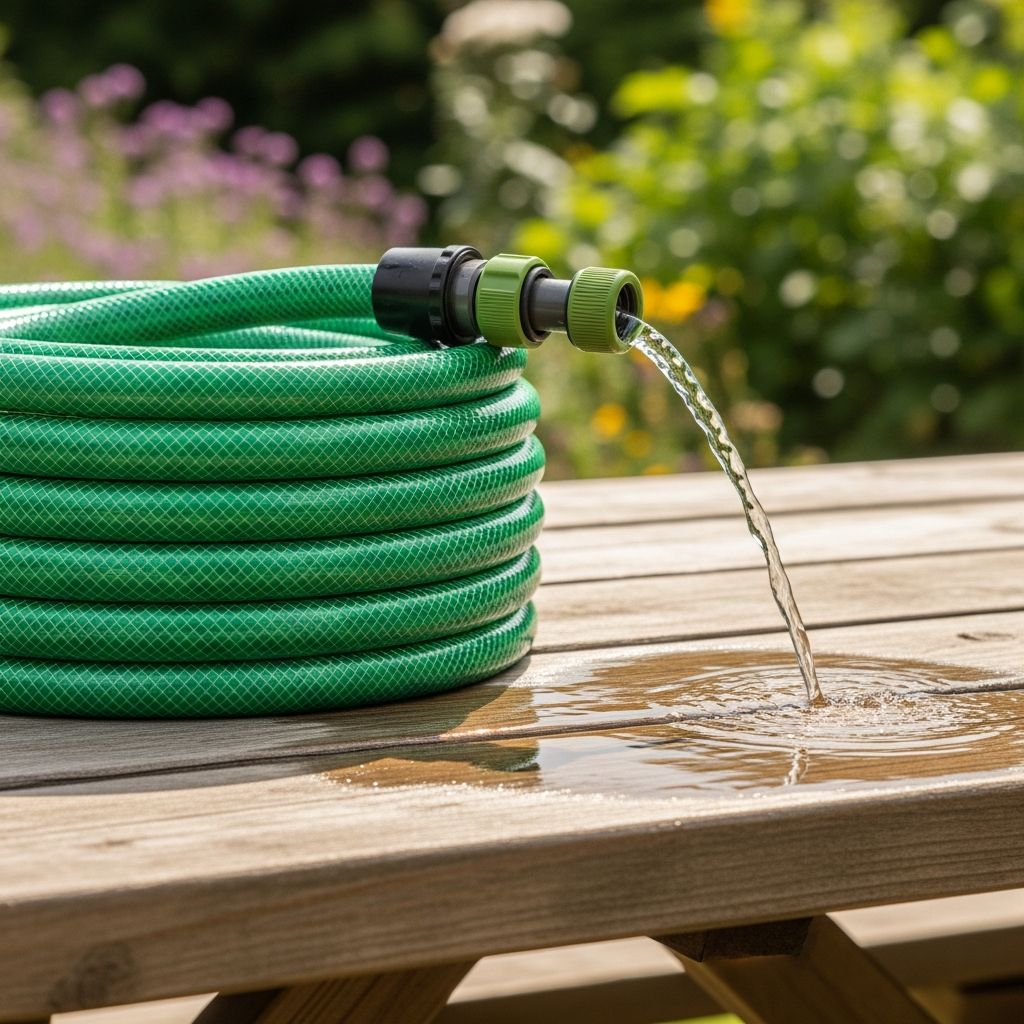
Few tools are as simple yet as maddening as a garden hose. One moment it’s watering your flowers; the next it’s kinked, leaking at the spigot and leaving you soaked instead of your plants. The good news is that most of this frustration comes down to buying the wrong hose for how you actually use it. With a little planning and understanding of hose types, you can choose one that behaves itself season after season.
Why So Many Garden Hoses Feel Terrible to Use
The cheap hose hanging on many hose racks is designed to hit a price point, not to make your life easier. Thin walls, low-quality vinyl, flimsy couplings and poor kink resistance create a perfect storm of problems once the hose is under pressure.
- Lightweight bargain hoses twist easily, creating sharp bends that cut off the water flow.
- Inexpensive fittings deform, cross-thread or leak when you tighten them.
- Exposure to sun, freezing temperatures and rough handling quickly causes cracking and pinholes.
Instead of fighting these built-in flaws, it’s smarter to match the hose’s design to your yard, water pressure and the way you actually work outside.
Step 1: Measure Your Real Watering Zone
Before you think about materials or fancy features, figure out how far the hose needs to reach. Oversized hoses are heavy, hard to move and more likely to tangle; hoses that are too short tempt you to stretch them tight around corners, which causes kinks and damaged fittings.
- Find the main spigot you’ll use most often for watering.
- Walk the longest route you expect the hose to cover: to the farthest flower bed, lawn corner or driveway spot you plan to wash.
- Use a tape measure or measure your stride (for example, ten 3-foot steps = about 30 feet).
- Add at least 10 feet to your measurement to account for going around obstacles and making comfortable turns.
For many small to medium yards, a 50-foot hose is ideal. Larger yards often benefit from two 50-foot hoses kept at different spigots instead of one heavy 100-footer that’s difficult to drag around.
Step 2: Understand Hose Diameter and Water Flow
Garden hoses come in several common inside diameters: 1/2 inch, 5/8 inch and 3/4 inch. In simple terms, wider hoses carry more water at once, which means stronger flow at the nozzle, but they’re heavier to handle.
| Hose Diameter | Typical Use | Pros | Cons |
|---|---|---|---|
| 1/2 inch | Small patios, balcony gardens, light watering | Very lightweight; easy to coil; good for short runs | Lower flow; not ideal for sprinklers or long distances |
| 5/8 inch | Typical suburban yards, mixed tasks | Good balance of flow and weight; works with sprinklers and nozzles | Heavier than 1/2 inch, especially beyond 50 feet |
| 3/4 inch | Large yards, high-flow jobs like washing vehicles or filling pools | Maximum flow; handles long runs without much pressure loss | Bulky and heavy; overkill for casual watering |
If you mostly hand-water plants or rinse tools, a 1/2-inch or lightweight 5/8-inch hose is usually fine. If you run sprinklers, pressure nozzles or need a strong jet for driveway cleaning, 5/8 inch is a smart default. Reserve 3/4 inch for long runs or heavy-duty use where you truly need maximum water volume.
Step 3: Compare Hose Materials
The hose material determines how it behaves in your hands: whether it kinks, how it feels in cold weather and how long it lasts in the sun. Each common material has strengths and trade-offs.
Vinyl Hoses
Vinyl (often labeled as PVC) is the most common material in budget hoses. These hoses are lightweight and inexpensive, but they have the shortest lifespan and the greatest tendency to kink sharply when you pull them around corners.
- Best for: Occasional use, small spaces, or someone on a very tight budget.
- Watch out for: Cracking in sun, stiff behavior in cold weather, and noticeable kinking if you twist the hose.
Rubber Hoses
Rubber hoses cost more upfront but are significantly tougher. They tend to stay more flexible in cooler temperatures and resist abrasion better if you drag them over concrete or gravel. Many rubber hoses also have good kink resistance because of thicker walls and internal reinforcement.
- Best for: Frequent use, mixed yard and driveway jobs, households that are tired of replacing cheap hoses every season.
- Watch out for: Added weight, especially in longer lengths, and a higher price tag.
Hybrid and Polyurethane Hoses
Hybrid hoses blend rubber and synthetic materials to stay flexible while shaving off weight. Polyurethane hoses are known for remaining supple in a wide range of temperatures and for being more kink-resistant than basic vinyl.
- Best for: Homeowners who want a “nice to use” everyday hose that’s lighter than pure rubber but still durable.
- Watch out for: Quality varies by brand; look for reinforced construction and solid warranty support.
Specialty Hoses: Expandable, Soaker and Coiled
Beyond standard round hoses, several specialty designs solve specific problems like storage space, water efficiency and ease of use in tight areas.
- Expandable hoses: These start short, then expand to several times their length when filled. They’re very light and easy to store but can be punctured by sharp objects and don’t like high, constant pressure.
- Soaker hoses: Perforated hoses that slowly seep water into the soil. Perfect for deep, even watering of flower beds or vegetable gardens without wasting water on foliage.
- Coiled hoses: Spring-shaped hoses that automatically retract when you let go. Great for patios, balconies and small courtyards where storage space is limited.
Step 4: Check the Hose Construction Details
Two hoses made from the same basic material can behave very differently depending on how they’re built. A quick look at the packaging and fittings can reveal a lot about quality and kink resistance.
- Wall thickness: Hoses are often described by layers or “plies.” More layers usually mean thicker walls that resist kinking and bursting, though they also add weight.
- Reinforcement: Look for mention of mesh, braided or spiral reinforcement. These internal layers help the hose hold its shape and reduce sharp kinks when you pull on it.
- Pressure rating: For most home use, any standard rating is fine, but if you plan to use high-pressure nozzles, look for a higher burst pressure for safety.
Step 5: Don’t Ignore the Fittings
The connectors on the ends of the hose—often called couplings or fittings—are small parts that make a big difference in daily use. Leaky or easily damaged fittings are a common reason people give up on an otherwise usable hose.
- Material: Brass or metal fittings are more durable and resist cross-threading better than thin plastic. They also hold up better if the hose gets stepped on or run over.
- Shape: Larger, ergonomically shaped connectors are easier to grip and tighten by hand, especially if your hands are wet or arthritic.
- Swivel ends: Some hoses offer a rotating connector at one end, which lets the hose spin freely as you move, reducing twists at the spigot.
Spending a little more for solid, well-machined fittings often pays off in fewer leaks, easier attachment to spigots and longer hose life.
Step 6: Match the Hose to Your Climate and Storage
Where and how you store the hose matters almost as much as what it’s made from. Sun, heat, cold and constant pressure can shorten the life of any hose if it’s not stored thoughtfully.
- Hot, sunny climates: Look for UV-resistant materials and avoid leaving hoses full of water in direct sunlight. Dark colors may get very hot; lighter colors stay cooler.
- Cold climates: Choose materials that stay flexible in lower temperatures, and always drain and store hoses indoors before hard freezes to prevent internal damage.
- Storage options: Wall-mounted reels, free-standing reels, hose pots and simple hangers all help keep the hose out of the sun, off sharp edges and neatly coiled to prevent tangles.
Practical Buying Scenarios
To make everything more concrete, it helps to think in terms of typical outdoor setups and the hose that best fits each situation. Use these examples as templates and adjust for your own yard.
- Small patio or balcony: A 25- to 50-foot, 1/2-inch lightweight hose or coiled hose connects to a nearby spigot for watering containers without taking up storage space.
- Average suburban yard: A 50-foot, 5/8-inch hybrid or rubber hose with brass fittings and good kink resistance handles everything from garden beds to washing a car in the driveway.
- Large property with multiple zones: Two or more 50-foot, 5/8-inch hoses stored on reels near separate spigots are easier to manage than one 100-foot hose dragged everywhere.
- Dedicated vegetable beds: A network of soaker hoses snaked through the beds delivers slow, deep watering with minimal evaporation and less time spent hand-watering.
How to Reduce Kinks and Tangles in Any Hose
Even a high-quality hose can kink if it’s handled roughly. Simple habits when you first unbox the hose and each time you use it can dramatically cut down on annoying tangles.
- Relax it in the sun: Before first use, lay the hose out straight in the sun for an hour to let it warm up and “remember” a straight shape.
- Unwind fully before pressurizing: Don’t turn on the water while the hose is tightly coiled; walk it out and remove loops first.
- Use large coils: When you’re done, coil the hose in wide, relaxed loops instead of tight, twisting circles that build internal memory.
- Avoid sharp corners: Guide the hose gently around obstacles instead of yanking it, which forms sudden, hard kinks.
Basic Care to Make Your Hose Last Longer
A little maintenance goes a long way toward keeping your hose behaving well for years. Treat it as a real tool, not a disposable accessory, and it will reward you with fewer leaks and failures.
- Drain after use: When you’re finished, disconnect and hold one end high to let water run out. This reduces internal pressure and protects against freezing damage.
- Store off the ground: Keep the hose on a reel, hanger or in a pot rather than in a heap on the lawn, where it can grow mold, attract pests or be damaged by mowers.
- Protect the ends: Avoid dropping fittings on hard surfaces and keep rubber washers inside the couplings in good condition to prevent leaks.
- Relieve pressure: Never leave a hose pressurized at the nozzle while the spigot is open for long periods. Constant internal pressure stresses the walls and fittings.
Common Garden Hose Problems and Simple Fixes
Before throwing away a problematic hose, it’s often worth trying a quick repair. Many issues are localized and easy to correct with inexpensive parts from a hardware store.
- Leak at the faucet: First, replace the rubber washer inside the female end of the hose. If it still leaks, inspect the threads for damage and consider swapping the end fitting with a screw-on replacement.
- Pinholes along the hose: If there are just one or two small damaged areas, you can cut out the bad section and rejoin the hose with a mender kit. Multiple cracks usually signal that the material has aged beyond practical repair.
- Persistent kinking in one spot: Straighten the hose and warm it in the sun, then reverse-coil it a few times to retrain the bend. If the wall has collapsed internally, a short cut-and-mend may be the only answer.
Frequently Asked Questions
What hose length is best for most yards?
For many homes, 50 feet is a sweet spot because it reaches across a typical front or back yard without becoming too heavy or awkward. If you have a larger lot or spigots far from planting beds, consider multiple 50-foot hoses instead of a single very long one to keep each run manageable.
Is a kink-free hose really kink-free?
No hose is completely immune to kinking, but some are much more resistant thanks to thicker walls, better internal reinforcement and flexible materials. Look for hoses marketed as kink-resistant rather than believing any claim that a hose will never kink under real-world use.
Are drinking-water-safe hoses worth it?
If you ever plan to drink from the hose, fill pet bowls, or water herbs and vegetables that children might snack on directly, it makes sense to choose a hose labeled safe for potable water. These hoses use materials and linings designed to limit leaching of chemicals into the water.
Why does my hose get stiff in cool weather?
Many basic vinyl hoses become rigid when temperatures drop, which makes them more prone to kinks and difficult to coil. Hybrid, rubber or polyurethane hoses generally stay more flexible in cooler conditions and are a better choice if you water in the early morning or during shoulder seasons.
How often should a good garden hose be replaced?
With reasonable care—draining after use, storing out of harsh sun and preventing freeze damage—a quality hose can easily last several years or more. When repairs become frequent or the material shows widespread cracking and stiffness, it’s time to invest in a new hose that better matches how and where you use it.
Bringing It All Together
Choosing a garden hose that actually works comes down to a handful of smart decisions: measuring your space carefully, picking the right diameter, choosing a material that matches your climate and usage, and insisting on solid fittings and reasonable construction. When you combine those choices with good handling habits and basic maintenance, your hose stops being a daily source of irritation and becomes a reliable partner for everything from gentle watering to serious cleanup work.
Similar Articles





Read full bio of Sneha Tete