Christmas Tree Farming: Growing Holiday Trees
Learn how Christmas trees are grown, harvested, and processed on modern tree farms.
Understanding Christmas Tree Farming
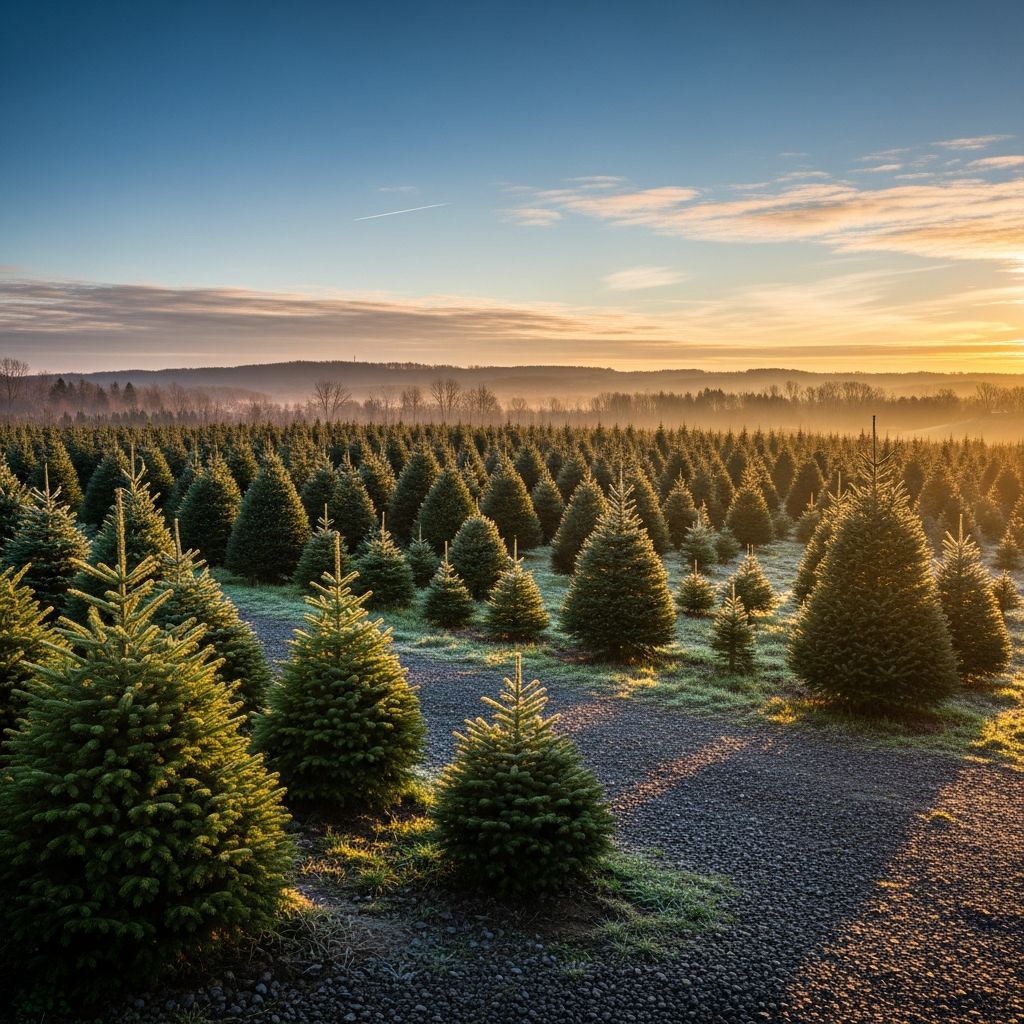
Christmas tree farming is a significant agricultural industry that supplies millions of families with fresh, natural holiday trees each year. Tree farms are carefully managed operations that combine agricultural expertise with sustainable forestry practices. Unlike simply cutting trees from forests, commercial Christmas tree farms operate on controlled schedules, with specific varieties grown for market demand. This guide explores the complete process of how Christmas trees are cultivated, harvested, and prepared for your home.
The modern Christmas tree farm represents a substantial investment in time, land, and resources. Farmers must understand tree biology, market trends, pest management, and equipment operation to successfully produce quality trees. Many farms have been in operation for generations, passing down knowledge about optimal growing conditions and harvesting techniques to new generations.
The Growth Timeline of Christmas Trees
One of the most surprising facts about Christmas tree farming is the lengthy growth period required to produce a market-ready tree. Most Christmas trees sold commercially take between five to seven years to reach harvestable size, depending on the species, climate conditions, and management practices.
Young trees grow approximately 12 inches per year under ideal conditions. This means a tree that appears mature in your home has been carefully tended for nearly a decade on the farm. The growth rate varies significantly based on tree species, soil quality, water availability, and temperature. Trees in northern climates may grow more slowly than those in moderate zones, affecting harvest schedules and farm planning.
Understanding this extended growth cycle helps explain why Christmas tree farming requires patience and long-term planning. Farmers must maintain fields at various growth stages simultaneously, ensuring a continuous supply of harvestable trees each season. Many farms divide their property into sections representing different age groups, creating a natural rotation system.
Popular Christmas Tree Varieties
Christmas tree farms cultivate numerous species, each offering distinct characteristics that appeal to different preferences. Understanding these varieties helps consumers make informed selections when visiting tree farms or choosing between options.
Balsam Fir: Known for excellent needle retention and a classic conical shape, balsam firs are particularly popular in northeastern regions. These trees maintain their needles longer than many alternatives and have a naturally pleasant fragrance.
Fraser Fir: This species offers strong branch structure and excellent needle retention, making it ideal for holding ornaments and lights. Fraser firs are particularly popular for commercial sales and command premium prices due to their desirable characteristics.
Scotch Pine: One of the most widely grown varieties, Scotch pine trees are hardy, maintain their needles well, and offer an attractive appearance. They’re known for their stiff branches and pleasant needle color.
Spruce Trees: Various spruce species are cultivated on Christmas tree farms. While they offer an attractive appearance, spruce needles don’t retain moisture as effectively as firs, making them better suited for those who prefer a traditional look without the longevity requirements.
Cedar and Cypress: These species offer alternative options for consumers seeking unique appearances or those with specific preferences. Cedar trees provide aromatic qualities, while cypress varieties offer distinctive needle structures.
Tree Farm Operations and Scale
Commercial Christmas tree farms operate on impressive scales. Successful operations typically manage thousands of trees across multiple fields, with some farms selling over 2,000 trees annually. These numbers represent careful inventory management and strategic planting schedules.
The operations require sophisticated infrastructure including equipment for planting, maintaining, and harvesting trees. Farmers invest in specialized machinery to ensure efficient processing and maintain tree quality. Many farms employ seasonal workers during peak harvesting periods to manage the volume of trees being cut and prepared.
Farm layout is strategic, with different sections devoted to trees at various growth stages. This organization allows farmers to manage specific age groups appropriately, applying different maintenance practices based on tree maturity. Some farms implement erosion control measures, maintain firebreaks, and manage pest populations across their property.
The Harvesting Process
Harvesting Christmas trees requires both skill and proper technique. Tree farmers and customers who cut their own trees must follow specific procedures to ensure tree health and quality.
Selecting the Right Tree: Before cutting, examine the tree carefully for overall shape, needle density, and branch strength. Look for trees that are full all the way around without significant bare spots or dead branches. Check the height against your space requirements, accounting for the tree stand height. Inspect the tree for bird nests or wildlife habitats before cutting.
Making the Cut: The cutting technique significantly impacts tree health and longevity. Keep the stump low to the ground, which is preferred by tree farmers and allows better water absorption. Make a clean cut that goes completely through the bark, avoiding tears or splinters that can damage the tree’s ability to absorb water in the stand. Don’t allow the tree to flop over during cutting, as this can cause damage.
Preparation for Transport: After cutting, trees need proper handling to prevent needle loss and damage. Most commercial farms provide services to shake out loose needles, bag the tree, and secure it to vehicles. If doing this yourself, ensure the tree is tied tightly and securely to your vehicle with the butt end facing forward.
Post-Harvest Processing
Professional Christmas tree farms employ several processing techniques to prepare trees for customer delivery or retail sale. These processes enhance tree appearance, facilitate transportation, and improve water absorption once installed in home stands.
Tree Shaking: Commercial tree shakers remove loose needles and debris from the tree’s interior and exterior. This equipment gently vibrates the tree, dislodging dead needles while preserving living foliage. The process improves the tree’s appearance and reduces needle drop during transport.
Drilling for Water Absorption: A crucial processing step involves drilling a hole in the tree’s base to facilitate water absorption. The Christmas tree drill creates a perfectly sized hole that allows the tree to sit securely in a stand while accessing water. This step is essential for tree longevity in your home.
Netting and Wrapping: Many farms wrap processed trees in netting for compact transportation. This prevents needle loss during transit and makes trees easier to handle. The netting is easily removed once the tree reaches its destination.
Flocking Services: Some farms offer decorative flocking, which applies a white or colored coating to the tree’s needles to create a snowy appearance. This cosmetic enhancement is popular among customers seeking a specific aesthetic for their holiday decorations.
Sustainable Tree Farming Practices
Modern Christmas tree farming incorporates sustainable practices that benefit the environment while maintaining profitability. Real Christmas trees offer significant environmental advantages over artificial alternatives. Natural trees are completely biodegradable and can be recycled through multiple pathways including composting, mulching, or chipping for landscape use. In contrast, artificial trees typically wear out after a decade and end up in landfills where they persist for decades.
Sustainable tree farms implement erosion control measures, maintain biodiversity through responsible pest management, and often use minimal chemical inputs. Many farms restore forest habitats, support wildlife, and contribute positively to their local ecosystems. Tree farming also sequesters carbon during the growth period, providing climate benefits that artificial tree production doesn’t match.
Preparing to Cut Your Own Tree
For those who prefer to cut their own Christmas tree, proper preparation ensures a successful and enjoyable experience. Before leaving your home, take several important steps to maximize your efficiency and comfort.
Check the Weather: Verify weather conditions and dress appropriately for the season and outdoor work. Comfortable clothing allows you to focus on selecting the perfect tree rather than dealing with discomfort.
Measure Your Space: Bring a tape measure and measure both the height and width of your intended placement. Also measure doorways to ensure the tree can fit through them and into your home. This prevents disappointment when you arrive home with an oversized tree.
Bring Essential Equipment: While most tree farms provide saws, it’s acceptable to bring your own if you prefer. Bring a tarp to protect your vehicle and simplify transport, rope to secure the tree to your vehicle, and consider bringing sleds or carts if available. These supplies make the process cleaner and more efficient.
Research Tree Varieties: Before visiting the farm, decide what type of tree appeals to you. Each variety offers different characteristics regarding needle retention, appearance, and fragrance. Most farms provide maps showing where different varieties are located.
Caring for Your Tree at Home
Proper care extends your tree’s lifespan and maintains its appearance throughout the holiday season. When you bring your tree home, don’t immediately place it in the stand if you’re not ready to display it. Leave the tree outside initially, which helps it acclimate and reduces shock when it’s moved inside.
Before placing the tree in its stand, make a fresh cut about half an inch above the original cut made at the farm. This opens the wood’s vessels, allowing improved water absorption. This simple step significantly extends tree life and maintains needle retention. Keep the stand filled with fresh water, checking levels daily as trees consume considerable water during display.
Economic Impact of Christmas Tree Farming
Christmas tree farming represents a substantial economic sector supporting rural communities across the country. The industry provides seasonal and permanent employment, supports equipment manufacturers and suppliers, and contributes significant revenue to agricultural regions. Successful tree farms often expand their operations to include complementary services such as gift shops, wreaths, garland production, and holiday decorations.
Many family-owned tree farms have operated successfully for multiple generations, becoming beloved community institutions. These farms often offer unique experiences including hayrides, holiday celebrations, and educational programs that attract families year after year. The combination of economic benefits and cultural significance makes Christmas tree farming important to many rural economies.
Frequently Asked Questions
Q: How long does a Christmas tree take to grow on a farm?
A: Most Christmas trees require five to seven years to reach harvestable size, with growth averaging about 12 inches per year depending on species and growing conditions.
Q: What’s the difference between Christmas tree varieties?
A: Different varieties offer varying needle retention rates, branch strength, appearance, and fragrance. Balsam fir and Fraser fir maintain needles longest, while Scotch pine is hardy and widely available. Each variety serves different preferences.
Q: Should I cut my tree or buy one pre-cut?
A: Cutting your own tree offers a fresh cut that improves water absorption, though pre-cut trees are convenient. Ensure any pre-cut tree receives a fresh cut before being placed in water.
Q: How should I transport my tree home?
A: Secure the tree tightly to your vehicle with the butt end facing forward. Use rope or tie-downs, and consider lining your vehicle with a tarp to contain needles. Most farms provide securing and bagging services.
Q: Why is recycling my Christmas tree important?
A: Real Christmas trees are fully biodegradable and can be recycled through composting or chipping, contrasting sharply with artificial trees that persist in landfills for decades.
Q: How often should I water my Christmas tree?
A: Check your tree’s water level daily, as trees consume considerable water during display. Maintain adequate water to maximize needle retention and extend tree life throughout the season.
References
- Family Handyman Christmas Tree Farming Guide — The Family Handyman Editorial Team. Accessed December 2025. https://www.familyhandyman.com/article/christmas-tree-farming/
- U.S. Christmas Tree Market Overview — National Christmas Tree Association. 2024. https://www.realchristmastrees.org/
- Environmental Benefits of Real Christmas Trees — Sustainable Forestry Initiative. 2024. https://www.sfiprogram.org/
Similar Articles







Read full bio of Sneha Tete