Revive Your Stainless Steel: Conquering Burnt Popcorn Stains
Discover proven, kitchen-friendly methods to erase burnt popcorn residue from stainless steel cookware and restore its shine effortlessly.
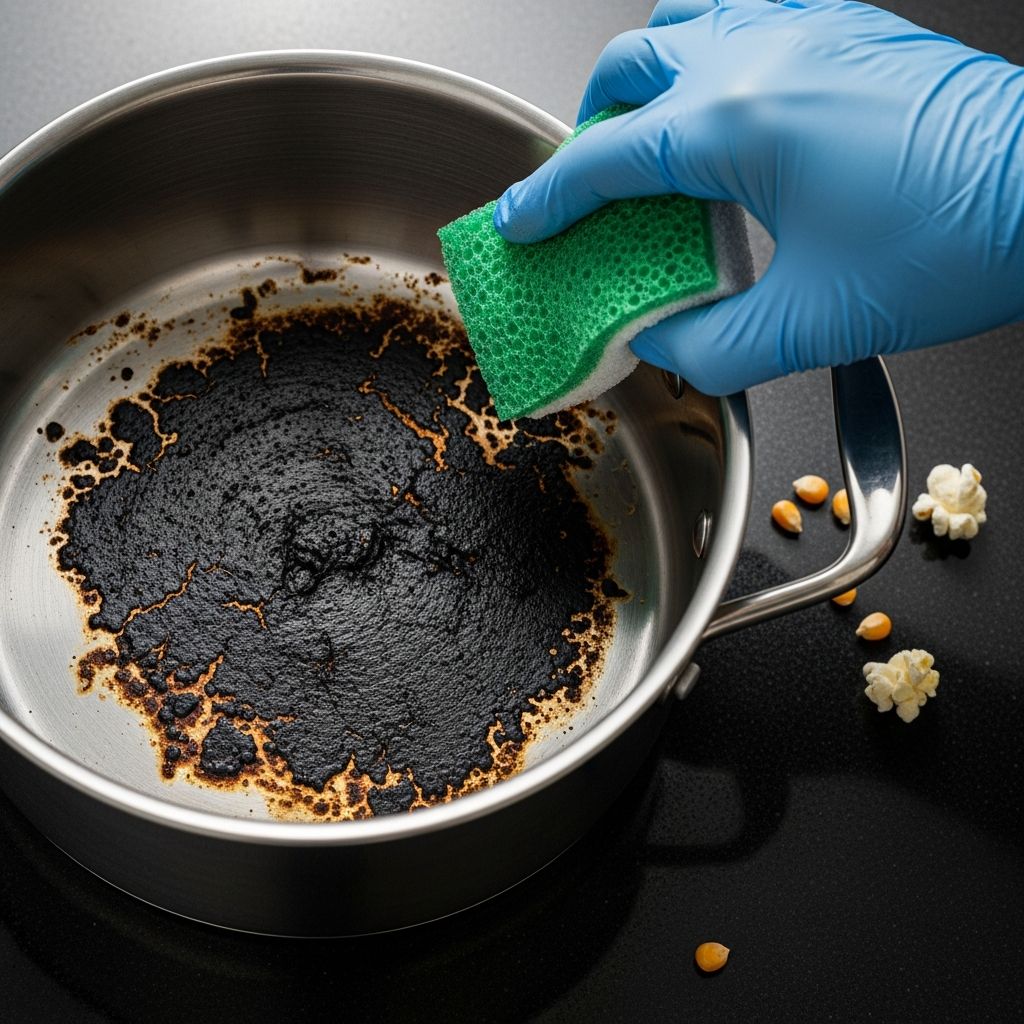
Nothing derails a movie night faster than the acrid smell of burnt popcorn clinging to your favorite stainless steel pan. Those blackened remnants can seem impossible to remove, leaving behind unsightly stains and a lingering odor. Fortunately, with everyday household items, you can transform that disaster back into a gleaming cooking essential. This comprehensive guide explores multiple reliable approaches, drawing from practical demonstrations and expert-recommended techniques to tackle burnt popcorn on stainless steel surfaces.
Understanding the Challenge of Burnt Popcorn on Stainless Steel
Stainless steel is prized for its durability and resistance to corrosion, but high-heat mishaps like overcooked popcorn create polymerized oils and charred particles that bond tightly to the metal. These residues not only mar the appearance but can affect future cooking if not addressed promptly. The key to success lies in softening these deposits through heat, acidity, or abrasion without damaging the protective chromium oxide layer on stainless steel.
Prevention starts in the kitchen: always use enough oil or butter when popping kernels, monitor heat closely, and avoid overcrowding the pan. Yet, accidents happen, and when they do, act quickly—fresh burns are easier to clean than set-in stains.
Preparation Steps for Any Cleaning Method
Before diving into specific techniques, follow these universal prep steps to maximize effectiveness and protect your cookware:
- Cool the pan completely to avoid thermal shock.
- Remove loose debris with a soft spatula or paper towel.
- Wear gloves if using abrasive tools to prevent slips.
- Work in a well-ventilated area, especially with boiling methods.
- Test any new cleaner on a small inconspicuous spot.
These steps ensure safety and efficiency, setting the stage for deep cleaning.
Method 1: Vinegar-Water Boil for Gentle Lifting
White vinegar’s acetic acid excels at breaking down burnt residues without harsh scrubbing. This method, highlighted in practical videos, is ideal for moderate burns.
- Fill the pan with equal parts white vinegar and water, covering the burnt area by an inch.
- Bring to a gentle simmer on medium heat for 10-15 minutes. The solution will loosen flakes as it bubbles.
- Use a butter knife or plastic scraper to gently chip away softened bits while hot.
- Drain, then scrub with a non-abrasive sponge and dish soap.
- For tougher spots, repeat with stronger vinegar concentration (2:1 vinegar to water).
Users report this revives pans effectively, often saving them from replacement. Rinse thoroughly to neutralize any vinegar scent.
Method 2: Baking Soda and Aluminum Foil Scrub
A dynamic duo for stubborn stains, baking soda acts as a mild abrasive while aluminum foil provides micro-abrasion. This combo shines for popcorn fires.
| Step | Action | Time Estimate |
|---|---|---|
| 1 | Boil dish soap water, scrape loose food | 5 minutes |
| 2 | Sprinkle baking soda over burns, add water, boil 5-10 min | 10 minutes |
| 3 | Cool, drain, make baking soda slurry | 10 minutes cooling |
| 4 | Ball up foil, scrub slurry into stains | 5 minutes |
| 5 | Rinse, soap wash, dry | 2 minutes |
The electrolysis-like reaction between foil, soda, and aluminum helps lift residue magically. Avoid on non-stick coatings.
Method 3: Salt Scour for Quick Surface Cleans
Coarse salt’s grit makes it a no-fuss option for light burns. It’s eco-friendly and adds no chemicals.
- Spread 1/2 cup coarse kosher salt over stains.
- Add lemon juice or water to form a paste; let sit 5-10 minutes.
- Scrub with a sponge or halved lemon for natural acidity.
- Wipe clean and rinse.
This method preserves stainless steel’s polish while deodorizing.
Method 4: Baking Soda Paste Deep Clean
Pure baking soda paste tackles rainbow heat tints from overheating. It’s gentle yet powerful.
- Mix baking soda with water to peanut butter consistency.
- Apply generously to cooled pan bottom.
- Let sit 15-30 minutes or overnight for heavy buildup.
- Scrub with a stainless steel pad, rinse, repeat if needed.
Enhance with vinegar for fizzing action that lifts deeper.
Method 5: Commercial Boosters for Pro Results
For persistent stains, powdered cleaners like Bar Keepers Friend (oxalic acid-based) cut through effortlessly.
- Wet pan, sprinkle powder, rub in circles with sponge.
- Let sit 1-2 minutes, scrub, rinse.
- Follow with stainless steel polish for shine.
Forum users swear by this for premium brands like All-Clad.
Advanced Techniques for Extreme Burns
If basics fail, combine methods: boil vinegar first, then baking soda scrub. For heat tints, prolonged baking soda soaks work wonders. Always cool fully before abrasives to prevent warping. Avoid steel wool on polished finishes to dodge scratches.
Post-Cleaning Care and Polishing
After success, polish with microfiber and olive oil for protection. Store dry to prevent water spots. Regular maintenance—like hot soapy washes—keeps pans pristine.
Common Mistakes to Avoid
- Cold water on hot pan: Causes pitting.
- Over-scrubbing: Scratches finish.
- Ignoring odors: Simmer lemon water post-clean.
- Harsh chemicals: Bleach erodes steel.
Frequently Asked Questions (FAQs)
Can I use these methods on all stainless steel cookware?
Yes, for standard grades like 18/10. Check manufacturer guidelines for clad or specialty pans.
How long does vinegar smell linger?
It dissipates after thorough rinsing and airing; a lemon boil neutralizes it quickly.
Is aluminum foil safe for stainless steel?
Absolutely, in ball form with baking soda—it cleans without scratching.
What if the burn won’t budge after trying everything?
Professional refinishing or replacement may be needed, but persistence with repeats often wins.
Does salt scratching occur?
Coarse salt is safe if rinsed well; finer table salt is gentler for polished surfaces.
Prevention Tips for Future Popcorn Pops
Invest in a dedicated popcorn maker, use stove-top poppers with lids, or microwave bags. On stovetop: medium heat, ample oil, constant shaking. These habits save cleanup time.
Mastering these techniques empowers any home cook to handle kitchen catastrophes. Your stainless steel pan, once a popcorn casualty, will shine brighter than before, ready for the next snack session.
References
- Easily Remove Burnt Popcorn From Stainless Steel Pot/Pan — Zizzbiz (YouTube). 2020-05-17. https://www.youtube.com/watch?v=B0GZhlT7zgM
- How to Clean a Burnt Stainless Steel Pan/Pot Back to Brand New — YouTube. 2020 (approx.). https://www.youtube.com/watch?v=hNN5hubHLto
- How to Clean a Burnt Stainless Steel Pan — Made In Cookware. Recent update (accessed 2026). https://madeincookware.com/blogs/how-to-clean-burnt-stainless-pan
- All-Clad Pan – Burnt Popcorn Residue – How to clean? — TVWBB Forum. 2006 (historical but relevant technique). https://tvwbb.com/threads/all-clad-pan-burnt-popcorn-residue-how-to-clean.41857/
Similar Articles



Read full bio of medha deb