Ultimate Guide to Cleaning Electric Stove Drip Pans
Discover proven, effortless methods to restore your stove drip pans to like-new shine without harsh scrubbing or daily hassle.
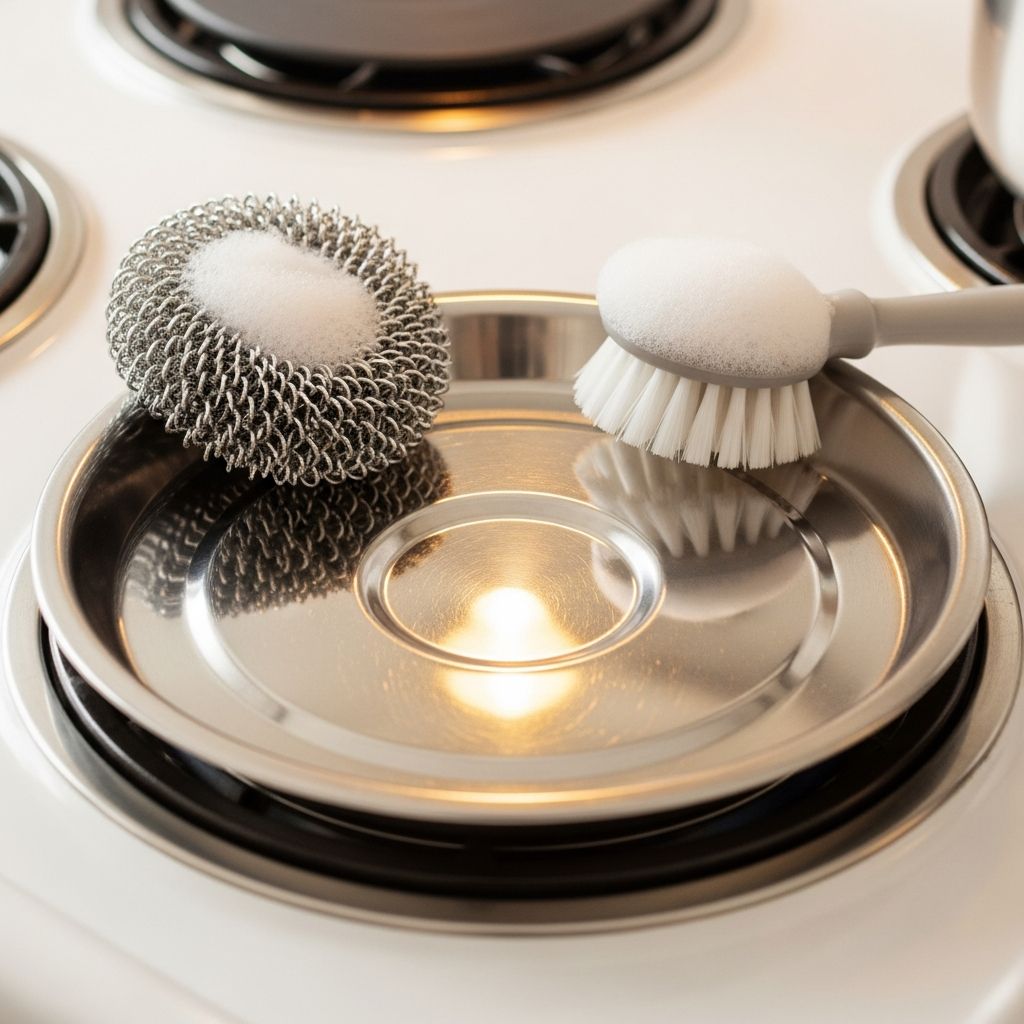
Electric stove drip pans collect spills, splatters, and burnt residues from everyday cooking, making them prone to stubborn buildup over time. Regular maintenance keeps your kitchen hygienic and your appliance functioning efficiently. This comprehensive guide explores safe removal techniques, powerful cleaning methods ranging from natural household solutions to commercial products, and long-term prevention tips to minimize future grime.
Understanding Drip Pans and Why Cleaning Matters
Drip pans, also known as drip bowls, sit beneath the heating coils on electric stovetops to capture overflow from pots and pans. Made typically from stamped steel or porcelain-coated metal, they endure high heat and food debris that bakes on quickly. Neglecting them can lead to unpleasant odors, reduced heating efficiency, and potential fire hazards from grease accumulation.
Cleaning frequency depends on usage: weekly for heavy cooks, monthly for light ones. Proactive care prevents permanent staining in crevices and folds, extending the life of your pans without needing replacements.
Safety First: Preparing to Clean Your Stovetop
Before starting, ensure the stove is completely cool to avoid burns—wait at least 30-60 minutes after use. Unplug the appliance or turn off the circuit breaker for added safety. Wear gloves when handling chemicals, and work in a well-ventilated area, preferably outdoors or near an open window.
- Locate and remove pans: Lift the heating element gently by its tabs and pull straight up. Drip pans clip into place, so they lift out easily without tools.
- Inspect for damage: Check for chips, rust, or warping. Minor imperfections are cosmetic, but severe damage may require replacement.
- Protect surfaces: Lay down newspaper or towels to catch drips during cleaning.
These steps ensure a smooth process and protect your stovetop.
Natural Cleaning Methods for Everyday Grime
For light to moderate buildup, household staples like vinegar, baking soda, and dish soap work wonders without toxic fumes. These eco-friendly options are cost-effective and safe for food prep areas.
Vinegar and Baking Soda Soak
This duo’s acidic and abrasive properties loosen baked-on food effectively. Start by scraping loose debris with a plastic scraper.
- Fill a sink or basin with hot water and 1 cup white vinegar. Submerge pans for 15-30 minutes.
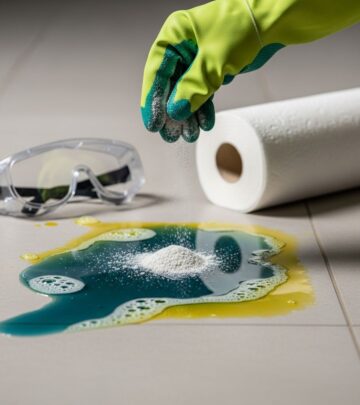
- Drain and sprinkle generously with baking soda to form a paste.
- Scrub with a non-abrasive sponge or brush, focusing on crevices. Rinse thoroughly and dry.
Results show significant improvement, though tight folds may need extra attention.
Dish Soap and Hot Water Quick Clean
For fresh messes post-cooking, hot soapy water suffices. Add a few drops of dish soap to boiling water, soak for 10 minutes, then scrub. Dry immediately to prevent water spots.
Pro Tip: Repeat weekly to avoid deep cleans altogether.
Advanced Techniques for Stubborn Stains
When natural methods fall short, escalate to stronger solutions. These tackle years of neglect but require caution.
Ammonia Fume Method
Ammonia’s vapors break down grease without direct contact. Place pans in a sealable plastic bag with 1/4 cup ammonia (not covering pans). Seal and leave overnight outdoors or in a bathtub.
Wearing gloves, rinse with soap and water the next day. Dispose of ammonia by diluting per safety guidelines to protect the environment.
Oven Cleaner Spray for Effortless Results
No-heat oven cleaners excel on caked-on residue. Spray generously, seal in a zip-top bag, and let sit overnight in a ventilated garage or outdoors.
Rinse under hot water; most grime wipes off with minimal scrubbing. Videos demonstrate pans emerging nearly new, outperforming baking soda in ease.
| Method | Effort Level | Time | Best For | Pros | Cons |
|---|---|---|---|---|---|
| Baking Soda Scrub | Medium | 45-60 min | Moderate grime | Cheap, natural | Hard on crevices |
| Oven Cleaner | Low | Overnight | Heavy buildup | Fast, thorough | Chemical fumes |
| Ammonia Soak | Low | Overnight | Grease stains | Effective fumes | Strong odor |
| Vinegar Soak | Low | 30-45 min | Light stains | Safe, accessible | Less power |
This comparison highlights oven cleaner’s edge in efficiency, though natural methods win for safety.
Special Considerations for Different Pan Types
Porcelain-coated pans resist stains but chip easily—avoid abrasives. Chrome or bare metal tolerates scrubbing better but rusts if not dried promptly.
- Replacement when needed: New pans cost $5-10 each; match size to your model.
- Coated vs. uncoated: Test cleaners on a small area first.
Prevention Strategies for a Cleaner Stovetop
Proactive habits reduce cleaning frequency dramatically.
- Wipe spills immediately with a damp cloth while warm.
- Use pan lids to contain splatters.
- Place foil liners (if approved by manufacturer) to catch drips—replace monthly.
- Schedule monthly deep cleans even if pans look okay.
Consistent upkeep keeps pans pristine and your kitchen smelling fresh.
Frequently Asked Questions (FAQs)
Can I put drip pans in the dishwasher?
Most are not dishwasher-safe due to their shape trapping residue and coatings degrading. Hand washing is best.
Is oven cleaner safe for stovetops?
Use only on removable pans, never on the stovetop surface. Follow label instructions and ventilate well.
How often should I replace drip pans?
Every 1-2 years if heavily used or damaged; otherwise, cleaning suffices indefinitely.
What if baking soda doesn’t work?
Escalate to ammonia or oven cleaner soaks for baked-on layers.
Are there natural alternatives to ammonia?
Yes, extended vinegar soaks or citrus-based cleaners mimic fume action mildly.
Reassembly and Maintenance Tips
Once dry, reposition pans, then clip heating elements back. Test on low heat to ensure fit. Maintain by avoiding high-sugar spills that caramelize quickly.
With these methods, your electric stove will look and perform like new, saving time and money long-term.
References
- How To Clean Stove Drip Pans Until They’re Spotless — Tasting Table. 2023-10-15. https://www.tastingtable.com/1443089/how-to-clean-stove-drip-pans/
- Test Comparison-Two Ways to Clean Stove Drip Pans — YouTube (Consumer testing video). 2020-05-20. https://www.youtube.com/watch?v=R9LbOUhJnAY
- THE BEST WAY TO CLEAN DRIP PANS/NO SCRUBBING/FAST — YouTube (Stephanie McQueen). 2020-08-05. https://www.youtube.com/watch?v=qpApMaHbfKc
Similar Articles



Read full bio of medha deb