Clean Lawn Mower Fuel Tank: Step-by-Step Guide
Master the art of cleaning your lawn mower's fuel tank to boost performance and avoid engine issues with our detailed DIY tutorial.
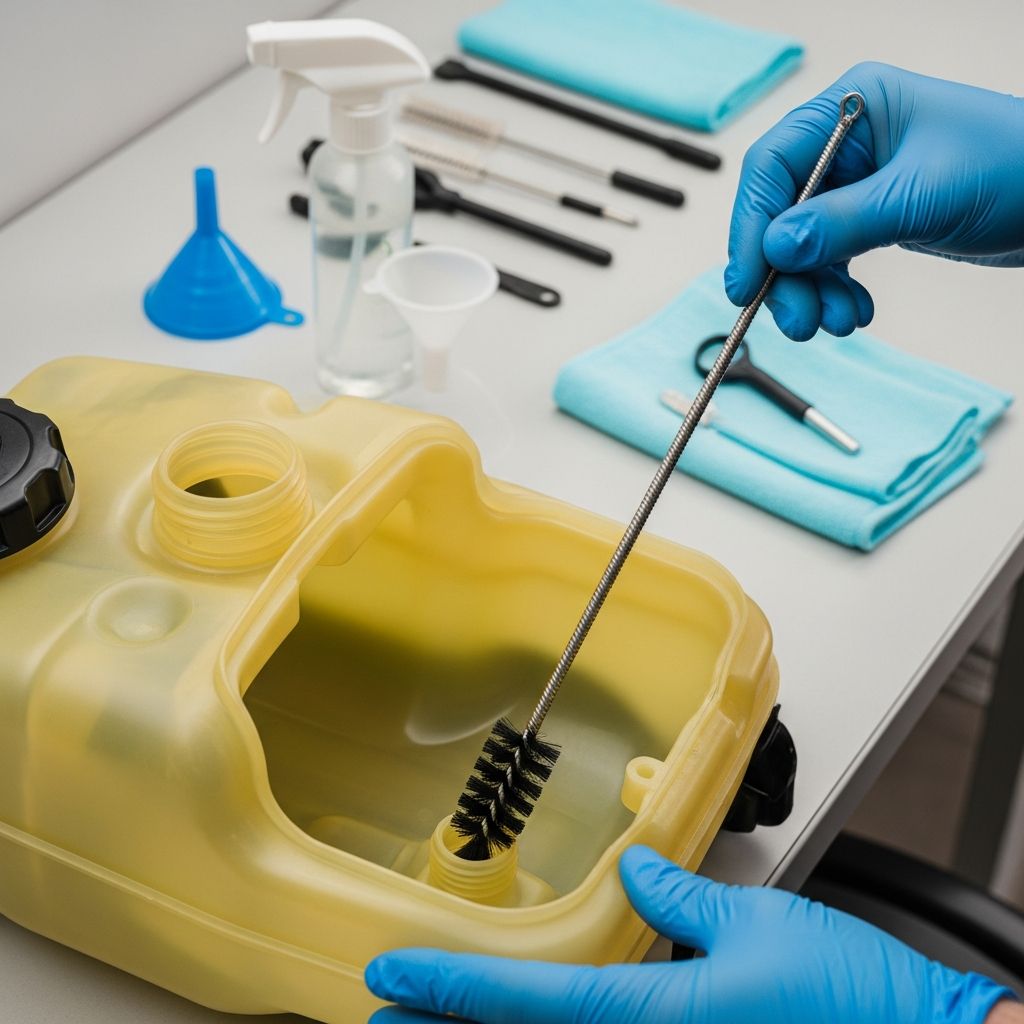
Your lawn mower’s fuel tank is a critical component that directly impacts engine performance. Over time, sediment, rust particles, and degraded fuel can accumulate inside, leading to clogged filters, carburetor issues, and frustrating starting problems. Regular cleaning restores fuel flow and prevents costly repairs. This comprehensive guide provides safe, effective methods to tackle common fuel tank problems, drawing from proven small engine maintenance practices.
Why Fuel Tank Maintenance Matters for Your Mower
Fuel tanks in small engines like those on lawn mowers are engineered to store gasoline securely while keeping it free from contaminants. Debris enters through the filler neck during refueling or from evaporating fuel that leaves behind varnish-like residues. According to engine experts, even tiny particles can block the narrow passages in carburetors, causing rough idling or complete failure to start.
Neglecting this maintenance shortens engine life. Rusty or corroded tanks exacerbate issues, as metal flakes mix with fuel and damage downstream components like fuel lines and injectors. Modern tanks often feature non-corrosive plastic construction or protective coatings to resist water, ethanol in fuel, and salt exposure, but buildup still occurs.
- Common signs of a dirty tank: Hard starting, sputtering engine, fuel leaks, or visible gunk when peering inside with a flashlight.
- Benefits of cleaning: Smoother operation, better fuel efficiency, and reduced risk of fire hazards from contaminated fuel.
Assessing Your Fuel Tank Condition
Before diving into cleaning, evaluate the tank. Park the mower on a flat surface in a well-ventilated outdoor area. Drain any remaining fuel into an approved container—never work near open flames or sparks, as gasoline vapors are highly flammable.
Remove the gas cap and shine a light inside. Look for:
- Sediment or sludge at the bottom.
- Rust flakes, especially in metal tanks.
- Cracks or pinholes indicated by light spots.
- Clogged in-tank filters (common on walk-behind mowers).
If damage is severe, replacement is safer than repair. Use manufacturer-recommended parts for a secure fit. Plastic tanks are common on newer models and easier to clean, while older metal ones may require more aggressive rust removal.
Safety Protocols Before Starting
Small engine work demands caution. Gasoline is explosive, so prioritize these steps:
- Disconnect the spark plug wire and tuck it away to prevent accidental starts.
- If battery-equipped, remove the negative cable first, then positive.
- Work in daylight or with good lighting, away from ignition sources.
- Wear gloves, safety glasses, and old clothes—fuel stains permanently.
- Have a fire extinguisher rated for flammable liquids nearby.
These precautions minimize risks, as emphasized by leading engine manufacturers.
Detailed Cleaning Process for Plastic Tanks
Plastic tanks, prevalent in most modern lawn mowers, clean up easily without harsh chemicals. Follow this sequence:
- Drain completely: Tilt the mower or use a siphon hose to empty fuel. Let residues evaporate overnight in a safe spot.
- Remove the tank: Unscrew bolts or release clips holding the top cover. Slide off fuel lines using pliers on clamps—pull gently to avoid tears.
- Initial rinse: Flush with warm water to loosen loose debris. Use a turkey baster or small pump for stubborn spots.
- Soap solution: Add dish soap and water, shake vigorously, then rinse repeatedly until suds-free.
- Dry thoroughly: Air dry in sunlight or wipe with lint-free cloths. Moisture causes rust in connected metal parts.
Test for leaks by reinstalling and adding a small amount of fresh fuel.
Handling Rust and Heavy Buildup in Metal Tanks
Older mowers often have metal tanks prone to rust. For severe cases:
- Vacuum dry debris with a shop vac fitted with a narrow hose—ensure no fuel vapors remain to avoid fire.
- Soak in a vinegar solution (1:1 white vinegar and water) for stubborn rust; agitate and rinse.
- Avoid acids like muriatic on plastic tanks, as they degrade material.
| Tank Type | Best Cleaner | Dwell Time | Rinse Method |
|---|---|---|---|
| Plastic | Dish soap + water | 5-10 min | Multiple water flushes |
| Metal (light rust) | Vinegar solution | 30 min – overnight | High-pressure hose |
| Heavy corrosion | Replace tank | N/A | N/A |
This table summarizes options based on condition, promoting efficient choices.
Inspecting and Replacing Fuel System Components
Cleaning the tank is ideal for checking related parts:
- Fuel lines: Squeeze for cracks; replace if brittle. Slide clamps back securely upon reinstallation.
- Filters: In-tank types can’t be swapped—clean or consult a dealer. External ones rinse or replace.
- Vent caps: Ensure proper fit to avoid vacuum locks; charcoal vents on new models filter vapors.
Reattach firmly with original hardware. Prime the system by pouring fresh, ethanol-free gas if available.
Reassembly and Post-Cleaning Tests
Reverse disassembly:
- Seat tank in slots or bolts.
- Reconnect fuel line, ensuring clip holds tight.
- Replace cover, tighten bolts evenly.
- Reattach pull cord and spark plug wire.
Start the engine. If it sputters, check carburetor. Run for 10 minutes to circulate clean fuel. Pressure test lines with a hand pump for blockages.
Preventive Strategies for Long-Term Fuel Health
Avoid future buildup:
- Use fuel stabilizer during storage.
- Run tank near empty before winterizing.
- Filter gas through a fine mesh when filling.
- Annual cleaning for heavy-use mowers.
These habits extend service intervals significantly.
Frequently Asked Questions (FAQs)
Can I use carb cleaner on the fuel tank?
Carb cleaner works for light varnish but may damage plastic. Stick to soap for safety.
How often should I clean the tank?
Every 1-2 years or at first sign of issues, per manufacturer guidelines.
What if my tank has a leak?
Replace immediately—repairs risk fire and contamination.
Is it safe to vacuum debris?
Yes, after full evaporation to eliminate fire risk.
Does ethanol-free gas help?
Absolutely; it reduces corrosion and residue buildup.
Advanced Tips for Pro-Level Maintenance
For enthusiasts, consider ultrasonic cleaners for intricate tanks or professional flushing services. Always match parts to your engine’s model and type number for compatibility. Store mowers with full tanks stabilized to prevent condensation.
This process, when done correctly, can revive even neglected mowers, saving hundreds in repairs. Regular attention keeps your equipment running like new through countless mowing sessions.
References
- How to Clean a Lawn Mower Gas Tank!! — hatalarious (YouTube). 2018-06-02. https://www.youtube.com/watch?v=z6O7eal0TKc
- How to Clean a Small Engine Fuel Tank — Briggs & Stratton Official Support. Accessed 2026. https://www.briggsandstratton.com/na/en_us/support/faqs/browse/fuel-tank-cleaning.html
- How to clean debris out of your gas tank, John Deere Lawnmower Tractor — Weekend Hobby Mechanic (YouTube). 2022-03-24. https://www.youtube.com/watch?v=HkC8hxrNYVc
- Fuel Tank Cleaning — Bob Is The Oil Guy Forums. Accessed 2026. https://bobistheoilguy.com/forums/threads/fuel-tank-cleaning.156532/
- Clean up those rusty gas tanks with a few simple ingredients! — YouTube Short. Accessed 2026. https://www.youtube.com/shorts/QGPyL4JKfsw
Similar Articles


Read full bio of medha deb