Clean Microwave with Vinegar: Easy Guide
Discover simple, effective ways to clean your microwave using vinegar, eliminating grime without harsh chemicals for a sparkling kitchen.
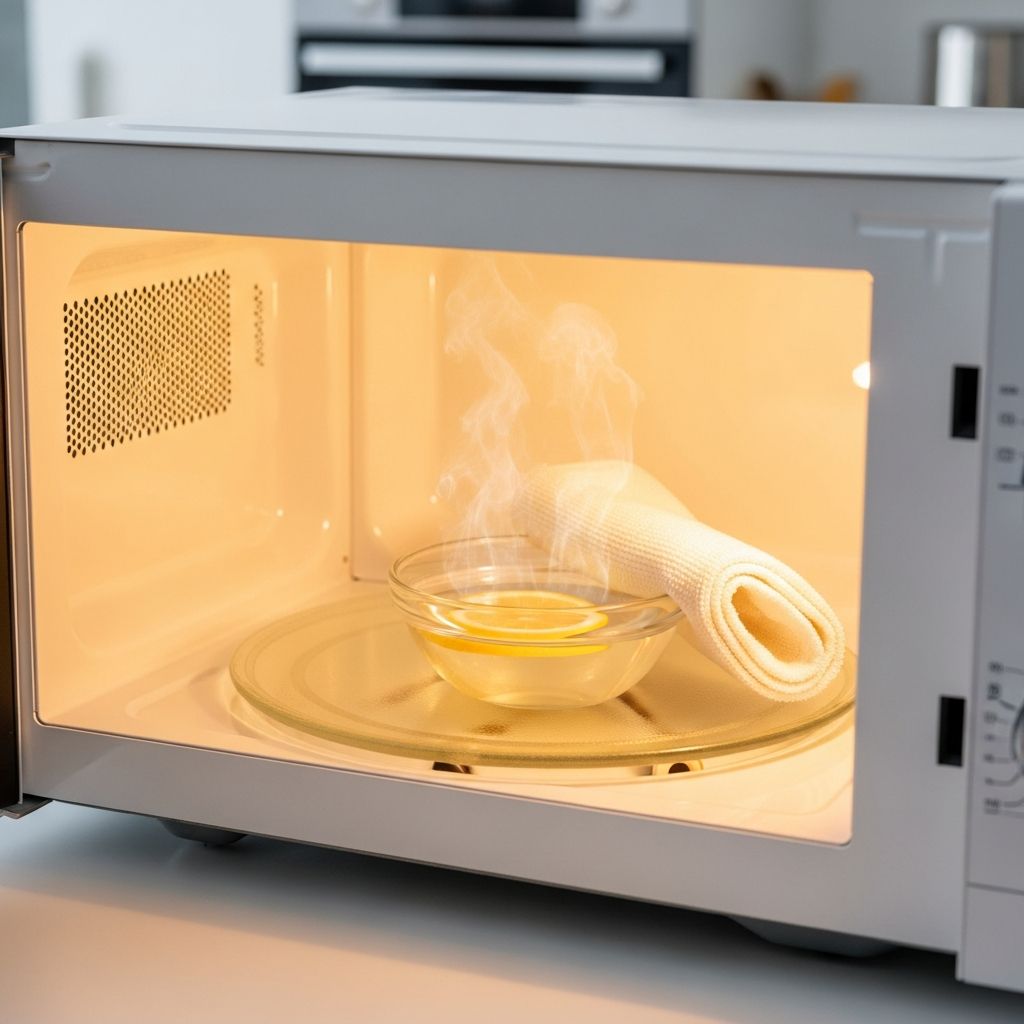
Microwaves accumulate food splatters, grease, and odors quickly from daily use, but vinegar offers a powerful, natural solution to restore them effortlessly. This acidic household staple creates steam that loosens debris, cuts through buildup, and neutralizes smells without toxic chemicals.
Why Vinegar Excels for Microwave Maintenance
Vinegar’s acetic acid breaks down grease and dissolves mineral deposits effectively, making it ideal for interior surfaces like walls, ceilings, and turntables. Unlike commercial sprays, it leaves no residue, ensuring food safety. Regular cleaning prevents efficiency loss and potential fire hazards from grease accumulation.
- Cost-effective: Uses pantry staples.
- Eco-friendly: Biodegradable and non-toxic.
- Versatile: Tackles odors, stains, and bacteria.
Basic Vinegar Steam Cleaning Technique
This core method harnesses steam to soften grime for easy wiping. It’s suitable for weekly upkeep on most countertop models.
- Combine 1 cup water with 1/4 cup white vinegar in a microwave-safe bowl.
- Place in the microwave and heat on high for 5 minutes until boiling vigorously.
- Keep door closed for 10 minutes to let steam penetrate stains.
- Remove bowl carefully (use oven mitts—it’s hot), then wipe surfaces with a damp microfiber cloth.
- Remove and wash turntable separately in soapy water.
For superheating prevention, add a wooden skewer to the mixture. Repeat for heavy buildup.
Advanced Vinegar Mixtures for Stubborn Grime
Enhance vinegar with common additives for tougher challenges like burnt-on food or rust-like stains.
| Method | Ingredients | Best For | Steps Summary |
|---|---|---|---|
| Vinegar + Baking Soda Paste | 2 tbsp vinegar, 3 tbsp baking soda, water | Burnt residues | Mix to paste, apply after steaming, scrub gently. |
| Lemon-Vinegar Blend | 1/2 cup water, 2 tbsp vinegar, 1 lemon (sliced) | Odors and grease | Heat 4 minutes, steep 5 minutes, wipe. |
| Straight Vinegar Spray | Undiluted white vinegar | Exterior and door | Spray, let sit 5 minutes, rinse. |
These combinations amplify cleaning power. Baking soda provides abrasion without scratching stainless steel interiors.
Handling Common Microwave Cleaning Challenges
Brown Burn Marks and Grease
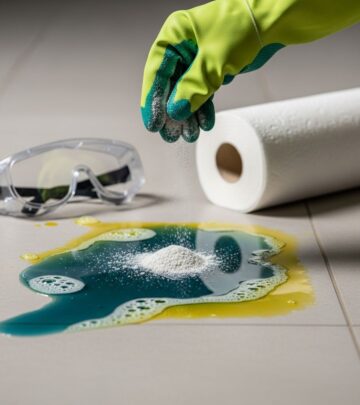
Brown stains often stem from caramelized sugars or fats. Post-steam, sprinkle baking soda on spots, drizzle vinegar for fizzing action, then scrub. For persistent grease, apply dish soap directly before wiping.
Odor Elimination
Vinegar neutralizes rather than masks smells from fish or popcorn. After cleaning, run an empty vinegar-water cycle monthly to prevent recurrence.
Rust or Discoloration
True rust signals interior damage—consider replacement. Food stains mimic rust but lift with repeated vinegar steaming. Test small areas first on delicate finishes.
Preparation and Safety Essentials
Before starting:
- Unplug the microwave for exterior cleaning.
- Remove turntable, roller ring, and filters.
- Wear gloves if sensitive to acids.
- Ventilate kitchen during process.
Avoid abrasive pads on non-stick or stainless surfaces to prevent scratches. Clean filters with vinegar soak for full hygiene.
Weekly vs. Deep Cleaning Schedules
Weekly: Quick vinegar steam (3 minutes heat) for light splatters.
Monthly Deep Clean: Full method plus paste for buildup; includes vents and exterior.
Post-holiday or heavy use: Double steam time and add lemon for freshness.
Alternative Natural Options Compared
Vinegar shines for grease, but alternatives suit specific needs:
- Lemon: Adds shine and citrus scent; milder acid.
- Baking Soda Solo: Abrasive for dry rubs; less effective on grease.
- Dish Soap: For quick wipes; not for steaming.
Vinegar outperforms in odor control and disinfection, per home maintenance experts.
Frequently Asked Questions
Is white vinegar safe for all microwaves?
Yes, it’s safe for interiors including stainless steel and plastic. Avoid on painted exterals—dilute further.
How long does vinegar smell linger?
Typically dissipates in 30 minutes post-wipe; air out or run lemon water cycle to neutralize.
Can I clean while microwave is hot?
No—wait 10-15 minutes after steaming to avoid burns. Use mitts for bowl.
What if stains won’t budge?
Repeat cycles or use baking soda paste overnight. Professional service for extreme cases.
Does cleaning affect warranty?
Natural methods like vinegar won’t void warranties, unlike harsh abrasives.
Long-Term Microwave Care Tips
Prevent buildup:
- Cover food during cooking.
- Wipe splatters immediately with damp cloth.
- Place a microwave liner or mat on turntable base.
- Deodorize monthly with vinegar steam.
These habits extend appliance life and efficiency, saving energy.
References
- How to Clean Your Microwave Oven—2 Foolproof Methods, No Harsh Chemicals Required — Panasonic. 2023-01-15. https://shop.panasonic.com/blogs/news/how-to-clean-your-microwave-oven-2-foolproof-methods-no-harsh-chemicals-required
- How to Clean a Microwave: 3 Easy Methods — Ovenclean. 2024-05-20. https://www.ovenclean.com/blog/how-to-clean-a-microwave/
Similar Articles



Read full bio of Sneha Tete