Clean Painted Walls Safely: No Damage Guide
Master safe wall cleaning techniques to remove dirt, stains, and grime from painted surfaces without stripping or dulling the finish.
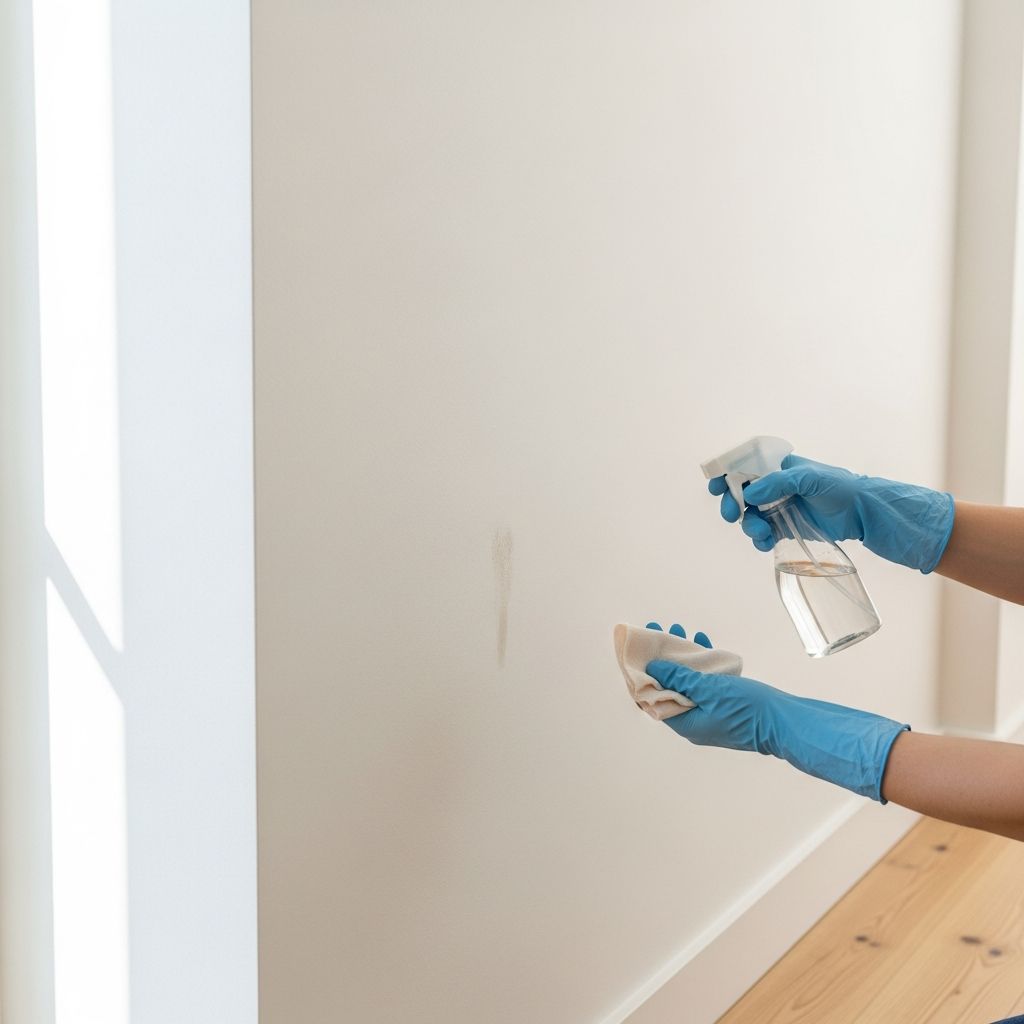
Keeping interior walls fresh enhances your home’s appearance and air quality. Proper cleaning removes accumulated dust, fingerprints, and smudges while preserving the paint’s integrity. This guide provides proven strategies using everyday items to achieve spotless results across various paint sheens without causing fading, peeling, or shine loss.
Essential Tools and Materials for Wall Cleaning
Gather these items before starting to streamline the process and minimize risks to your paint job.
- Microfiber cloths or soft sponges: Non-abrasive for gentle wiping without scratching.
- Buckets: One for cleaning solution, another for rinse water.
- Mild dish soap: Like Dawn, ideal for general dirt and grease.
- White vinegar: Natural disinfectant for tougher spots.
- Baking soda: Forms a paste for stubborn stains.
- Vacuum with brush attachment or duster: For initial dust removal.
- Drop cloths or towels: Protect floors from drips.
- Magic eraser or melamine foam: For scuffs, used sparingly.
Always wear gloves to shield your skin from solutions, especially vinegar mixes.
Understanding Paint Finishes and Cleaning Compatibility
Paint sheen affects durability and cleaning tolerance. Matching methods to your finish prevents damage.
| Paint Finish | Durability | Best Cleaners | Cleaning Tips |
|---|---|---|---|
| Matte/Flat | Low – Prone to shine removal | Mild soap + water | Light pressure only; no scrubbing |
| Eggshell/Satin | Medium – Handles light scrubbing | Dish soap or diluted vinegar | Rinse thoroughly to avoid streaks |
| Semi-Gloss/Gloss | High – Stain-resistant | Soap, vinegar, or baking soda | Can tolerate more pressure |
| Oil-Based | Very durable | Vinegar solution + gentle scrub | Test areas; slower drying |
Latex paints, common in homes, respond well to water-based cleaners but require caution with excess moisture.
Step-by-Step Process for Routine Wall Maintenance
Follow this sequence for effective, damage-free cleaning. Work in small sections to maintain control.
1. Clear and Prep the Area
Remove furniture or cover with sheets. Lay drop cloths on floors. Dust baseboards and floors first to avoid re-soiling walls.
2. Remove Loose Dust and Debris
Use a vacuum’s soft brush or microfiber duster. Start at the ceiling, moving downward. This prevents grit from embedding during washing, reducing scratch risk.
3. Prepare and Test Your Solution
Mix 1-2 drops dish soap in a gallon of warm water. For vinegar, use a 1:1 ratio with water. Test in a hidden spot (behind furniture) for 5-10 minutes. No color change or tackiness means it’s safe.
4. Apply Cleaner from Bottom to Top
Wring cloth until barely damp – excess water penetrates paint. Wipe upward in gentle circles or straight lines. Bottom-to-top direction lets drips fall onto cleaned areas.
5. Rinse Immediately
Dip a clean cloth in plain water, wring well, and wipe each section. Soap residue dulls finishes over time.
6. Dry Thoroughly
Buff with a dry microfiber towel. Open windows or use fans for air circulation. Full drying prevents mildew.
Targeted Solutions for Common Wall Stains
Beyond general cleaning, specific stains demand tailored approaches.
- Fingerprints and Smudges: Damp microfiber with soapy water. Wipe lightly; repeat if needed.
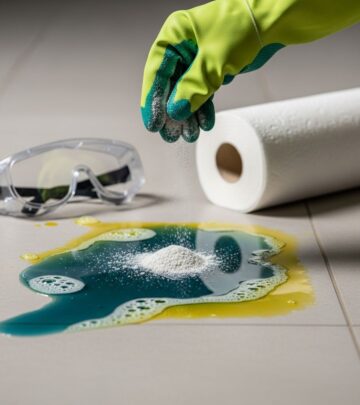
- Grease Splatter (Kitchens): Vinegar-water mix or baking soda paste (3:1 baking soda to water). Apply, let sit 5 minutes, wipe.
- Scuffs and Shoe Marks: Damp magic eraser. Test first; gentle rubbing lifts marks without abrasion on most finishes.
- Crayon or Marker: Rubbing alcohol on cotton ball for non-washable marks. Dab, don’t rub.
- Mildew Spots (Bathrooms): Vinegar solution. Spray, wait 10 minutes, wipe. Natural antifungal properties shine here.
- Water Stains: Mild soap, dry immediately to halt spread.
For tough spots on matte paint, sprinkle baking soda on a damp cloth instead of paste to minimize abrasion.
Advanced Techniques for High-Traffic Areas
In kitchens, hallways, and kids’ rooms, walls endure heavy use. Pros recommend quarterly deep cleans plus monthly dusting.
Ceiling and Baseboard Integration: Tackle ceilings first with an extendable duster, then walls, ending with baseboards using a crevice tool vacuum. For baseboards, a vinegar-damp cloth on semi-gloss trim excels.
Glossy Surface Boost: Semi-gloss handles TSP substitutes sparingly, but stick to naturals for safety.
Preventive Habits: Install washable switch plate covers and use furniture pads to curb marks.
Preventive Strategies for Long-Lasting Clean Walls
Proactive steps reduce cleaning frequency and intensity.
- Dust bi-weekly with a lambswool duster.
- Spot-clean spills instantly with a dry cloth.
- Choose satin or higher sheens in busy zones during repaints.
- Ventilate kitchens and baths to curb grease/mildew buildup.
- Train kids/pets: No touching walls with dirty hands/paws.
Regular upkeep extends paint life by years, delaying costly repaints.
Frequently Asked Questions
Can I use a Magic Eraser on painted walls?
Yes, on semi-gloss or gloss sparingly after testing. Avoid matte finishes as it may dull them.
Is vinegar safe for all painted walls?
Effective on durable sheens; dilute for flats. Rinse well to neutralize odor and residue.
How often should I clean interior walls?
Dust monthly; full wash quarterly or after heavy use. Adjust for pets/kids.
Will dish soap damage my latex paint?
No, if mild and rinsed. Dawn is pro-favorite for its grease-cutting power without harshness.
What if cleaning removes shine from flat paint?
Caused by over-scrubbing or residue. Next time, use minimal pressure and dry immediately. Repaint if persistent.
Professional Insights and Common Mistakes to Avoid
Painters emphasize technique over products. Avoid: harsh abrasives, excessive water, top-down washing (causes streaks), and skipping tests.
Humidity control post-clean is key; fans speed drying in damp climates.
For textured walls, use a soft brush attachment post-wiping to lift trapped dirt.
References
- How to Clean Painted Walls – The Best Way — Brad Willard Pro Painting. 2023-05-15. https://bradwillardpropainting.com/how-to-clean-painted-walls-the-best-way-to-clean-your-walls-without-removing-paint/
- How to Clean Walls Without Removing Paint: 5 Effective Methods — Attract Painting. 2024-02-20. https://attractpainting.com/how-to-clean-walls-without-removing-paint/
- How to Clean Painted Walls Without Damaging Them — TaskRabbit Blog. 2023-11-10. https://www.taskrabbit.com/blog/how-to-clean-walls/
- SPOTLESS Walls, Ceilings & Baseboards in NO TIME! — YouTube (Makers Clean). 2023-07-12. https://www.youtube.com/watch?v=WooHa1QoLNA
- How to Clean Painted Walls — The Home Depot Guide. 2024-09-01. https://www.homedepot.com/c/ah/how-to-clean-painted-walls/9ba683603be9fa5395fab901f17f20f1
Similar Articles








Read full bio of Sneha Tete