Revive Pavers Using Vinegar: Effective Cleaning Guide
Discover safe, natural vinegar methods to restore your outdoor pavers, removing stains, moss, and grime without harsh chemicals.
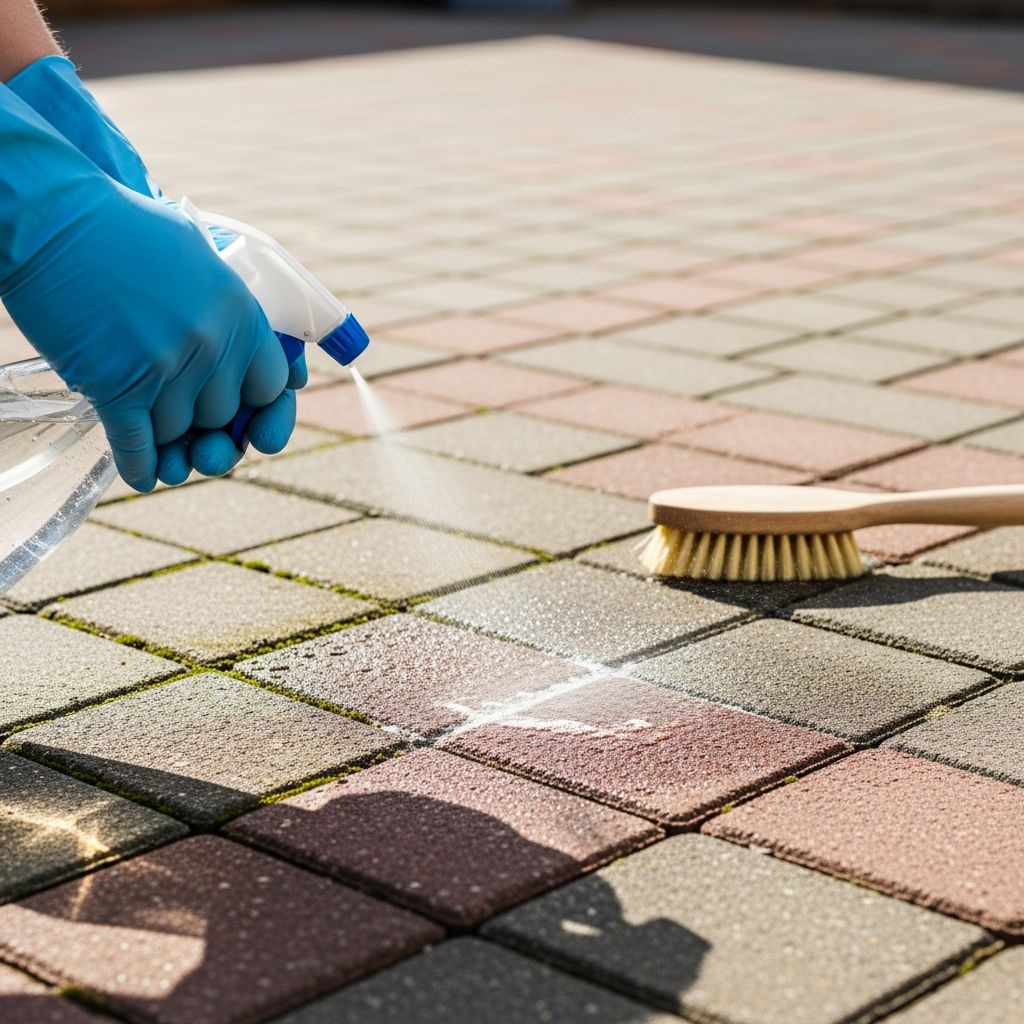
Outdoor pavers endure heavy foot traffic, weather exposure, and organic buildup, leading to discoloration and slipperiness over time. Vinegar, a household staple with natural acidity, offers a gentle yet powerful solution for restoring these surfaces without resorting to toxic chemicals. This guide explores comprehensive techniques, tailored to different paver materials, ensuring safety and efficacy.
Why Vinegar Excels for Paver Maintenance
Vinegar’s acetic acid content effectively dissolves mineral deposits, kills mold spores, and lifts organic stains like algae and moss. Unlike commercial cleaners, it biodegrades quickly, making it ideal for eco-conscious homeowners. Diluted properly, it cleans without etching sensitive surfaces.
- Cost-effective: Uses pantry items, saving money on specialized products.
- Versatile: Works on concrete, brick, stone, and porcelain pavers.
- Non-toxic: Safe around pets, children, and plants when rinsed thoroughly.
Regular application prevents deep-set grime, extending paver lifespan and enhancing curb appeal.
Assessing Your Pavers Before Cleaning
Identify paver type to customize your approach. Concrete pavers are porous and stain-prone; brick requires gentle handling to avoid crumbling; natural stone like limestone demands pH-neutral care; porcelain is low-maintenance due to its density.
| Paver Type | Porosity Level | Vinegar Suitability | Key Caution |
|---|---|---|---|
| Concrete | High | High (diluted) | Avoid full strength |
| Brick | Medium | Medium | Gentle scrubbing only |
| Natural Stone | Variable | Low (test first) | Monitor for etching |
| Porcelain | Low | High | Minimal solution needed |
Inspect for seals; unsealed pavers absorb cleaners faster, requiring extra rinsing.
Essential Tools and Materials
Gather these for optimal results:
- White distilled vinegar (5% acidity)
- Garden hose with spray nozzle
- Stiff-bristle brush or broom (soft for delicate pavers)
- Buckets for mixing
- Protective gear: gloves, goggles, old clothes
- Optional: baking soda for tough spots, leaf blower for debris
White vinegar prevents discoloration from darker varieties.
Basic Vinegar Cleaning Method
Follow these steps for routine upkeep:
- Clear debris: Sweep thoroughly or use a blower to remove leaves and dirt.
- Pre-wet surfaces: Hose down pavers to loosen grit and protect surrounding plants.
- Mix solution: Combine 1 part vinegar with 4-10 parts water, depending on stain severity. Stronger for moss (1:4), milder for general cleaning (1:10).
- Apply and soak: Pour or spray evenly; let sit 15-30 minutes. Reapply if drying out.
- Scrub gently: Use circular motions; focus on joints without dislodging sand.
- Rinse completely: Use low-pressure hose to wash away residue, preventing slippery residues.
Repeat for stubborn areas, but limit vinegar exposure to under an hour per session.
Advanced Techniques for Stubborn Issues
Eliminating Moss and Algae
Moss thrives in shaded, damp spots. Spray undiluted vinegar directly on growth, wait 20 minutes, then scrub and rinse. For brick pavers, this natural method outperforms harsh bleaches without damage.
Tackling Oil and Grease Stains
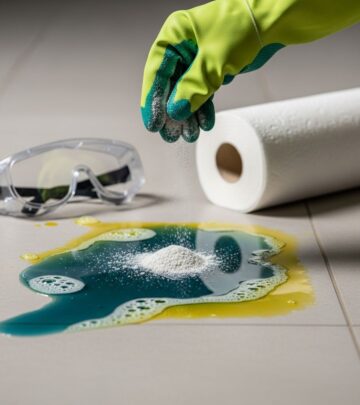
Sprinkle baking soda over the spot to absorb, then douse with vinegar for a fizzing reaction that lifts grease. Let react 10 minutes, scrub, and rinse. Ideal for concrete driveways.
Removing Rust Marks
Vinegar soaks dissolve rust from tools or furniture. Apply full-strength, cover with plastic wrap for 1 hour, scrub with a soft brush, and rinse. Test on natural stone first.
Paver-Specific Cleaning Strategies
Concrete Pavers
These withstand vinegar well but seal post-cleaning to block future stains. Use low-pressure washing afterward; reseal every 2-3 years.
Brick Pavers
Opt for 1:10 dilution to preserve soft surfaces. Avoid high pressure to prevent sand loss in joints.
Natural Stone and Limestone
Use sparingly; pH-neutral alternatives preferred, but light vinegar (1:20) works if tested. Harsh acids etch marble.
Porcelain Pavers
A quick hose with mild vinegar soap mix suffices due to non-porous nature. No sealing needed.
Safety Measures and Common Mistakes
Protect plants by covering or diluting heavily; vinegar’s acidity can harm grass. Wear gear to avoid skin irritation. Never mix with bleach—toxic fumes result. Common pitfalls: over-application causing fades, high-pressure rinsing displacing joint sand.
- Test patch: Always trial on inconspicuous area.
- Weather timing: Clean on dry, mild days for quick drying.
- Post-clean: Re-sand joints if needed; apply sealant for protection.
Preventive Care for Long-Lasting Pavers
Monthly sweeps and quarterly vinegar washes maintain vibrancy. Seal annually to repel water and stains, especially in freeze-prone areas. Address spills promptly to avoid setting.
Incorporate leaf blowers for efficiency on large patios.
Comparing Vinegar to Other Cleaners
| Method | Pros | Cons | Best For |
|---|---|---|---|
| Vinegar | Natural, cheap, effective on organics | Acidic, needs dilution | Moss, light stains |
| Power Washer | Fast, deep clean | Risks damage, sand loss | Heavy dirt |
| Commercial pH-Neutral | Safe for stone | Costly, chemical | Natural stone |
| Baking Soda Paste | Abrasive for grease | Messy, labor-intensive | Oil spots |
Vinegar balances efficacy and safety for most scenarios.
Frequently Asked Questions (FAQs)
What dilution of vinegar is safest for pavers?
A 1:10 vinegar-to-water ratio suits most pavers; strengthen to 1:4 for heavy moss, but always rinse well.
Can vinegar damage sealed pavers?
No, if diluted and rinsed promptly; it won’t penetrate intact seals.
How often should I clean pavers with vinegar?
Quarterly for maintenance, or as needed for stains, to prevent buildup.
Is vinegar better than bleach for algae?
Yes, vinegar is safer for plants and surfaces, avoiding bleach’s harsh residue.
What if vinegar doesn’t remove a stain?
Escalate to specialized removers or professionals for oil/rust; combine with baking soda first.
Enhancing Results with Follow-Up
After drying (24 hours), inspect joints and refill with polymeric sand for stability. A fresh sealant coat—pH-neutral formula—locks in cleanliness, resisting future wear. This routine keeps patios pristine year-round.
Word count: 1782 (excluding HTML tags).
References
- How to Clean Pavers | Its Importance, Methods, Process — STA Built Pavers. 2023. https://stabuiltpavers.com/how-to-clean-pavers/
- Paver Cleaning – Quick and Easy | DIY Outdoor Bleach on Patio — YouTube (DIY Realtor). 2023-08-15. https://www.youtube.com/watch?v=0Fgu5NBSeZc
- How to Clean Pavers: Driveway and Patio Pavers Cleaning Tips — NTPavers. 2024. https://ntpavers.com/how-to-clean-pavers/
- What’s the best way to clean outdoor pavers? — Bunnings Workshop. 2022. https://www.workshop.bunnings.com.au/t5/Outdoor/What-s-the-best-way-to-clean-outdoor-pavers/td-p/568
Similar Articles




Read full bio of medha deb