Pet Stains On Hardwood Floors: 5 Fast Steps To Remove Stains
Expert methods to eliminate pet urine stains, odors, and damage from hardwood floors while protecting your investment.
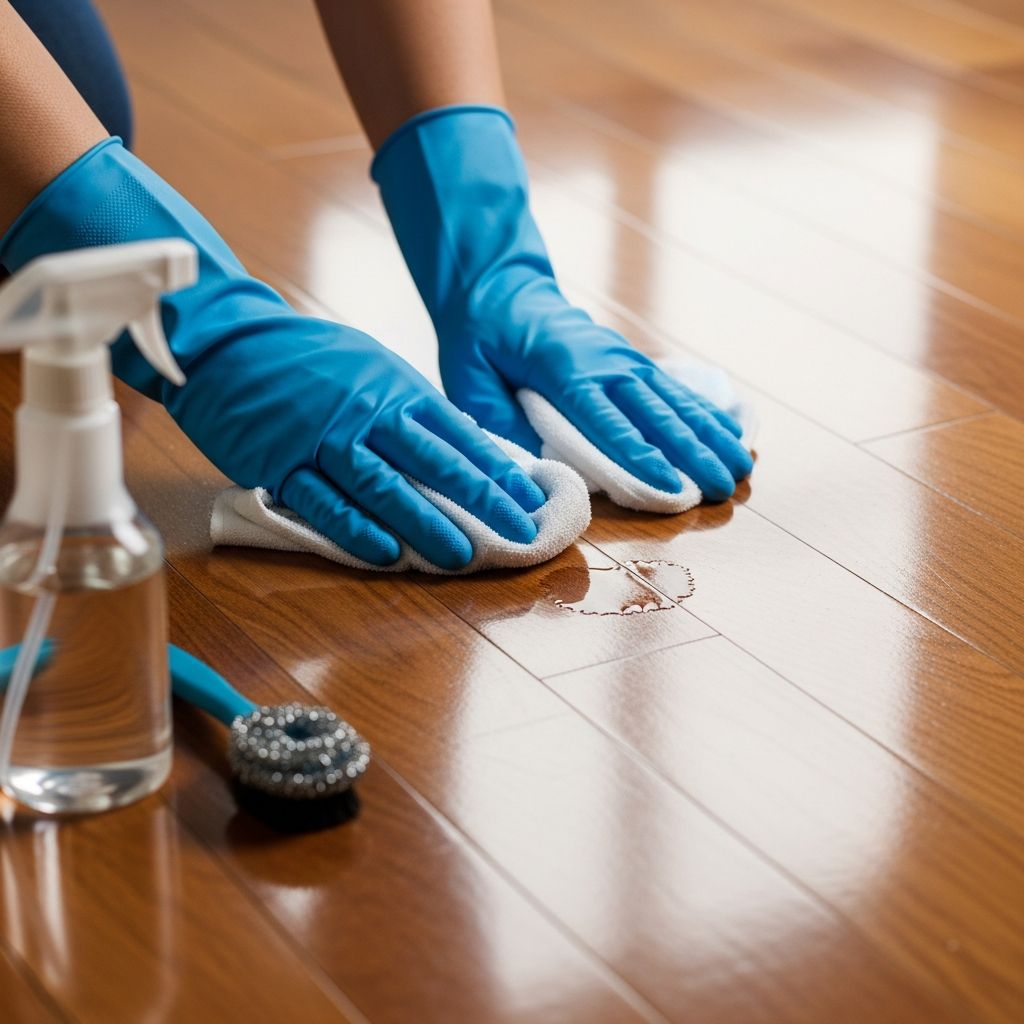
Clean Pet Stains from Hardwood Floors
Pet accidents happen, but they don’t have to ruin your beautiful hardwood floors. Acting quickly with the right techniques can restore your floors to their original condition, eliminating both visible stains and lingering odors. This comprehensive guide covers everything from immediate response strategies to advanced restoration methods, ensuring your home stays fresh and your investment protected.
Why Pet Stains Damage Hardwood and How to Prevent Long-Term Harm
Pet urine contains uric acid, which penetrates wood pores and finishes, causing discoloration, warping, and persistent smells if not addressed promptly. Sealed hardwood resists surface stains better than unfinished wood, but subfloor absorption leads to deeper issues over time. According to flooring experts, untreated stains can weaken wood fibers, leading to cupping or buckling.
Prevention starts with training and supervision. Use pet gates, pee pads, or belly bands for young or anxious animals. Place washable rugs in high-risk areas and clean spills within minutes to minimize penetration. Regular sealing with polyurethane creates a moisture barrier, extending floor life.
Gathering Essential Supplies for Effective Cleaning
Stock your cleaning kit with wood-safe items to tackle stains efficiently. Here’s a curated list:
- Microfiber cloths or paper towels for blotting without scratching.
- Enzymatic pet cleaners that break down uric acid crystals.
- White vinegar and distilled water for natural neutralization (1:1 ratio).
- 3% hydrogen peroxide for bleaching stubborn discoloration.
- Baking soda to absorb odors and moisture.
- Fine-grit sandpaper (220-grit) for light abrasion.
- Wood floor polish or polyurethane sealant matching your finish.
- Spray bottle, soft brush, gloves, and plastic wrap for application.
Always test solutions in inconspicuous spots to avoid finish damage, especially on engineered wood with thin veneers.
Step-by-Step Guide: Handling Fresh Pet Accidents
Fresh stains are easiest to remove if you act fast—ideally within 5 minutes. Speed prevents urine from seeping into cracks and subfloors.
- Blot Immediately: Press absorbent cloths firmly into the spot, replacing as they saturate. Never rub, as this spreads the liquid deeper into the grain.
- Apply Enzymatic Cleaner: Spray a pet-specific enzymatic product generously. These contain bacteria that digest proteins and acids. Let it dwell 10-15 minutes, then blot dry.
- Neutralize with Vinegar Solution: Mix equal parts white vinegar and water. Dampen a cloth (not dripping wet) and wipe gently. Vinegar’s acidity breaks down residues without harming most finishes if used sparingly.
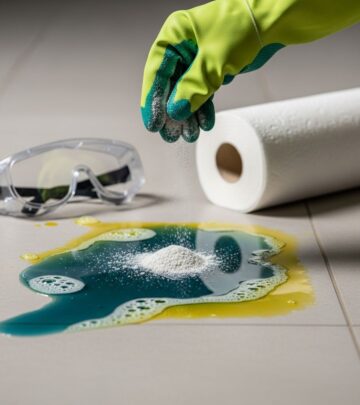
- Sprinkle Baking Soda: Cover the damp area with baking soda to pull out remaining moisture and odors. Let sit 4-6 hours or overnight, then vacuum thoroughly.
- Dry Completely: Use fans or a hairdryer on low heat to evaporate moisture, preventing cupping.
For best results on sealed floors, follow with a pH-neutral wood cleaner and buff dry.
Advanced Techniques for Set-In and Old Stains
Older stains require more aggression but demand caution to avoid over-bleaching or sanding through finishes.
Hydrogen Peroxide Bleaching Method
Hydrogen peroxide oxidizes dark tannins in urine, lightening black spots effectively. Saturate a white cloth with 3% peroxide, place over the stain, and cover with plastic wrap to retain moisture. Check every 2 hours; repeat until faded. Dry 24 hours, then reseal. Warning: This bleaches wood, so match tones carefully on varied grains.
Baking Soda and Peroxide Paste
Mix baking soda with peroxide into a paste. Apply, cover, and let work overnight. Scrub lightly with a soft brush, wipe clean, and polish. Ideal for moderate odors.
Sanding and Refinishing Protocol
For deep penetration:
| Step | Action | Tools/Materials | Caution |
|---|---|---|---|
| 1. Sand | Lightly abrade along grain | 220-grit sandpaper | Solid wood only; avoid engineered |
| 2. Clean | Vacuum dust | Soft cloth | Wear mask |
| 3. Treat | Apply cleaner/peroxide | Cloth, plastic wrap | Test color |
| 4. Seal | 2-3 thin polyurethane coats | Applicator brush | Allow 24h dry time per coat |
Sanding exposes fresh wood, blending repairs seamlessly.
Odor Elimination: Beyond Surface Cleaning
Visible stains often mask odors from subfloor crystals. Enzymatic cleaners penetrate cracks best. For severe cases, remove baseboards, apply cleaner underneath, and use a UV blacklight to detect hidden spots (urine glows yellow).
Vinegar soaks followed by baking soda layers neutralize airborne smells. Commercial odor absorbers like zeolite crystals provide ongoing protection in pet zones.
Safety Considerations for Different Floor Types
- Solid Hardwood: Most forgiving; sanding viable.
- Engineered Wood: Limit to cleaners; no sanding veneers thinner than 3mm.
- Unfinished/Oiled Floors: Use oil-safe cleaners only; reseal immediately.
- Laminate: Vinegar or mild soap; avoid peroxide.
Over-wetting causes delamination. Always wring cloths tightly.
Product Comparison: Cleaners vs. DIY Solutions
| Method | Effectiveness | Cost | Best For | Drawbacks |
|---|---|---|---|---|
| Enzymatic Cleaners | High (breaks uric acid) | Medium | All stains/odors | Slower acting |
| Vinegar Solution | Medium | Low | Fresh stains | May dull finish |
| Hydrogen Peroxide | High (bleaches) | Low | Dark spots | Lightens wood |
| Baking Soda | Medium (absorbs) | Low | Odors | Messy |
Combine for optimal results.
Professional Help: When to Call Experts
DIY fails on subfloor damage, widespread stains, or cupped boards. Pros use orbital sanders, moisture meters, and industrial sealants. Expect $3-7 per sq ft for refinishing. UV inspection reveals hidden issues.
Long-Term Maintenance for Pet-Friendly Homes
Weekly vacuuming with pet-hair tools prevents buildup. Monthly polish applications renew protection. Invest in waterproof mats and train pets consistently. Monitor for cupping, signaling moisture issues.
Frequently Asked Questions
Can vinegar damage hardwood finishes?
Vinegar is safe in dilution for occasional use but can etch finishes over time. Opt for pH-neutral alternatives regularly.
Is hydrogen peroxide safe for all woods?
No—test first. It bleaches effectively but may create mismatched patches on dark or figured woods.
How do I remove pet hair alongside stains?
Use textured microfiber mops or electrostatic cloths designed for pet dander. They trap 4x more particles.
What if the stain returns after cleaning?
Crystals remain in subfloor. Use blacklight, apply enzymatic soaks repeatedly, or consult pros for board replacement.
Are commercial pet cleaners worth it?
Yes, for uric acid breakdown. DIY works for mild cases but pros target root causes.
Implementing these strategies keeps your hardwood pristine despite pet mishaps. Consistent care ensures durability and beauty for years.
References
- Removing Pet Stains and Stains from Hardwood Floors — The Charleston Design Center. 2023. https://www.thecharlestondesigncenter.com/blog/articles/removing-pet-stains-and-stains-from-hardwood-floors
- 7 Proven Steps To Remove Pet Urine Stains From Wood Floors — Floor Sanding Co. UK. 2024. https://floorsanding.co.uk/how-to-remove-pet-urine-stains-from-wood-floors/
- How to Remove Urine Stains and Pet Hair from Hardwood Floors — Clorox. 2025-01-10. https://www.clorox.com/learn/how-to-remove-urine-stains-pet-hair-from-hardwood-floors/
- Black Pet Stains on Your Hardwood Floor? Here’s What Actually Works — Really Cheap Floors. 2023. https://www.reallycheapfloors.com/blog/how-to-get-pee-stains-out-of-hardwood-floors/
- How To Remove Pet Stains From Wood Floors — TenantCloud. 2024. https://www.tenantcloud.com/blog/how-to-remove-pet-stains-from-wood-floors
Similar Articles



Read full bio of Sneha Tete