How to Clean Quartz Countertops for Maximum Shine
Master the art of quartz countertop cleaning with safe, effective methods and products.
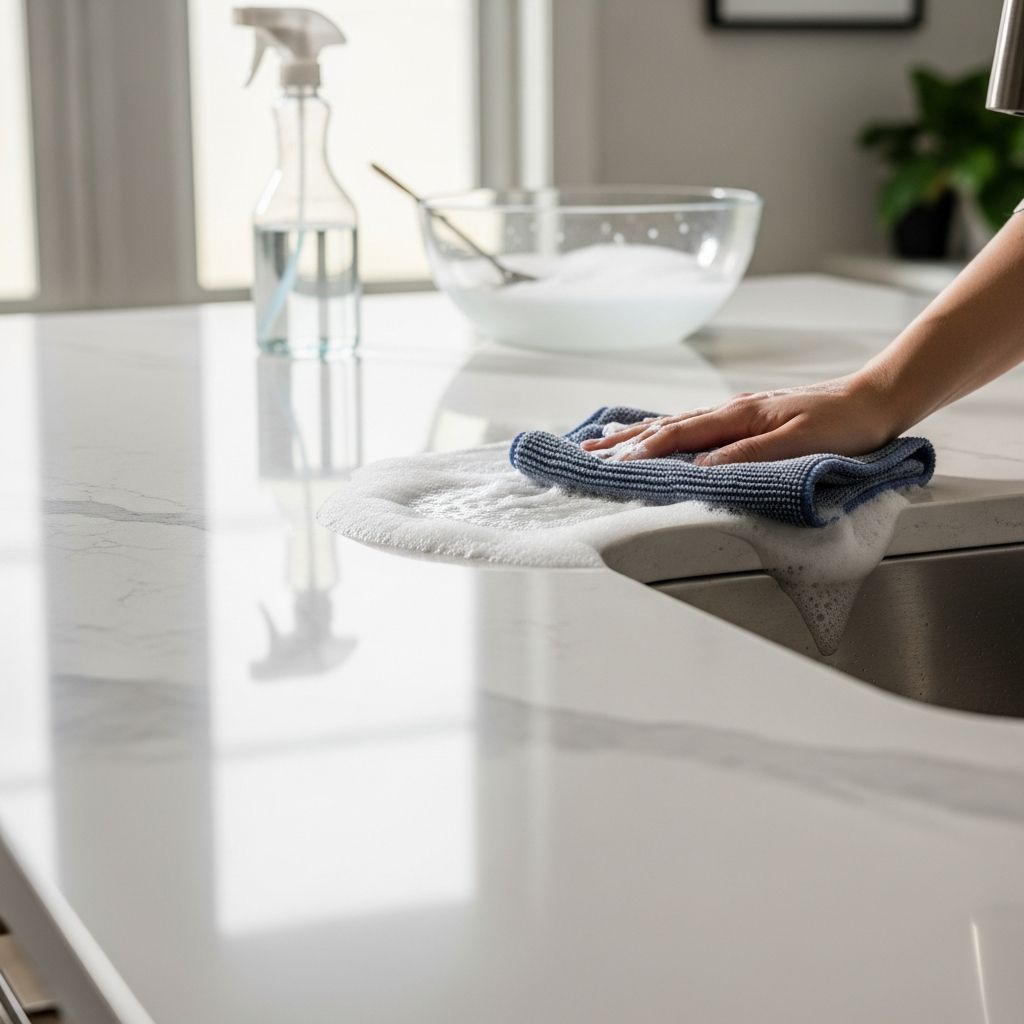
Quartz countertops have become increasingly popular in modern kitchens and bathrooms due to their durability, aesthetic appeal, and relatively low maintenance requirements. However, to keep these engineered stone surfaces looking pristine and maintaining their structural integrity, proper cleaning techniques and appropriate products are essential. Unlike some other countertop materials, quartz requires a gentle approach with specific cleaning solutions to prevent damage to the resin binder that holds the quartz particles together.
The key to successful quartz countertop maintenance lies in understanding which cleaning methods are safe and which ones can cause irreversible damage. Many homeowners make the mistake of using harsh chemicals or abrasive tools, thinking they will achieve a deeper clean. In reality, these approaches can dull the surface, damage the protective coating, or even compromise the integrity of the countertop itself. This comprehensive guide will walk you through everything you need to know about cleaning and caring for your quartz countertops.
Understanding Quartz Countertops
Before diving into cleaning techniques, it’s important to understand what quartz countertops are and how they differ from natural stone. Quartz countertops are engineered surfaces composed of approximately 90% crushed natural quartz, combined with resins, polymers, and pigments. This composition makes them non-porous, which means they don’t absorb liquids or harbor bacteria as easily as granite or marble. However, this same composition means they require specific care to avoid damaging the resin binders.
The non-porous nature of quartz is one of its greatest advantages, as it resists staining better than natural stone. However, the resin components can be sensitive to certain chemicals and high heat. Understanding these characteristics will help you make informed decisions about which cleaning products and methods to use on your quartz surfaces.
Gentle Cleaning Solutions for Quartz Countertops
The foundation of proper quartz countertop care is using gentle, pH-balanced cleaning solutions. These solutions are effective at removing dirt and grime without compromising the surface’s protective finish. pH-balanced cleaners are specifically formulated to work harmoniously with quartz, maintaining the countertop’s appearance and longevity.
Why pH Balance Matters
pH balance is crucial when selecting cleaning products for quartz countertops. The pH scale ranges from 0 to 14, with 7 being neutral. Mild dish soap typically has a pH level of 7-8, making it ideal for quartz surfaces. In contrast, white vinegar has a pH level of 2.4, which is highly acidic and can potentially damage the resin components in quartz countertops. Similarly, bleach and other alkaline cleaners can be too harsh for these surfaces.
Before using any commercial cleaning product on your quartz countertops, always check the pH level and ensure it’s specifically formulated for use on quartz or engineered stone. This simple step can save your countertops from unnecessary damage and extend their lifespan significantly.
Creating a DIY Mild Cleaning Solution
One of the best ways to ensure you’re using a safe and effective cleaning solution on your quartz countertops is to make your own. A homemade cleaner gives you complete control over the ingredients, eliminating any concern about harsh chemicals or incompatible components.
The Basic Recipe
Creating a simple yet effective DIY cleaning solution requires just three basic ingredients that most households already have. Mix 1 cup of warm water with 1 teaspoon of mild dish soap and 1 teaspoon of rubbing alcohol. Transfer this mixture into a spray bottle for convenient application throughout your kitchen or bathroom.
Why This Formula Works
Each component of this DIY solution serves a specific purpose. Warm water helps dissolve and lift away spills and grime without damaging the quartz surface. The mild dish soap breaks down oils and other residues that accumulate on countertops, while the rubbing alcohol acts as a disinfectant, ensuring your countertop remains clean and safe for food preparation. Together, these ingredients create a powerful yet gentle cleaning solution that rivals commercial products at a fraction of the cost.
Alternative DIY Solutions
For everyday maintenance, you can also use a simple solution of warm water and mild dish soap without the rubbing alcohol. For disinfection purposes, mix 1 part rubbing alcohol with 1 part water, and optionally add a few drops of your favorite essential oil for a pleasant scent. Another effective formula for tackling water-based stains involves mixing equal parts hydrogen peroxide and baking soda to form a paste.
Methods to Prevent Stains and Damage
Preventing stains and damage is far easier than trying to repair them after the fact. Understanding the common causes of countertop damage and taking proactive measures will keep your quartz surfaces looking beautiful for years to come.
Daily Maintenance Practices
Establish a daily cleaning routine to maintain your quartz countertops. Wipe down your countertops at least once per day with a soft cloth and warm water combined with a small amount of dish soap. This regular maintenance prevents gunk from building up and helps you catch spills or drips that might otherwise stain the surface. After cleaning, thoroughly dry the countertops with a clean cloth to prevent water spots or residual staining.
Protecting Against Heat Damage
Unlike granite, quartz is not completely heat resistant. Direct contact with hot cookware, pans, or dishes can discolor or damage the surface. Always use hot pads, trivets, or protective barriers between your countertop and hot items. Similarly, avoid placing extremely hot pots or pans directly on the surface, and never allow hot appliances to rest on your quartz countertops for extended periods.
Using Cutting Boards and Coasters
Always use cutting boards when preparing food to protect your countertop from knife marks and scratches. Similarly, use coasters under beverages to prevent water rings and staining. These simple protective measures significantly reduce the wear and tear on your quartz countertops and maintain their appearance over time.
Handling Specific Stain Types
Different types of stains require different treatment approaches. Understanding how to address specific stain types will help you maintain your countertops more effectively.
Oil-Based Stains
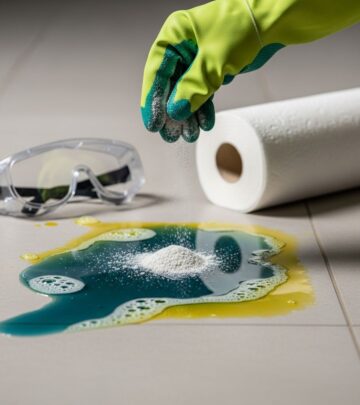
Stains from cooking oil, butter, or other oily substances may smear if you attempt to clean them with hot water alone. For oil-based stains, apply a 50/50 mixture of baking soda and water directly to the affected area using a soft cloth. Gently scrub the area, rinse thoroughly with water, and dry completely with a clean cloth. Repeat this process as necessary until the stain is completely removed.
Water-Based Stains
Condensation rings and water drips are common stains that typically respond well to treatment. Mix equal parts hydrogen peroxide and baking soda to create a paste. Apply this mixture to the stain with a soft cloth and gently scrub the area. Rinse thoroughly with clean water and dry completely to prevent new water spots from forming.
Stubborn or Tough Stains
For particularly resistant stains, use a glass cleaner or a non-abrasive cleaner specifically formulated for stone countertops. Apply the cleaner directly to the stain and allow it to sit for a few moments. Gently rub the area with a soft cloth in circular motions. For extremely stubborn debris or buildup, you can carefully use a plastic or wooden putty knife to gently scrape away the residue without scratching the surface. Never use metal scrapers or tools that could gouge the quartz.
Post-Cleaning Quartz Countertop Shine Retention
After cleaning your quartz countertops, you can enhance their appearance and restore their natural shine with a few simple steps. The goal is to remove any cleaning residue while buffing the surface to a lustrous finish.
Buffing for Maximum Shine
After completing your regular cleaning routine, use a clean, dry cloth to buff the countertop surface. This step removes any remaining moisture or cleaning solution residue and brings out the natural shine of the quartz. Buff in circular motions, working from one end of the countertop to the other. This simple technique dramatically enhances the appearance of your quartz and provides that showroom-quality shine.
Maintaining Shine Between Cleanings
To maintain the shine between deep cleanings, wipe down your countertops with a microfiber cloth dampened with plain water. This removes dust and light debris while keeping the surface looking polished and well-maintained. The microfiber material is gentle enough for daily use without causing any damage to the quartz surface.
Using Microfiber for Quartz Cleaning
Microfiber cloths are among the best tools for cleaning quartz countertops. These specially designed cloths offer numerous advantages over traditional cleaning materials.
Benefits of Microfiber Cloths
Microfiber cloths are composed of incredibly fine synthetic fibers that effectively trap dust, dirt, and bacteria without scratching the quartz surface. They are soft enough for daily use, yet effective enough to tackle spills and messes. Microfiber cloths also absorb moisture effectively, helping to prevent water spots and streaks. Additionally, these cloths can be washed and reused hundreds of times, making them an eco-friendly and cost-effective choice for countertop maintenance.
Proper Use of Microfiber Cloths
When using microfiber cloths on your quartz countertops, dampen the cloth with your chosen cleaning solution or plain water. Wipe down the entire countertop surface, using gentle circular motions. For stubborn spots, apply slightly more pressure while maintaining a circular motion. After cleaning, rinse the cloth with clean water and use it to wipe away any remaining cleaning solution. Finally, use a dry portion of the cloth to buff the surface and restore shine.
Safety Measures for Quartz Countertop Cleaning
Implementing proper safety measures protects both your countertops and your health during the cleaning process.
Personal Safety Precautions
When using any cleaning solution, ensure proper ventilation in your kitchen or bathroom. If using commercial cleaners with strong fumes, open windows and doors to allow air circulation. Wear gloves if you have sensitive skin, and avoid touching your face or eyes while cleaning. Always read and follow the manufacturer’s instructions on any commercial cleaning products.
Protecting Your Countertops
Avoid using abrasive cleaners, scouring pads, or steel wool on quartz surfaces, as these can scratch and dull the protective coating. Do not use harsh chemicals such as bleach, ammonia, or acetone-based products. Avoid exposing your quartz countertops to direct sunlight for extended periods, as UV exposure can cause discoloration. Additionally, be cautious with extremely high temperatures and never place hot items directly on the surface without protective barriers.
What Not to Use on Quartz Countertops
Understanding which products and methods to avoid is just as important as knowing which ones to use. Certain cleaners and tools can cause permanent damage to your quartz countertops.
Products to Avoid
Never use the following on your quartz countertops:
- Bleach and bleach-containing cleaners
- Vinegar and vinegar-based solutions
- Acidic cleaners and descaling solutions
- Alkaline or caustic cleaners
- Abrasive scouring powders or pads
- Steel wool or metal scrubbers
- Harsh chemical strippers
- Acetone or nail polish remover
- Oven cleaners or degreasers
Tools to Avoid
Avoid using abrasive tools when cleaning your quartz countertops. Steel wool, wire brushes, and rough scrubbing pads can scratch and damage the surface. Metal scrapers should only be used carefully and as a last resort for extremely stubborn debris. Instead, opt for soft cloths, sponges, and plastic or wooden tools that are gentle on the quartz surface.
Choosing the Right Products
When selecting commercial cleaning products for your quartz countertops, look for options specifically designed for quartz or engineered stone. These products are formulated with the appropriate pH balance and ingredients to clean effectively without causing damage.
Reading Product Labels
Before purchasing any cleaning product, carefully read the label to ensure it’s appropriate for quartz countertops. Look for phrases such as “safe for quartz,” “pH-balanced,” or “engineered stone approved.” Avoid products that contain harsh chemicals or strong acids. If you’re uncertain about a product, contact the manufacturer or consult with the company that installed your countertops.
Persistence Is Key
Maintaining beautiful quartz countertops requires consistency and persistence. Establishing a regular cleaning routine and adhering to recommended practices will ensure your countertops remain in excellent condition. Daily wiping with mild soap and water, combined with periodic deeper cleaning and immediate attention to spills, will keep your quartz surfaces looking like new for many years to come.
Frequently Asked Questions
What cleaning products are safe to use on quartz countertops?
The safest cleaning products for quartz countertops are mild dish soap and water, or commercial cleaners specifically designed for quartz. Always choose non-abrasive, pH-balanced products. Avoid harsh chemicals like bleach, vinegar, and acidic cleaners that can damage the resin binder. A soft cloth or non-abrasive sponge is ideal for wiping down your counters.
How often should I clean my quartz countertops?
Daily cleaning with mild soap and water is recommended for routine maintenance. This simple habit prevents dirt and grime buildup while keeping your countertops sparkling. For deeper cleaning or to address spills and stains, use appropriate cleaners as needed. Most households benefit from a thorough weekly cleaning in addition to daily wipe-downs.
How do I remove tough stains from my quartz countertop?
For tough stains, use a glass cleaner or a non-abrasive cleaner specifically formulated for stone countertops. Apply the cleaner directly to the stain and gently rub with a soft cloth. For stubborn stains, create a paste using baking soda and water, apply it to the stain, and gently scrub. For extremely resistant buildup, you can carefully use a plastic or wooden putty knife to scrape away debris without scratching the surface.
Can I use vinegar on my quartz countertops?
No, vinegar should not be used on quartz countertops. White vinegar has a pH of 2.4, making it too acidic and potentially damaging to the resin components in quartz. Stick to pH-balanced cleaners like mild dish soap and water instead.
Are there any special precautions when cleaning quartz countertops?
Yes, several precautions are important. Avoid abrasive cleaners and scouring pads that can scratch the surface. Be cautious with high heat and direct sunlight exposure, which can discolor or damage the surface. Always use coasters and trivets to protect your countertop from hot dishes and beverages. Use cutting boards to prevent knife marks and scratches.
What DIY cleaning solutions work best for quartz?
A simple DIY solution involves mixing 1 cup of warm water with 1 teaspoon of mild dish soap and 1 teaspoon of rubbing alcohol. Pour this into a spray bottle for easy application. For disinfection, mix 1 part rubbing alcohol with 1 part water and optionally add essential oils for scent. For water-based stains, mix equal parts hydrogen peroxide and baking soda into a paste.
How can I maintain the shine on my quartz countertops?
After cleaning, buff your countertops with a clean, dry cloth to restore shine. Work in circular motions from one end to the other. Between cleanings, wipe down countertops with a microfiber cloth dampened with plain water. This simple maintenance routine keeps your quartz looking polished and well-maintained.
Is quartz easy to maintain compared to other countertop materials?
Yes, quartz countertops are relatively easy to care for. While they require minimal maintenance compared to some natural stone options, it’s still important to follow proper cleaning guidelines to keep your countertops in good condition. The non-porous nature of quartz makes it resistant to staining and bacterial growth, which simplifies regular maintenance.
References
- How to Clean Quartz Countertops for Maximum Shine — ContractorPlus. 2025. https://contractorplus.app/blog/how-to-clean-quartz-countertops
- How to Clean Quartz Countertops | Care for Your Custom Counters — Crowley’s Granite. 2025. https://crowleysgranite.com/quartz-countertops/cleaning/
- How to Clean Every Type of Countertop — HGTV. 2025. https://www.youtube.com/watch?v=VyqoyDg1ivU
Similar Articles





Read full bio of Sneha Tete