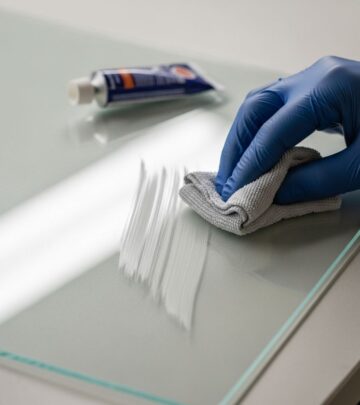
Revive Stainless Steel: Baking Soda Cleaning Guide
Discover effective baking soda methods to clean, polish, and maintain stainless steel surfaces for a lasting shine without harsh chemicals.
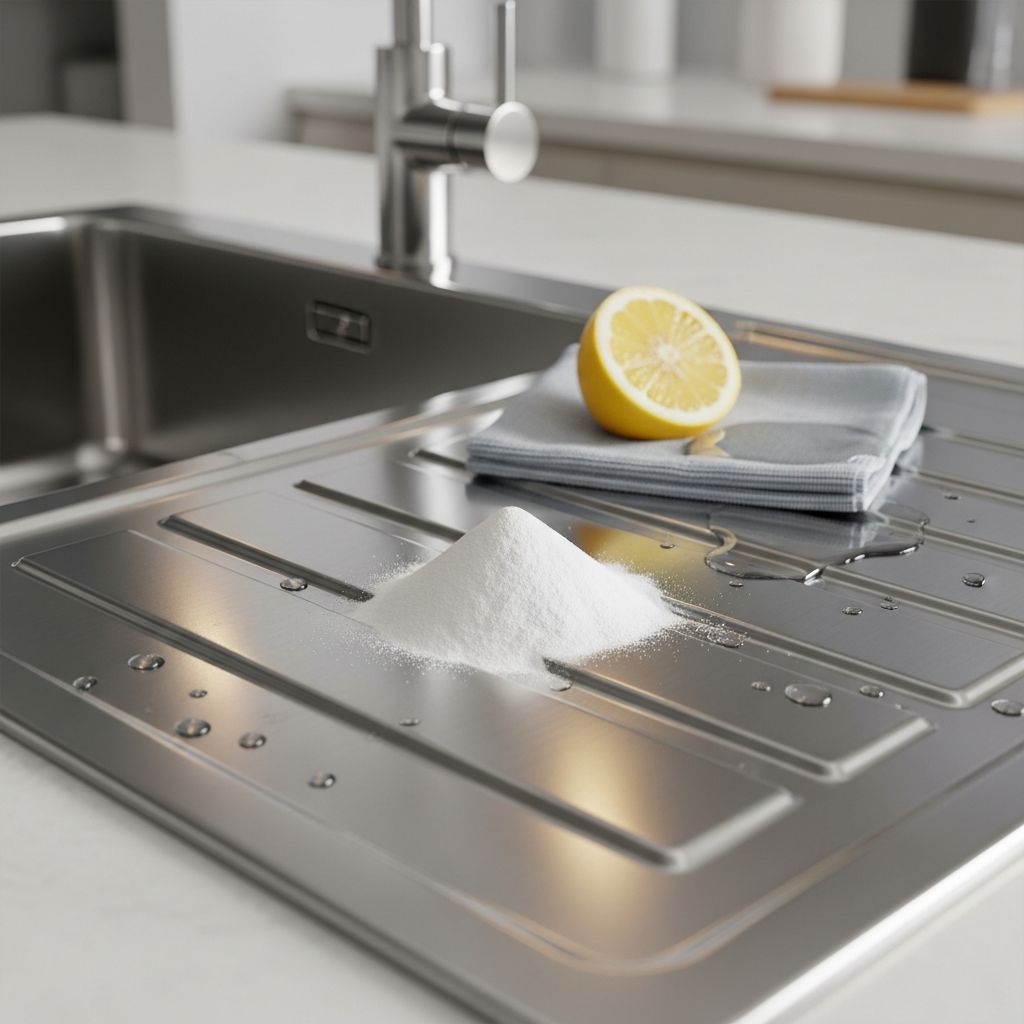
Stainless steel adds a sleek, modern touch to kitchens and bathrooms, but fingerprints, water spots, and grime can quickly dull its appeal. Baking soda, a mild abrasive powerhouse found in most pantries, offers a safe, eco-friendly solution to restore that factory-fresh gleam without damaging the protective chromium oxide layer on stainless steel surfaces.
Why Baking Soda Excels for Stainless Steel Care
Baking soda, or sodium bicarbonate, works through gentle abrasion and chemical neutralization. Its fine particles scrub away embedded dirt without scratching, while its alkaline nature breaks down acidic stains like rust or food residues. Unlike harsh chemical cleaners, it leaves no toxic residues, making it ideal for food-contact surfaces. Regular use prevents buildup and extends the life of appliances and cookware.
- Mildly abrasive: Lifts grime without deep scratches.
- Neutralizes odors: Perfect for sinks and fridges.
- Cost-effective: Pennies per use compared to commercial polishes.
- Versatile: Pairs with vinegar, lemon, or water for targeted cleaning.
Essential Tools and Materials
Gather these items before starting for efficient, streak-free results:
- Baking soda (pure, no additives).
- Distilled white vinegar or lemon juice.
- Microfiber cloths or soft sponges (non-abrasive).
- Spray bottle for solutions.
- Soft-bristle brush for tough spots.
- Dry towels for buffing.
Always clean in the direction of the metal’s grain—visible fine lines on the surface—to avoid visible scratches.
Basic Daily Cleaning Routine with Baking Soda
For everyday smudges on refrigerators, ovens, or dishwasher fronts, a simple baking soda spray keeps surfaces pristine.
- Mix 2 tablespoons baking soda with 1 quart warm water in a spray bottle. Shake well.
- Spray liberally on the surface.
- Wipe gently with a damp microfiber cloth, following the grain.
- Buff dry immediately with a clean cloth for shine.
This method removes fingerprints and light grease in under 5 minutes, preventing residue accumulation.
Tackling Tough Stains and Discoloration
When basic wipes fall short, baking soda pastes deliver deeper cleaning power.
Fingerprints and Grease Buildup
Combine 3 parts baking soda with 1 part water to form a spreadable paste. Apply to greasy areas like stove handles, let sit 10 minutes, then scrub lightly. Rinse and dry thoroughly.
Hard Water Spots
Water minerals leave white deposits. Spray undiluted white vinegar first to dissolve them, then apply baking soda paste. The fizzing reaction loosens spots—wipe, rinse, and polish.
Rust Specks and Oxidation
Light rust from humidity or spills bows to baking soda’s abrasion. Mix into a thick paste, rub with a soft cloth along the grain for 2-3 minutes. Rinse well and follow with oil (like mineral oil) for protection.
Heat Tints and Rainbow Stains on Cookware
High-heat cooking causes colorful oxidation. Simmer a 1:1 vinegar-water mix in the pan for 5 minutes, cool, then scrub with baking soda paste. This restores even color without pitting the metal.
Appliance-Specific Cleaning Strategies
Different stainless steel items face unique challenges. Tailor your baking soda approach for optimal results.
| Appliance | Common Issue | Baking Soda Method |
|---|---|---|
| Refrigerator/Freezer | Fingerprints, spills | Spray solution; wipe doors and handles daily. Paste for drip trays. |
| Dishwasher Exterior | Water spots, soap scum | Vinegar pre-spray + paste; avoid interior. |
| Oven/Cooktop | Grease splatters | Paste on cooled surfaces; simmer for interiors. |
| Microwave Exterior | Smudges | Light spray; dry immediately. |
For ovens, after cooling, apply paste to burnt spots, cover with plastic wrap for 30 minutes, then scrub.
Mastering Stainless Steel Cookware Cleaning
Pans and pots endure heavy use, demanding robust yet gentle techniques.
Everyday Wash
Hot soapy water with a sprinkle of baking soda scrubs off stuck-on bits safely. Avoid dishwashers to prevent warping.
Burnt Food Removal
Fill pan with water, add ½ cup baking soda, and boil 10-15 minutes. Cooled residue wipes away effortlessly. For exteriors, paste and a soft brush work wonders.
Stubborn Exterior Grime
Baking soda + lemon half: Squeeze juice into paste, rub on, let sit 20 minutes, rinse. The citric acid boosts cleaning power naturally.
Pro tip: Never use steel wool—opt for nylon scrubbers to preserve the finish.
Polishing for Lasting Shine
Post-cleaning polish elevates matte surfaces to mirror-like brilliance.
- Ensure surface is bone-dry.
- Sprinkle baking soda lightly, buff with microfiber in circular motions.
- For extra sheen, mix with a drop of olive oil (1:4 ratio) and wipe off excess.
This creates a protective barrier against fingerprints.
Preventive Maintenance Schedule
Consistency beats deep cleans. Follow this routine:
- Daily: Dry wipe with microfiber after use.
- Weekly: Baking soda spray on high-touch areas.
- Monthly: Full paste treatment on sinks and trim.
- Quarterly: Vinegar soak for cookware interiors.
Store baking soda in a shaker for quick access near appliances.
Safety and Common Mistakes to Avoid
Baking soda is safe, but misuse dulls finishes.
- Don’t let pastes dry on—rinse promptly to avoid etching.
- Avoid mixing with bleach (toxic gas risk).
- Test in hidden spots on antiques.
- Skip abrasive tools; they remove the oxide layer, inviting rust.
For commercial kitchens, consult NSF-certified guidelines for food safety.
Frequently Asked Questions (FAQs)
Can baking soda scratch stainless steel?
No, its particles are too fine for micro-scratches when used with soft cloths. Always follow the grain.
Is vinegar safe with baking soda on appliances?
Yes, the reaction cleans effectively, but rinse thoroughly after to neutralize.
How do I remove blue stains from pans?
Vinegar simmer followed by baking soda scrub removes heat-induced discoloration.
What’s best for sink maintenance?
Weekly paste scrub and daily drying prevents spots and odors.
Can I use this on colored stainless steel?
Yes, but dilute pastes and test first to avoid fading.
Advanced Tips from Cleaning Pros
Combine baking soda with club soda for fizzing action on ovens. For ultra-shine, follow with a flour + vinegar paste—flour polishes gently. Eco-conscious users love reusable spray bottles to minimize waste. Track your routine in a kitchen app for reminders.
Invest in quality microfiber: they trap 98% more dirt than cotton towels, reducing streaks. For heavy-duty jobs, Bar Keepers Friend (oxalic acid-based) complements baking soda but use sparingly.
Stainless steel’s durability stems from its alloy composition—iron, chromium, nickel—resisting corrosion when maintained. Baking soda preserves this by cleaning without stripping alloys.
References
- How to Make Stainless Steel Shine Like New (No Streaks) — Therapy Clean. 2023-05-15. https://therapyclean.com/blogs/cleaning/how-to-make-stainless-steel-look-new-again
- How to Clean a Stainless Steel Pan, Inside and Out — Borough Kitchen. 2022-11-10. https://www.boroughkitchen.com/blogs/news/how-to-clean-a-stainless-steel-pan-inside-and-out
- 5 Tips for Cleaning Stainless Steel Naturally — Grove Collaborative. 2023-08-22. https://www.grove.co/blog/5-tips-for-cleaning-stainless-steel-naturally
- The Best Way To Clean Stainless Steel Pans! — YouTube (Clean My Space). 2021-07-20. https://www.youtube.com/watch?v=U5g0eH-GZxI
- National Sanitation Foundation (NSF) International Cleaning Guidelines for Stainless Steel — NSF International (.org). 2024-03-01. https://www.nsf.org/consumer-resources/articles/food-equipment-stainless-steel-cleaning
Similar Articles



Read full bio of Sneha Tete