Undefined: 4 Easy Steps To Remove Glass Stovetop Burn Marks
Discover proven techniques to remove stubborn boil-over stains from glass stovetops and restore shine without damage.
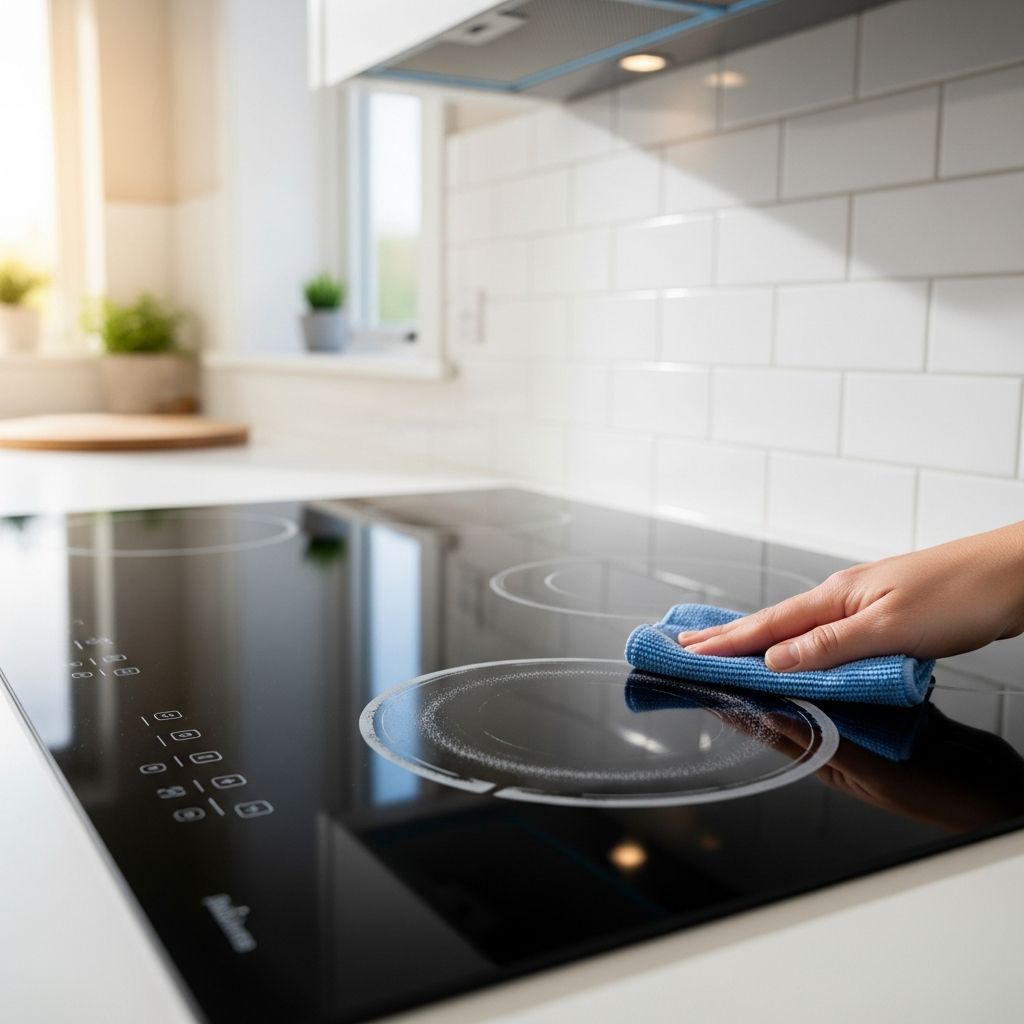
Erase Stovetop Burn Marks Effortlessly
Glass stovetops offer a sleek, modern look to any kitchen, but they are prone to unsightly burn marks from boil-overs and spills. These dark residues can build up quickly if not addressed promptly, making your cooking surface look dingy and potentially affecting performance. Fortunately, with the right approach, you can restore your stovetop to its original luster using household items and proper techniques. This guide explores everything from immediate response strategies to long-term prevention, ensuring your glass cooktop stays pristine.
Understanding Burn Marks on Glass Cooktops
Burn marks on glass stovetops typically result from food particles, sugars, or liquids that overflow during cooking and bake onto the hot surface. Sugary spills, in particular, harden rapidly and can etch into the glass if left untreated, leading to permanent discoloration.Glass stovetops, often made from ceramic or tempered glass, require gentle handling to avoid scratches or cracks. Unlike metal surfaces, they demand non-abrasive tools to preserve the smooth finish.
Regular maintenance prevents buildup. Wiping down the surface after each use minimizes the need for deep cleans. Key culprits include boiled-over milk, sauces, and oils that carbonize under high heat, creating tough, black stains.
Essential Tools and Supplies for Effective Cleaning
Gathering the right materials beforehand streamlines the process and protects your stovetop. Here’s what you’ll need:
- Cooktop scraper: A razor-edged tool designed for glass surfaces, held at a 45-degree angle to lift residue safely.
- Non-abrasive pads: White or melamine sponges that scrub without scratching.
- Baking soda and white vinegar: Natural abrasives and acids for homemade pastes.
- Commercial cooktop cleaner: Specialized formulas that haze over and buff to shine.
- Microfiber cloths: Lint-free for wiping and polishing.
- Oven mitts: For safety when scraping warm surfaces.
Avoid steel wool, harsh chemicals like bleach or ammonia, and abrasive powders, as they can pit the glass or leave permanent damage.Stainless steel accents on some models need separate care with mild soap.
Step-by-Step Guide to Removing Fresh Boil-Overs
Act fast on new spills for easiest removal. Follow these steps while the stovetop is still warm but safe to touch:
- Cool slightly: Turn off burners and wait 10-15 minutes. Spritz white vinegar to loosen early residues.
- Scrape gently: Use a cooktop scraper at 45 degrees with an oven mitt. Apply firm pressure to lift burnt bits without gouging.
- Wipe residue: Dampen a microfiber cloth with vinegar or water and remove loose particles.
- Polish dry: Buff with a clean, dry cloth for streak-free results.
This routine takes under 10 minutes and prevents escalation to stubborn stains.
Tackling Stubborn, Baked-On Burn Marks
For older or severe marks, a deeper clean is necessary. Create a powerful paste for maximum effectiveness:
- Mix ½ cup baking soda with 3-4 tablespoons water until paste-like.
- Apply generously to stained areas.
- Let sit 15-20 minutes to break down grime.
- Scrape with cooktop tool, then scrub lightly with a non-abrasive pad.
- Spray vinegar over the paste for fizzing action that lifts remnants.
Commercial cleaners work similarly: apply a dime-sized drop, rub to haze, and buff off. Repeat for tough spots. Expect 20-30 minutes per session.
Comparing Cleaning Methods: Pros and Cons
Choose based on stain severity and available supplies. This table outlines options:
| Method | Best For | Time | Pros | Cons |
|---|---|---|---|---|
| Vinegar Spray + Scraper | Fresh spills | 5-10 min | Cheap, natural, quick | Less effective on old burns |
| Baking Soda Paste | Burnt food, grease | 20-30 min | Powerful on tough stains, eco-friendly | Messy application |
| Commercial Cleaner | All stains | 15-25 min | Fast polish, protective coating | Cost, chemical smell |
| Weiman Kit (or similar) | Heavy buildup | 30+ min | Complete kit, shiny results | Requires purchase |
Baking soda excels for DIY enthusiasts, while commercial options suit busy households seeking efficiency.
Daily Habits to Prevent Burn Mark Buildup
Prevention beats cure. Incorporate these practices:
- Clean post-cooking: Wipe with a damp cloth and cleaner while warm.
- Use clean cookware: Residue from dirty pans transfers heat marks.
- Address sugars immediately: Syrups and jams bond permanently if cooled.
- Biweekly deep clean: Use cooktop cleaner to maintain protection.
- Keep tools handy: Store scraper and cloths near the stove.
Models with WipeClean™ coatings simplify this further by repelling messes.
Safe Cleaning for Stainless Steel and Induction Elements
Not all stovetops are pure glass. For stainless trim:
- Dilute dish soap in water.
- Scrub with grain using soft sponge.
- Rinse and dry thoroughly to prevent water spots.
Induction cooktops follow similar steps but avoid magnetic scrapers. Always check manufacturer guidelines.
Common Mistakes That Damage Glass Stovetops
Steer clear of these pitfalls:
- Using the surface hot: Risks cracks from thermal shock.
- Abrasive tools: Steel wool scratches irreparably.
- Harsh chemicals: Bleach etches glass over time.
- Skipping drying: Streaks and spots re-harden.
- Ignoring spills: Small marks become etched stains.
Patience and proper tools yield professional results without costly repairs.
Advanced Techniques for Deep Stains
For persistent black rings around burners:
- Apply baking soda paste overnight under plastic wrap.
- Vinegar soak followed by razor scraping.
- Razors in soapy water for edges, wiped dry immediately.
Test in inconspicuous areas first. Buff with glass cleaner for final shine.
FAQs on Stovetop Burn Mark Removal
What causes permanent marks on glass stovetops?
Sugary spills that cool and fuse with the glass; clean them hot to avoid this.
Can I use a razor blade to clean my cooktop?
Yes, single-edge razors designed for cooktops work safely at 45 degrees on warm surfaces.
How often should I deep clean my glass stovetop?
Every 2-4 weeks, or after heavy use, to prevent buildup.
Is baking soda safe for all stovetop types?
Yes for glass-electric; confirm for induction via manual.
What if stains won’t budge after multiple tries?
Professional polishing or replacement may be needed; persistent marks could indicate etching.
Long-Term Stovetop Care for Lasting Beauty
Invest in quality cleaners with protective polymers. Store maintenance kits accessibly. Educate household members on protocols. A well-maintained stovetop enhances kitchen aesthetics and safety, reducing slip hazards from spills.
By mastering these techniques, you’ll spend less time scrubbing and more time cooking. Your glass stovetop will gleam, impressing guests and simplifying daily routines.
References
- How to Clean a Glass Electric Stovetop in 5 Steps — Whirlpool. 2023-05-15. https://www.whirlpool.com/blog/kitchen/how-to-clean-a-glass-electric-stovetop.html
- The Best Way to Clean a Glass Stovetop — KitchenAid. 2024-02-20. https://www.kitchenaid.com/pinch-of-help/major-appliances/how-to-clean-an-electric-glass-stove-top.html
- The Best Way to Clean Your Glass Cooktop! — YouTube (Cleaning Tutorial). 2023-08-10. https://www.youtube.com/watch?v=b8ZByp5cODA
Similar Articles








Read full bio of medha deb