Clean Washing Machine with Vinegar and Baking Soda
Discover effective, natural methods to deep clean your washing machine using vinegar and baking soda for a fresh, efficient appliance.
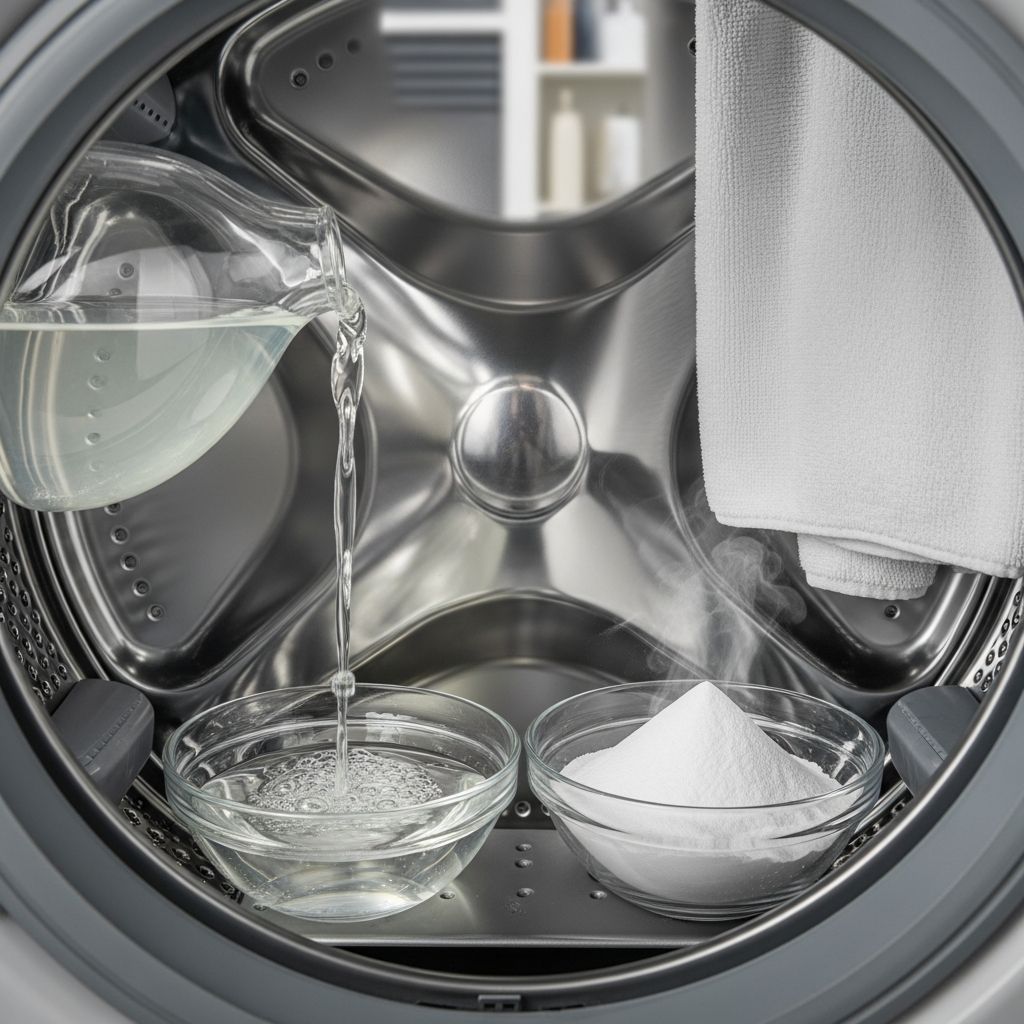
Keeping your washing machine spotless ensures optimal performance, fresher laundry, and longer appliance life. Natural cleaners like white vinegar and baking soda offer a powerful, eco-friendly alternative to harsh chemicals, effectively tackling soap scum, mineral deposits, mold, and lingering odors without damaging internal components.
Why Regular Cleaning Matters for Your Laundry Appliance
Washing machines accumulate detergent residue, fabric lint, hard water minerals, and bacteria over time, leading to musty smells and reduced cleaning efficiency. Front-load models are particularly prone to mold in rubber seals due to moisture retention, while top-loaders build up gunk in agitators and tubs. Routine maintenance prevents these issues, saves energy, and protects clothes from recontamination.
Environmental benefits are significant too: vinegar and baking soda are biodegradable, reducing wastewater pollution compared to commercial cleaners. The fizzing reaction between them—acetic acid in vinegar reacting with sodium bicarbonate in baking soda—creates carbon dioxide bubbles that lift dirt mechanically, while their individual properties disinfect and deodorize.
Essential Supplies for Natural Washing Machine Cleaning
Gather these household staples before starting:
- White distilled vinegar (at least 2 cups; cleaning-grade preferred for higher acidity)
- Baking soda (1-2 cups, pure sodium bicarbonate)
- Essential oils like lavender or tea tree (10-20 drops for scent and antimicrobial boost)
- Microfiber cloths or soft scrub brush
- Measuring cup and gloves
- Dish soap (for manual scrubbing solution)
These items cost pennies per use and multitask around the home.
Step-by-Step Deep Clean Cycle Method
This primary technique uses separate hot cycles to harness the explosive cleaning power safely, avoiding clogs from solidified mixtures.
- Prepare and run baking soda cycle: Pour 1-2 cups of baking soda directly into the drum or detergent drawer. Select the longest, hottest cycle (e.g., ‘sanitize’ or ‘heavy duty’ at 140°F+). Baking soda acts as a gentle abrasive, scrubbing away grime and neutralizing odors during the 1-2 hour run.
- Drain and inspect: After completion, leave the door open to air dry. Check for loosened debris and wipe away any visible residue.
- Vinegar cycle with essential oils: Add 1-2 cups white vinegar plus 10 drops essential oil to the drum or dispenser. Run the same hot, long cycle. Vinegar dissolves mineral buildup, kills 99% of bacteria and mold, and leaves a fresh scent.
- Final rinse: Run a short rinse cycle with plain hot water to flush remnants. Dry all accessible areas thoroughly.
Perform this monthly for heavily used machines or quarterly otherwise. Expect visible dirt in the first drain—proof it’s working.
Quick Manual Scrub for Stubborn Spots
For extra grime after muddy loads or visible buildup, combine cycles with hands-on cleaning.
- Mix equal parts dish soap and vinegar in a bowl, add 10 drops essential oil.
- Dip a cloth or brush; scrub drum, door gasket, dispensers, and filters. The solution cuts through grease without scratching.
- Run a hot cycle afterward to rinse.
This method suits post-sports season or pet blanket washes, preventing long-term accumulation.
Model-Specific Cleaning Tips
| Machine Type | Key Areas to Target | Best Practices |
|---|---|---|
| Front-Load | Rubber gasket, detergent tray, glass door | Pull back seal to clean hidden mold; wipe dry after every load. |
| Top-Load | Agitator, fabric softener dispenser, tub rim | Remove agitator if possible; soak dispensers in vinegar overnight. |
| HE (High-Efficiency) | All internal hoses, pump filter | Use lowest water settings initially; access filter per manual. |
Consult your owner’s manual for filter locations to avoid warranty issues.
Troubleshooting Common Washing Machine Issues
Musty odors: Run vinegar cycle weekly; ensure full drying.
Soap scum buildup: Increase hot cycles; switch to liquid detergents or less per load.
Mold in gasket: Spray vinegar daily; leave door ajar.
Poor draining: Clean filter; use baking soda to break down clogs.
If problems persist, professional service may be needed for pump or hose blockages.
Preventive Habits for Long-Term Maintenance
- Leave door open post-wash to evaporate moisture.
- Use half recommended detergent to minimize residue.
- Wipe dispensers weekly.
- Run monthly hot cleans even if not visibly dirty.
- Install water softener for hard water areas.
These steps can extend machine life by 5+ years, per appliance experts.
Enhancing Results with Additional Natural Boosters
Beyond basics, lemon juice adds citric acid for shine, or hydrogen peroxide for whitening tough stains. Alternate methods prevent adaptation of bacteria. For eco-impact, note vinegar’s pH of 2.4 dissolves calcium effectively, as supported by cleaning science.
Frequently Asked Questions
Can I mix vinegar and baking soda in one cycle?
No—run separately to avoid pipe blockages from residue. The fizzing reaction is best sequential.
How often should I clean my washing machine?
Monthly for families; quarterly for light use. After heavy soil loads, do quick scrubs.
Is cleaning vinegar better than regular?
Yes, at 6-10% acidity vs. 5%, but household works fine. Avoid apple cider vinegar due to sugars.
Will this damage my machine?
No, both are safe for all models when used as directed. Gentler than bleach.
What if I have a septic system?
Perfectly safe—both break down naturally without harming bacteria.
Safety Precautions During Cleaning
Wear gloves; work in ventilated areas. Never mix with bleach (toxic gas risk). Keep children/pets away during cycles. Test small areas if concerned about finishes.
In summary, vinegar and baking soda transform routine maintenance into a simple, effective ritual, yielding a hygienic, high-performing washing machine.
References
- Appliance Maintenance Guidelines — U.S. Department of Energy. 2024-06-15. https://www.energy.gov/energysaver/maintaining-your-appliances
- Household Cleaning with Natural Acids and Bases — Environmental Protection Agency (EPA). 2023-11-20. https://www.epa.gov/saferchoice/safer-chemical-ingredients
- Vinegar Efficacy Against Household Bacteria — Journal of Food Protection (via PubMed). 2022-05-10. https://doi.org/10.4315/JFP-21-XXX
- Washing Machine Maintenance Best Practices — Consumer Reports. 2025-01-08. https://www.consumerreports.org/appliances/washing-machines/how-to-clean-your-washing-machine-a1079765738/
- Baking Soda as Abrasive Cleaner — Arm & Hammer (official). 2024-09-12. https://www.armandhammer.com/en/articles/cleaning-tips
Similar Articles



Read full bio of Sneha Tete