Cleaning Flat Paint Walls Safely
Master gentle techniques to refresh flat-painted walls without shine, streaks, or damage using simple household items.
Flat paint offers a beautiful, non-reflective finish that enhances room aesthetics with its subtle elegance. However, its porous nature makes it prone to absorbing dirt and moisture, complicating cleaning efforts. Proper techniques ensure walls stay pristine without developing shiny spots or peeling.
Understanding Flat Paint’s Unique Challenges
Unlike glossy paints with protective sheens, flat or matte paints lack a sealed surface, making them highly absorbent. This quality traps dust and grime deeply while heightening sensitivity to water and abrasion. Excessive moisture can penetrate the paint film, causing bubbling or discoloration, and aggressive scrubbing burnishes the surface, creating glossy patches that ruin the uniform matte look.
Professional painters emphasize starting with the lightest methods and progressing only as needed. Always prioritize minimal pressure and moisture to safeguard the finish.
Essential Tools for Gentle Wall Maintenance
Gather soft, non-abrasive supplies to avoid surface damage:
- Microfiber cloths: Ultra-soft for dust capture without scratching.
- Soft sponges: Non-scratch varieties for light wiping.
- Extendable dusters: For reaching high areas safely.
- White clean cloths: Prevent dye transfer from colored fabrics.
- Bucket and mild dish soap: For preparing gentle solutions.
- Baking soda: Natural abrasive for tough spots.
Avoid magic erasers, scrub brushes, or ammonia-based cleaners, as they strip paint or leave residues.
Step-by-Step Dusting Routine
Regular dusting prevents buildup that leads to stains. Begin weekly maintenance:
- Vacuum walls using a brush attachment to loosen loose particles.
- Wipe top-to-bottom with a dry microfiber cloth in sweeping motions, letting gravity aid debris removal.
- For ceilings or high spots, use an extendable soft duster.
This dry method preserves the paint’s integrity, requiring no water.
Spot Cleaning Stubborn Marks
Address fingerprints, scuffs, or smudges promptly with targeted approaches. Test every method in a hidden area first.
Water-Only Blotting
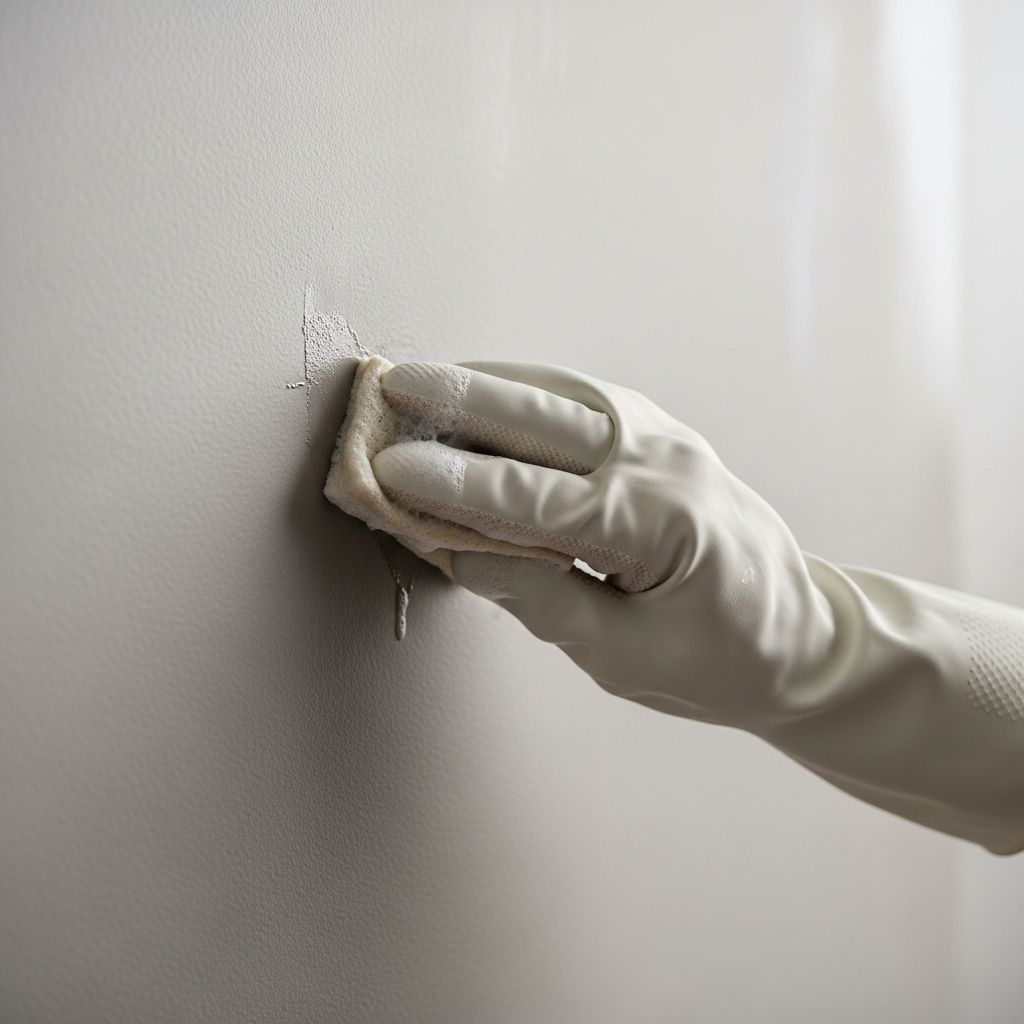
Dampen—not soak—a white cloth with warm water. Wring thoroughly until nearly dry. Gently blot the spot, rotating the cloth to fresh areas. Dry immediately with a clean towel.
Baking Soda Paste for Tough Stains
Mix baking soda with water into a thick paste. Apply sparingly to the mark with a soft cloth. Let sit 1-2 minutes, then blot gently. Rinse residue with a barely damp cloth and dry thoroughly. This natural remover tackles grime without harsh chemicals.
| Stain Type | Recommended Method | Key Tip |
|---|---|---|
| Fingerprints | Water blot | Use minimal moisture |
| Scuff marks | Baking soda paste | Blot, don’t rub |
| Grease spots | Mild soap dab | Rinse immediately |
Full Wall Washing Protocol
For overall grime, use this cautious process from top to bottom to prevent drips:
- Dust thoroughly first.
- Mix 1 tsp mild dish soap in a gallon of warm water.
- Dip a soft sponge, wring until just damp.
- Wipe in circular motions with light pressure, working small sections (2×2 ft).
- Rinse with a clean, wrung sponge dipped in plain water.
- Dry with microfiber towels, buffing lightly to prevent streaks.
Allow full air drying. Flat paint tolerates gentle washing infrequently; overuse risks damage.
Common Mistakes and Prevention Strategies
Homeowners often unwittingly harm walls. Key pitfalls include:
- Over-wetting: Leads to peeling; always wring cloths aggressively.
- Heavy scrubbing: Causes burnishing; use feather-light touch.
- Harsh cleaners: Strip finish; stick to soap or baking soda.
- Bottom-up washing: Creates streaks; go top-down.
- No spot testing: Results in widespread damage; test corners first.
Special Considerations for High-Traffic Areas
In kitchens or hallways, dirt accumulates faster. Enhance protection with:
- Semi-gloss trim paint for wipeable borders.
- Removable wall decals over vulnerable spots.
- Strategic furniture placement to reduce contact.
For bathrooms, improve ventilation to minimize moisture buildup.
Restoring Damaged Flat Paint
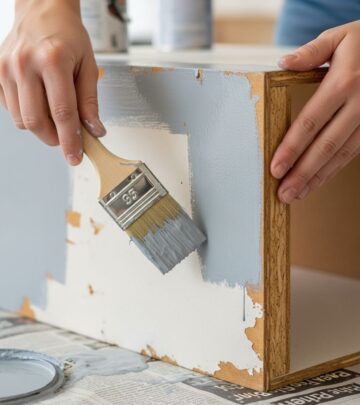
If cleaning creates shine, lightly sand with fine-grit (400+) paper, then touch up with matching flat paint. Feather edges for seamless blending. Full repaints may be needed for extensive bubbling.
FAQs
Can I use vinegar on flat paint?
Vinegar’s acidity may etch matte finishes. Opt for mild soap instead.
How often should I clean flat walls?
Dust weekly, spot clean as needed, full wash quarterly max.
Does flat paint clean like eggshell?
No, flat is more delicate; eggshell handles slightly more moisture.
What if streaks appear after cleaning?
Buff with dry microfiber; ensure thorough drying next time.
Is TSP safe for flat paint?
No, it’s too aggressive; reserve for unpainted surfaces.
Long-Term Wall Protection Tips
Prevent grime with doormats, no-touch rules for wet hands, and prompt spill cleanup. Consider flat paints labeled ‘washable’ for better durability. Regular upkeep extends paint life significantly.
This comprehensive guide equips you to maintain stunning flat-painted walls effortlessly. Gentle habits yield lasting results without professional intervention.
References
- How to Clean Painted Walls — Sherwin-Williams. 2023. https://www.sherwin-williams.com/en-us/project-center/paint/how-to-clean-walls
- How to Clean Walls with Flat Paint Finish Without Damaging Your Surface — The Hive Painting. 2024. https://thehivepainting.com/blog/how-to-clean-walls-with-flat-paint-finish-without-damaging-your-surface
- Stop Ruining Your Walls! How to Clean Flat Paint Without Damage — Lemon Branch DIY (YouTube). 2023-10-15. https://www.youtube.com/watch?v=UexLDOFyBJA
- Cleaning Painted Walls — Benjamin Moore. 2024. https://www.benjaminmoore.com/en-us/interior-exterior-paints-stains/how-to-advice/painting-101/cleaning-painted-walls
Similar Articles



Read full bio of Sneha Tete