Cleaning Mold With Vinegar: A Complete Homeowner’s Guide
Learn when, where and how to safely use vinegar to tackle household mold.
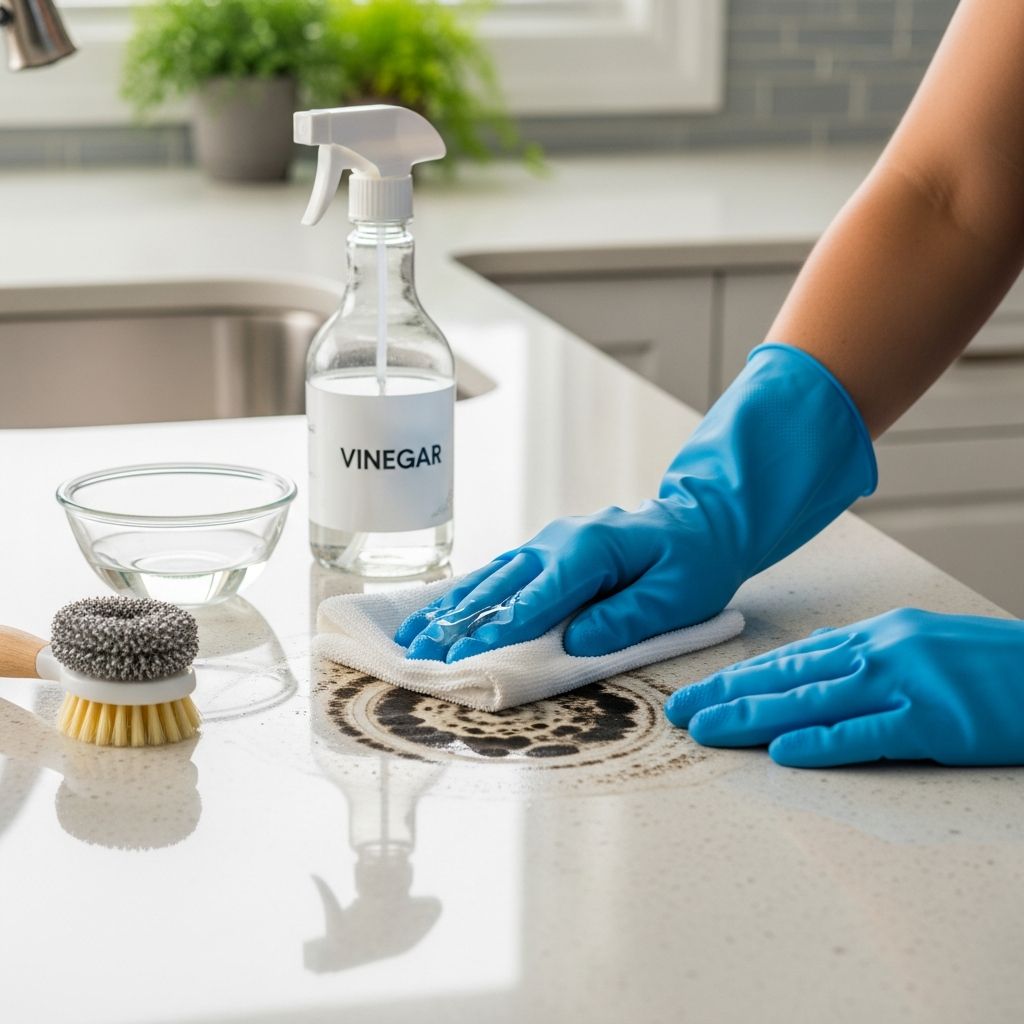
Household mold is more than just an ugly stain. It can trigger allergies, damage surfaces and, in some cases, signal deeper moisture problems in your home. Many homeowners reach for vinegar as a natural cleaner, but it is important to understand exactly when and how vinegar can safely and effectively help with mold, and when it is time to call in a professional.
What Is Mold and Why It Matters
Mold is a type of fungus that thrives in damp, poorly ventilated spaces and feeds on organic material such as drywall paper, wood, fabric and dust. It spreads through microscopic spores that float through the air and settle in areas where moisture and food sources are available. In the home, mold often appears as black, green, white or even orange patches on walls, ceilings, caulking, grout, windowsills, carpets and stored belongings.
Light mold growth may be mostly a cosmetic and odor problem, but more extensive contamination can affect indoor air quality and cause or worsen respiratory symptoms in sensitive people. That is why dealing with mold growth promptly and safely is essential, and why homeowners are right to question which products truly work.
Why People Use Vinegar for Mold
Distilled white vinegar is one of the most commonly recommended household cleaners for light mold and mildew. It is inexpensive, widely available, and does not release harsh fumes like some strong chemical cleaners. Because vinegar is mildly acidic, it can disrupt the structure of many types of mold on non-porous and some semi-porous surfaces.
Another reason people prefer vinegar is that it can be part of a broader low-tox, DIY cleaning routine. For families with children, pets or chemical sensitivities, reducing reliance on strong disinfectants can be attractive. Still, it is important not to assume that vinegar is a cure-all; it has real limits that every homeowner should understand.
How Vinegar Works Against Mold
Most household distilled white vinegar contains about 5 percent acetic acid in water. This mild acid can damage the cell structures of many common molds on hard surfaces, which helps reduce visible growth and musty odor when used correctly. It is especially useful for small problem areas and for preventing light mildew from taking hold in damp locations like bathrooms and kitchens.
However, mold often sends roots (called hyphae) into porous materials such as drywall, insulation and unfinished wood. In those cases, vinegar may only reach surface growth and leave deeper mold colonies intact. That is why vinegar is best viewed as a tool for small, accessible surface mold, not an all-purpose solution for every mold situation in the home.
When Vinegar Is Appropriate for Mold
Vinegar can be a reasonable choice in specific circumstances. Used thoughtfully, it can help control light mold growth and mildew stains before they spread and become serious. Consider vinegar primarily for:
- Small mold patches on non-porous or lightly textured surfaces.
- Bathroom surfaces such as glazed tile, glass shower doors and some grout lines.
- Kitchen areas like sealed countertops and backsplashes where moisture causes minor mildew.
- Refrigerator interiors, window tracks, and washable storage containers.
- Regular maintenance cleaning in areas prone to condensation and humidity.
On these types of surfaces, vinegar can help keep mold from coming back as quickly by making the environment less friendly to spores. It works best when combined with good moisture control and proper ventilation.
When Vinegar Is Not Enough
There are many situations where vinegar is not the right choice or simply cannot handle the full extent of the problem. In those cases, relying on vinegar alone can give a false sense of security while mold continues to grow out of sight. Be cautious about using only vinegar in the following scenarios:
- Large areas of mold: If the affected area is larger than a few square feet, or if multiple rooms show visible mold, the problem is beyond a simple DIY vinegar treatment.
- Porous building materials: Mold growing on drywall, carpet, insulation, ceiling tiles or unfinished wood often extends deeper than surface level.
- Water damage events: After flooding, pipe leaks, roof leaks or long-term moisture intrusion, mold can colonize hidden cavities behind walls and under floors.
- Strong, persistent musty odor: A strong smell that does not improve with basic cleaning suggests hidden or widespread growth.
- Health concerns: If anyone in the home has asthma, severe allergies or compromised immunity, professional assessment is safer than DIY experimentation.
In these higher-risk or large-scale situations, specialized remediation methods and protective equipment are usually required. Vinegar may still help with some spot cleaning, but it should not be the primary line of defense.
Surfaces You Can and Cannot Clean with Vinegar
Vinegar is not safe or effective on every surface. Understanding where it can be used will help prevent accidental damage and improve your results. The table below gives a general overview for household decision-making.
| Surface | Use Vinegar? | Notes |
|---|---|---|
| Glazed ceramic tile and grout | Yes, with care | Good for soap scum and light mildew. Rinse well and avoid overuse on grout if it is already deteriorating. |
| Glass and mirrors | Yes | Safe and effective for water spots, light mildew on windows and shower doors. |
| Sealed countertops (laminate, some stone composites) | Often | Usable on many sealed counters. Always test in an inconspicuous area and follow manufacturer care instructions. |
| Natural stone (marble, limestone, travertine) | No | Acid can etch and dull natural stone surfaces. Use pH-neutral cleaners instead. |
| Hardwood floors and furniture | Use caution | Vinegar can dull some finishes and may not reach mold inside the wood. Consult manufacturer guidelines. |
| Drywall and ceiling tiles | No | Porous materials often require removal rather than surface cleaning. |
| Carpet and upholstery | Limited | Vinegar may help with light mildew odor but will not reliably eliminate deeper mold contamination. |
Safety Precautions Before You Start
Even when using a common household product like vinegar, treating mold requires basic safety habits. Disturbing moldy surfaces can release spores into the air, so taking a few minutes to prepare can protect both your lungs and your skin.
- Wear non-porous gloves, such as nitrile or rubber, to avoid skin contact with mold and cleaning solution.
- Use eye protection if you are working overhead or scrubbing vigorously.
- Open windows and doors to increase ventilation and help odors dissipate.
- Consider wearing a properly fitted mask or respirator rated for particulates when cleaning areas with noticeable visible mold.
- Keep children and pets away from the work area until cleaning and drying are complete.
If you have breathing issues or notice symptoms such as coughing, dizziness or eye irritation while cleaning, step away from the area and reconsider whether DIY cleaning is appropriate for your situation.
Step-by-Step: Cleaning Small Areas of Mold with Vinegar
For minor mold spots on appropriate surfaces, a careful step-by-step process can help you clean more effectively and discourage regrowth. Adjust these steps as needed for your specific situation and surface type.
- Identify and correct the moisture source. Before cleaning, consider why mold grew there in the first place. Check for leaks, poor ventilation, condensation or high indoor humidity, and address those issues to keep the problem from returning.
- Prepare your cleaning solution. For most household mold on hard surfaces, full-strength distilled white vinegar can be used. If you are concerned about surface sensitivity, test a small spot first or dilute vinegar slightly with water.
- Apply vinegar to the affected area. Use a spray bottle to saturate the moldy patch or dampen a clean cloth or sponge and press it onto the surface. Avoid aggressive scrubbing at first, which can spread spores.
- Allow contact time. Let the vinegar sit on the surface for at least 30 minutes. The contact time helps the acid reach more of the mold growth and improves overall effectiveness.
- Gently scrub and wipe. After the wait period, use a soft brush or non-scratch pad to loosen remaining mold and stains. Wipe away residue with clean cloths that you can wash in hot water or dispose of after use.
- Rinse if appropriate. On some surfaces, such as sealed tile or glass, you may want to rinse with clean water to remove the vinegar smell and loosened debris. Dry thoroughly afterward.
- Dry the area completely. Use fans, open windows or a dehumidifier to dry the cleaned surfaces as quickly as possible. Persistent dampness will invite mold right back.
- Dispose of cleaning materials carefully. Double-bag disposable rags, paper towels and damaged items, then take them outside promptly. Wash reusable tools and cloths in hot water and dry them fully.
After cleaning, monitor the area for a few days and weeks. If stains keep reappearing or odors persist, the mold problem may be deeper than surface level.
Common Mistakes to Avoid
Using vinegar for mold can be simple, but some common mistakes can reduce its effectiveness or cause unintended damage. Keeping these points in mind will help you get better results and avoid unnecessary risks.
- Skipping protective gear: Even small mold spots can release spores when disturbed, so gloves and at least basic respiratory protection are important.
- Mixing vinegar with bleach or other chemicals: Combining cleaners can create irritating or dangerous fumes. Use one product at a time and rinse thoroughly if you change products.
- Ignoring hidden moisture: If leaks or condensation continue, no amount of vinegar will prevent mold from coming back.
- Cleaning instead of removing damaged materials: Severely moldy drywall, carpet or insulation usually must be safely removed, not just treated on the surface.
- Overusing vinegar on sensitive surfaces: Frequent acidic cleaning can dull finishes and etch materials like natural stone.
When to Call a Mold Professional
DIY vinegar cleaning is only one tool in the larger mold-control toolbox. Recognizing when that tool is not enough protects your home and your health. Professional assessment or remediation is typically recommended when:
- The visible mold covers a large area or appears in multiple parts of the home.
- You have experienced flooding, a long-term leak or other serious water damage.
- There is a strong, persistent musty smell that you cannot trace to a small, visible patch.
- Household members have significant respiratory problems or mold-related sensitivities.
- Structural materials such as subflooring or framing may be affected.
Qualified mold professionals use specialized containment, filtration and removal methods to handle more complex cases safely. Their work often includes tracing moisture sources, recommending repairs and verifying that mold levels are under control before cleanup is considered complete.
Preventing Mold After Cleaning
Once a small mold issue has been handled with vinegar or other methods, the focus should shift to prevention. Mold spores are almost always present at low levels indoors, but you can make your home much less welcoming to them by controlling moisture and improving air flow.
- Use exhaust fans in bathrooms and kitchens during and after showers or cooking.
- Fix plumbing leaks, roof issues and window condensation as soon as they are noticed.
- Maintain indoor humidity around 30–50 percent using dehumidifiers or air conditioning in damp climates.
- Keep furniture slightly away from exterior walls to allow air circulation.
- Regularly clean and dry areas that tend to stay damp, such as shower stalls, window tracks and basements.
These habits, together with periodic cleaning, will do more to keep mold at bay than any single cleaning product, including vinegar.
FAQs About Cleaning Mold with Vinegar
1. Does vinegar kill all types of household mold?
Vinegar can help reduce or inhibit many common molds on non-porous surfaces, but it does not reliably eliminate all mold in every situation. Deeply embedded mold in porous materials, or mold linked to serious moisture problems, usually requires more extensive treatment or material removal.
2. Should vinegar be diluted before using it on mold?
For many hard surfaces, full-strength distilled white vinegar is commonly used against light mold and mildew. If you are concerned about the surface finish or manufacturer recommendations, test a small hidden area or dilute the vinegar slightly with water before applying it more widely.
3. Can vinegar replace professional mold remediation?
No. Vinegar is suitable only for minor, accessible mold on specific surfaces. Large infestations, mold after flooding or mold affecting building materials typically require professional remediation, moisture repair and proper containment to prevent cross-contamination.
4. Is it safe to mix vinegar and bleach for a stronger mold cleaner?
Mixing vinegar with bleach or other chemicals is not recommended. Combining cleaners can create irritating or hazardous fumes. If you choose to use a different product after vinegar, rinse the area thoroughly and allow it to dry before applying anything else.
5. What if the mold returns after cleaning with vinegar?
If mold returns quickly after a vinegar cleaning, it usually means the underlying moisture source has not been corrected or the mold is more extensive than it first appeared. Reevaluate for leaks, high humidity or hidden growth, and consider professional guidance if the problem persists.
Using vinegar for mold removal can be helpful as part of a broader home maintenance and moisture-control strategy. Understanding its strengths and limitations will help you decide when a simple DIY cleaning is enough and when your home needs specialized mold remediation.
Similar Articles








Read full bio of medha deb