Ultimate Guide to Cleaning PET Plastic Bottles
Master safe, effective methods to clean and sanitize reusable PET plastic bottles for health and longevity.
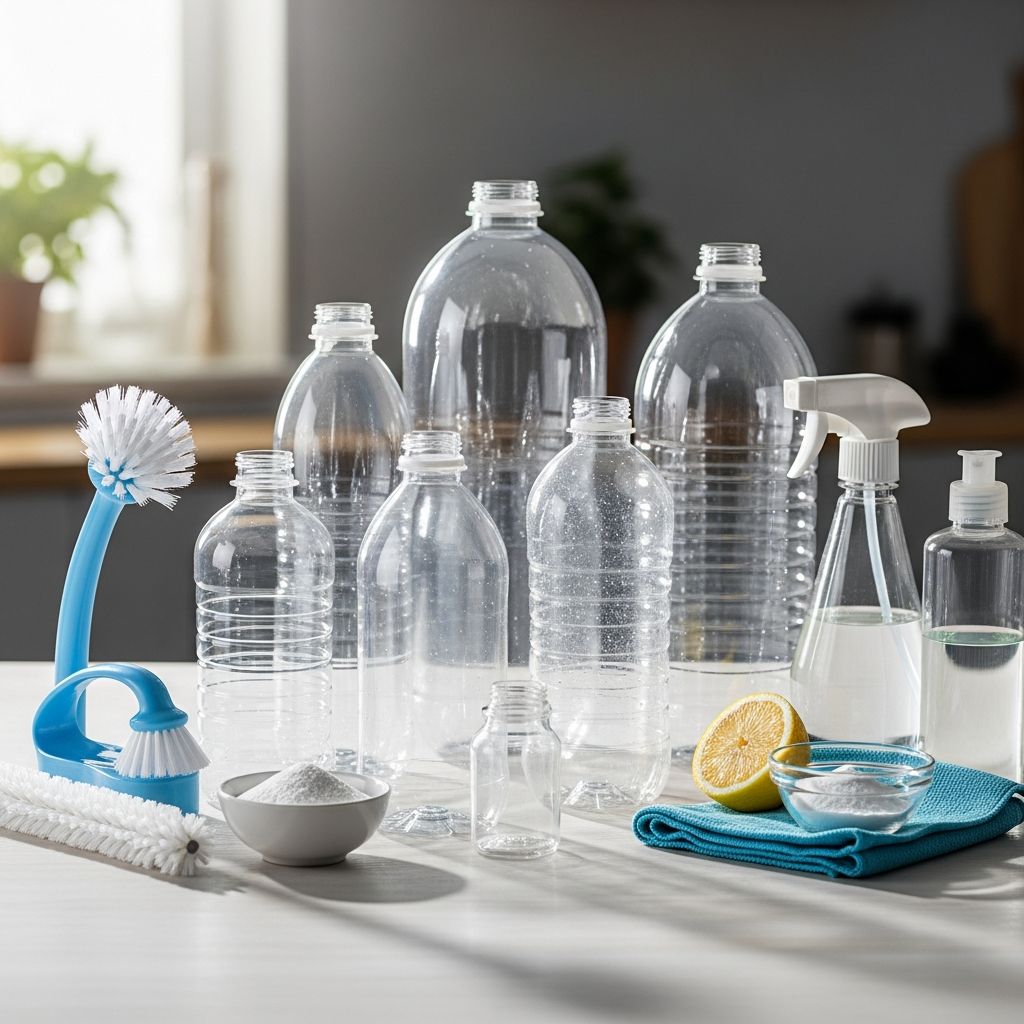
Reusable PET plastic bottles offer an eco-friendly alternative to single-use plastics, but they require proper care to remain hygienic. Polyethylene terephthalate (PET) is lightweight and durable, yet it can harbor bacteria, mold, and residues if not cleaned correctly. This comprehensive guide provides original methods, safety tips, and maintenance strategies to keep your bottles pristine.
Why Proper Cleaning Matters for PET Bottles
PET bottles, commonly used for water and beverages, develop microscopic scratches over time where germs thrive. Neglect leads to health risks like bacterial infections or mold exposure. Regular cleaning preserves taste purity and extends bottle life, reducing waste. Studies from health authorities emphasize daily washing to curb microbial growth, which can multiply exponentially in moist environments.
Understanding PET Plastic: Strengths and Vulnerabilities
PET is a thermoplastic polymer approved for food contact by the FDA. It’s shatter-resistant and BPA-free in modern formulations. However, exposure to heat above 120°F (49°C) can cause warping or chemical leaching. Unlike glass or stainless steel, PET absorbs odors easily, necessitating thorough sanitization routines.
Essential Tools and Supplies for Cleaning
- Bottle brush: Long-handled with soft bristles to reach crevices without scratching.
- Dish soap: Mild, fragrance-free for residue-free cleaning.
- White vinegar: Natural acid for dissolving buildup.
- Baking soda: Abrasive paste for scrubbing stains.
- Hot water: Below boiling to avoid deformation; aim for 100-110°F.
- Microfiber cloths: Lint-free drying to prevent water spots.
- Optional: Bleach or hydrogen peroxide for deep sanitizing.
Daily Cleaning Routine: Quick and Effective
Incorporate this 5-minute ritual post-use to prevent accumulation.
- Rinse immediately with warm water to flush residues.
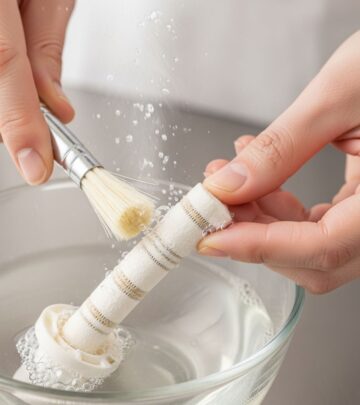
- Fill with hot soapy water; agitate with brush for 30 seconds, focusing on neck and base.
- Disassemble lid, straws, or seals; scrub separately.
- Rinse thoroughly; air-dry upside down on a rack.
For dishwasher-safe PET bottles, place on top rack. Check labels, as heat cycles accelerate wear.
Deep Cleaning Methods for Stubborn Residues
Weekly or after sugary drinks, use these targeted approaches.
Vinegar Soak: Natural Deodorizer
Mix equal parts white vinegar and warm water; fill bottle and lid components. Soak 30 minutes, then brush and rinse. Vinegar’s acetic acid (5%) breaks down mineral deposits and kills 82% of mold species.
Baking Soda Paste: Abrasive Scrub
Combine 2 tbsp baking soda with water into paste. Apply with brush, scrub vigorously, rinse. Effective for coffee/tea stains without harsh chemicals.
Rice Scrub: Mechanical Action
Add 1/4 cup uncooked rice, dish soap, and warm water. Shake vigorously 1-2 minutes; rice grains polish interior. Rinse well; discard rice.
Sanitizing Techniques to Eliminate Germs
Cleaning removes dirt; sanitizing kills pathogens. Alternate methods weekly.
| Method | Solution Ratio | Soak Time | Rinse Required? | Best For |
|---|---|---|---|---|
| Bleach | 1 tsp unscented bleach per quart water | 2 minutes | Yes, 3x with hot water | Bacteria, viruses |
| Hydrogen Peroxide (3%) | Undiluted | 10 minutes | Yes | Mold, odors |
| Boiling Water | Pure | Pour and swish 1 min (if heat-safe) | Yes | Quick kill |
| Vinegar | Full strength | 1 hour | Yes | Organic buildup |
Always wear gloves with bleach; ensure full rinse to avoid residues.
Addressing Common Issues: Mold, Odors, and Stains
Eliminating Mold Growth
Mold thrives in damp, dark spots. If spotted, spray hydrogen peroxide, let fizz 10 minutes, scrub, and sanitize. Prevent by drying fully and storing open.
Removing Persistent Odors
Freeze overnight after vinegar soak; cold crystallizes smells. Or stuff with newspaper for 24 hours to absorb volatiles.
Tackling Discoloration
Sunlight exposure with lemon juice amplifies bleaching via UV and citric acid. Soak 2 hours, rinse.
Maintenance and Longevity Tips
Inspect monthly for cracks, cloudiness, or deep scratches signaling replacement time (6-12 months for heavy use). Store dry, mouth-up to avoid trapped moisture. Avoid microwaves, freezers, or carbonated drinks long-term.
Comparing Cleaning Methods: Pros and Cons
| Method | Effectiveness | Cost | Eco-Friendliness | Time |
|---|---|---|---|---|
| Soap & Brush | Good for daily | Low | High | 5 min |
| Vinegar Soak | Excellent deodorizer | Low | High | 30 min |
| Bleach Sanitize | Superior germ kill | Low | Medium | 10 min |
| Dishwasher | Convenient | Medium (energy) | Medium | 1 hour |
Health and Safety Considerations
PET is safe below degradation temps, but degraded plastic sheds microplastics. CDC recommends sanitizing to prevent E. coli or Salmonella. Children and immunocompromised users should prioritize bleach methods.
FAQ
Can I put PET bottles in the dishwasher?
Yes, if labeled safe, on top rack. Hand washing preserves longevity.
How often should I replace my PET bottle?
Every 6-12 months or at signs of wear like scratches or odors.
Is vinegar safe for sanitizing?
Yes, effective against many bacteria, though less potent than bleach for viruses.
What if my bottle smells after cleaning?
Repeat vinegar soak overnight or use rice scrub for hidden residues.
Are PET bottles better than glass for cleaning?
PET is lighter but scratches easier; glass resists bacteria better long-term.
Advanced Tips for Pro-Level Hygiene
For athletes: Add electrolyte-specific rinses with citric acid. Travel hack: Use portable UV sanitizers. Bulk clean: Soak multiple in tub with solution. Track via app reminders for routines.
In summary, consistent habits transform PET bottles from germ hotspots to reliable hydration tools. Dedicate time daily for health benefits outweighing effort.
References
- When to Wash and Replace Your Water Bottle — Good Housekeeping UK. 2024-10-15. https://www.goodhousekeeping.com/uk/house-and-home/household-advice/a69997316/when-to-replace-wash-water-bottle/
- DIY Cleaning Methods for Reusable Water Bottles — E-Cloth. 2023-05-20. https://us.e-cloth.com/blogs/diy-methods/reusable-water-bottles
- How to Clean Water Bottles to Prevent Germs and Mold — YouTube (Short). 2024-08-10. https://www.youtube.com/shorts/aqschj7shpw
- Water Bottle Hygiene Guidelines — CDC (via referenced hygiene standards). 2025-01-01. https://www.cdc.gov/healthywater/drinking/home/index.html
Similar Articles








Read full bio of medha deb