Cleaning Tempered Glass: Expert Guide
Discover proven methods to keep your tempered glass spotless, scratch-free, and looking brand new with safe, effective techniques for every surface.
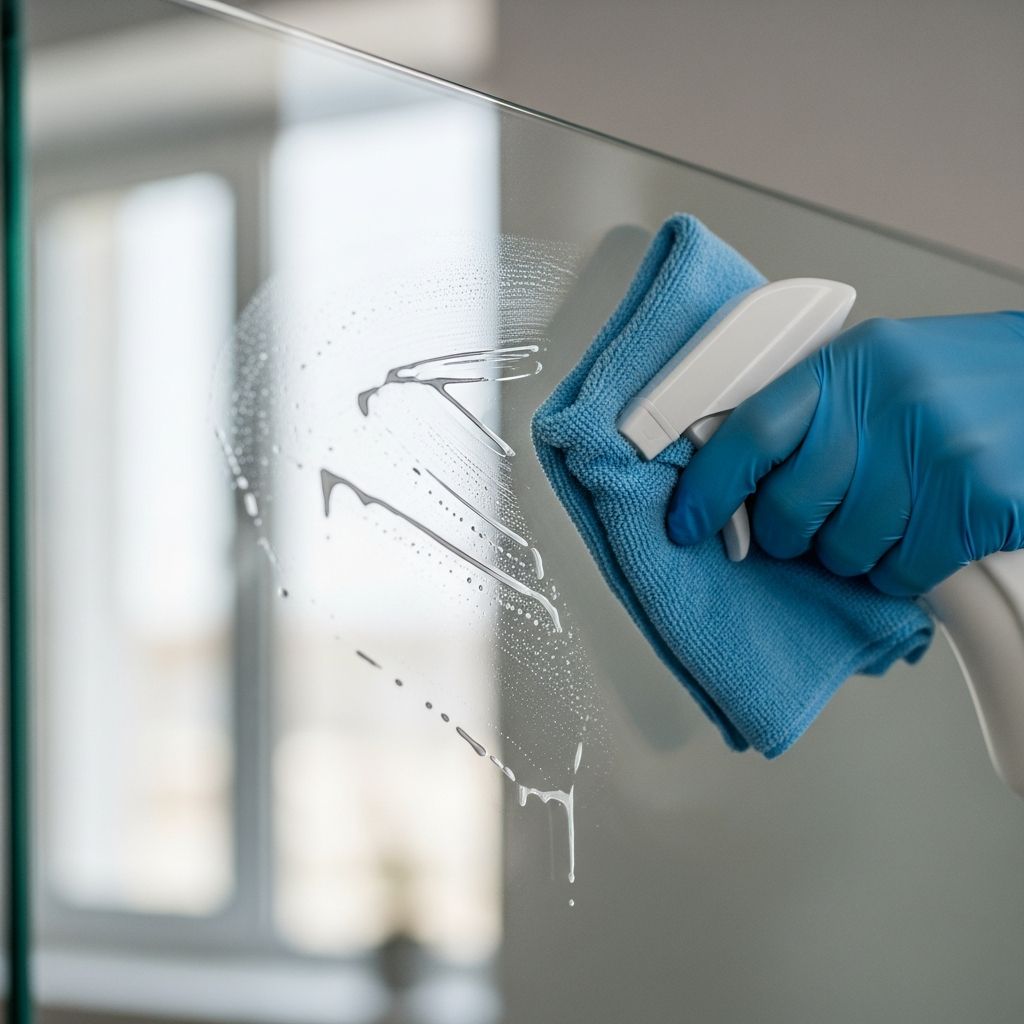
Tempered glass offers exceptional strength and safety for applications like shower enclosures, tabletops, and computer cases, but it demands careful cleaning to preserve its pristine appearance and durability. Unlike regular glass, its heat-treated structure makes it more prone to visible scratches from abrasive materials, so using the right methods is crucial.
Understanding Tempered Glass Properties
Tempered glass undergoes a rapid heating and cooling process, creating compressive stress on the surface for four to five times the strength of annealed glass. This makes it shatter-resistant, breaking into small, blunt granules rather than sharp shards. However, its surface remains delicate against abrasives, requiring non-scratch cleaning approaches.
Common uses include frameless showers, kitchen islands, office partitions, and PC side panels, where fingerprints, water spots, and dust accumulate quickly, dulling transparency. Regular maintenance not only enhances aesthetics but also extends lifespan by preventing mineral buildup and micro-abrasions.
Essential Tools and Supplies for Safe Cleaning
Gather these items before starting to ensure streak-free results without damage:
- Microfiber cloths: Lint-free and soft, ideal for wiping without scratching.
- Soft sponges: Use only the gentle side; avoid scrubbers.
- Spray bottle: For mixing solutions.
- Mild dish soap: pH-neutral for everyday grime.
- White vinegar: Natural acid for mineral deposits.
- Baking soda: Mild abrasive for stains.
- Distilled water: Prevents mineral spots from tap water.
- Cotton swabs: For edges and corners.
Avoid paper towels, which leave lint, and ammonia-based cleaners, which can etch the surface over time.
Daily Cleaning Routine for Crystal Clarity
For routine upkeep on high-touch areas, follow this simple process to remove dust and smudges efficiently.
- Dust first: Gently sweep loose particles with a dry microfiber cloth or anti-static brush to prevent scratching during wetting.
- Mix solution: Combine 1 teaspoon mild dish soap with 1 quart warm distilled water in a spray bottle. Shake well.
- Apply sparingly: Mist the cloth, not the glass, to control moisture and avoid drips.
- Wipe directionally: Use straight lines top-to-bottom or left-to-right, never circular motions that trap grit.
- Rinse if needed: Dampen a clean cloth with distilled water and wipe over.
- Buff dry: Polish with a fresh microfiber cloth for a flawless finish.
This method takes under 5 minutes and keeps surfaces sparkling. Repeat weekly or as needed for busy households.
Tackling Tough Stains and Mineral Buildup
Hard water spots, soap scum, and fingerprints require targeted treatments. Here’s how to address them safely.
Vinegar Solution for Water Spots
Mix equal parts white vinegar and distilled water. Spray on affected areas, let sit 5-10 minutes to dissolve minerals, then wipe with a soft cloth. Rinse and dry thoroughly. Vinegar’s acidity breaks down calcium without harsh chemicals.
Baking Soda Paste for Soap Scum
Blend baking soda with water into a thick paste. Apply to scum, wait 3-5 minutes, and gently rub with a soft sponge. This mild abrasive lifts residue without scratching tempered glass. Rinse well to avoid powder remnants.
Oil-Based Fingerprints
For greasy marks, use a drop of dish soap on a damp cloth. Wipe in one direction, then follow with vinegar rinse. Stubborn cases benefit from a 70% isopropyl alcohol wipe, but test a small area first to protect any oleophobic coatings.
Table of Common Stains and Solutions:
| Stain Type | Solution | Dwell Time | Follow-Up |
|---|---|---|---|
| Water spots | Vinegar-water mix | 5-10 min | Rinse & dry |
| Soap scum | Baking soda paste | 3-5 min | Gentle scrub, rinse |
| Fingerprints | Dish soap or alcohol | Immediate | Buff dry |
| Dust/grime | Soap-water spray | None | Wipe directional |
Cleaning Specific Tempered Glass Applications
Shower Doors and Enclosures
Humidity breeds soap scum. After each use, squeegee dry. Weekly, apply vinegar spray, let sit while showering, then rinse. For heavy buildup, baking soda paste works wonders on frames too.
Kitchen Tabletops and Countertops
Food splatters need prompt attention. Wipe spills immediately with soapy water. For etched spots from acids like lemon, neutralize with baking soda, then clean as usual.
PC Cases and Side Panels
Dust magnets in electronics. Remove panel if possible, wash in a tub with soapy water using fingers for scrubbing. Air dry fully before reinstalling to avoid interior moisture. For in-place cleaning, use compressed air first, then microfiber with minimal liquid.
Screen Protectors and Small Gadgets
Delicate oleophobic layers demand care. Use distilled water on microfiber only—no soaps or alcohol routinely, as they degrade coatings. Circular wipes for fingerprints.
Prevention Strategies to Minimize Cleaning
Proactive habits reduce effort:
- Apply rain-X or similar repellents post-cleaning for water beading.
- Use coasters and mats under items.
- Install squeegees in showers.
- Polish monthly with glass wax for protection.
- Educate household on no abrasive tools.
These extend time between deep cleans significantly.
Frequently Asked Questions (FAQs)
Can I use Windex on tempered glass?
Ammonia in Windex can degrade coatings over time. Stick to mild soap or vinegar for safety.
Will steel wool scratch tempered glass?
Yes, even fine #0000 grade risks micro-scratches. Opt for soft cloths instead.
How do I clean the inside of a curved tempered panel?
Use a soft brush or vacuum attachment first, then minimal soapy solution with a long-handled squeegee.
Is it safe to submerge PC tempered glass in water?
Yes, if removed and electronics protected. Dry completely before reassembly.
What if scratches appear despite careful cleaning?
Minor ones may polish out with cerium oxide paste. Deep scratches require professional refinishing or replacement.
Advanced Techniques for Professional Results
For showroom shine, consider a vacuum glass cleaner with foam pads and dish soap solution. Apply foam, let dwell, then vacuum residue—ideal for large panels. Always hand-wash pads to maintain efficacy.
In construction or post-install cleans, pros use fine steel wool (#0000) on wet glass with short strokes, but only where essential, avoiding blades.
Safety and Common Mistakes to Avoid
Never mix vinegar with bleach—toxic fumes result. Work in ventilated areas. For tall surfaces, use stable ladders. Test solutions on inconspicuous spots. Over-wetting edges can seep into frames, causing swelling.
Mistakes like rubbing dirty cloths or using newsprint lead to haze. Always start dry and dust-free.
References
- How to Maintain and Clean Tempered Glass Surfaces — Replacement Glass. 2023-07. https://replacementglass.com/2023/07/how-to-maintain-and-clean-tempered-glass-surfaces/
- How to Clean Tempered Glass — LandGlass. N/A. https://www.landglass.net/Media_Report/mediainfo/926.html
- How to Clean Tempered Glass Side Panels? — DarkFlash. N/A. https://www.darkflash.com/article/how-to-clean-tempered-glass-side-panel
Similar Articles



Read full bio of Sneha Tete