Clear Slow Drains: Vinegar Fixes for Sinks
Discover effective vinegar-based methods to unclog slow-draining sinks and restore fast water flow in your home plumbing.
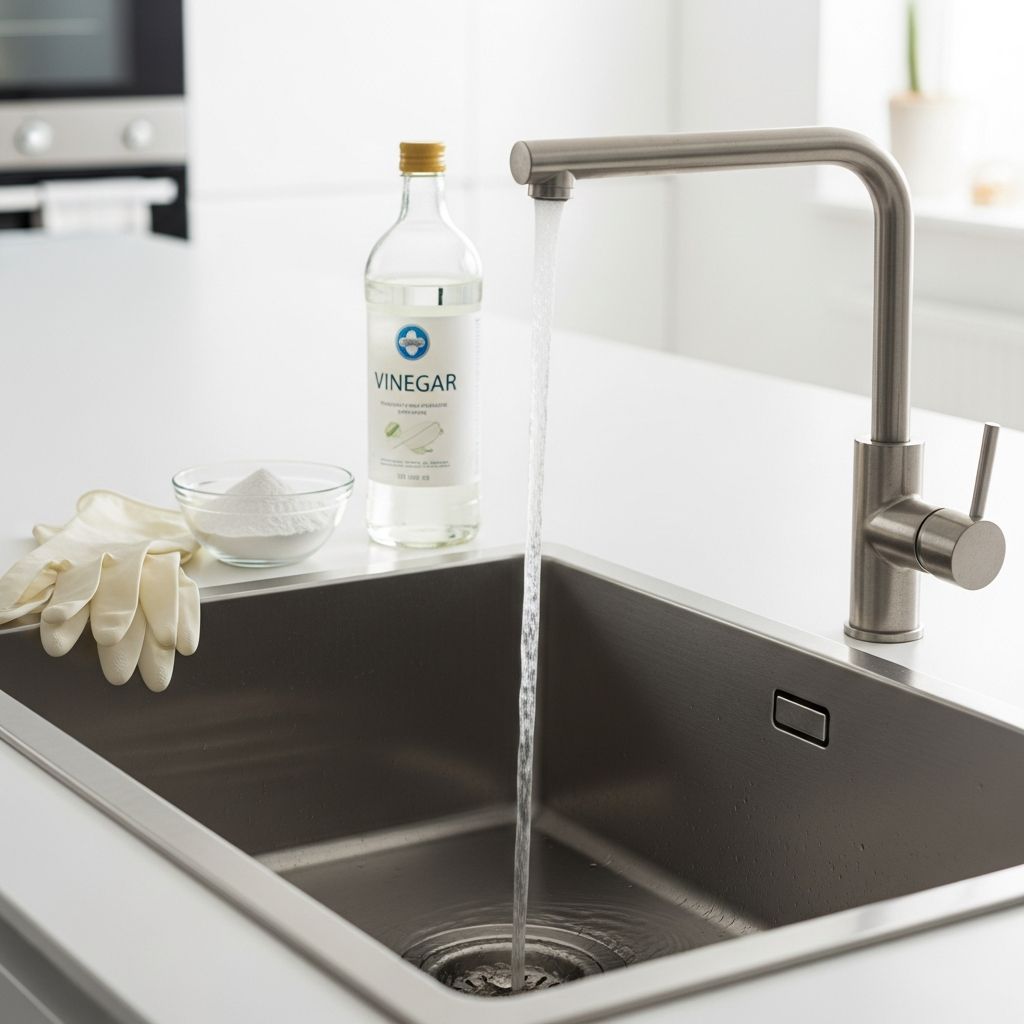
A slow-draining sink disrupts daily routines, pooling water and risking backups. Common in kitchens and bathrooms, this issue stems from everyday debris. Natural solutions like vinegar offer safe, effective unclogging without harsh chemicals.
Understanding Why Your Sink Drains Slowly
Slow drainage often results from accumulated waste in pipes. In kitchens, grease and food scraps solidify, forming blockages. Bathrooms face hair and soap residue buildup. Hard water exacerbates problems by depositing minerals that narrow pipes over time.
Recognize signs early: water lingers after rinsing, gurgling sounds emerge, or foul odors waft from the drain. Addressing these promptly prevents escalation to full clogs or sewer issues.
Primary Causes of Blocked Sink Flow
- Hair and Debris Accumulation: Long strands tangle with soap, creating dense mats in bathroom drains.
- Greasy Residues: Kitchen fats cool and harden, trapping particles further down.
- Mineral Deposits: Calcium from hard water coats pipes, reducing diameter gradually.
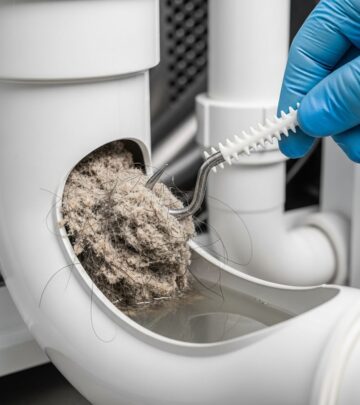
- P-Trap Obstructions: The U-bend under sinks collects sediment, impeding flow.
- Ventilation Problems: Blocked vents create suction, slowing water movement.
Older homes may suffer corroded pipes or root intrusions affecting multiple fixtures.
Preparing for a Vinegar-Based Unclog
Gather supplies: white vinegar, baking soda, hot water, rubber gloves, bucket, and old toothbrush. Work in a well-ventilated area. Lay towels to catch spills. Test hot water first—pour to gauge clog depth.
| Supply | Purpose |
|---|---|
| White Vinegar (1 cup) | Dissolves minerals and organics |
| Baking Soda (½ cup) | Creates fizzing reaction |
| Boiling Water | Flushes debris |
| Plunger | Initial dislodging |
Step-by-Step Vinegar Method for Kitchen Sinks
Kitchen sinks handle heavy grease loads. Start by plunging: fill basin halfway, seal plunger over drain, pump vigorously 15-20 times. Remove standing water.
- Sprinkle ½ cup baking soda into drain.
- Pour 1 cup vinegar slowly—expect bubbling as reaction breaks bonds.
- Cover with wet rag for 15-30 minutes to contain fizz.
- Flush with 2 quarts boiling water to clear residue.
- Repeat if needed; test with running tap.
This combo neutralizes grease effectively, outperforming soap alone.
Adapting Vinegar Fixes for Bathroom Sinks
Bathroom clogs involve hair, requiring mechanical aid first. Remove stopper if possible—twist or unscrew from below. Use wire hanger hook to pull visible gunk.
Follow with vinegar mix: baking soda first, then vinegar. Let sit 20 minutes. For stubborn hair, snake lightly before chemical action. Boiling water rinse follows. This targets soap scum and strands precisely.
Advanced Technique: Overnight Vinegar Soak
For persistent slowdowns, extend treatment. Pour 2 cups vinegar down drain evening before bed. Let sit overnight to penetrate deep buildup. Morning flush with hot water and baking soda boosts efficacy. Ideal for mineral-heavy areas.
Monitor results: full clearing shows steady drain in under 30 seconds.
Tackling P-Trap and Deeper Blockages
Place bucket under sink. Loosen slip nuts on P-trap with pliers—counterclockwise. Empty contents into bucket, scrub with vinegar-soaked brush. Rinse trap, reassemble tightly.
Post-clean, run vinegar through pipes. This resolves 40% of slow drains trapped here. Check for leaks after tightening.
Preventing Future Slow Drains Naturally
- Install mesh screens to trap hair and scraps weekly.
- Flush monthly with vinegar-baking soda preventive mix.
- Run hottest tap water post-use to melt fats.
- Avoid pouring oils or coffee grounds down drain.
- Consider water softener for mineral-prone homes.
Weekly hot water rinses maintain flow, extending pipe life.
When to Escalate to Professional Help
Vinegar fails if multiple sinks slow, backups occur, or sewage smells rise—indicating main line issues or roots. Pros use cameras for inspection. Don’t delay; backups damage floors.
Comparing Natural vs. Chemical Cleaners
| Method | Pros | Cons | Best For |
|---|---|---|---|
| Vinegar + Baking Soda | Safe, cheap, eco-friendly | Slower on heavy clogs | Mild buildup |
| Commercial Foams | Fast action | Harsh on pipes/septic | Greasy kitchens |
| Plumbing Snake | Removes solids | Requires tool | Hair clogs |
Natural options suit routine care.
Frequently Asked Questions
Can vinegar alone unclog a sink?
Vinegar works best paired with baking soda for fizzing power, dissolving mild clogs effectively without damage.
How often should I clean drains with vinegar?
Monthly maintenance prevents buildup; weekly for high-use sinks.
Is baking soda safe for all pipes?
Yes, non-abrasive on PVC, metal; avoid excess on older porcelain.
What if my sink still drains slowly after vinegar?
Check P-trap or call plumber for deeper inspection.
Does hard water worsen slow drains?
Yes, minerals coat pipes; vinegar dissolves them periodically.
Long-Term Plumbing Health Tips
Beyond vinegar, inspect vents yearly. Hydro-jetting pros clear mains. Educate household on disposal habits. These sustain clear drains years.
In summary, vinegar empowers homeowners against common clogs, promoting sustainable maintenance. Regular use keeps sinks responsive.
References
- Fix Slow Sink Drainage: Causes & Solutions — Always Affordable Plumbing. 2023. https://alwaysaffordableplumbing.com/blog/my-sink-is-draining-slowly
- 5 Causes of Slow Bathroom Sink Drain and Fixes — Frank’s Repair Plumbing. 2023. https://www.franksrepairplumbing.com/blog/5-causes-of-slow-bathroom-sink-drain-and-fixes/
- Slow Draining Sink: How to Fix & Prevent Future Clogs — Liquid-Plumr. 2024. https://www.liquidplumr.com/diy-plumbing-tips/how-to-deal-with-a-slow-drain/
- Bathroom Sink Slow Drain DIY Fix — YouTube (Video Description). 2022. https://www.youtube.com/watch?v=rvJLLK8YQec
Similar Articles







Read full bio of Sneha Tete