Clearing A Blocked Washer Drain Hose: Step-By-Step Guide
Master the art of unclogging your washing machine drain hose to restore efficient drainage and prevent costly breakdowns.
Clearing a Blocked Washer Drain Hose: Complete Guide
Clogs in the drain hose of your washing machine can lead to standing water, foul odors, and potential damage to the appliance. Addressing these blockages promptly restores proper function and extends the life of your laundry equipment. This guide provides detailed instructions, safety tips, and maintenance strategies drawn from practical techniques.
Recognizing Signs of a Clogged Drain Hose
Early detection prevents minor issues from escalating. Common indicators include water remaining in the drum after cycles, slow draining during rinse or spin phases, gurgling sounds from the hose, or musty smells emanating from the machine. These symptoms often stem from lint, hair, small fabric pieces, or soap scum buildup over time.
- Slow drainage: Water pools in the tub longer than usual.
- Overflow risks: Potential for leaks if pressure builds.
- Odor development: Bacterial growth in stagnant water.
- Cycle errors: Modern machines may display fault codes related to pumping.
Inspect the hose visually for kinks or visible debris at connections. If drainage problems persist after basic checks, focus on the hose as the primary culprit.
Gathering Essential Tools and Materials
Preparation ensures a smooth process. Assemble these items before starting:
| Item | Purpose | Notes |
|---|---|---|
| Bucket or shallow pan | Catch spilled water | At least 2-gallon capacity |
| Towels or rags | Wipe up messes | Absorbent microfiber preferred |
| Screwdriver set (flathead, Phillips) | Loosen clamps | Adjustable for hose fittings |
| Drain snake or zip-it tool | Dislodge deep clogs | Flexible wire, 10-25 feet |
| Pipe brush or flexible cleaner | Scrub interior buildup | Nylon bristles for gentleness |
| Gloves and safety glasses | Protect hands and eyes | Waterproof nitrile gloves |
| White vinegar or cleaner | Dissolve residue | Optional for soaking |
Having these ready minimizes downtime and frustration during the cleaning session.
Safety Protocols Before Disassembly
Prioritize electrical safety. Unplug the washing machine from the wall outlet to eliminate shock risks. Shut off the hot and cold water supply valves behind the unit. Move the machine slightly if needed for access, but avoid tipping it to prevent water sloshing. Wear protective gear to handle potentially dirty water containing bacteria or mold.
Always verify the power is disconnected by attempting to start a cycle—no response confirms safety.
Step-by-Step Disconnection Process
Locate the drain hose at the rear or bottom, typically connected to the pump and a standpipe or sink drain. Position your bucket beneath the connections.
- Release the hose clamp: Squeeze or unscrew the retaining clip at the machine end. Gently pull the hose free, allowing water to drain into the bucket.
- Detach from drain pipe: Loosen the standpipe clamp or elbow fitting. Inspect both ends for immediate visible debris.
- Straighten the hose: Remove any retaining clips that form a ‘U’ shape to prevent backflow, laying it flat for inspection.
Expect 1-2 quarts of residual water; have towels handy for absorption.
Effective Techniques for Removing Blockages
Once detached, employ these methods based on clog severity.
Initial Flushing Method
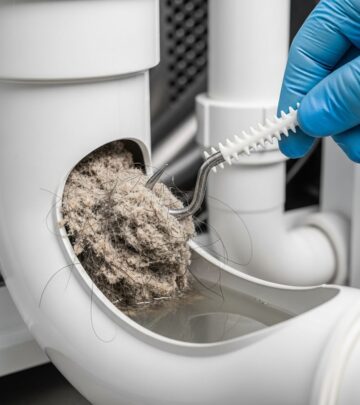
Carry the hose to a utility sink, bathtub, or outdoors. Run warm water through it from a garden hose or faucet attachment. Tilt to encourage flow, dislodging loose lint and sediment. Repeat until water runs clear.
Manual Probing with a Snake Tool
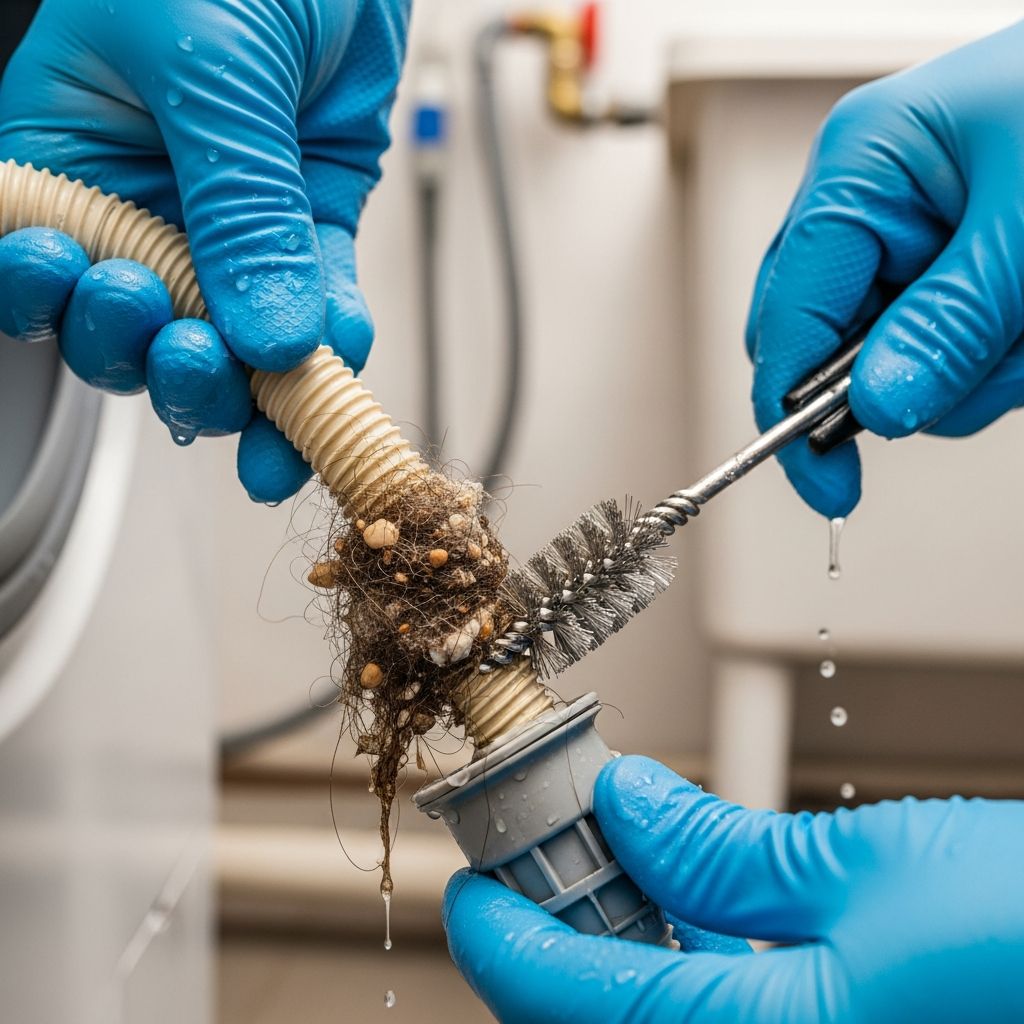
For stubborn obstructions, insert a drain snake from the machine end (often curved). Advance slowly, twisting to break up debris like fabric scraps or coins. Push until it emerges from the other side, then reverse to pull out material. This technique excels for mid-hose jams.
Pro Tip: If encountering a check valve (one-way flap), start snaking from that end to navigate past it without damage.
Brushing and Chemical Assistance
Use a long pipe brush to scrub the interior walls, targeting slime from detergent residue. Soak sections in a vinegar-water solution (1:1 ratio) for 30 minutes to dissolve mineral deposits, especially in hard water areas. Rinse thoroughly afterward.
Inspect for tears or cracks during cleaning; replace if damaged, as leaks can worsen issues.
Addressing Related Components: Pump and Filter
Clogs often originate upstream. Access the drain pump filter via a front-bottom panel (common on front-loaders). Twist out the filter cap, drain water, and clean the mesh screen under running water. Brush away compacted lint.
Check the pump impeller for obstructions by shining a flashlight into the housing. Spin it manually; it should rotate freely without grinding noises.
Reassembly and Functionality Testing
Reverse the disconnection steps carefully. Secure clamps tightly to prevent leaks. Ensure the hose forms a proper high-loop configuration to avoid siphoning.
- Reconnect to machine and drain first.
- Plug in and turn on water supplies.
- Run a short diagnostic cycle (rinse/spin with no laundry).
- Monitor for leaks, proper draining, and absence of codes.
If issues persist, repeat cleaning or consult a technician for pump motor faults.
Preventive Maintenance Routines
Regular upkeep averts future clogs. Implement these habits:
- Monthly filter rinses during empty hot cycles.
- Quarterly full hose inspections and flushing.
- Use high-efficiency detergents to minimize residue.
- In hard water regions, add descalers or soda crystals monthly.
- Run tub clean cycles with manufacturer-recommended products.
Avoid overloading washes, which forces debris into drains. Clean the door gasket and detergent drawer simultaneously for holistic care.
Troubleshooting Persistent Problems
| Symptom | Possible Cause | Solution |
|---|---|---|
| No draining at all | Pump failure or full blockage | Snake hose; test pump spin |
| Intermittent leaks | Loose clamps or cracked hose | Tighten fittings; replace hose |
| Recurring odors | Bacterial slime | Vinegar soak; hot maintenance cycle |
| Error codes (e.g., E21) | Drain system overload | Full cleanout; reset machine |
For front-load vs. top-load differences: Front-loaders have accessible filters; top-loaders may require pump access via base panels.
Frequently Asked Questions (FAQs)
How often should I clean the drain hose?
Perform a thorough clean every 3-6 months, with monthly filter checks to maintain peak performance.
Can I use chemical drain cleaners?
Avoid harsh chemicals; they may damage plastic hoses or pumps. Opt for natural vinegar solutions instead.
What if snaking doesn’t work?
Inspect for impeller damage or replace the hose entirely. Professional service may be needed for internal pump issues.
Is this DIY fix safe for all models?
Yes, with power disconnected, but consult your manual for model-specific access points.
Why does my new machine clog quickly?
Excess detergent or pet hair contributes; adjust usage and use mesh lint catchers.
Long-Term Benefits of Routine Cleaning
Maintaining the drain hose not only resolves immediate problems but also enhances energy efficiency by reducing cycle times. It minimizes wear on the motor and pump, potentially saving hundreds in repair costs. Healthier laundry results from fresher water flow, reducing allergen buildup.
Integrate this into your home maintenance calendar alongside HVAC filter changes for comprehensive appliance care.
References
- A Step-by-Step Guide to Washing Machine Drain Cleaning — phClean. 2023-05-15. https://www.phclean.net/blog/how-often-clean-drain-washing-machine/
- How to Clean a Clogged Drain Hose in Your Washer — FIX Tech Guides (YouTube). 2022-10-13. https://www.youtube.com/watch?v=O1zfH5wM7kY
- How to Clean Your Washing Machine Drain Hose — YouTube Tutorial. 2023-08-20. https://www.youtube.com/watch?v=F6NMGu_jvdg
Similar Articles


Read full bio of Sneha Tete