Clearing Blocked Washing Machine Drains: Step-By-Step DIY Guide
Master DIY techniques to restore your washing machine's drainage and avoid costly plumber visits with proven, safe methods.
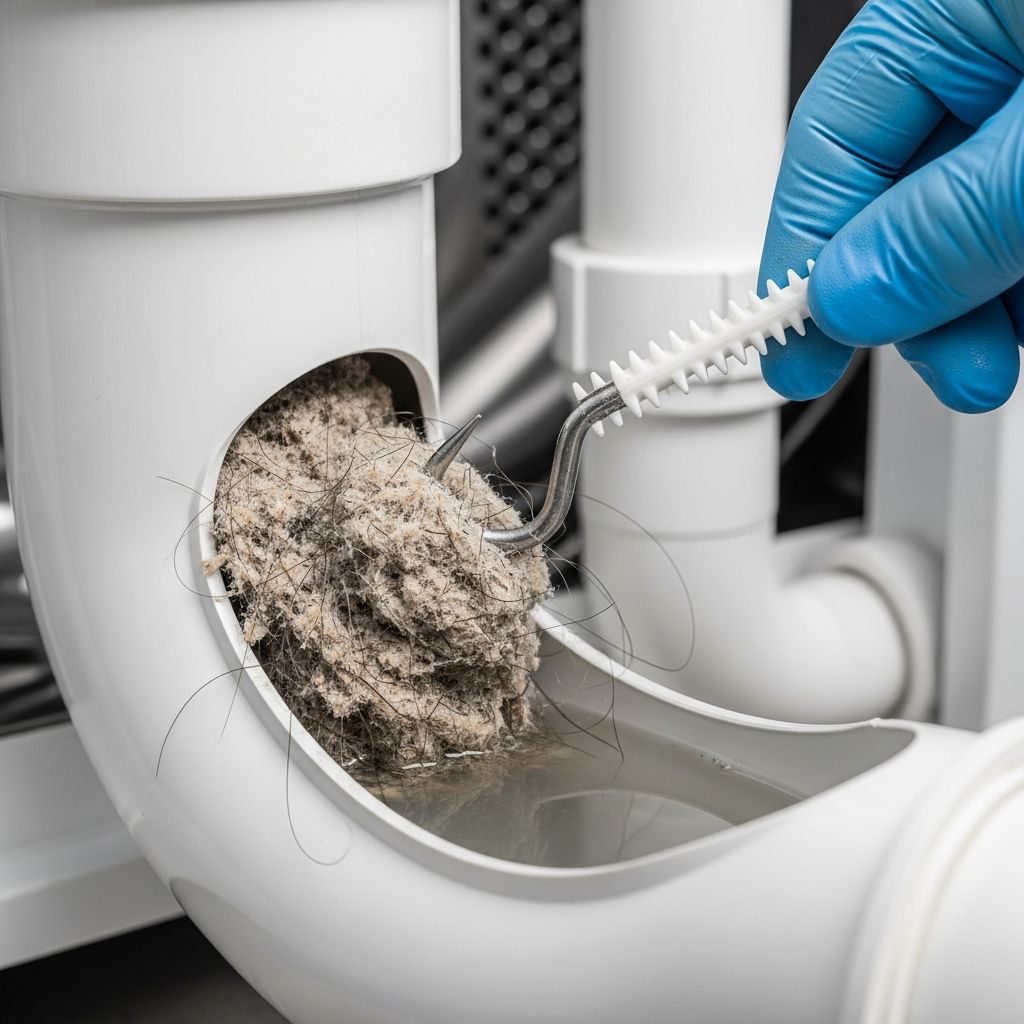
Clearing Blocked Washing Machine Drains
Your washing machine suddenly stops draining, leaving puddles of soapy water in the drum or backing up into your laundry room. This common frustration stems from lint, detergent residue, hair, or small items clogging the drain hose, pump filter, or standpipe. Addressing it promptly prevents water damage, mold growth, and machine failure. This guide equips you with diagnostic tools, safe unclogging methods, preventive strategies, and when to call professionals, empowering you to tackle the issue confidently at home.
Spotting the Signs of a Clogged Drain
Early detection keeps problems minor. Watch for these indicators during your next load:
- Water remains in the drum after the cycle ends, refusing to pump out fully.
- Gurgling sounds or slow draining from the standpipe in your utility sink or floor drain.
- Foul odors emanating from the drain area, signaling trapped organic debris.
- Error codes on the machine display, such as ‘E01’ or ‘drain fault’ on models from major brands.
- Leaking water around the base or hose connections due to pressure buildup.
These symptoms often point to buildup in the drain hose, pump filter, or external plumbing. Differentiate machine-internal issues from house drain problems by disconnecting the hose and running water directly into the standpipe—if it backs up, the clog is external.
Essential Tools and Safety Preparations
Before diving in, assemble these items to work efficiently and safely:
- Bucket and towels for catching water.
- Gloves, safety goggles, and old clothes to protect against grime.
- Pliers or channel locks for hose clamps.
- Baking soda, white vinegar, and hot water kettle.
- Drain auger (plumber’s snake), available for $20-30 at hardware stores.
- Flashlight and wire hanger for quick probes.
Unplug the machine and turn off water supplies. Place towels under work areas. For front-loaders, tilt slightly if needed for access. Work in a ventilated space to avoid inhaling fumes from cleaners.
Natural Remedies to Dissolve Minor Blockages
Household staples offer eco-friendly first steps for soap scum and light lint clogs without harsh chemicals.
Baking Soda and Vinegar Reaction
This duo creates fizzing carbon dioxide bubbles that loosen debris. Pour 1 cup baking soda into the drain opening or detached hose end, followed by 1 cup white vinegar. The reaction bubbles vigorously for 10-15 minutes—cover with a stopper to contain it. Flush with 1-2 gallons of hot (not boiling) water to rinse residue. Test by running a rinse cycle.
Hot Water Flushes for Buildup Prevention
Soap residue melts under sustained heat. Detach the drain hose, position a bucket below, and slowly pour 1 gallon of hot tap water directly into the standpipe. Let it sit 10 minutes, then reconnect and run an empty hot cycle with 2 cups vinegar monthly. This dissolves grease without plumbing strain.
Pro Tip: Repeat twice for stubborn slime; avoid boiling water on plastic pipes to prevent warping.
Mechanical Methods for Tough Obstructions
When chemicals fail, physical removal targets hairballs, socks, or compacted lint.
Accessing and Cleaning the Drain Pump Filter
Most machines have a filter trapping debris. For front-loaders:
- Locate the small door at the bottom front, often behind a kick panel.
- Open and place a shallow pan underneath.
- Unscrew or pull the filter cap counterclockwise; expect water spill—twist slowly.
- Remove lint clumps, rinse under tap, and reinstall firmly.
Top-loaders may require tilting or panel removal. Clean monthly to avoid 90% of pump clogs.
Mastering the Drain Snake Technique
A 25-foot auger navigates P-traps and standpipes effectively.
| Step | Action | Key Tip |
|---|---|---|
| 1. Prep | Insert snake tip into drain opening. | Wear gloves; lock cable before cranking. |
| 2. Advance | Rotate clockwise while pushing gently. | Feel for resistance—don’t force bends. |
| 3. Break Clog | Lock and crank vigorously at blockage. | Twist to hook debris. |
| 4. Retract | Pull back slowly, reeling in gunk. | Flush pipe with hose afterward. |
| 5. Test | Run washer on small load. | Check for backups. |
Hand-crank models suffice; drill attachments speed larger jobs. This method clears 80% of deep clogs without disassembly.
Inspecting Hoses and Standpipe Connections
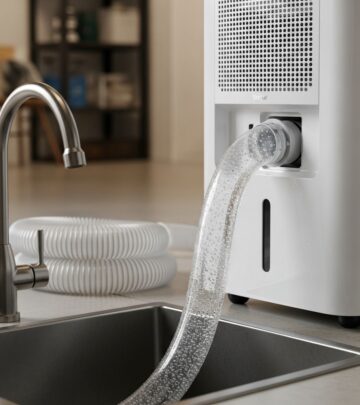
Kinks or sags in the drain hose trap water. Straighten and elevate the hose end 30-40 inches above floor level, securing with straps—no lower than machine base to prevent siphoning. Check standpipe for debris: use a flashlight and gloved hand or hanger to fish out items. Ensure the pipe extends 18-30 inches vertically per manufacturer specs to avoid backflow.
Advanced Fixes and Professional Help
For recurring issues:
- Hydro-Jetting: High-pressure water blasts roots or grease (pro service).
- Enzyme Cleaners: Bio-based products eat organic matter overnight.
- Camera Inspection: Rents for $50/day to pinpoint hidden clogs.
Call a plumber if: clogs persist after two attempts, water backs up in other drains (sewer line issue), or you hear grinding from the pump (impeller damage). Expect $150-300 for service.
Preventive Maintenance Schedule
Consistency averts 95% of emergencies. Follow this plan:
- Weekly: Shake lint from filter screen in agitator or door boot.
- Monthly: Clean pump filter and run vinegar cycle.
- Quarterly: Inspect hoses for cracks; hot-flush standpipe.
- Annually: Full disassembly clean; check pump bearings.
Use high-efficiency, low-sudding detergent and avoid overloading—max 3/4 full. Wipe door seals to curb mold.
Frequently Asked Questions (FAQs)
Can I use bleach to unclog my washing machine drain?
Bleach corrodes components; stick to vinegar or enzymes for safety.
Why does my new machine clog so fast?
Old house plumbing or excess detergent—reduce suds and clean pipes first.
Is it safe to snake aggressively?
Yes, with steady pressure; excessive force risks pipe cracks.
How much vinegar for maintenance?
2 cups in an empty hot cycle monthly prevents buildup effectively.
What if the clog is in the wall pipe?
Use a longer auger or call pros for sewer scope.
Conclusion
Armed with these techniques, you’ll reclaim laundry efficiency without hassle. Start simple, escalate methodically, and maintain diligently for years of trouble-free operation. Safe DIY saves time and money—your washer will thank you with reliable performance.
References
- How to Unclog Washing Machine Drainage Pipe — Nova Construction Pro. 2023. https://novaconstructionpro.com/how-to-unclog-washing-machine-drainage-pipe/
- How to Unclog the Washing Machine Standpipe or Drain Pump — Hoffmann Bros. 2024-06-05. https://www.hoffmannbros.com/washing-machine-guide/how-to-unclog-the-washing-machine-standpipe-or-drain-pump
- How to Clean a Clogged Drain | Snaking a Drain — Dad Hacks (YouTube). 2021-09-15. https://www.youtube.com/watch?v=GsJ3iQtvSM8
Similar Articles







Read full bio of medha deb