Clearing Shower Drain Weep Holes: 7-Step Repair Guide
Master the art of unclogging shower weep holes to prevent water buildup, mold, and costly repairs in your bathroom.
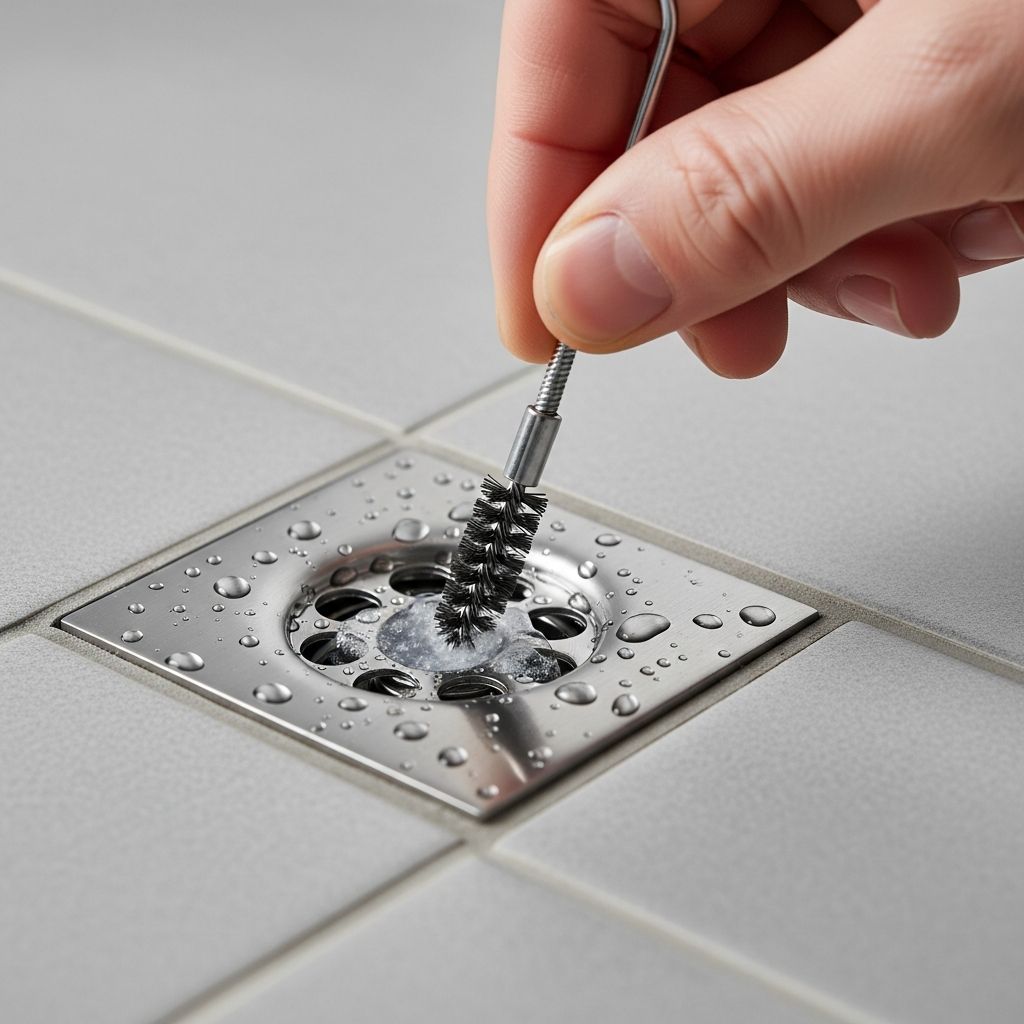
Clearing Shower Drain Weep Holes
Shower drain weep holes are critical components in maintaining proper water flow in tiled showers. These small openings, typically located around the drain’s clamping collar, allow excess moisture to bypass the main drain pipe and escape directly into the plumbing system. When clogged with mortar, debris, or buildup, they can cause standing water, grout discoloration, and mold proliferation. This comprehensive guide provides homeowners with practical strategies to diagnose issues, perform safe cleanings, and implement preventive measures, drawing from established plumbing practices.
Understanding the Role of Weep Holes in Shower Systems
Weep holes serve as secondary drainage pathways in shower pans, particularly in mortar bed or pre-sloped installations. Positioned beneath the drain riser and clamping collar, they ensure that water trapped in the mortar bed or under the tile layer reaches the drain without ponding on the surface. In standard three-piece clamping drains, multiple weep holes—often three or more—facilitate this process by channeling water downward.
Without functional weep holes, water saturates the substrate, leading to structural weakening over time. This is especially relevant in hot-mopped or dry-pack mortar showers, where the pan liner relies on these outlets for integrity. Properly functioning holes prevent hydrostatic pressure buildup, which could otherwise lift tiles or compromise the waterproof membrane.
Common Indicators of Blocked Weep Holes
Recognizing early signs of weep hole obstruction can save significant repair costs. Homeowners should inspect their showers regularly for these symptoms:
- Persistent Standing Water: Water remains on the shower floor longer than 30 seconds after use, despite a properly sloped surface.
- Darkened Grout Lines: Areas around the drain develop stubborn discoloration that resists cleaning, indicating chronic moisture exposure.
- Mold and Mildew Growth: Black spots or fuzzy growth near the drain or in corners signals inadequate drying.
- Soft or Spongy Floor: Tiles feel unstable underfoot due to saturated mortar beneath.
- Water Seepage Outside Shower: Dampness on adjacent walls or floors suggests overflow from the pan.
These issues often stem from construction debris like mortar droppings or pebbles blocking the holes during installation. In older showers, mineral deposits from hard water exacerbate clogs.
Tools and Materials for Effective Cleaning
Gathering the right supplies ensures a thorough and safe cleaning process. Essential items include:
| Category | Items | Purpose |
|---|---|---|
| Protective Gear | Gloves, safety glasses, dust mask | Prevent exposure to dust, chemicals, and sharp edges |
| Cleaning Agents | Vinegar solution (1:1 water), baking soda, enzyme drain cleaner | Dissolve organic buildup and minerals without harsh acids |
| Tools | Screwdriver, chisel, hammer, shop vac, thin wire or drill bit | Access, remove, and extract debris |
| Repair Materials | Pea gravel, silicone sealant, dry-pack mortar (4:1 sand-cement) | Protect and rebuild after cleaning |
Opt for non-corrosive cleaners to avoid damaging the pan liner or metal components.
Step-by-Step Guide to Unclogging Weep Holes
Addressing clogs requires careful disassembly to avoid puncturing the shower liner. Allocate 3-5 hours for the process, depending on shower age and clog severity.
- Prepare the Area: Turn off water supply and tape over the main drain opening to prevent debris entry. Score grout around perimeter tiles with a utility knife.
- Remove Surrounding Tiles: Gently chisel tiles adjacent to the drain, working outward no more than 6 inches. Vacuum debris immediately.
- Excavate Mortar Bed: Use a hammer and cold chisel to remove dry-pack mortar around the drain riser, exposing the clamping collar. Stay within 2 inches of the drain to protect the liner.
- Detach Drain Components: Unscrew and lift the clamping collar and riser. Inspect the liner for secure attachment to the flange; apply silicone if gaps exist, ensuring it stays outside bolt holes.
- Clear Weep Holes: Shine a light into the assembly and probe holes with a bent wire or small drill bit. For stubborn blockages, use a shop vac with a narrow tube sealed around the hole. Flush with vinegar solution and observe flow.
- Test Drainage: Pour water around the reassembled collar and verify streams emerge from all weep holes.
- Reassemble and Protect: Hand-tighten bolts on the collar. Add pea gravel over holes (1/4-inch layer max) to deter future mortar intrusion. Repack mortar bed, install new tiles, and grout after 24 hours.
Post-repair, run water for 10 minutes and monitor for proper shedding.
Safe Methods for Minor Clogs Without Disassembly
Not all blockages require full teardown. For surface-level issues:
- Spray diluted vinegar (1:1 with water) into visible holes and let sit for 30 minutes before rinsing.
- Insert a flexible wire or pipe cleaner to dislodge pebbles or hair.
- Fill the shower with 1-2 inches of water (plug drain below weeps if possible) and observe if it drains through holes, confirming patency.
These techniques suit newer installations where mortar hasn’t fully set.
Preventive Strategies for Long-Term Drain Health
Proactive maintenance extends shower lifespan:
- Monthly Inspections: Check for water retention after showers.
- Weep Hole Covers: Install plastic protectors or pea gravel during construction or repairs.
- Slope Verification: Ensure 1/4-inch per foot pitch toward drain.
- Grout Sealing: Apply annual sealant to reduce water absorption.
- Debris Management: Use drain screens and clean quarterly.
In high-use bathrooms, consider enzyme treatments to break down organic matter.
Troubleshooting Persistent Drainage Problems
If weep holes remain ineffective post-cleaning:
| Issue | Possible Cause | Solution |
|---|---|---|
| No water flow | Punctured liner or misaligned collar | Professional liner replacement |
| Slow drainage | Inadequate preslope | Rebuild mortar bed |
| Mold recurrence | Sealant failure | Recaulk with 100% silicone |
Older showers (20+ years) may need full pan replacement if saturation is severe.
FAQs on Shower Weep Hole Maintenance
Q: How often should I clean weep holes?
A: Inspect quarterly; deep clean annually or at first sign of issues.
Q: Can I use chemical drain cleaners?
A: Avoid harsh chemicals; they corrode components. Stick to vinegar or enzymes.
Q: What if I puncture the liner?
A: Stop work immediately; consult a plumber for assessment and repair.
Q: Are weep holes needed in all showers?
A: Essential for mortar-based pans; linear drains may differ.
Q: How do I protect holes during tile work?
A: Cover with tape or gravel before packing mortar.
Advanced Modifications for Optimal Flow
For DIY enthusiasts, enhance weep holes by drilling additional outlets or enlarging existing ones on the clamping collar (use carbide bits). Test thoroughly to avoid weakening the assembly. Always prioritize liner integrity over modifications.
References
- How to Repair Your Shower Drain Weep Holes — DIYTileGuy. 2023. https://www.diytileguy.com/repair-shower-drain-weep-holes/
- Clearing Blocked Weep Holes in Shower — Fine Homebuilding. 2022-05-15. https://www.finehomebuilding.com/forum/clearing-blocked-weep-holes-in-shower
- How to Unclog and Clean your Shower Drain — YouTube (Plumbing Channel). 2024-03-10. https://www.youtube.com/watch?v=-uzjkz0383A
- Any tricks to clearing weep holes or drying out a saturated shower pan — PlumbingForums. 2023-08-22. https://www.plumbingforums.com/threads/any-tricks-to-clearing-weep-holes-or-drying-out-a-saturated-shower-pan.25427/
Similar Articles


Read full bio of Sneha Tete