Beyond the Bathroom: Clever Everyday Uses for Toothpaste
Turn a humble tube of toothpaste into a secret weapon for cleaning, quick fixes and freshening your home.
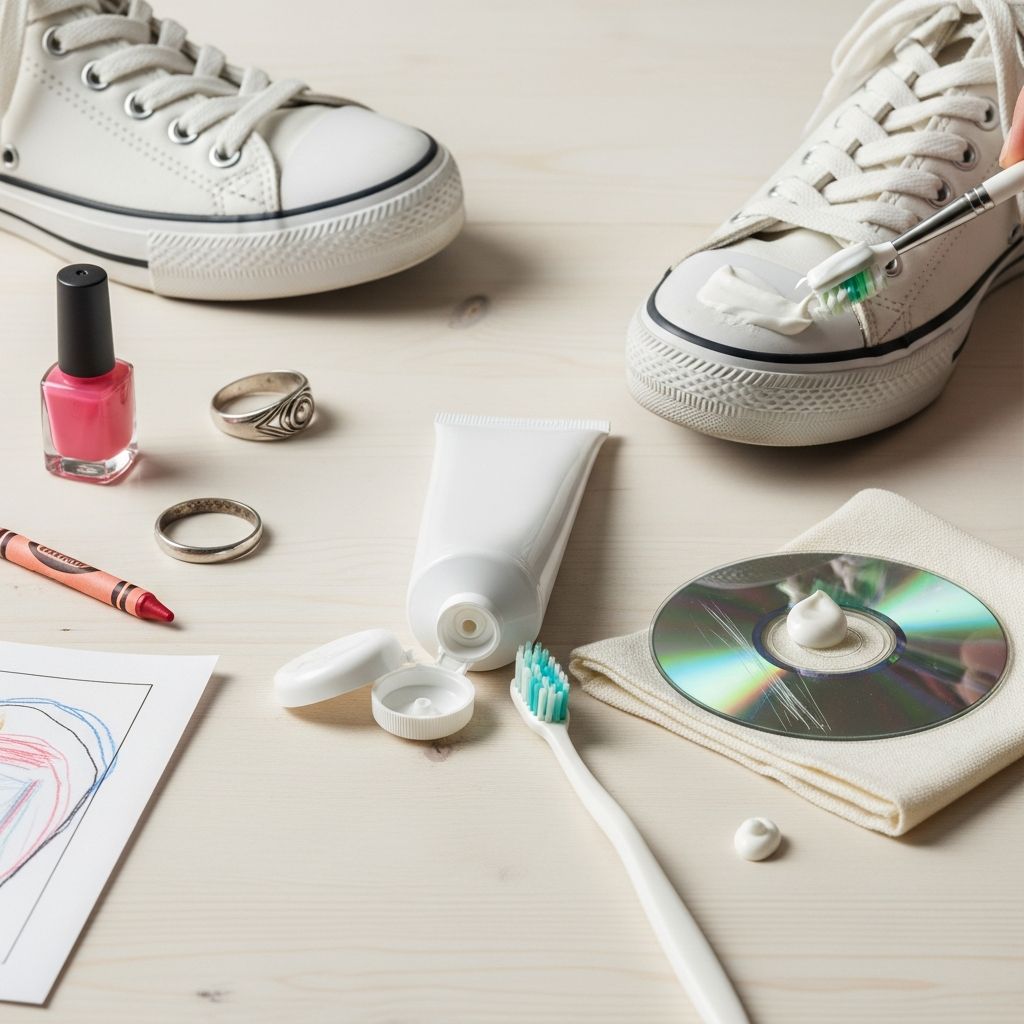
Toothpaste Tricks: Unexpected Ways to Use a Familiar Favorite Around Your Home
Toothpaste is usually thought of as something you squeeze on a brush twice a day and forget about. Yet the same mild abrasives, detergents and deodorizing agents that leave teeth feeling fresh can also tackle surprising cleaning tasks and quick fixes around the house. With a single inexpensive tube, you can polish, lift stains, freshen stale spaces and handle minor repairs without specialty products.
This guide explores creative, practical uses for ordinary white toothpaste in different areas of your home. It focuses on simple methods, clear precautions and realistic results so you can experiment confidently and safely.
Why Toothpaste Works Beyond Teeth
Most standard, non-gel toothpastes contain gentle polishing agents such as hydrated silica or calcium carbonate. These microscopic particles help scrub stains from enamel, but they can also buff away grime from smooth household surfaces without being as harsh as many commercial cleaners.
Toothpaste formulas also often include mild detergents to loosen dirt, humectants that help it spread smoothly, and flavoring agents that leave a clean scent. All of these features combine to create a versatile paste that can clean, brighten and deodorize in more places than just your bathroom sink.
General Guidelines Before You Start
Before using toothpaste as a cleaning or repair tool, it helps to understand a few ground rules. Treat it like a mild cleaner, not a miracle product, and always test first.
- Choose plain white toothpaste. Avoid gel formulas, charcoal types, bright colors and heavy whitening or tartar-control versions, as extra additives or stronger abrasives may cause discoloration or scratches.
- Spot test discreetly. Apply a tiny amount to an inconspicuous area, rub gently, rinse and let it dry. If the finish looks unchanged, it is usually safe to proceed.
- Use a soft cloth or soft-bristled brush. Microfiber cloths or old soft toothbrushes work well, especially on small crevices or textured details.
- Rinse thoroughly. Toothpaste residue can dry chalky or streaky. Wipe or rinse with clean water and buff dry to restore shine.
- Avoid delicate finishes. High-gloss lacquer, untreated wood, unsealed stone and certain plastics can scratch or cloud easily. When in doubt, choose a cleaner made specifically for that material.
Shine and Sparkle: Polishing Surfaces
The gentle abrasiveness of toothpaste makes it surprisingly effective for polishing certain metals and smooth surfaces. Think of it as a light-duty polish for items that have surface-level dullness rather than deep corrosion or damage.
Refreshing Bathroom and Kitchen Fixtures
Chrome and stainless-steel faucets gradually lose their shine as water spots, soap film and mineral deposits build up. Toothpaste can cut through that thin layer of grime and restore a brighter finish.
- Apply a pea-sized amount of toothpaste to a damp soft cloth.
- Gently rub the faucet in small circles, paying attention to the base and around handles where buildup collects.
- Rinse with clean water and buff dry with a dry cloth to prevent new spots.
Use the same approach on stainless-steel sink drains, small chrome accessories or metal soap-dish rails. For brushed finishes, always follow the grain to reduce the chance of visible swirl marks.
Polishing Jewelry and Small Metal Items
Some costume jewelry and lightly tarnished metal pieces can look noticeably better after a careful polish with toothpaste. This works best on hard, non-porous surfaces such as simple stainless-steel bands or inexpensive fashion accessories, not on soft, valuable metals.
- Place a small dab of white toothpaste on a soft-bristled toothbrush.
- Gently scrub the item, paying attention to crevices where lotion and dust collect.
- Rinse thoroughly in lukewarm water and pat dry with a lint-free cloth.
Important: Avoid using toothpaste on pearls, opals, delicate gemstones, plated finishes or heirloom jewelry. For valuable pieces, professional cleaning is safer than experimenting with home remedies.
Stain Buster: Lifting Marks from Everyday Items
Toothpaste’s mild abrasion and detergent action allow it to tackle some stains that resist ordinary soap alone. While it will not replace a dedicated stain remover in every situation, it can help with light marks and fresh spills when you need a quick fix.
Removing Mug Rings and Countertop Spots
Stubborn tea or coffee rings on ceramic mugs and light-colored counters often cling even after multiple washes. A tiny amount of toothpaste can loosen these stains without harsh chemicals.
- Wet the stained area slightly.
- Rub a dab of toothpaste directly on the mark with your fingers or a damp sponge.
- Scrub gently until the stain fades, then rinse thoroughly.
This method works well on ceramic, some solid-surface counters and certain laminates. Avoid unsealed stone or surfaces where abrasives are discouraged by the manufacturer.
Helping with Shoe Scuffs and Rubber Soles
Scuff marks on sneakers and rubber soles often respond well to a little toothpaste. It can brighten dingy white rubber trim and remove dark streaks from everyday wear.
- Apply toothpaste to an old soft toothbrush.
- Scrub the rubber or synthetic material in small circles.
- Wipe away the foam with a damp cloth and repeat if necessary.
On leather or faux-leather uppers, test carefully in an out-of-sight area and use a very light touch. Excessive scrubbing may change the finish, especially on softer materials.
Deodorizer: Freshening Spaces and Objects
Toothpaste is formulated to neutralize odors in the mouth, and that same refreshing quality can help reduce unpleasant smells on hands, in small containers and around drains. While it does not replace deep cleaning, it offers a quick, temporary boost of freshness.
Neutralizing Strong Food Odors on Hands
After chopping garlic, onions or fish, the smell can linger on your skin even after washing with regular soap. Toothpaste’s fragrance and detergent action can help cut through these odors.
- Wet your hands and apply a pea-sized amount of toothpaste like soap.
- Rub thoroughly, especially around fingernails and fingertips.
- Rinse well and follow with regular soap and moisturizer to prevent dryness.
Freshening Small Containers and Drains
Reusable food containers, small trash cans and sink drains can develop lingering smells even when they look clean. Toothpaste can add a pleasant scent while removing thin films of residue.
- For containers, smear a thin layer of toothpaste inside, scrub with a soft sponge, then rinse thoroughly.
- For drains, squeeze a modest line of toothpaste near the opening, run warm water and allow it to wash through the pipe, helping coat the immediate area with a fresh smell.
These approaches are best viewed as supplemental freshening steps rather than primary cleaning methods. Regular sanitation and appropriate cleaners remain essential for hygiene.
Quick Fixes: Small Household Repairs and Touch-Ups
Toothpaste cannot replace hardware-store supplies, but it can act as a makeshift solution for very minor, cosmetic issues. These tricks work best when you need a short-term improvement rather than a long-lasting repair.
Filling Tiny Nail Holes in Walls
Small nail holes from picture hooks or lightweight shelves can stand out on light-colored walls. In a pinch, white toothpaste can camouflage them until you are ready for proper patching and painting.
- Clean any loose dust from the hole.
- Press a small amount of white toothpaste into the opening with your fingertip or a cotton swab.
- Smooth the surface so it is level with the wall, then wipe away excess around the area.
Once dry, the spot will usually blend better with the wall. For a more durable fix, follow up later with spackle or wall filler and matching paint.
Reducing Fog on Mirrors and Glass
Condensation on bathroom mirrors after hot showers can be annoying, especially when you are in a rush. A thin layer of toothpaste buffed onto the glass can help create a temporary moisture barrier.
- Apply a very small amount of toothpaste to the mirror and spread it thinly with a soft cloth.
- Buff until the glass looks clear, without visible streaks.
- After your next shower, the mirror may fog less or clear more quickly.
The effect is not permanent and will fade with regular cleaning, but it can be handy in high-humidity bathrooms or on small glass panels that fog frequently.
Gentle Cleaning for Gadgets and Accessories
Certain electronics accessories and everyday gadgets collect oils and fingerprints, making them look older than they are. With careful application, toothpaste can help renew their appearance, but caution is crucial to avoid moisture damage.
Keyboards, Phone Cases and Plastic Surfaces
Plastic phone cases, remote controls and keyboard keys can become grimy in high-touch areas. A sparing amount of toothpaste, properly applied, may help cut through this buildup.
- Unplug electronic devices or remove batteries before cleaning.
- Squeeze a tiny amount of toothpaste onto a barely damp cloth or cotton swab, not directly on the device.
- Wipe targeted spots gently, avoiding seams, ports and openings, then follow with a slightly damp cloth to remove residue.
Never saturate gadgets or allow paste or water to seep into internal components. If you are unsure, stick to electronics-specific cleaning wipes instead.
Simple Toothpaste Use Ideas at a Glance
The table below summarizes selected applications, tools and quick notes to help you decide where toothpaste might be helpful.
| Use | Best Surface or Item | Application Tool | Key Precaution |
|---|---|---|---|
| Polishing fixtures | Chrome or stainless-steel faucets | Soft cloth | Rinse well to avoid streaks |
| Brightening mugs | Ceramic cups and sinks | Sponge or cloth | Avoid unsealed stone surfaces |
| Refreshing shoe soles | Rubber and synthetic trims | Old soft toothbrush | Test on colored materials first |
| Temporary wall touch-up | Small nail holes in light walls | Finger or cotton swab | Not a substitute for real spackle |
| Odor control on hands | Post-cooking garlic or onion smell | Hands, as with soap | Moisturize after to prevent dryness |
| Fog reduction | Bathroom mirrors or small glass | Soft microfiber cloth | Buff thoroughly to avoid haze |
Safety, Limitations and When to Avoid Toothpaste
Toothpaste is designed for enamel, not for every material in your home. While it can provide handy results, ignoring its limitations can lead to scratches, dull finishes or skin irritation.
- Skip delicate and coated surfaces. High-gloss furniture, specialty coatings, touchscreen displays, eyeglass lenses with anti-reflective coatings and soft metals can be damaged by even mild abrasives.
- Use sparingly on skin. Some people use toothpaste as a spot treatment for blemishes or bug bites, but it can be drying or irritating. If your skin is sensitive, choose products formulated specifically for skin care.
- Keep away from pets and children. While a small accidental taste during brushing is expected, large amounts should not be swallowed. Store tubes out of reach when using them for non-dental tasks.
- Do not replace essential cleaners. Kitchens, bathrooms and food-contact surfaces still need proper sanitizing with appropriate methods. Consider toothpaste a supplement, not a primary disinfectant.
FAQs About Using Toothpaste Around the House
Can any toothpaste be used for cleaning?
For household tasks, plain white, non-gel toothpaste without intense whitening additives is the best choice. Strongly colored, gel, charcoal or specialty formulas may stain or scratch more easily, and they add cost without extra cleaning benefit. Sticking to a basic variety keeps your experiments safer and more predictable.
Will toothpaste damage surfaces?
Toothpaste is mildly abrasive, so it is always possible to scratch delicate finishes if you scrub too hard or use it on the wrong material. To minimize risk, test a tiny spot first, rub gently with a soft cloth, and avoid surfaces that manufacturers label as “no abrasives.” If the test spot looks hazy or dull, rinse it off and try a different cleaning approach.
Is toothpaste a disinfectant?
Toothpaste helps loosen and remove debris, reduce odor and improve appearance, but it should not be treated as a primary disinfectant for high-germ areas. While some ingredients may have mild antimicrobial properties, they are not regulated or labeled for surface disinfection. For serious cleaning—especially in kitchens and bathrooms—use cleaners designed to kill germs according to their instructions.
Can toothpaste fix deep scratches or stains?
Toothpaste works best on surface-level stains, light scuffs and minor cosmetic issues. Deep scratches, embedded grime and serious discoloration usually require more specialized products or professional help. Think of toothpaste as a handy first step: if a gentle attempt does not improve the problem, switch to a method suited for heavier-duty restoration.
Is it still safe to use toothpaste from my bathroom drawer for brushing after using it for cleaning?
From a hygiene perspective, it is better to keep one tube dedicated to personal dental use and a separate inexpensive tube for cleaning experiments. This limits cross-contamination with household surfaces, sponges and cloths. Clearly labeling the cleaning tube or storing it with other cleaning supplies helps avoid mix-ups.
Turning a Simple Tube into a Versatile Tool
A standard tube of toothpaste can do far more than maintain oral higiene. Used thoughtfully, it can polish small fixtures, freshen tricky spots, conceal minor wall blemishes and tackle light stains—all without adding multiple specialty products to your cleaning caddy.
The key is moderation: choose simple formulas, test discreetly, and use toothpaste only where its gentle abrasive and deodorizing qualities offer an advantage. With those principles in mind, that everyday tube on your sink can become a surprisingly versatile helper throughout your home.
Similar Articles





Read full bio of medha deb