Coloring Limestone Tiles: Complete Guide
Master the art of enhancing limestone tiles with stains, natural methods, and protective finishes for timeless beauty in your home.
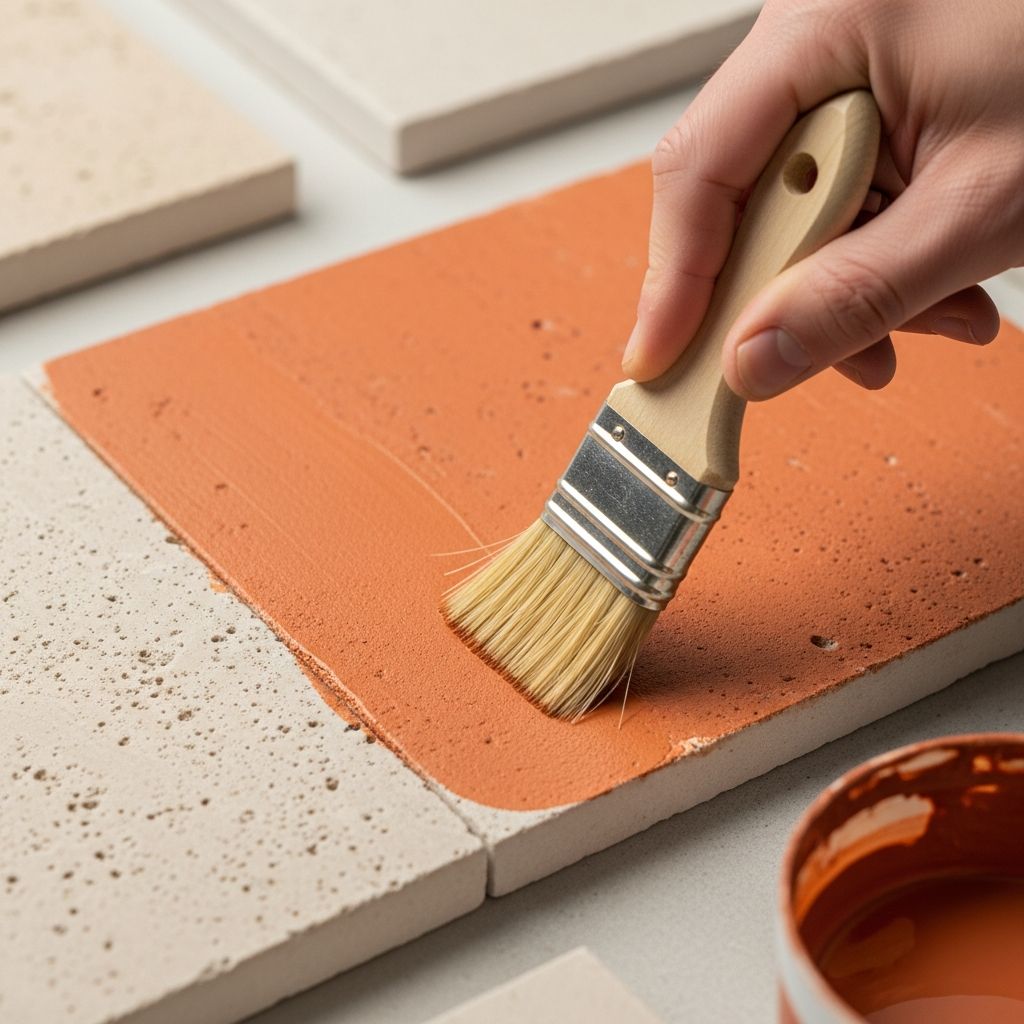
Limestone tiles offer a classic, elegant look for floors, walls, and countertops, but their natural light tone can sometimes benefit from subtle coloring to match existing decor or hide wear. Properly staining these porous stones requires careful preparation, the right materials, and techniques to avoid damage like etching or discoloration.
Understanding Limestone’s Unique Properties
Limestone, a sedimentary rock primarily composed of calcium carbonate, is highly porous and reactive to acids, making it susceptible to stains and etching from common household substances. This porosity allows stains to penetrate deeply, which can be advantageous for permanent coloring but risky without protection.
Unlike denser stones like granite, limestone demands pH-neutral cleaners and sealers to maintain integrity. Natural aging often darkens its surface through oxidation and environmental exposure, inspiring DIY staining methods that mimic this process.
Essential Tools and Materials for Staining
Gather these items before starting to ensure smooth application:
- pH-neutral stone cleaner
- Quality stone sealer (penetrating type preferred)
- Water-based or natural stone stains/dyes
- Soft brushes, sponges, and microfiber cloths
- Protective gear: gloves, masks, eye protection
- Buckets, mixing trays, and strainers
- Low-speed floor buffer with diamond pads (for large areas)
For natural methods, collect items like manure, moss, oak racemes, or chewing tobacco as alternatives to commercial products.
Step-by-Step Surface Preparation
Success hinges on a clean, dry base. Begin by sweeping away debris, then mop with a pH-neutral solution to remove dirt and oils. Avoid acidic cleaners like vinegar, which etch the surface.
For existing stains, create a poultice: mix flour with hydrogen peroxide into a paste, apply to spots, let dry for 30-60 minutes, then brush off and rinse. Repeat as needed for oil or chemical marks.
If tiles appear dull or etched, use diamond burnishing pads on a floor machine: start with coarse red, progress to finer white and yellow pads with minimal water, extracting residue each time. Dry thoroughly—moisture traps stains unevenly.
Choosing the Right Staining Method
| Method | Best For | Pros | Cons |
|---|---|---|---|
| Commercial Water-Based Stains | Uniform color on new tiles | Predictable results, easy dilution | May fade without sealer |
| Natural Teas (Manure, Oak, Moss) | Organic, aged look | Environmentally friendly, subtle | Unpredictable, time-intensive |
| Concrete Dye Spray | Matching existing stone | Precise color matching | Feels less ‘natural’ to purists |
| Tobacco-Ammonia Brew | Deep brown tones | Intense color | Strong odor, dilution needed |
Select based on desired effect: commercial for consistency, natural for authenticity.
Detailed Application Techniques
Commercial Staining Process
Dilute water-based stain heavily (e.g., buff-colored concrete dye) for subtle penetration. Test on a hidden area first. Spray or brush evenly in thin coats, allowing 1-2 hours drying between layers. Wipe excess to prevent pooling.
Natural Staining Recipes
Manure or Moss Tea: Brew strained manure liquid or blended moss slurry; paint on and let nature activate growth over summer.
Oak Raceme Tea: Soak spring racemes in water for days, strain dark brew, and apply liberally.
Tobacco Solution: Age chewing tobacco with ammonia and water; strain and dilute for lighter shades.
Advanced Burnishing for Even Finish
Post-staining, hone with fine pads to blend colors, then apply stone oil to restore oils stripped by cleaning. Follow with penetrating sealer like Color Grow for color enhancement and protection.
Sealing for Longevity and Vibrancy
Sealing is non-negotiable post-staining. Penetrating sealers fill pores without altering sheen, repelling water and stains. Apply after 1-hour dry time, buff with shine powder for luster.
Reapply every 1-2 years, testing absorbency with water droplets—beading indicates protection.
Troubleshooting Common Issues
- Uneven Color: Over-dilute and reapply thin coats; buff to blend.
- Bleach Damage: Strip, burnish, oil, and reseal—never use bleach on limestone.
- Dull Patches: Avoid acidic spills; hone and polish promptly.
- Grout Haze: Soft brush with neutral cleaner; re-hone if persistent.
Steer clear of high-pressure washing, steam mops, or oil-based products, which erode or slick surfaces.
Maintenance Routines for Stained Tiles
Daily: Sweep and spot-clean spills immediately with neutral soapy water.
Weekly: Damp mop with pH-neutral cleanser; dry to prevent water spots.
Monthly: Inspect for wear; poultice stains early.
Annually: Reseal and lightly buff for renewed shine.
FAQs
Can I stain limestone tiles myself?
Yes, with proper prep and testing. Natural methods suit beginners; commercial stains need precision.
Is limestone suitable for high-traffic areas after staining?
Absolutely, if sealed well. Its durability shines with maintenance.
What if my stain doesn’t take evenly?
Clean thoroughly, ensure dryness, and apply in multiple light coats.
Does staining make limestone less porous?
No—sealing does that. Staining colors the pores.
How long does stained limestone last?
Decades with proper care; natural aging enhances it over time.
Safety and Environmental Considerations
Wear protection during application to avoid fumes or skin contact. Dispose of natural brews responsibly. Opt for low-VOC stains for indoor use. Patience yields the best results—rushing leads to patchy outcomes.
Experiment on scraps first. Fresh limestone oxidizes naturally, so staining accelerates desirable mellowing.
References
- Staining limestone – Fine Homebuilding — Fine Homebuilding. 2023. https://www.finehomebuilding.com/forum/staining-limestone
- Restoring the Appearance of Bleach Damaged Limestone Tiles — Limestone Tile Cleaning. 2022-10-15. https://limestone.tilecleaning.co.uk/restoring-the-appearance-of-bleach-damaged-limestone-tiles-in-a-staffordshire-kitchen/
- Easy Tricks To Maintain Limestone Pavers and Tiles — Stone Depot. 2024-01-20. https://www.stonedepot.com.au/blog/easy-tricks-to-maintain-limestone-pavers-and-tiles/
- Tips For Keeping Your Limestone Clean — Marmol. 2023-05-10. https://www.marmol.com/keeping-it-clean/tips-keeping-limestone-clean/
- How to apply water based stain on stone — GlobMarble (YouTube). 2018-08-02. https://www.youtube.com/watch?v=uL2QzfQhovw
- Why Is My Limestone Floor Dull? — Tile Doctor (YouTube). 2023-11-15. https://www.youtube.com/watch?v=x7VkdaDYF6M
Similar Articles







Read full bio of Sneha Tete