Compact Living: Transform Your Small Space Design
Master the art of functional elegance in tight quarters with expert design strategies.
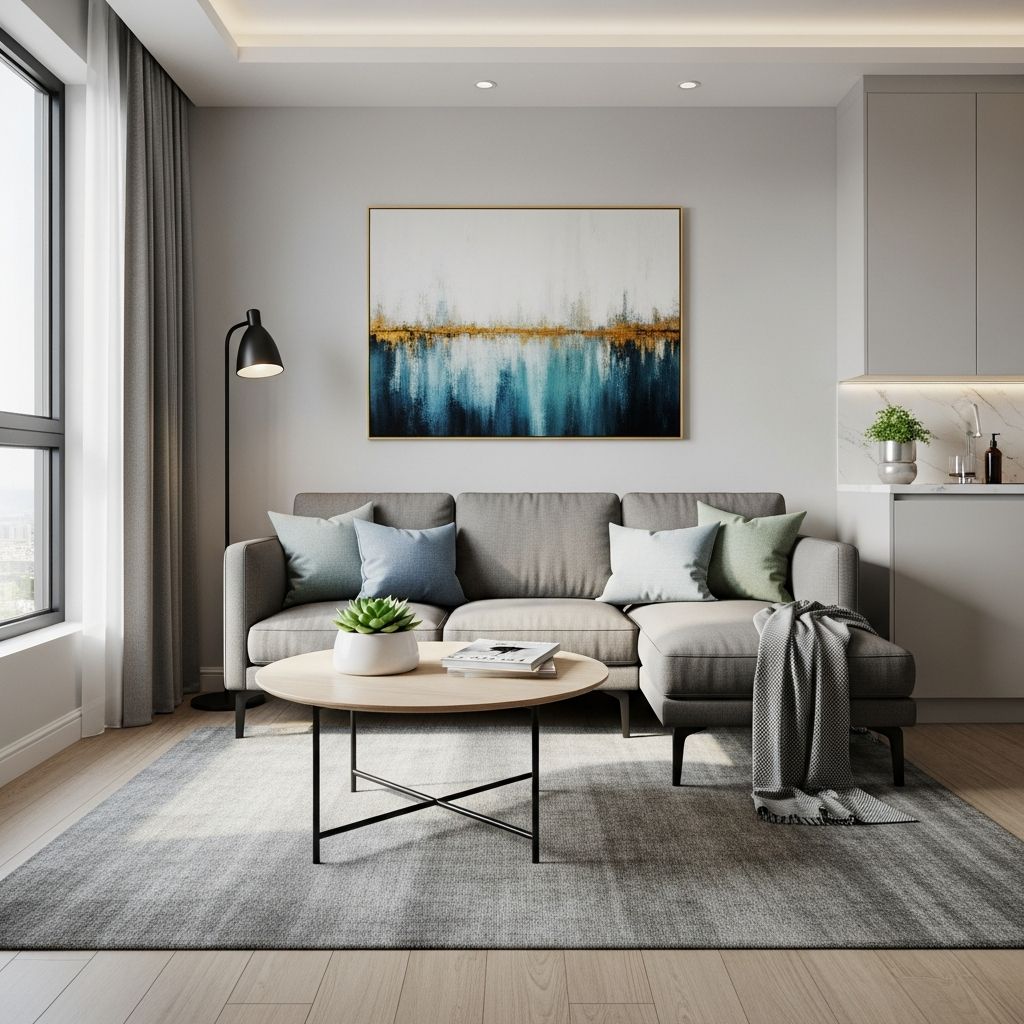
Living in a small space presents unique challenges that require thoughtful planning and strategic decision-making. Whether you’re in a studio apartment, a cozy bedroom, or a modest living room, the right design choices can dramatically impact how spacious and comfortable your environment feels. Many people unknowingly make decisions that actually shrink their space visually and functionally, leading to cramped, cluttered environments that feel far smaller than their actual dimensions. Understanding these common pitfalls and their solutions is the first step toward creating a home that feels both larger and more inviting.
Understanding the Psychology of Spatial Perception
Before diving into specific design mistakes, it’s important to recognize that how a space feels is often more important than its actual square footage. Our perception of space is influenced by color, light, furniture arrangement, and visual clutter. A 200-square-foot room can feel expansive and airy or cramped and oppressive depending entirely on design choices. This psychological dimension means that fixing spatial design problems isn’t just about moving things around—it’s about understanding how your choices influence the viewer’s subconscious experience of the room.
The Natural Light Challenge: Maximizing Your Best Asset
One of the most valuable resources in a small space is natural light, yet it’s frequently blocked or obscured by poor design decisions. Windows are portals to the outdoors and visual escape routes that make spaces feel larger than they are. When natural light pours into a room, it creates shadows, highlights, and visual depth that artificial lighting struggles to replicate. Unfortunately, many people cover their windows with heavy drapes, position large furniture directly in front of windows, or use opaque treatments that eliminate this precious resource.
The solution involves rethinking your window treatments entirely. Sheer curtains allow light to filter through while maintaining privacy during evening hours. Alternatively, consider roller shades or lightweight linen panels that can be easily raised when you want maximum illumination. Beyond window treatments, strategically placing mirrors opposite or adjacent to windows creates a multiplier effect, bouncing natural light around the room and creating the illusion of additional windows. This simple trick can transform a dimly lit corner into a bright, inviting area.
Furniture Scale and Proportion: Getting the Math Right
Perhaps the most common mistake in small space design is choosing furniture without considering scale. Many people assume that small spaces require small furniture, but this logic actually backfires. A tiny chair next to an oversized sofa looks awkward and creates visual confusion. Similarly, furniture that’s too small makes a room feel empty and unfinished, as if you’re sitting in a space designed for someone else.
The key is proportional harmony. Your furniture pieces should relate to each other and to the room dimensions in a balanced way. Before purchasing any major piece, measure your space and create a scaled floor plan. A useful guideline is to leave 14–18 inches between your sofa and coffee table, ensuring movement flow and visual balance. If you’re working with a living room, your largest seating piece should be substantial enough to anchor the space, while secondary pieces provide balance without overwhelming the room.
Consider this practical example: in a 200-square-foot studio, a sectional sofa might consume too much space and make the room feel like a furniture showroom rather than a living area. A streamlined, mid-sized sofa paired with a slim accent chair and a compact side table creates better proportion. This approach requires measuring before you shop, not after you’ve brought something home and realized it doesn’t fit.
Multi-Functional Furniture: Working Smarter, Not Harder
In compact living, every piece of furniture should ideally serve multiple purposes. This principle eliminates the need for redundant items while maintaining functionality and style. Storage ottomans serve as seating, footrests, and hidden storage containers. Dining tables with folding or expandable tops adapt to your needs, shrinking for daily use and expanding for guests. Bed frames with drawers underneath utilize otherwise wasted space, providing storage for seasonal items or everyday necessities.
When evaluating potential furniture purchases, ask yourself what problems each piece solves. Does it provide seating? Does it offer storage? Can it be repositioned for different activities? Pieces that check multiple boxes deserve priority in your space budget. However, avoid the trap of choosing functionality over comfort or style—just because a piece is multi-functional doesn’t mean it should look utilitarian or feel uncomfortable. Modern design has made it possible to find beautiful pieces that also work hard in your space.
Color Palette: Creating Visual Expansion Through Hue
Color psychology plays a surprisingly significant role in spatial perception. Dark, moody colors absorb light and can make rooms feel cave-like and closed in. While these tones are beautifully sophisticated, using them throughout a small space often backfires. Light, neutral base colors—whites, creams, soft grays, and gentle pastels—reflect light and create an airy feeling that makes spaces seem larger than they actually are.
This doesn’t mean your space must look bland or sterile. Instead, use your neutral base as a canvas and introduce color through accessories, textiles, and artwork. A white or cream wall can showcase a vibrant piece of art. Neutral upholstered furniture can be brought to life with colorful throw pillows, blankets, and rugs. This approach gives you the visual expansion of light colors while maintaining personality and design interest.
Consider the psychological effects of different hues: blues and greens feel calming and spacious, while warm tones like soft yellows and peachy tones create coziness without heaviness. Avoid dark accent walls in small spaces, as they visually shrink the room. Instead, if you crave visual interest, incorporate accent colors through items that can be easily changed or repositioned.
Strategic Storage Solutions: Hiding What You Don’t Need to See
Clutter is the enemy of a spacious-feeling room. In small spaces, every visible item competes for visual attention, creating a sense of chaos and overwhelm. Proper storage systems are therefore essential infrastructure rather than optional luxuries. However, storage must be thoughtfully integrated rather than slapped onto walls haphazardly.
Vertical storage solutions are your best friend in compact spaces. Tall, slim cabinets and bookshelves draw the eye upward, creating visual height and using wall space that would otherwise sit empty. Floating shelves appear lighter and less obstructive than floor-standing units while providing accessible storage for frequently used items. Under-bed storage utilizes one of the largest empty spaces in a bedroom, perfect for seasonal clothing, extra linens, or stored items you need occasionally but don’t want on display.
Beyond furniture-based storage, invest in decorative boxes, baskets, and containers that conceal items while adding texture and interest to shelves and surfaces. Cords and cables should be managed neatly using cord covers or strategic routing behind furniture. Remote controls, books, and small items can be hidden in ottoman storage or side tables with drawers. The principle is simple: if you can hide it, hide it.
Vertical Real Estate: Looking Up for Design Opportunities
Small space design often focuses on floor area, ignoring the valuable space between your furniture and ceiling. Vertical design is the key to maximizing your room’s full potential. Floating shelves not only provide storage but also draw attention upward, making ceilings appear higher. Tall bookcases, particularly narrow ones, occupy minimal floor space while providing maximum storage and visual interest.
Wall-mounted lighting eliminates the need for floor or table lamps that consume valuable surface area. Hanging plants add life and greenery without taking up shelf or floor space. Tall mirrors lean or hang on walls, reflecting light and creating depth. Even artwork should be considered part of your vertical strategy—a gallery wall or large art piece draws the eye upward and fills wall space that might otherwise feel bare.
The principle of vertical design extends to furniture selection. A tall, narrow dresser or cabinet takes up less floor space than a wide, short version while providing the same storage capacity. This vertical emphasis creates the illusion of higher ceilings and more generous proportions throughout the room.
Area Rugs: Grounding Your Space and Creating Visual Cohesion
Rugs serve both functional and psychological purposes in small spaces. A properly sized rug grounds furniture groupings, creating visual cohesion and defining the boundaries of functional areas. However, choosing a rug that’s too small creates the opposite effect—it makes spaces feel fragmented and smaller than they are.
Your area rug should be large enough that at least the front legs of your seating pieces rest on it, or ideally, your entire seating arrangement floats on the rug. This creates a “furniture island” effect that actually makes rooms feel larger by anchoring the space and creating visual organization. If a room-sized rug seems too expensive, consider that investment in one large rug is better than several small ones that visually divide your space.
Beyond size, rug selection influences how spacious a room feels. Light-colored rugs with minimal patterns create continuity and openness, while busy, dark rugs can make spaces feel more enclosed. A subtle geometric or low-contrast pattern provides visual interest without overwhelming the space.
Lighting Layers: Creating Depth Through Strategic Illumination
Lighting is one of the most underutilized design tools in small spaces. A single overhead light creates harsh shadows and fails to create the visual depth that makes spaces feel larger and more inviting. Layered lighting—combining ambient, task, and accent lighting—adds dimensionality and allows you to adjust the atmosphere based on your needs.
Ambient lighting provides overall illumination and can come from ceiling fixtures, but it works best when supplemented. Task lighting—reading lamps, desk lamps, or under-cabinet lighting—serves specific functional purposes while adding visual interest. Accent lighting through wall sconces, LED strips, or uplighting highlights architectural features or artwork, creating focal points that draw the eye around the room.
In small spaces, layered lighting creates the illusion of size by highlighting different areas and creating visual depth. A wall sconce beside a mirror reflects light back into the room. A floor lamp in a corner illuminates that space as a distinct zone. LED strips under shelves create subtle ambient light while showcasing displayed items. This approach requires more effort than simply flipping an overhead switch, but the atmospheric and spatial benefits are substantial.
Furniture Arrangement: Creating Flow and Definition
The instinct to push all furniture against walls stems from a desire to make rooms feel larger, but this strategy often backfires. A furniture arrangement that floats in the center of a space, anchored by a rug, actually creates better flow and more interesting proportions. This approach requires adequate clearance—maintain at least 30–36 inches of space for main traffic pathways and at least 24 inches between secondary pieces like armchairs.
In open-concept small spaces, furniture arrangement can define different zones for various activities. An area rug and furniture grouping create a living area distinct from a sleeping or working zone. This psychological separation makes the space feel more organized and purposeful, even when zones are only a few feet apart. A room divider, tall bookcase, or even just directional furniture arrangement signals boundaries without walls.
Minimizing Visual Clutter: Curating Over Collecting
In compact spaces, visual restraint is a design principle, not deprivation. Every item on display competes for attention and contributes to feelings of clutter and chaos. This requires being selective about what you display and disciplined about removing items that no longer serve a purpose or bring joy.
Choose a few standout decorative pieces rather than crowding shelves and surfaces with numerous items. A single striking piece of artwork has more impact than a gallery of mediocre pieces. A few carefully selected books and objects on shelves create visual interest without feeling chaotic. This curatorial approach applies to wall hangings, textiles, and decorative objects—quality over quantity transforms a space from cluttered to curated.
This principle extends to practical items as well. Reduce the number of decorative pillows to 2–3 instead of 5–6. Limit throw blankets to what actually gets used. Store seasonal items, extra dishes, and rarely-used items in closed storage rather than on open shelves. This discipline makes spaces feel larger, more organized, and more peaceful.
Furniture Selection Guide
| Furniture Type | Small Space Consideration | Recommended Feature |
|---|---|---|
| Sofa | Oversized sofas overwhelm compact spaces | Slim-profile or apartment-scale dimensions |
| Coffee Table | Too-large tables block movement | Nesting tables or glass tops for visual lightness |
| Storage | Exposed clutter makes spaces feel smaller | Hidden compartments or closed cabinetry |
| Lighting | Single overhead light creates shadows | Wall sconces and layered light sources |
| Shelving | Wide shelves consume valuable floor space | Tall, narrow units that emphasize height |
Frequently Asked Questions
How do I make a small bedroom feel larger without expanding it?
Use light colors on walls and bedding, incorporate mirrors to reflect light, keep under-bed and closet storage organized, use vertical shelving for décor, and choose a bed frame that doesn’t extend to the floor (allowing visual space beneath). Layer lighting with wall sconces and bedside lamps rather than relying on overhead lighting.
Should I use patterned or solid-colored furniture in small spaces?
Solid colors create visual continuity and make spaces feel larger, while busy patterns can make rooms feel busy and claustrophobic. If you want pattern, incorporate it through smaller, replaceable items like throw pillows and artwork rather than major furniture pieces.
What’s the best way to arrange furniture in a small open-concept space?
Use area rugs and furniture orientation to define distinct zones. Float furniture in the center of the room rather than pushing everything to walls. Position seating to face each other and create conversation areas. Use low-profile furniture to maintain visual sight lines across the space.
Can I use dark colors in a small space successfully?
While dark colors can work, use them sparingly—perhaps as an accent wall, in artwork, or through textiles rather than throughout. Balance dark elements with plenty of light surfaces and ensure adequate lighting to prevent the space from feeling cave-like.
What’s more important: storage or open space in a small home?
Both are equally important. Adequate storage keeps clutter hidden, making spaces feel larger, while visual open space is necessary for the room to feel breathable. The solution is hidden storage and strategic furniture placement that maximizes both.
Creating Your Small Space Design Plan
Transforming a small space requires a comprehensive approach that addresses multiple design elements simultaneously. Start by measuring your space and creating a scaled floor plan—this single step prevents costly furniture mistakes. Next, establish your color palette, choosing light bases with color accents. Then address lighting by planning layered light sources rather than relying on a single overhead fixture.
Consider your storage needs and identify hidden solutions—under-bed drawers, wall shelves, tall cabinets—before purchasing other furniture. Select multi-functional pieces that serve multiple purposes. Plan your furniture arrangement to create flow and definition, floating key pieces and leaving clear pathways. Finally, be ruthless about what you display; every visible item should contribute to your space rather than detract from it.
Small spaces don’t have to feel cramped or frustrating. With thoughtful design decisions and strategic choices, they can feel spacious, organized, and even more inviting than larger spaces that lack design cohesion. The limitations of compact living actually force the kind of intentional design choices that result in beautiful, functional homes.
References
- 10 Interior Design Mistakes to Avoid in Small Spaces — Cadence Academy. June 21, 2025. https://cadence-wn.com/CadenceAcademy/interior_design_mistakes_small_spaces
- Designers Say This Is the #1 Living Room Mistake Everyone Makes — Camille Styles. https://camillestyles.com/design/living-room-layouts/
- Don’t Make These 6 Mistakes in Your Small Space — Bed Threads. https://bedthreads.com/blogs/journal/small-space-design-mistakes
- The Biggest Small Space Mistakes and How to Fix Them — Apartment Therapy. https://www.apartmenttherapy.com/small-space-design-mistake-fixes-36868773
Similar Articles





Read full bio of medha deb