Mastering Areca Palm Care: Complete Guide
Unlock the secrets to thriving Areca palms indoors with expert tips on light, water, soil, and more for lush growth.
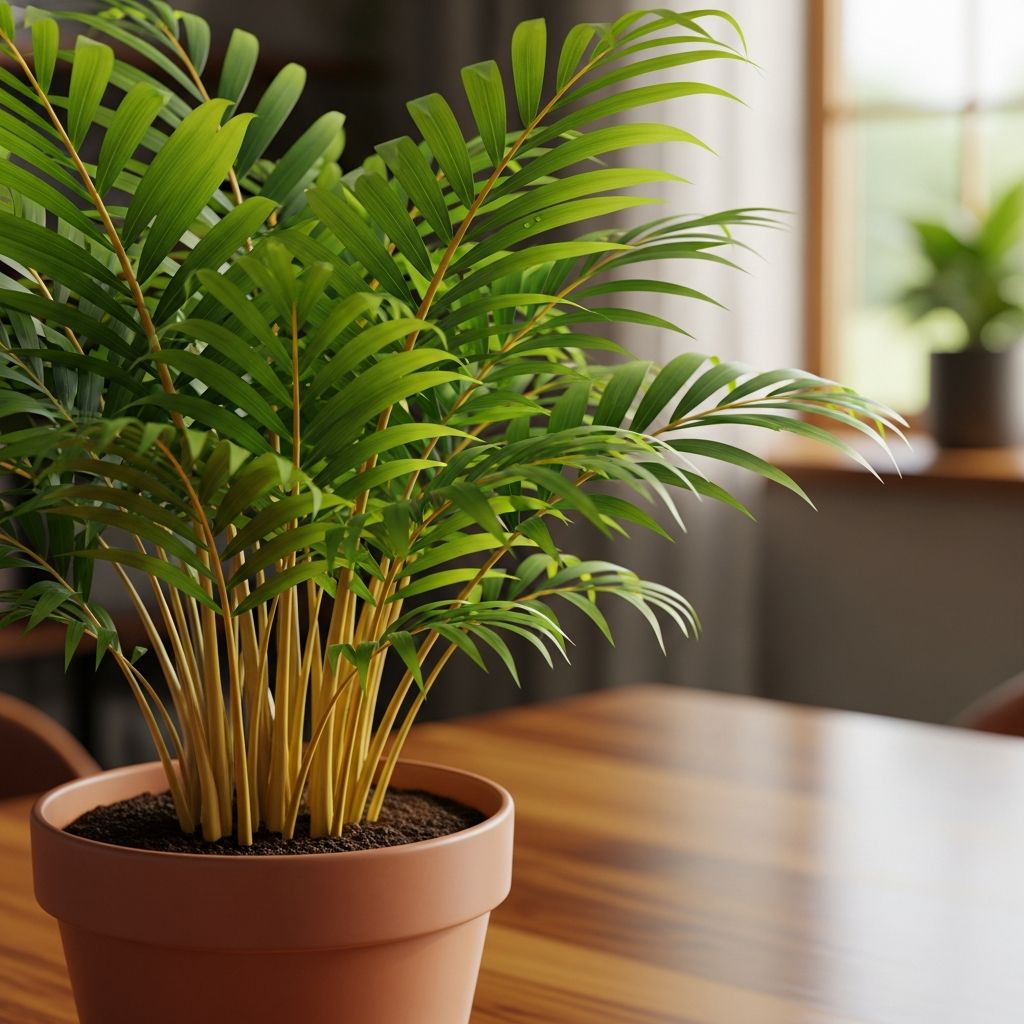
Areca palms, known for their feathery fronds and air-purifying qualities, bring a touch of the tropics to indoor spaces. Thriving in bright, indirect light and moderate humidity, these plants reward proper care with vigorous growth and elegant appearance. This guide provides detailed instructions to help your Areca palm flourish year-round.
Ideal Growing Conditions for Lush Fronds
Creating the right environment is foundational for Areca palm success. These plants originate from humid, shaded understories, so replicating those conditions indoors promotes healthy development.
Optimal Light Exposure
Position your Areca palm in
bright, indirect sunlight
to mimic its natural habitat. East- or west-facing windows work best, filtering harsh rays that can scorch leaves. In lower light areas, supplement with grow lights to prevent leggy growth.- Avoid direct sun, which causes yellowing or browning.
- Medium indirect light supports 6-8 hours daily.
- Rotate the plant weekly for even growth.
Temperature and Humidity Essentials
Maintain daytime temperatures between
65°F and 75°F (18°C-24°C)
, with nights not dropping below 55°F. High humidity (40-60%) prevents tip burn; use pebble trays, humidifiers, or misting.| Condition | Ideal Range | Tips |
|---|---|---|
| Temperature | 65-75°F (18-24°C) | Avoid drafts and AC vents. |
| Humidity | 40-60% | Mist leaves 2-3 times weekly. |
Watering Techniques for Healthy Roots
Water when the top 1-2 inches of soil feel dry, typically every 1-2 weeks in summer and less in winter. Overwatering leads to root rot, while underwatering causes drooping fronds.
- Check soil with finger test before watering.
- Use room-temperature water; let excess drain fully.
- Reduce frequency in cooler months.
In summer, deep soak until water exits drainage holes. For consistency, group with other plants to boost ambient humidity.
Selecting the Perfect Soil and Pot
Areca palms demand
well-draining soil
to prevent waterlogging. Opt for a palm-specific mix or amend potting soil with perlite, sand, or orchid bark for aeration.Choose pots with drainage holes, slightly larger than the root ball. Clay pots enhance evaporation, suiting this moisture-loving yet rot-averse species.
Repotting Step-by-Step
Repot every 2-3 years in spring when roots crowd. Areca palms prefer being snug but benefit from fresh soil.
- Water plant a day before to ease removal.
- Gently loosen roots; trim dead ones with sterile tools.
- Select a pot 2 inches wider; add screening over drainage.
- Fill with mix, position plant, tamp soil firmly but not tightly.
- Water thoroughly; place in shade for a week to recover.
Fertilizing for Vibrant Growth
During spring and summer, apply a balanced, diluted liquid fertilizer monthly. Use half-strength to avoid burn; skip in fall/winter.
- Time-release granules in spring suffice for the season.
- Flush soil monthly with plain water to prevent buildup.
Pruning and Maintenance Routines
Remove yellowed or brown fronds at the base with clean shears to redirect energy. Avoid trimming just tips, as it can kill entire fronds.
Monthly, wipe leaves with a damp cloth to remove dust, improving photosynthesis. Thin dense clumps for better light penetration.
Propagation Methods for More Palms
Divide mature clumps during repotting. Separate healthy shoots with roots intact, pot individually in moist mix.
Seed propagation is slow and less reliable indoors; division yields quicker results.
Pest Control and Disease Prevention
Monitor for spider mites, scale, or mealybugs, common in dry conditions. Treat with neem oil or insecticidal soap, quarantining affected plants.
- Yellow leaves: Check for overwatering or low light.
- Brown tips: Increase humidity or adjust water.
- Root rot: Repot in sterile soil; trim rotted roots.
Benefits of Areca Palms in Your Home
Beyond aesthetics, Areca palms excel as
air purifiers
, removing toxins like formaldehyde. Pet-safe and low-maintenance, they suit beginners.Troubleshooting Common Areca Palm Problems
| Symptom | Cause | Solution |
|---|---|---|
| Drooping fronds | Underwatering | Water deeply; check soil moisture. |
| Brown tips | Low humidity or dry soil | Mist regularly; use humidifier. |
| Yellow leaves | Overwatering or poor drainage | Repot; let soil dry between waters. |
| Pest infestation | Spider mites/scale | Neem oil spray; isolate plant. |
Frequently Asked Questions (FAQs)
Can Areca palms tolerate low light?
They prefer bright indirect light but adapt to medium levels; growth slows in low light.
How often should I fertilize my Areca palm?
Monthly in growing season with diluted fertilizer; none in winter.
Are Areca palms pet-friendly?
Yes, non-toxic to cats and dogs.
Why are the tips of my Areca palm browning?
Typically low humidity or inconsistent watering; boost moisture and check soil.
How do I know when to repot?
When roots emerge from drainage holes or growth stalls, every 2-3 years.
With consistent care, your Areca palm can thrive for a decade, enhancing indoor air and ambiance. Adjust based on your home’s conditions for best results.
References
- How to Care for Areca – Leafy Life — Leafy Life. 2023. https://leafy-life.com/how-to-care-for-areca/
- Areca Palm Care Guide — Lively Root. 2024. https://www.livelyroot.com/pages/areca-palm-care-guide
- The Ultimate Guide to Areca Palms — Happy Houseplants. 2023. https://www.happyhouseplants.co.uk/blogs/houseplant-blog/the-ultimate-guide-to-areca-palms-everything-you-need-to-know
- Areca Palm – South Florida Landscape Plants — South Florida Plant Guide. 2022. https://www.south-florida-plant-guide.com/areca-palm.html
- Areca Palm Plant Care – Soltech — Soltech. 2024. https://soltech.com/products/areca-palm-care
Similar Articles







Read full bio of medha deb