Mastering Chrysanthemum Care: Complete Guide
Unlock the secrets to vibrant, long-lasting chrysanthemums with expert tips on planting, maintenance, and winter protection for stunning garden displays.
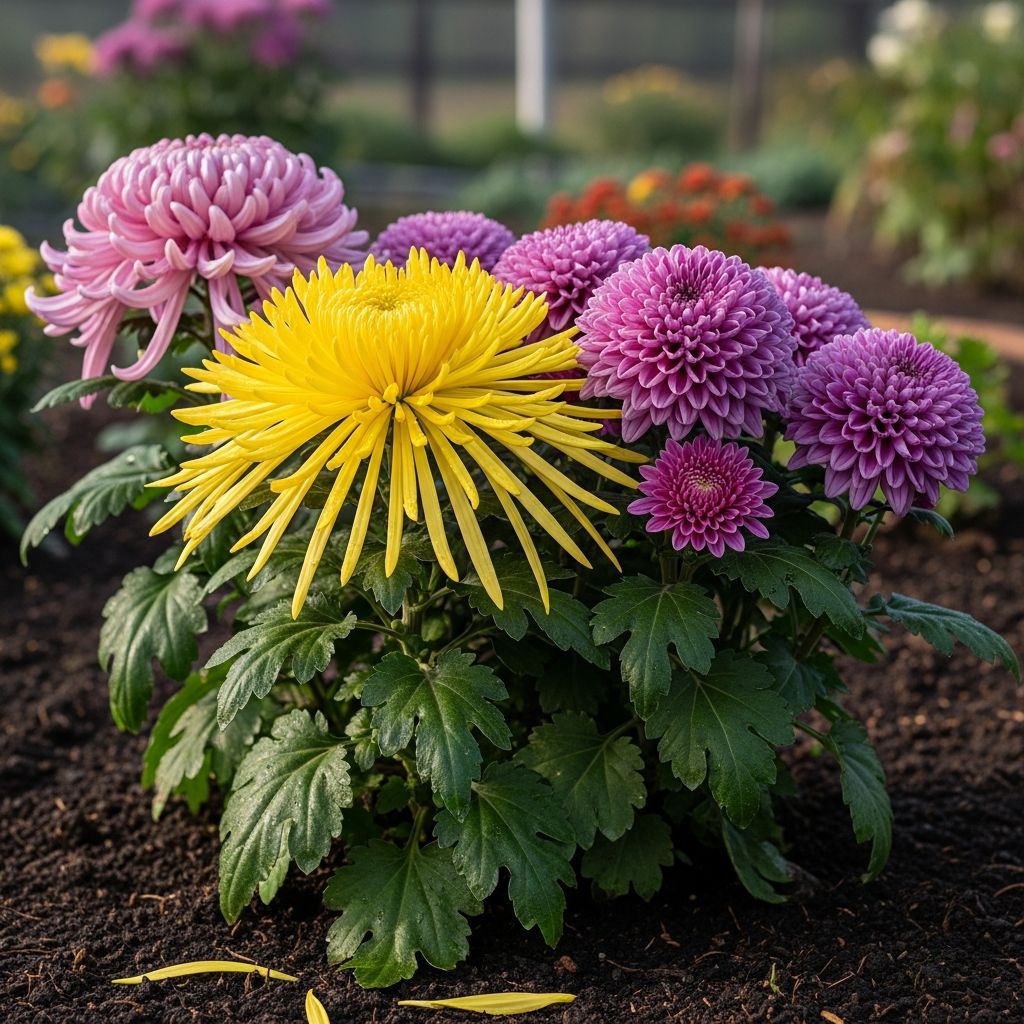
Chrysanthemums, affectionately known as mums, are beloved for their vibrant fall blooms and resilience in gardens worldwide. These perennials offer a spectrum of colors from fiery reds to soft pastels, transforming landscapes into autumn spectacles. Proper care ensures not just survival but thriving displays year after year. This guide draws from horticultural expertise to provide actionable steps for every stage of growth.
Selecting the Best Chrysanthemum Varieties for Your Climate
Choosing the right chrysanthemum variety sets the foundation for success. Garden mums (Chrysanthemum x morifolium) are hardy perennials suited to USDA zones 5-9, while florist mums prefer controlled environments. Opt for disease-resistant hybrids like ‘Country Girl’ for robust growth or ‘Autumn Joy’ for late-season color. Consider bloom time: early (September), mid (October), or late (November) to extend your display.
- Hardy Varieties: ‘Mary Stoker’ (pink daisies), ‘Sheila’ (large pompons) – ideal for overwintering outdoors.
- Exhibition Types: Anemone-centered or spider mums for dramatic flair in vases.
- Compact Choices: Cushion and button types for borders and pots, growing 18-24 inches tall.
Inspect plants at nurseries for healthy roots and no signs of wilting. Healthy mums boast firm stems and lush foliage without yellowing.
Optimal Planting Locations and Soil Preparation
Chrysanthemums flourish in locations receiving full sun, specifically 5-6 hours of morning light daily to promote sturdy stems and abundant buds. Avoid afternoon shade which can lead to leggy growth. Well-draining, fertile loamy or sandy soil with pH 6.0-7.5 is essential; amend heavy clay with compost or perlite to prevent root rot.
| Soil Type | Amendments Needed | Drainage Benefit |
|---|---|---|
| Loamy | Minimal; add compost | Excellent natural drainage |
| Clay | Perlite, sand (20-30% mix) | Prevents waterlogging |
| Sandy | Organic matter for retention | Quick drying, root aeration |
Plant in spring after frost danger or early fall for root establishment. Dig holes twice the root ball width, spacing plants 18-30 inches apart for air circulation. Incorporate 2-4 inches of organic mulch post-planting to regulate moisture and suppress weeds.
Watering Strategies for Healthy Root Development
Consistent moisture without sogginess is key. Newly planted mums require 1 inch of water weekly, applied at soil level to keep foliage dry and deter diseases. Mature plants need deep watering 2-3 times weekly during dry spells, ensuring soil soaks 5-6 inches deep. Potted mums demand more frequent checks—every other day—with thorough drenching until excess drains.
- Check soil 2 inches deep; water if dry.
- Avoid overhead sprinkling to prevent mildew.
- In hot weather, mulch conserves up to 50% moisture.
For wilting plants, submerge pots in water briefly for root rehydration, but ensure quick recovery to avoid stress.
Nutrition and Fertilization Schedules
Mums respond well to balanced fertilizers like 10-10-10 during active growth from spring to mid-summer. Apply lightly every 4-6 weeks, ceasing once buds form to avoid excessive foliage at bloom expense. Incorporate slow-release granules at planting for steady nutrients.
Incorporate micronutrients like iron if leaves yellow. Over-fertilizing leads to weak stems; under-feeding reduces blooms. Test soil annually for pH and nutrient balance.
Pruning and Pinching Techniques for Bushy Blooms
Pinching promotes branching and fuller plants. When shoots reach 6 inches, remove 3/4 inch tips; repeat at 12 inches. Stop 100 days before bloom time (typically late July) to allow bud set. Deadhead spent flowers promptly to encourage reblooming.
- Identify new growth in spring.
- Pinch terminal buds with fingers or shears.
- Repeat 1-2 times for optimal shape.
Stake tall varieties in windy areas using bamboo supports tied loosely.
Combating Common Pests and Diseases
Aphids, spider mites, and powdery mildew plague mums. Promote air flow by proper spacing. Use insecticidal soap for pests; neem oil for mildew. Prevent by keeping foliage dry and removing debris.
| Issue | Symptoms | Treatment |
|---|---|---|
| Aphids | Sticky residue, curled leaves | Water spray, soap solution |
| powdery Mildew | White powder on leaves | Improve circulation, fungicide |
| Leaf Spot | Brown spots | Remove affected parts, dry foliage |
Rotate planting sites every 3 years to break disease cycles.
Winter Protection and Overwintering Methods
In zones 5-7, cut back foliage post-frost to ground level, then mound 4-6 inches of mulch (evergreen boughs or straw) over crowns. In colder areas, dig and store in pots in cool (32-40°F), dry basements. Avoid ice buildup and frost heaving by shading roots.
- Mulch Heavily: Insulates against freeze-thaw cycles.
- Indoor Storage: For non-hardy types; check monthly.
- Spring Awakening: Gradually expose to outdoors post-frost.
In mild climates, leave in ground but delay cutting until new growth emerges.
Container Growing: Tips for Pots and Patios
Potted mums excel on patios with daily sun. Select pots 2 inches larger than root balls with drainage holes. Use potting mix amended for drainage. Water more frequently; fertilize bi-weekly. Repot annually in spring to refresh roots.
Group pots for humidity microclimates, but ensure spacing. Overwinter by moving to sheltered spots or garages.
Propagation: Multiply Your Mums Effortlessly
Divide clumps every 3-5 years in early spring when shoots are 1-3 inches. Dig, separate with knife, discard woody centers, and replant divisions immediately. Root cuttings in summer: 4-inch stems in moist vermiculite under mist.
- Best time: Spring division.
- Success rate: 90% with healthy stock.
- Yield: 4-8 new plants per clump.
Seed propagation is rare due to hybrid complexity; stick to vegetative methods.
Indoor Care and Cut Flower Arrangements
Extend blooms indoors with 40-50% humidity and bright indirect light. Water sparingly; avoid drafts. For vases, cut stems at 45° angle, use warm (100°F) water initially, and floral preservative. Strip lower leaves to prevent bacteria.
Warning: Toxic to pets; keep away from cats and dogs.
Frequently Asked Questions (FAQs)
Why are my chrysanthemums not blooming?
Insufficient sun, late pinching, or excess nitrogen fertilizer. Ensure 6+ hours light and stop feeding post-bud set.
Can chrysanthemums survive winter outdoors?
Yes, in zones 5+, with mulch protection. Colder areas require storage.
How often should I water potted mums?
Every 1-2 days, keeping soil moist but not soggy; check drainage.
Are chrysanthemums deer-resistant?
Moderately; strong scent deters but young plants may need netting.
What’s the best fertilizer for mums?
Balanced 10-10-10 in growing season; switch to bloom booster (0-10-10) pre-flower.
References
- Chrysanthemum Care — Penn State Extension. 2023. https://extension.psu.edu/chrysanthemum-care/
- Chrysanthemum Care Guide: Tips and Advice — FTD. 2024. https://www.ftd.com/blog/chrysanthemum-care
- Chrysanthemum Gardening Guide: Care, Propagation, and Expert Tips — YouTube (Gardening Channel). 2023-10-15. https://www.youtube.com/watch?v=hUkInY9ntSg
- General Growing Instructions — KingsMums LLC. 2024. https://kingsmums.com/general-growing-instructions/
- Chrysanthemums — Purdue Extension. 2022-06-01. https://www.extension.purdue.edu/extmedia/HO/HO-77.pdf
- Chrysanthemums for the Home Garden — Missouri Botanical Garden. 2023. https://www.missouribotanicalgarden.org/Portals/0/Gardening/Gardening%20Help/Factsheets/Chrysanthemums11.pdf
Similar Articles








Read full bio of medha deb