From Chaos to Car Space: A Complete Guide to Decluttering and Organizing Your Garage
Turn your overstuffed garage into a safe, organized, and truly useful space in a single well-planned weekend.
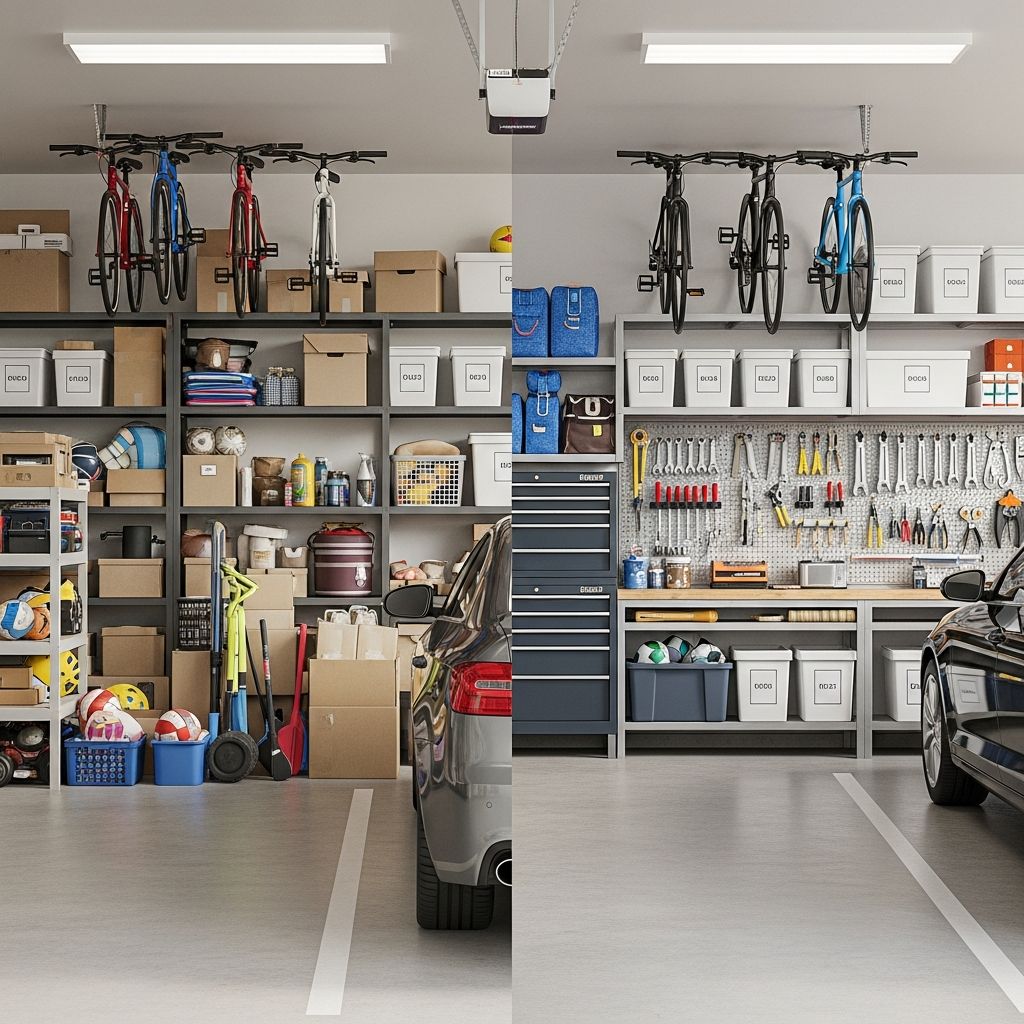
The garage is often the biggest storage area in a home, yet it is typically the least organized. Instead of housing cars and tools, it slowly becomes a dumping ground for half-finished projects, mystery boxes, and gear no one remembers owning. The good news: with a clear plan and a few smart systems, any garage can be transformed from cluttered chaos into a functional, safe, and easy-to-maintain space.
Why Your Garage Becomes a Clutter Magnet
Understanding why the garage gets messy so quickly helps you design a system that actually works. Most households use the garage as a secondary entry, so items that do not have a clear destination often land there “for now” and never move again. Over time, layers of seasonal gear, home improvement leftovers, and old hobbies bury the things you actually need.
The garage also attracts clutter because it feels out of sight and out of mind. When guests visit, doors close and the problem disappears—until you need to find a ladder, holiday lights, or a missing power tool. The goal of a good decluttering plan is to break this cycle by giving every category a defined home and making it easier to put things away than to pile them in a corner.
Set a Vision and Clear Goals
Before moving a single box, decide how you want the garage to function. The layout and systems for a workshop will look very different from a sports-gear hub or a garden-focused space. Taking a few minutes to define your goals will keep decisions simple when you are tired and tempted to keep things “just in case.”
- Choose your primary purpose: Parking cars, workshop, storage, home gym, hobby area, or a combination.
- Set realistic capacity limits: For example, one shelving unit for sports gear, one for household overflow, and one for tools.
- Decide your non-negotiables: Such as always keeping space for two vehicles or maintaining a clear pathway to exterior doors and utilities.
Write this vision on a piece of paper or a note in your phone and keep it visible while you work. When you are unsure whether to keep or toss an item, ask whether it supports the vision you set.
Plan Your Project Like a Pro
A garage overhaul is much easier when treated like a project instead of a vague weekend chore. Block out a realistic time frame, gather supplies, and recruit help where possible. A well-planned day will prevent the dreaded mid-project collapse where everything sits in the driveway overnight.
Supplies You’ll Need
- Heavy-duty trash bags and recycling containers
- Cardboard boxes or bins labeled Donate, Sell, Relocate, and Trash
- Permanent marker and masking tape or pre-printed labels
- Gloves, dust mask, and safety glasses
- Broom, shop vacuum, mop, and basic cleaning solutions
- Measuring tape and a notepad for sketching your layout
If you plan to add shelves, hooks, or racks, order them ahead of time and keep the instructions handy. Even simple systems like plastic shelving and a few heavy-duty hooks will dramatically improve organization without a full remodel.
Step 1: Empty and Sort Without Mercy
Whenever possible, start by clearing as much out of the garage as you can. Moving items into the driveway or yard allows you to see exactly what you own, clean more effectively, and avoid refilling the space with things you do not actually want. If you cannot empty the entire garage at once, tackle it in zones—one wall, one corner, or one category at a time.
The Four-Category Sorting Method
As you remove items, place them straight into one of four categories. Do not create an “I’ll think about it later” pile unless you give it a hard limit and revisit it at the end.
- Keep: Items used regularly or seasonally that are in good condition and clearly support your current lifestyle.
- Donate: Duplicates, outgrown gear, and usable items in decent shape that another family could enjoy.
- Sell: Higher-value tools, sports equipment, or furniture that you genuinely intend to list within a set time frame.
- Trash/Recycle: Broken objects, expired chemicals, damaged plastics, and anything unsafe or unusable.
To avoid decision fatigue, start with obvious trash and large items you know you do not want. Seeing quick progress early on makes it easier to tackle sentimental or difficult decisions later.
Step 2: Know What to Let Go Of
Some categories are almost always over-represented in garages. Doing a targeted pass for these common culprits will free up significant space quickly and safely. Use the list below as a checklist while you sort.
- Old paint and construction materials that no longer match current finishes
- Broken tools that have not been repaired after several months
- Worn-out sports gear, deflated balls, or cracked helmets
- Duplicate garden tools or rusted items beyond easy restoration
- Boxes of unknown cables, random hardware, and mystery spare parts
- Outgrown bikes, scooters, and riding toys
- Damaged or sagging shelves and plastic drawers that no longer function well
For hazardous or chemical items—such as pesticides, motor oil, or solvents—check with your city or municipality for proper disposal guidelines. Many areas host specific drop-off locations or collection days for these materials, and using them keeps your home and environment safer.
Step 3: Deep Clean and Inspect Safely
Once a section is cleared, clean it thoroughly before anything goes back. Overlooked dirt, cobwebs, and spills not only look bad but can attract pests, create odors, or hide damage. This is also the perfect time to check for safety issues you rarely see when the floor is covered in boxes.
- Sweep and vacuum floors, especially corners and along baseboards.
- Wipe down walls, windowsills, and door frames to remove dust and cobwebs.
- Inspect for moisture, mold, or water staining that may signal leaks.
- Look for frayed electrical cords, overloaded power strips, or exposed outlets.
- Check that doors and locks work smoothly and that outdoor vents are not blocked.
If you notice cracks in the floor, consider sealing them after cleaning. While hairline cracks are common, sealing larger gaps protects against moisture and makes sweeping and mopping more efficient.
Step 4: Map Out Functional Zones
Instead of putting items back wherever there is room, plan zones based on how your household actually uses the garage. Grouping related items reduces searching time and naturally limits clutter because categories have clear boundaries. Think of your garage like a mini store where each department holds a specific type of item.
Common Garage Zones
- Everyday access zone: Near the interior door; ideal for shoes, everyday tools, pet supplies, and frequently used items.
- Tool and DIY zone: Close to outlets and a workbench, with small-parts organizers and tool storage.
- Yard and garden zone: Near the garage door or side door for quick access to lawn equipment and gardening tools.
- Sports and recreation zone: Bins, racks, or wall hooks for balls, bikes, and outdoor games.
- Seasonal and long-term storage: Higher shelves or ceiling racks for holiday decorations, camping gear, and infrequently used items.
As you map zones, leave walking paths at least as wide as a laundry basket. Keep paths clear to doors, utility panels, the water heater, and any emergency shut-off valves.
Step 5: Choose Smart Storage Solutions
Good storage is more than stacking boxes along the wall. The most efficient garages take advantage of vertical space, keep items off the floor whenever possible, and make it simple to return items to their homes. The goal is visibility, accessibility, and safety.
Storage Options at a Glance
| Storage Type | Best For | Pros | Considerations |
|---|---|---|---|
| Wall-mounted shelves | Bins, boxes, medium-size tools | Uses vertical space; keeps items off floor | Requires secure installation into studs |
| Freestanding shelving units | Rental properties or flexible layouts | Easy to rearrange; minimal installation | Can tip—anchor to wall when possible |
| Pegboard or rail systems | Hand tools, small garden tools | Highly visible; easy to customize | Not ideal for very heavy items |
| Ceiling-mounted racks | Seasonal gear, bulky but light items | Frees floor space; great for long-term storage | Requires step stool or ladder to access |
| Lockable cabinets | Chemicals, sharp tools, and valuables | Adds safety and hides visual clutter | Takes up floor space; doors need clearance |
Clear plastic bins are helpful for visibility, but opaque bins can make the garage look tidier. Whichever you choose, label all sides clearly so you can identify contents without pulling every box off the shelf. For heavy or sharp items, store them between knee and shoulder height to reduce strain and keep them away from children.
Step 6: Store Items the Smart Way
With shelves and zones ready, start returning only the “keep” items into the garage. Group like with like, and avoid mixing unrelated categories within the same bin or shelf whenever possible. This reduces hunting later and discourages random items from being tossed into whatever container is closest.
- Label clearly: Use large, legible labels that describe contents and sometimes the season (e.g., “Winter Sports Gear” or “Paint & Patching Supplies”).
- Use vertical height wisely: Light, rarely used items on high shelves; daily-use items on easy-reach shelves; heavy items on lower shelves.
- Keep kids in mind: Place children’s bikes, balls, and outdoor toys low and accessible so they can put things away themselves.
- Protect from moisture: Store paperwork, textiles, and keepsakes in sealed plastic bins rather than cardboard boxes on the floor.
Try to leave at least a small “buffer” zone on each shelf. If every space is crammed tight from day one, new items will automatically end up in piles on the floor.
Safety Tips for a Healthier Garage
A well-organized garage should also be a safe one. Beyond tripping hazards, garages often house chemicals, fuel, and tools that need special care. Small upgrades and a few mindful habits can greatly reduce risk.
- Store fuel, solvents, and pesticides in original containers within a ventilated, preferably lockable cabinet.
- Keep flammable materials away from water heaters, furnaces, and other ignition sources.
- Use sturdy hooks or racks for ladders to prevent tipping and falling.
- Install motion-sensor lighting or brighter bulbs so you can easily see spills and obstacles.
- Ensure fire extinguishers are accessible and that household members know where they are.
If children live in or visit your home regularly, consider adding child-proof locks to cabinets that hold sharp tools, power equipment, or chemicals. A few precautions now can prevent accidents later.
Make Decluttering Stick: Maintenance Habits
The true test of a garage makeover is not how it looks on day one, but how it functions months later. Building simple maintenance habits into your routine keeps order with minimal effort and prevents the need for another full-scale overhaul anytime soon.
- One-in, one-out rule: Whenever a new large item (like a tool or piece of gear) comes in, remove an older or unused equivalent.
- Five-minute resets: Once a week, spend a few minutes returning wandering items to their zones and sweeping visible debris.
- Seasonal check-ups: At the start of each season, quickly scan shelves for items you no longer use and adjust zones as hobbies and needs change.
- Clear surfaces: Try to keep the top of the workbench and free-standing tables mostly clear; cluttered surfaces invite piles.
If everything in your garage has a clearly labeled home, maintenance becomes a matter of short, simple resets instead of overwhelming projects.
FAQ: Common Garage Decluttering Questions
How long does it usually take to declutter a garage?
The time required depends on the size of your garage and how much is stored there, but many people can complete a thorough declutter in one long day or over a weekend. Breaking the project into zones—such as one wall at a time—makes it manageable even if you only have a few hours each week.
What should never be stored in the garage?
Avoid storing items that are sensitive to temperature swings, moisture, or pests. This often includes photographs, important documents, fine textiles, certain musical instruments, and some types of electronics. Food (including pet food) can also attract rodents and insects if left in the garage without airtight containers.
How do I declutter when my family wants to keep everything?
Start with items that clearly belong to you to model the process and show the benefits, like gaining space for a home gym or easier access to bikes. Then create shared rules, such as limiting each person to a certain number of bins or a specific shelf, and schedule a time when everyone participates in sorting their own belongings.
What if I regret getting rid of something?
To reduce regret, focus on keeping items that are actively used, loved, or realistically needed. For particularly tricky decisions, place items in a labeled “probation” box with a date six months in the future. If you have not used or missed those items by then, it is usually safe to let them go.
Is it worth spending money on garage storage?
In many cases, modest investments in shelves, hooks, and a few sturdy bins save time, protect your belongings, and even extend the life of tools and equipment. You do not need a custom system to see benefits—well-placed, budget-friendly pieces often provide most of the function you need.
Start Small, Finish Strong
Transforming your garage does not require perfection, just consistent steps in the right direction. Begin with one corner, commit to strong keep-or-toss decisions, and build simple storage systems that match how your household actually lives. As you clear the floor, define zones, and create homes for each category, you will gain not only physical space but also time, safety, and peace of mind every time you open the garage door.
Similar Articles





Read full bio of Sneha Tete