Sit, Store, and Style: A Complete Guide to Choosing the Perfect Shoe Storage Bench
Turn your entryway chaos into calm with a hard-working shoe bench that actually fits your life.
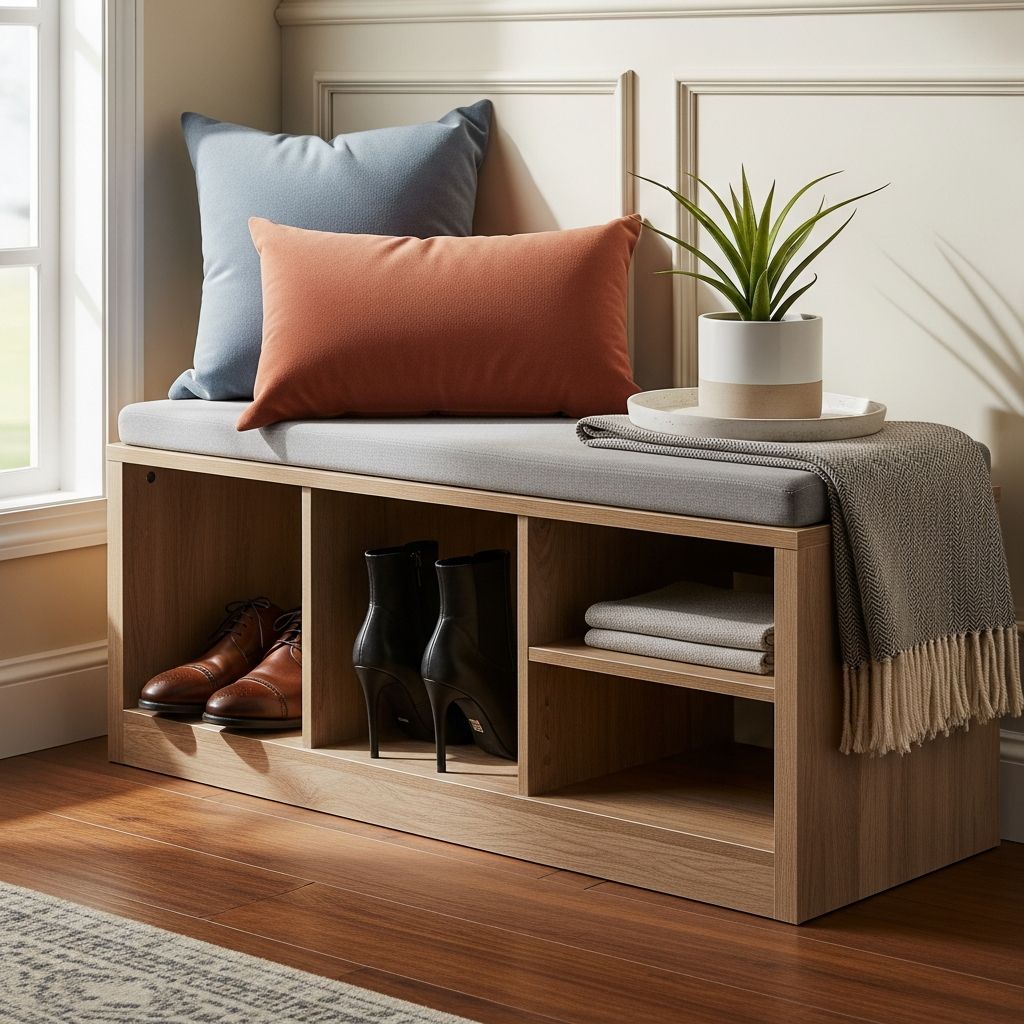
Shoe Storage Benches: The Smart Way to Tidy Your Entryway
Scattered shoes by the door can make even the cleanest home feel cluttered. A shoe storage bench solves that problem by giving every pair a place to live and everyone a spot to sit while putting them on.
Why a Shoe Storage Bench Is Worth It
A shoe storage bench combines seating and organization in one compact piece of furniture. Instead of juggling a separate chair and a shelf or rack, you gain a single, streamlined solution that keeps clutter off the floor and makes daily routines easier.
Beyond practicality, a well-chosen bench can act as a design anchor near your front door, in a hallway, or at the foot of your bed. It makes the transition between outside and inside feel intentional, not chaotic.
- Provides a stable seat for putting on or taking off shoes.
- Gives shoes a designated home so they do not pile up by the door.
- Can double as extra storage for hats, bags, gloves, and pet gear.
- Adds a welcoming, finished look to your entryway or mudroom.
Key Types of Shoe Storage Benches
Not all storage benches work the same way. The best style for your home depends on how visible you want your shoes to be, how fast you need to grab them, and how formal or casual you want the space to feel.
Open Cubbies and Shelves
Open designs keep shoes visible and easy to reach. These styles typically use shelves, grids, or cube compartments to separate pairs and allow air to flow so footwear can dry out after wet weather.
- Best for families that reach for the same shoes daily.
- Reduces time spent hunting for matching pairs.
- Makes it easy for kids to return shoes to the right spot.
Closed Doors and Drawers
Closed storage benches hide shoes behind doors, drawers, or flip-down fronts, creating a cleaner, furniture-like appearance. This style suits entryways that open directly into living spaces or formal areas.
- Ideal for minimalists who prefer a clutter-free look.
- Helps contain dust and keeps pet hair off shoes.
- Works well with modern, transitional, and traditional decor.
Flip-Top Hidden Compartments
Flip-top benches feature a hinged seat that lifts to reveal open storage underneath. Some include dividers for shoes, while others offer one large cavity for boots, bags, and seasonal items.
- Maximizes interior capacity using the full footprint of the bench.
- Great for rarely used shoes or bulky boots.
- Useful in bedrooms or closets where appearance matters more than instant access.
Multi-Function and Hall Tree Benches
Multi-function benches may include hooks, overhead shelves, baskets, or a back panel that turns the piece into a mini mudroom station. Often called hall trees, they create an all-in-one drop zone for shoes, bags, and outerwear.
- Perfect for small homes without a full-size mudroom.
- Keeps everything for coming and going in one place.
- Helps guests instantly know where to hang coats and place shoes.
Materials and Styles to Consider
Material choices affect both the lifespan and the appearance of your bench. Think about how much wear the area receives, who will use the bench, and how often shoes come in wet or muddy.
| Material | Look & Feel | Best For | Care Tips |
|---|---|---|---|
| Solid wood | Warm, classic, and sturdy | Traditional or farmhouse entryways | Dust regularly; wipe spills quickly to avoid warping. |
| Engineered wood | Sleek and budget-friendly | Modern or transitional decor | Use coasters or pads; avoid standing water on surfaces. |
| Metal frame | Industrial or contemporary | High-traffic, casual spaces | Wipe down with a damp cloth; check regularly for loose screws. |
| Upholstered top | Soft, tailored, and inviting | Bedrooms, closets, or dressier entryways | Vacuum fabric; spot clean spills promptly. |
| Rattan or wicker accents | Light, airy, and textured | Coastal, boho, or relaxed spaces | Keep out of standing moisture; dust with a soft brush. |
Style details such as legs, hardware, and cushion fabrics can subtly shift the impression of your bench. Tapered wood legs and neutral cushions feel mid-century or Scandinavian, while chunky frames and leather seats read more rustic or industrial.
Measuring Your Space the Right Way
Before clicking “add to cart,” take a tape measure to your entry, hallway, or mudroom. A beautiful bench that blocks a door swing or sits too deep for a narrow hallway will quickly become frustrating.
Essential Measurements
- Length: Measure wall space, leaving a few inches on each side for clearance and trim.
- Depth: In narrow halls, aim for a bench depth that still allows people to pass comfortably while someone is seated.
- Height: Typical seating height ranges from standard chair height to a few inches higher; ensure you can sit and tie shoes easily.
- Door and drawer clearance: If the bench includes doors, drawers, or a flip-top lid, confirm that they can open fully.
Capacity and Shoe Count
Think realistically about how many pairs you want to keep at the bench. A couple with minimal footwear needs may only require a few shelves, while a busy household with kids could need space for a dozen pairs or more.
- Count the pairs you use weekly rather than your entire shoe collection.
- Plan for a little extra room so new shoes do not immediately overwhelm the bench.
- Include space for guests’ shoes if you entertain often.
Room-by-Room Bench Placement Ideas
Where the bench lives affects how you use it. Consider the flow of your home and what happens right inside the door.
Entryway and Front Door Area
In an entry, the bench becomes the first and last stop when leaving or arriving home. Place it along the longest wall or near a closet if you have one, and pair it with hooks, a mirror, and a small tray for keys.
- Choose a style that reflects your overall decor since it will be visible from other rooms.
- Add a rug underneath or in front to catch dirt and define the zone.
Mudroom or Back Door
Mudrooms are hard-working spaces that benefit from more rugged, wipeable benches. In these areas, durability and easy cleaning matter more than intricate detailing or delicate fabrics.
- Look for metal frames, sturdy wood, and water-resistant surfaces.
- Pair the bench with wall-mounted shelves or cabinets for bags and sports gear.
Bedroom and Closet
A shoe bench at the foot of the bed or inside a walk-in closet makes getting dressed more comfortable. Here, soft fabrics and refined finishes make sense, since shoes are less likely to be muddy.
- Choose an upholstered or tufted top for added comfort.
- Use hidden storage or drawers for a calmer, less cluttered appearance.
Hallways and Small Spaces
Long, narrow halls often need shallow benches that do not interrupt circulation. Open shelves or slim cubbies work well here, especially when paired with minimal, wall-hugging hooks above.
- Consider wall-mounted benches to visually lighten tight spaces.
- Choose light colors or natural wood tones so the piece does not overwhelm the hallway.
Organization Tricks to Keep Shoes in Check
Buying a bench is only half the battle—how you organize it determines how tidy your space stays. A few smart systems can turn the bench into the most efficient spot in your home.
- Assign zones: Give each person in the household a shelf, cubby, or basket.
- Rotate seasonally: Keep only current-season shoes at the bench; store off-season pairs elsewhere.
- Use labels: Simple tags on baskets help kids remember where shoes go.
- Stack wisely: Place flat shoes and sandals on lower shelves, bulkier boots on higher or deeper spots.
- Set limits: Decide on a maximum number of pairs each person can keep at the bench.
Maintenance and Longevity Tips
A little routine care keeps your shoe bench looking fresh for years. Think of it as part of your normal cleaning schedule rather than a special project.
- Vacuum or sweep around and under the bench weekly to remove dirt and grit.
- Wipe down shelves and surfaces with a damp, non-abrasive cloth.
- Use waterproof trays or mats under particularly wet or dirty shoes.
- Tighten screws and hardware every few months to keep the bench stable.
- Protect upholstered cushions with removable, washable covers where possible.
Buying Checklist: What to Review Before You Order
When comparing benches online or in-store, it helps to review the same set of factors each time. This prevents impulse purchases that do not truly fit your home or habits.
Pre-Purchase Questions
- Does the size fit my space with room for doors to open and people to walk by?
- Is the capacity enough for the number of shoes I realistically need to store?
- Will the material hold up to kids, pets, and weather in this location?
- Does the style complement my existing furniture and finishes?
- Is assembly straightforward, and are replacement parts or cushions available if needed?
Features That Add Extra Value
- Removable cushions or covers for easy washing.
- Adjustable shelves to accommodate tall boots.
- Integrated hooks or side pockets for small items.
- Soft-close hardware to reduce noise and wear.
- Non-slip pads or adjustable feet for uneven floors.
Frequently Asked Questions
How high should a shoe storage bench be?
Most people find a bench height similar to a standard dining chair comfortable, allowing them to sit and tie shoes without straining. If multiple family members will use the bench, choose a height that works for the tallest and shortest users, or consider a slightly lower seat that is easier for children.
How many pairs of shoes can a typical bench hold?
Capacity varies widely based on width and design, but many household benches hold anywhere from four to a dozen pairs. Look closely at photos and dimensions, and estimate by comparing shelf width to the length of your largest shoes or boots.
What is the best bench style for kids?
For children, open cubbies or low shelves tend to work best because kids can easily see where to place shoes. Durable materials, rounded corners, and wipeable surfaces are especially helpful in busy, kid-friendly homes.
Can a shoe storage bench work outdoors?
Yes, but you will need a bench specifically designed for outdoor use, made from weather-resistant materials such as treated wood, metal with protective coatings, or resin. Pair it with outdoor cushions and be prepared for more frequent cleaning due to exposure to the elements.
How do I prevent shoe odors inside the bench?
Allow shoes to air out briefly before tucking them into closed storage, and use breathable containers, charcoal inserts, or odor-absorbing sachets if smells become an issue. Regularly wiping down shelves and rotating shoes also helps keep the interior fresh.
A thoughtfully chosen shoe storage bench can transform a messy doorway into a calm, efficient transition space. By paying attention to size, material, capacity, and organization, you can find a piece that serves your household gracefully every single day.
Similar Articles



Read full bio of Sneha Tete