Shine On: A Complete Homeowner’s Guide to Cleaning and Caring for Brass
Restore brass from dull and tarnished to warm, glowing, and timeless—with simple methods you can safely use at home.
How to Clean and Care for Brass: Practical Methods for a Lasting Shine
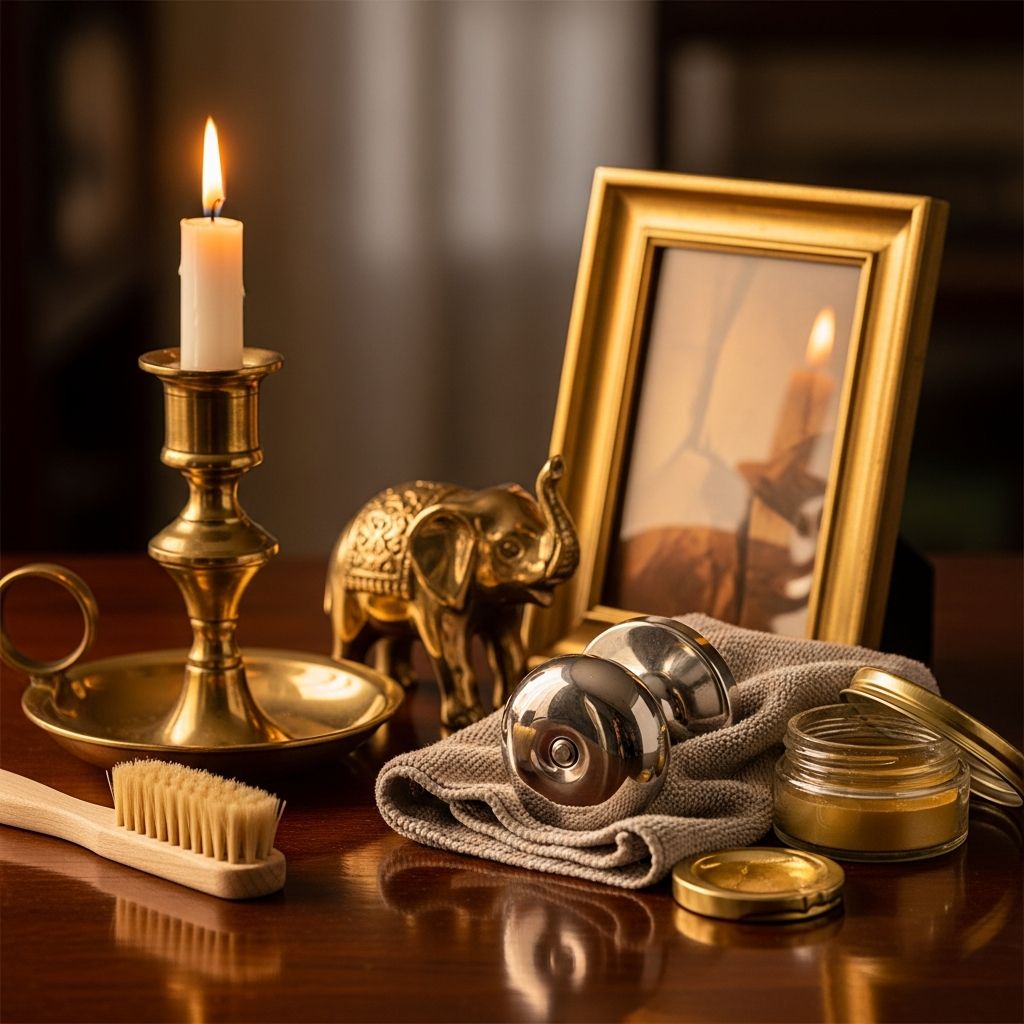
Brass brings warmth and character to a home, but over time it can darken, spot, and lose its glow under layers of tarnish. With the right approach, you can restore that golden shine safely—without harsh treatment or guesswork. This guide walks you through how to identify real brass, choose a suitable cleaning method, polish and protect the surface, and keep your pieces looking beautiful for years.
Understanding Brass and Why It Tarnishes
Brass is an alloy made primarily of copper and zinc. As copper reacts with oxygen, moisture, and pollutants in the air, a dull film—called tarnish—forms on the surface. Heavier exposure to humidity, skin oils, or cleaning chemicals can speed up this process. Knowing how brass behaves helps you decide whether a light touch or a more intensive cleaning is needed.
Tarnish on brass is usually cosmetic rather than structural, so surface discoloration alone is not a reason to panic. The key is to remove tarnish without stripping away too much metal or scratching the finish, especially on decorative or historically significant objects.
Step One: Confirming That Your Item Is Solid Brass
Before you reach for any cleaner, determine whether your item is solid brass or only brass-plated. Solid brass can tolerate gentle polishing over time, but a thin brass coating over another metal can easily be worn through if you scrub too aggressively.
Use these simple checks at home:
- Magnet test: Hold a small magnet against the piece. If the magnet sticks firmly, the core is likely steel or iron and the visible brass is a thin layer. If it does not stick, your item is more likely to be solid brass or another non-ferrous alloy.
- Hidden-spot scratch test: In an inconspicuous area, lightly scratch through the finish with a pin or sharp toothpick. If the metal beneath is the same color as the surface, it is probably solid brass; if it looks silvery or gray, it is plated over another metal.
- Weight and sound: Solid brass often feels heavier for its size and produces a duller, less “ringy” sound when gently tapped compared with hollow or very thin metal.
If your piece is plated, stick with the mildest methods in this guide and avoid abrasive tools or repeated aggressive polishing.
Essential Safety and Prep Before You Begin
Good preparation reduces mess, protects your health, and prevents damage to finishes around your home. Treat brass cleaning like any other hands-on project: a few minutes of setup can save you a lot of frustration later.
Follow these basic safety and prep steps:
- Work in a well-ventilated space, especially if using commercial polishes or products with strong odors.
- Wear disposable or reusable gloves to keep cleaners off your skin and oils off the metal.
- Lay down old towels or a plastic tray to protect counters and catch drips or residue.
- Remove brass hardware (like knobs or hinges) from doors or furniture if possible, so cleaners do not spill on wood, paint, or stone.
- Test any new method on a small, hidden area first to check for unexpected color change or scratching.
Overview of Brass Cleaning Methods
Different items and levels of tarnish call for different approaches. Lightly dulled brass often needs only soap and water, while dark or spotted brass may need a more targeted method. It is usually best to start with the gentlest strategy and work your way up only if necessary.
| Method | Best For | Pros | Considerations |
|---|---|---|---|
| Mild soap and warm water | Light surface grime and everyday dust | Very gentle; safe for most finishes; quick to set up | Does not remove heavy tarnish or deep discoloration |
| Homemade acidic pastes (e.g., lemon-based) | Moderate tarnish on solid brass items | Uses common household ingredients; good balance of power and control | Must rinse thoroughly; possible etching if left on too long |
| Commercial brass polish | Stubborn tarnish or restoration of neglected pieces | Formulated specifically for brass; delivers high shine | Requires careful use; can remove lacquer or patina if misused |
| Professional restoration | Valuable, antique, or heavily damaged items | Expert assessment and specialized tools | Higher cost; may involve longer turnaround times |
Gentle Cleaning: Soap and Water for Routine Care
For brass that is only lightly dull or dusty, a simple wash is often all that is needed. This approach is especially good for frequently handled objects like doorknobs, drawer pulls, and switch plates, where oils and fingerprints collect quickly.
Use this gentle process for routine upkeep:
- Fill a bowl or sink with warm water and add a few drops of mild dish soap.
- Dip a soft cloth into the soapy water, wring it out well, and wipe the brass surface. For crevices, use a soft toothbrush.
- Rinse the cloth in clean water and wipe again to remove soap residue.
- Dry thoroughly with a lint-free cloth to prevent water spots and new tarnish.
If soap and water restore enough shine, you can stop there; consider adding a protective step, such as a light wax, which is described later in this guide.
Natural Paste Methods for Moderate Tarnish
When brass has noticeable darkening, streaks, or fingerprints that will not wash away, a mildly acidic paste can help break down the tarnish while still being relatively gentle. The idea is to loosen the oxidized layer so it can be wiped away, not to grind it off with abrasive force.
Here is a simple natural-paste approach:
- Combine an acidic ingredient such as lemon juice or plain vinegar with a fine powder like baking soda or a small amount of salt to create a spreadable paste.
- Apply the paste using a soft cloth or sponge, working it into the surface with light circular motions.
- Allow it to sit briefly—usually a few minutes is enough—then gently scrub again and rinse thoroughly with warm water.
- Dry completely and buff with a clean cloth to bring up the sheen.
Always avoid aggressive rubbing and keep an eye on any decorative details or sharp edges, where the metal is often thinner and can wear more quickly.
Using Commercial Brass Polish
When mild methods are not enough, a quality brass polish can tackle deeper tarnish and deliver a brighter finish. These products typically combine chemical tarnish removers with fine polishing agents to smooth and shine the surface.
To use a brass polish effectively and safely:
- Read the product label fully, noting whether it is suitable for lacquered, unlacquered, or antique brass.
- Shake or stir if directed, then apply a small amount to a soft cloth—using less at first is usually wiser.
- Work in small sections, rubbing with light pressure until tarnish begins to lift and the cloth darkens.
- Buff with a clean, dry cloth until the surface looks even and glossy.
- Wash lightly with a damp cloth to remove residue if the manufacturer recommends it, then dry again.
Because these polishes are stronger than homemade mixtures, they should not be used on delicate plating or heavily worn areas without careful testing.
Special Considerations for Lacquered Brass
Some modern brass items are coated with a clear lacquer to protect them from air and moisture. This invisible film can keep brass bright for years but is easily damaged by abrasive cleaners, harsh chemicals, or repeated scrubbing.
If your brass appears shiny but has patches of peeling or flaking, the lacquer may be failing. Mild soap and water are usually safe for these surfaces. If the coating is badly damaged and the look bothers you, a full refinishing—stripping the old lacquer, carefully polishing the metal, and applying a new protective coat—is often best handled by a professional, especially on large fixtures.
Cleaning Different Brass Items Around the Home
Not all brass is used in the same way. A decorative bowl that sits untouched on a shelf will age differently from a frequently used doorknob. Tailor your cleaning approach to how each object is handled, where it is located, and how much wear it receives.
Below are guidelines for common household brass pieces:
- Door hardware and cabinet pulls: Focus on regular wiping with a damp cloth and occasional mild cleaning. Skip harsh abrasives that may remove protective coatings or scratch high-contact areas.
- Lighting fixtures: Turn off power and let bulbs cool before cleaning. Support delicate fixtures while you wipe them to avoid bending arms or stressing joints.
- Decorative objects: Dust regularly and clean gently as needed. Consider leaving a soft patina on older items to preserve character rather than polishing them to a mirror shine.
- Musical instruments and specialty items: Follow manufacturer or maker guidance, as these often have specialized finishes or structural concerns.
When to Preserve Patina Instead of Polishing
While bright, gleaming brass is appealing, many people value the rich, aged patina that develops naturally over decades. On antiques, aggressive polishing can reduce historical value and permanently alter the appearance in ways that cannot be reversed.
Consider preserving patina if:
- The item has sentimental or collectible value, such as an heirloom candlestick or vintage hardware.
- The surface shows attractive, even darkening rather than patchy corrosion or active green spots.
- You prefer a softer, more understated look that blends with other aged materials in your space.
In these cases, a light cleaning to remove dust, sticky residues, or surface grime is usually enough. Leave the deeper coloration intact unless there is evidence of ongoing damage.
Protecting Brass After Cleaning
Once you have invested time in cleaning brass, adding a protective barrier helps keep tarnish at bay and reduces how often you need to repeat the process. Two common options for at-home care are microcrystalline wax and clear sealers designed for metal.
For everyday protection:
- Apply a very thin layer of wax with a soft cloth, working it into the surface and buffing gently once it hazes.
- Avoid heavy, gummy layers that may attract dust and dull the shine.
- Reapply as needed when water no longer beads or the surface begins to look uneven.
For more durable coatings or for outdoor fixtures, specialized clear coats may be appropriate, but they require careful preparation and even application. If you are unsure, consulting a finisher or restoration specialist is a wise step.
Preventive Habits to Keep Brass Looking Its Best
Preventive care is often easier than deep restoration. By changing a few everyday habits, you can slow down the tarnishing process and keep your brass items bright for longer periods between cleanings.
Helpful preventive practices include:
- Wiping fingerprints off frequently touched areas with a soft dry cloth at the end of the day or week.
- Keeping brass items away from harsh bathroom or kitchen cleaners that may overspray onto surfaces.
- Storing rarely used brass pieces in a dry space, wrapped in soft cloth or acid-free tissue to minimize exposure to moisture and dust.
- Using mats or felt pads under brass vases and containers so condensation or spills do not sit trapped against the metal.
Common Mistakes to Avoid
Certain shortcuts and strong products can permanently harm brass. Knowing what to avoid protects both your items and your time. Approach any new cleaner with caution, especially if the label makes very strong or vague claims.
Try to avoid the following missteps:
- Using steel wool, wire brushes, or other hard abrasives that scratch and thin the surface.
- Leaving acidic cleaners or pastes on brass for long periods, which can cause pitting or uneven color.
- Mixing multiple cleaning chemicals together without clear guidance, as reactions can reduce effectiveness or produce irritating fumes.
- Polishing antique or plated items aggressively without confirming what type of metal or coating you are dealing with.
Brass Cleaning FAQs
How often should brass be cleaned?
Frequency depends on how and where the item is used. High-traffic hardware may need a quick wipe every week and a more thorough cleaning every few months, while decorative pieces in low-humidity rooms may go six months or longer between deeper cleanings.
Is it safe to use kitchen ingredients to clean brass?
Many household ingredients, such as mild acids combined with gentle powders, can be used safely when applied with care and rinsed thoroughly. The key is to avoid harsh scrubbing and to test any mixture on a small hidden area first.
Can all brass be polished to a mirror finish?
Not every piece of brass is meant to have a high-gloss look. Some are intentionally given a matte or aged finish, and over-polishing can remove those design details. Additionally, heavily worn or plated pieces may never achieve a uniform mirror appearance without professional work.
What should I do about green spots on brass?
Green spots often indicate more advanced corrosion, particularly where moisture has been trapped. Start by gently cleaning the area with a mild method, and if the spots remain or feel rough, consider seeking professional help to prevent further deterioration.
When is professional restoration necessary?
Professional help is advisable when an item has significant monetary or emotional value, when structural elements (such as joints or mounts) appear loose, or when severe corrosion, deep pitting, or old coatings need to be addressed with specialized tools and expertise.
Bringing Brass Back Into the Spotlight
Clean, well-cared-for brass can transform a space, whether it appears on a front door, a vintage lamp, or a cherished heirloom. By learning how to identify your brass, choosing a cleaning method suited to its condition, and building simple maintenance habits, you can preserve both the glow and the character of these pieces.
Start with the least aggressive methods, take your time, and respect the history and design of each item. With a thoughtful approach, your brass will reward you with a warm, inviting presence that endures year after year.
Similar Articles





Read full bio of Sneha Tete