Complete Guide to Growing Camellias Successfully
Master camellia cultivation with expert planting, care, and propagation techniques
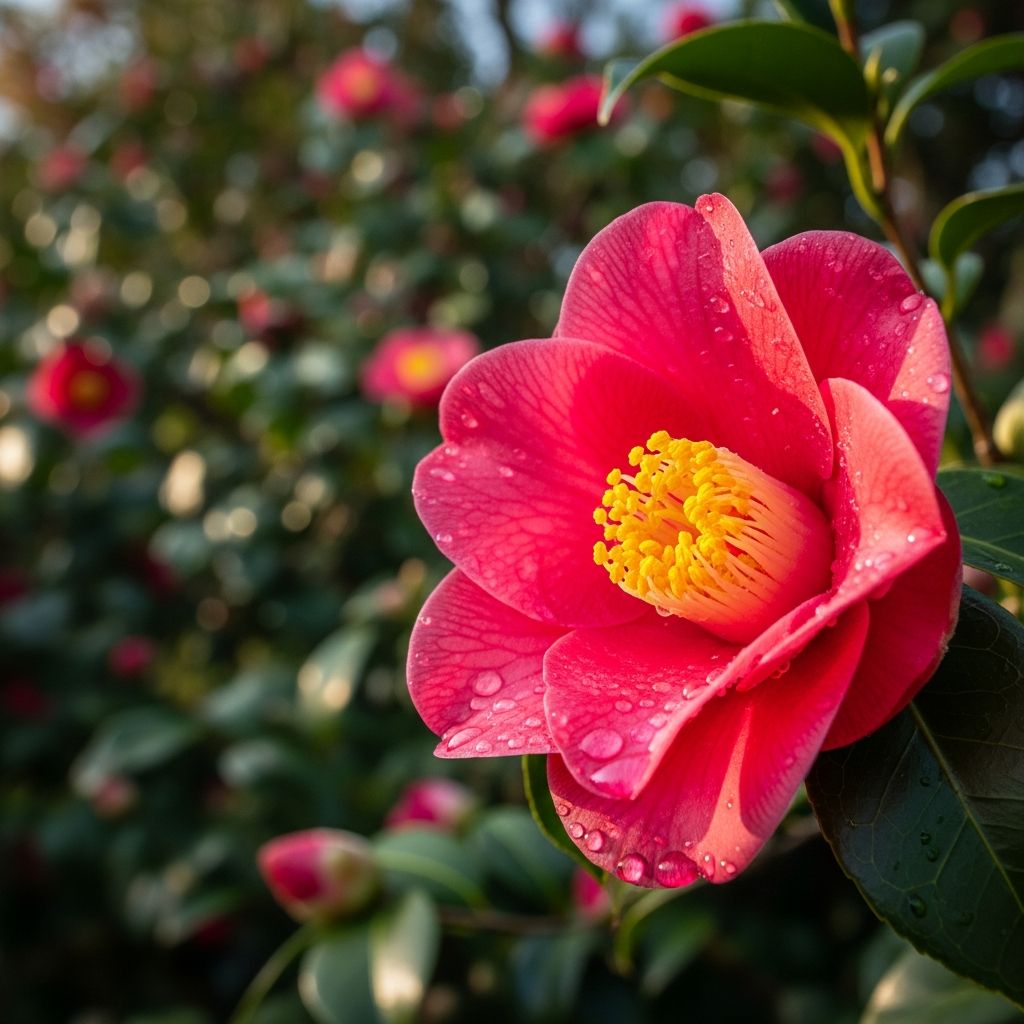
Camellias represent some of the most elegant and rewarding ornamental plants for gardeners seeking to add sophisticated beauty to their landscapes. These evergreen flowering shrubs produce stunning blooms in shades of pink, red, white, and bi-colors, offering visual interest during seasons when many other plants remain dormant. However, successful camellia cultivation requires understanding specific environmental conditions and care practices. This comprehensive guide will walk you through every aspect of growing these magnificent plants, from initial soil preparation through ongoing maintenance and propagation techniques.
Understanding Camellia Requirements and Plant Selection
Before purchasing camellias, it is essential to understand the fundamental requirements that determine whether these plants will thrive in your garden. Camellias belong to the ericaceous plant family, meaning they demand acidic soil conditions to absorb nutrients effectively and maintain healthy growth patterns. The ideal soil pH range falls between 5.5 and 6.5, which differs significantly from neutral garden soils that many common plants prefer.
Different camellia varieties display varying light preferences that influence where you should position them in your landscape. Japanese camellias generally perform best with morning sunlight combined with afternoon shade or dappled sun throughout the day. In contrast, sasanqua camellias demonstrate greater sun tolerance and can thrive in locations receiving more direct light. Understanding these distinctions helps ensure your chosen cultivar receives appropriate light conditions for optimal flowering and foliage development.
Mature camellia plants range from medium to large specimens, with some varieties eventually reaching heights of 15 feet or more. Before planting, examine the plant tag to determine the expected mature size, ensuring adequate vertical space within your landscape design. Spacing plants appropriately—typically 10 to 15 feet apart—prevents overcrowding as plants reach full size.
Soil Preparation: Creating the Foundation for Success
Successful camellia cultivation begins with meticulous soil preparation. These plants require moist, well-draining soil that maintains consistent moisture without becoming waterlogged. The combination of moisture retention and drainage prevents both drought stress and root rot, two conditions that severely compromise camellia health.
Camellias absolutely reject soggy soil conditions, making proper drainage the non-negotiable foundation of any planting scheme. Before digging planting holes, assess whether your chosen location tends toward waterlogging during wet seasons. If drainage concerns exist, consider alternative planting locations or implement solutions such as raised beds or container cultivation.
Test your soil’s acidity level using a commercial soil test kit, which provides precise pH measurements guiding any necessary amendments. If your native soil proves insufficiently acidic, incorporate organic matter such as peat moss, composted leaf material, or specialized azalea and camellia soil mixes into the planting area. This groundwork investment during initial planting pays dividends throughout the plant’s lifespan by establishing optimal growing conditions from the start.
Prepare the planting area by removing all perennial weeds and incorporating well-rotted organic matter across an area approximately one meter square and one spade depth for each plant. This approach builds a foundation of nutritious, acidic soil that encourages vigorous root establishment and sustained growth.
Optimal Planting Techniques and Timing
Timing influences camellia establishment success significantly. Autumn planting offers particular advantages, as warm soil temperatures encourage root development before winter dormancy arrives. In warmer climates, early fall or spring represent ideal windows for planting, providing camellias time to establish robust root systems before summer heat stress occurs.
Proper planting depth ranks among the most critical factors determining long-term plant success. Camellias planted too deeply experience stress that manifests as poor growth, reduced flowering, and increased susceptibility to disease. Position the root ball so that 1 to 2 inches of the soil surface remains visible above surrounding grade level. Grade soil gently upward to meet the sides of the exposed root ball without covering it with additional soil.
Dig planting holes approximately twice as wide as the root ball and equally deep, allowing adequate space for root expansion without forcing the plant deeper into the ground. Remove the camellia from its container carefully and inspect the root system. If roots appear circled or densely packed, gently tease them outward to encourage outward growth patterns rather than continued circular development.
Step-by-Step Planting Process
Follow this systematic approach to ensure proper planting execution:
- Dig a hole twice as wide as the root ball and just as deep, creating adequate space for comfortable root accommodation
- Position the camellia so the root ball sits 2 to 4 inches above surrounding soil grade, preventing excessive planting depth
- Fill the hole halfway with a mixture of native soil and acidic soil amendment, pressing gently to eliminate air pockets
- Water thoroughly to settle the soil and provide initial moisture to developing roots
- Complete the hole with the remaining soil mixture, maintaining the root ball’s elevated position
- Create a slight basin in the soil surface around the root ball to facilitate water retention
- Apply a thin layer of mulch (1 to 2 inches) over surrounding soil, maintaining 3 to 4 inches of clear space around the plant trunk to prevent disease development
- Water abundantly after planting to establish soil contact with roots and initiate the establishment phase
Watering Strategies for Healthy Growth
Water management directly impacts camellia vigor and blooming success. Newly planted camellias require consistent moisture during their first 18 months as root systems establish themselves throughout the surrounding soil. Check soil moisture approximately 4 inches below the surface using a trowel—if the soil feels dry at this depth, thorough watering is necessary.
Summer months demand particular attention to watering schedules because camellias produce next year’s flower buds during this period. Insufficient moisture during summer months reduces bud formation, resulting in diminished blooms the following season. Maintain consistently moist soil throughout the growing season without allowing conditions to become waterlogged or soggy.
Avoid allowing the soil to dry completely at any time, as drought stress triggers bud drop and weakens the plant’s ability to produce flowers. Create a slight ring in the soil around the root ball to help direct water toward the root zone rather than allowing it to run off across the surrounding landscape.
Fertilizing and Nutritional Considerations
Young camellias benefit from balanced fertilization during their establishment phase, as nutrient supplementation supports vigorous development. However, overfeeding proves counterproductive and can actually damage the plant. Apply fertilizer formulated specifically for acid-loving plants, such as azalea and camellia formulations, during the growing season.
Spring represents the optimal timing for applying granular or slow-release fertilizers, with potential mid-summer applications for plants that benefit from additional nutrition. These formulations deliver nutrients gradually, reducing the risk of excessive fertilization that characterizes liquid applications requiring frequent repetition. Always follow product label directions carefully, as proper dosing prevents nutritional imbalances and plant damage.
Light Requirements and Shade Management
Light availability significantly influences flowering success and foliage quality. Camellias require adequate light for flower bud formation, yet benefit from shade protection during certain conditions. Young plants particularly appreciate dappled or afternoon shade conditions that prevent excessive heat stress and leaf damage.
As camellia plants mature and their own canopy develops, they tolerate increased sun exposure because the expanding foliage provides natural shade to the root zone. This gradual acclimation to brighter conditions allows plants to maximize light availability for flowering without experiencing stress from intense direct sun during their establishment phase.
Container Growing as an Alternative Approach
For gardeners with unsuitable in-ground soil conditions or limited space, container cultivation offers an excellent alternative for camellia success. When growing camellias in containers, select pots with drainage holes and add several inches of gravel or similar material at the bottom to ensure excess water drains away freely.
Fill containers with a moisture-retentive potting mix formulated for acid-loving plants, or mix peat-free ericaceous compost with perlite to improve drainage while maintaining moisture retention. Before planting container specimens, consider severing the taproot to encourage development of a wider, more fibrous root system that adapts well to container environments.
Once planted in containers, camellias prefer stability and react negatively to frequent repositioning by dropping their developing flower buds. Select a permanent location where your container camellia can remain throughout the growing season. Container plants require more frequent watering than in-ground camellias because limited soil volume dries more rapidly.
Propagation Methods for Expanding Your Collection
Camellia propagation through multiple methods allows gardeners to create new plants while maintaining desirable characteristics. Semi-ripe and hardwood cuttings represent the most reliable propagation techniques, providing high success rates compared to other methods.
Cutting Propagation Basics: Take cuttings from mid to late summer when plant tissue reaches appropriate maturity for successful rooting. Semi-ripe cuttings, taken when stems have begun hardening but retain some flexibility, typically demonstrate superior rooting success compared to fully hardened wood. Slightly wound the base of each cutting by carefully removing a thin strip of bark—approximately 1.5 centimeters—which stimulates rooting hormone production and enhances establishment success.
Insert prepared cuttings into a moisture-retentive rooting medium composed of peat moss, perlite, or specialized cutting mixes. Maintain consistent moisture without waterlogging, as excessive moisture promotes fungal disease development. Most cuttings develop roots within several weeks under proper conditions, though some may require several months before adequate rooting occurs.
Seed Propagation Considerations: Growing camellias from seed represents an option, though results do not guarantee plants identical to the parent specimen. Cross-pollinated flowers may produce offspring with different bloom colors or flower shapes. Camellia seeds ripen at varying times depending on variety and geographic location, typically reaching maturity in early fall when seed pods begin cracking.
Improve seed germination rates by soaking seeds for 12 hours or carefully cracking the hard seed coat before planting. Sow seeds in good soil mixed with peat moss or sand combinations, keeping the planting medium consistently damp. Seeds typically germinate within one month of planting if sown immediately after harvesting, though some may delay germination until spring.
Common Issues and Troubleshooting
Bud drop represents the most frequent complaint among camellia growers, typically resulting from water stress, excessive movement, or environmental shock. Maintain consistent soil moisture and avoid relocating container plants to prevent this frustrating issue. Winter protection becomes necessary for tender sasanqua varieties in regions experiencing harsh freezing conditions or strong winter winds.
Seasonal Care Calendar
| Season | Primary Tasks |
|---|---|
| Spring | Apply acid-specific fertilizer; begin regular watering schedule; assess new growth for pruning needs |
| Summer | Maintain consistent moisture for flower bud development; monitor for stress; continue fertilizing if applicable |
| Fall | Take propagation cuttings; prepare new planting sites; apply light pruning post-flowering |
| Winter | Protect tender varieties; reduce watering frequency; enjoy blooming periods |
Pruning and Shaping Established Plants
Prune camellias after flowering concludes to maintain desired shapes and encourage branching. Light pruning enhances plant form without causing significant stress. Remove any dead, diseased, or crossing branches to improve air circulation and overall plant architecture. Avoid heavy pruning that removes large quantities of foliage, as camellias respond slowly to severe cutting.
Frequently Asked Questions
Can camellias grow in neutral soil?
Camellias strongly prefer acidic soil conditions and perform poorly in neutral or alkaline soils. If your garden naturally maintains neutral pH, container cultivation with ericaceous compost represents the best solution for successful camellia growth.
How long before newly planted camellias bloom?
Established nursery specimens typically bloom the first season after planting if properly positioned in appropriate light conditions. Young plants from cuttings or seeds require additional years of growth before reaching flowering maturity.
What causes camellia buds to drop?
Bud drop most commonly results from water stress, sudden environmental changes, or physical disturbance of container plants. Maintain consistent moisture and minimize plant movement to prevent this issue.
Are camellias hardy in cold climates?
Most camellia cultivars display good hardiness, though sasanqua varieties prove slightly more tender and may require winter protection in regions experiencing harsh freezing or strong winter winds.
Successfully growing camellias rewards gardeners with years of elegant flowering beauty and reliable performance. By establishing proper soil conditions, planting at appropriate depths, maintaining consistent moisture, and addressing individual variety requirements, you create an environment where these remarkable plants flourish. Whether cultivating garden specimens or container varieties, camellias respond positively to attentive care and thoughtful environmental management, ultimately providing stunning ornamental value throughout the growing seasons.
References
- How to Grow Camellias — Scotts Miracle-Gro Company. https://scottsmiraclegro.com/en-us/learn/gardening/how-to-grow-camellias.html
- How to grow camellias / RHS Growing Guide — Royal Horticultural Society. https://www.rhs.org.uk/plants/camellia/growing-guide
- Complete Camellia Care Guide: How to plant, grow, and care for camellias — Monrovia Nurseries. https://www.monrovia.com/be-inspired/complete-camellia-care-guide.html
- How to Grow Camellias in the Valley — SummerWinds Nursery. https://www.summerwindsnursery.com/az/inspire/blog/how-to-grow-camellias/
- Basic Principles of Growing Camellias — International Camellia Society. https://internationalcamellia.org/en-us/caring-for-camellias/basic-principles-of-growing-camellias
- Propagation by Seed — American Camellia Society. https://www.americancamellias.com/education-and-camellia-care/propagation/propagation-by-seed
- Camellia Care and Planting Tips — The Good Earth Garden Center. https://thegoodearthgarden.com/camellia-care-planting-tips/
Similar Articles



Read full bio of medha deb