Complete Guide to Growing Vibrant Hibiscus Plants
Master the art of cultivating stunning hibiscus blooms with expert care techniques
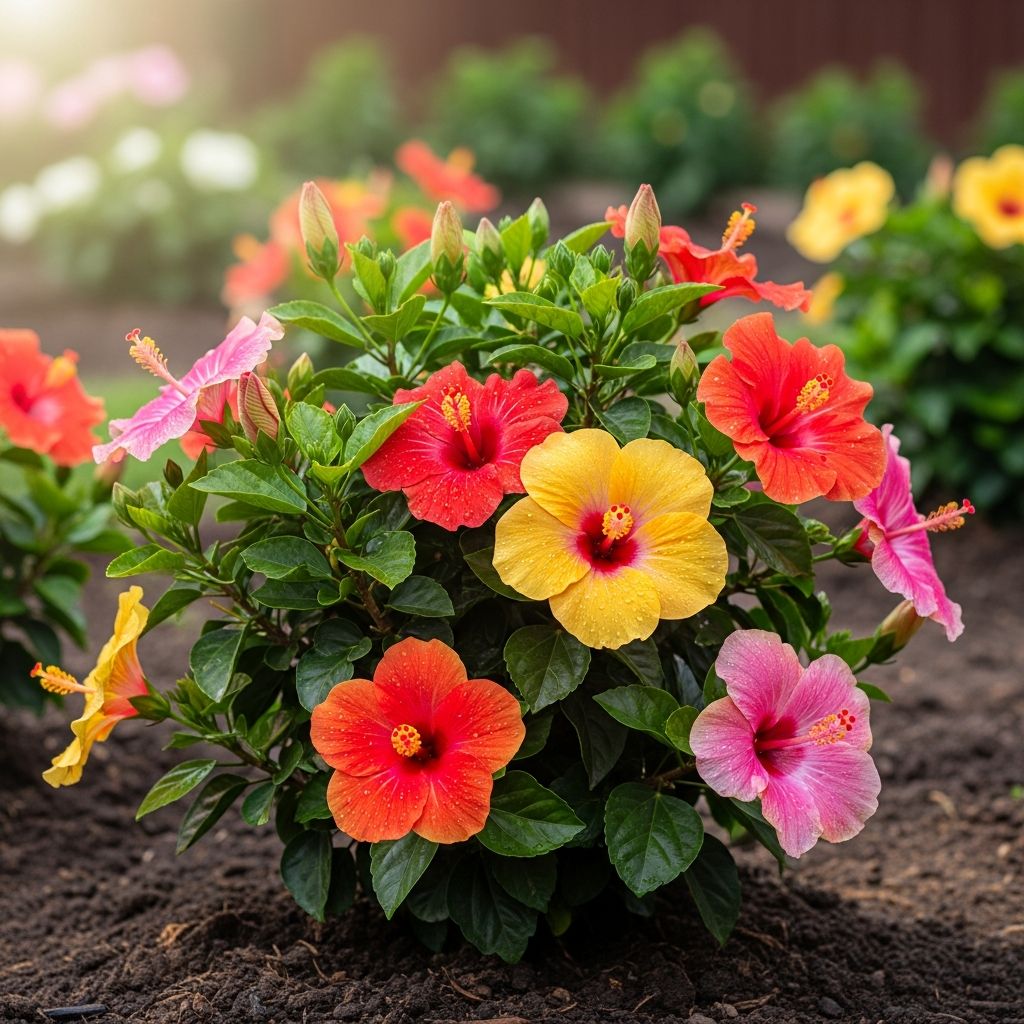
Hibiscus plants represent some of the most striking flowering specimens available to home gardeners, offering spectacular blooms in an array of colors and forms. Whether you’re interested in hardy varieties suited to cooler climates or tropical types that thrive in warm environments, understanding the fundamental cultivation requirements will set you up for success. This comprehensive guide walks you through every aspect of hibiscus gardening, from initial planting to ongoing maintenance and seasonal preparations.
Understanding Hibiscus Plant Types and Their Characteristics
Before diving into cultivation techniques, it’s important to recognize that hibiscus encompasses several distinct categories, each with slightly different needs and hardiness levels. Hardy hibiscus and Rose of Sharon varieties tolerate much colder temperatures than their tropical counterparts, making them suitable for northern gardens. Tropical hibiscus, conversely, require consistent warmth and are best grown in containers in colder climates or planted permanently in frost-free zones. Understanding which type you’re working with will inform every decision you make about planting location, container selection, and winter care strategies.
The tropical varieties, known scientifically as Hibiscus rosa-sinensis, demand more attention to environmental conditions and typically produce larger, more dramatic flowers. Hardy hibiscus varieties offer greater flexibility and resilience, though they may require more aggressive pruning to maintain shape and encourage robust flowering.
Selecting the Ideal Location and Light Requirements
Light represents one of the most critical factors influencing hibiscus success. These plants require abundant sunlight to produce abundant flowers and develop proper foliage coloration. Full sun exposure is essential, with a minimum of six to eight hours of direct sunlight daily. Plants grown in insufficient light will produce fewer flowers, and those blooms that do appear may be noticeably smaller than expected.
For container specimens kept indoors or on sheltered patios, position them near bright windows where they receive maximum available light throughout the day. If you’re growing tropical varieties as houseplants during winter months, provide supplemental grow lights positioned 12 to 18 inches above the foliage, keeping them activated for 14 to 16 hours daily to simulate long growing days that trigger flowering responses.
When selecting outdoor planting locations, avoid areas with afternoon shade cast by buildings or dense tree canopy. Morning shade is generally acceptable, particularly in extremely hot climates where afternoon sun intensity can occasionally cause leaf scorch.
Preparing Soil and Planting in Garden Beds
Proper soil preparation forms the foundation for healthy hibiscus growth in permanent garden locations. These plants thrive in well-draining soil enriched with organic matter, though they adapt to various soil types provided drainage remains excellent.
Garden Planting Steps:
- Dig a planting hole approximately twice the width of your plant’s root ball but matching its original depth
- Ensure the top of the root ball sits level with the surrounding soil surface—planting too deep can cause root rot and collar damage
- Combine your native soil with equal parts high-quality garden soil or compost to create a nutrient-rich growing medium
- Fill the hole gradually, gently firming the soil to eliminate air pockets while avoiding excessive compression
- Water thoroughly immediately after planting to settle the soil and eliminate remaining air voids
- Apply a 2 to 3-inch layer of organic mulch around the base, keeping it several inches away from the stem to prevent moisture-related diseases
Space plants appropriately based on their mature size—hardy hibiscus typically require 3 to 4 feet between plants, allowing for air circulation and future growth. Rose of Sharon varieties are often grown as individual specimen plants rather than in groups.
Container Growing and Potting Techniques
Container cultivation offers tremendous advantages, particularly for gardeners in regions where tropical hibiscus cannot survive year-round outdoors. Proper pot selection and soil composition directly impact plant health and blooming performance.
Container Selection Considerations:
| Container Aspect | Recommendation | Reason |
|---|---|---|
| Pot Size | 1-2 inches larger than nursery container | Prevents waterlogging while providing adequate room for growth |
| Drainage Holes | Essential on bottom and sides if possible | Allows excess moisture to escape, preventing root rot |
| Material | Terracotta or breathable plastic | Promotes air circulation and prevents soil compaction |
| Soil Depth | Root ball positioned 1-2 inches below rim | Allows proper water retention without overflow |
Potting Procedure:
Begin by placing 1 to 2 inches of moistened potting soil in your container bottom. Carefully remove the hibiscus from its nursery pot, gently loosening the root ball if the plant appears root-bound. Position the plant so its root collar sits at the appropriate depth, then fill surrounding spaces with additional potting mix, gently tamping to remove air gaps. Complete filling until soil reaches the base of the stem, then water thoroughly until moisture emerges from drainage holes.
Soil Composition for Containers:
Standard garden soil proves too dense and compacted for container use, restricting water penetration and nutrient availability while potentially harboring harmful soil pathogens. Instead, utilize high-quality soilless potting mixes containing peat moss, perlite, vermiculite, or coco coir. These materials provide excellent drainage while retaining adequate moisture between waterings. Moisture-control potting formulations specifically designed to balance water retention with drainage work exceptionally well for hibiscus, reducing the risk of both overwatering and drought stress.
Watering Strategies for Optimal Growth
Consistent moisture management represents perhaps the most critical aspect of hibiscus care. These plants dislike drought conditions but are equally susceptible to overwatering damage.
Watering Guidelines:
- Container plants require more frequent watering than in-ground specimens due to limited soil volume and accelerated evaporation
- Check soil moisture by inserting your finger 3 inches deep—water when soil feels nearly dry at this depth
- Water thoroughly until moisture emerges from drainage holes, ensuring complete soil saturation
- If soil has dried considerably, water twice with several minutes between applications to allow thorough absorption
- Provide daily watering during establishment phase (first season) until plants develop extensive root systems
- Newly planted specimens benefit from consistent supplemental watering throughout their first growing season
During establishment, maintaining evenly moist (not soggy) soil encourages vigorous root development. Overwatering symptoms include yellowing leaves, bud drop, and stem rot, while underwatering presents as leaf yellowing, premature flowering cessation, and bud failure. Learning to recognize your specific plant’s moisture preferences takes time, but careful observation helps you adjust watering frequency based on seasonal conditions, sunlight exposure, and rainfall patterns.
Nutrient Management and Fertilization Programs
Boosting soil fertility directly translates to larger, more abundant flowers and healthier overall plant development. Hibiscus respond well to consistent feeding during their active growing season.
Fertilization Approach:
In spring, once vigorous new growth appears, apply a balanced slow-release fertilizer by spreading it around the plant base or opening a shallow trench in the soil, distributing the fertilizer within, and covering it back over. This method provides gradual nutrient release throughout the season. Alternatively, apply water-soluble fertilizer formulations at half strength every two weeks during the growing season when true leaves have fully developed on young plants.
During the dormant winter season, reduce or discontinue fertilization entirely, as plants require minimal nutrients when growth has slowed significantly. Excessive winter feeding can produce tender new growth vulnerable to cold damage.
Complement fertilizer applications with organic mulch placement around the root zone. Compost and organic mulches gradually decompose, adding valuable organic matter and nutrients while improving soil structure and moisture retention.
Propagating Hibiscus from Cuttings
Creating new plants from existing specimens through cutting propagation offers an economical approach to expanding your hibiscus collection or sharing plants with fellow gardeners.
Cutting Propagation Steps:
- Select and prepare cuttings: During spring or early summer when growth is most vigorous, identify healthy new branches and snip 4 to 6-inch sections just below a leaf node (the point where leaves attach to stems)
- Reduce foliage: Remove all but the uppermost two or three leaves from your cutting to minimize water loss while roots are developing
- Apply rooting hormone: Dip the cut end lightly into rooting hormone powder—both organic and synthetic formulations accelerate root development and improve success rates
- Plant in growing medium: Insert the treated cutting approximately 2 inches deep into seed-starting mix, which provides the ideal balance of moisture retention and air penetration
- Establish humidity: Cover the pot with a clear plastic bag to create a mini-greenhouse environment, maintaining high humidity that encourages root formation—ensure the plastic doesn’t contact leaves to prevent fungal issues
- Provide warmth: Maintain consistent warm temperatures around 70-75°F for optimal root initiation
- Monitor moisture: Keep the soil consistently moist but not waterlogged, misting the cutting regularly to maintain humidity
Roots typically develop within 2 to 4 weeks. Once you observe new growth or resistance when gently tugging the cutting, remove the plastic cover and transition the young plant to bright indirect light. After several weeks of establishment, transplant into larger containers with standard potting soil.
Pruning and Shape Management
Strategic pruning maintains attractive plant form, encourages bushier growth, and promotes abundant flowering. Hardy hibiscus and Rose of Sharon varieties benefit from more aggressive pruning than tropical types.
Pruning Approach:
For hardy varieties, cut plants back substantially after blooming concludes, removing up to one-third of the total growth. This aggressive pruning stimulates vigorous regrowth and increases next season’s flower production. For tropical hibiscus, utilize lighter pruning throughout the growing season, removing dead or crossing branches and lightly shaping the canopy.
After completing pruning work, provide your plants with supplemental watering and a light fertilizer application to support recovery and new growth initiation. Within weeks, you’ll observe lush new foliage and, shortly thereafter, abundant flowering on the fresh growth.
Seasonal Transitions and Winter Preparation
Successfully overdishing tropical hibiscus requires careful attention to changing environmental conditions and plant needs.
Winter Care Strategies:
- Before the first frost arrives, bring container plants indoors to bright, warm locations away from heating vents and cold drafts
- Reduce watering frequency significantly once plants move indoors, as their growth naturally slows during winter months
- Minimize fertilization or discontinue entirely until spring growth resumes
- Provide supplemental grow lights if your indoor location lacks sufficient natural light
- Maintain temperatures between 55-70°F for tropical varieties; colder conditions may cause bud and leaf drop
- Check plants regularly for pest infestations, which commonly develop during indoor winter cultivation
- Hardy outdoor varieties require no special winter protection in most climates but benefit from mulch application over the root zone in marginal hardiness zones
In spring, as temperatures warm and daylight increases, gradually acclimate your tropical hibiscus to outdoor conditions over 7 to 10 days before placing them in their permanent summer locations. This hardening-off period prevents sun scald and allows plants to adjust to outdoor conditions gradually.
Common Challenges and Solutions
Several issues can compromise hibiscus health and flowering performance. Recognizing symptoms early allows for prompt intervention. Yellowing leaves often indicate either overwatering or insufficient light. Bud drop typically results from irregular watering, temperature fluctuations, or low humidity. Pest infestations, while less common on outdoor plants, can become problematic on indoor specimens during winter months. Inspect plants regularly and address issues promptly using appropriate treatments.
Frequently Asked Questions
How often should I water my hibiscus plant?
Water frequency depends on multiple factors including container size, soil type, light exposure, and seasonal conditions. Generally, container plants need watering when the top 3 inches of soil feel nearly dry. During establishment and active growing season, this may mean daily watering, while established plants typically need water every 2-3 days.
Can I grow hibiscus indoors year-round?
While tropical hibiscus can be maintained indoors with proper light, warmth, and humidity, they perform best with outdoor summer placement. Indoor year-round cultivation often results in reduced flowering due to insufficient light intensity.
What soil pH do hibiscus prefer?
Hibiscus thrive in slightly acidic soil with a pH range of 6.0 to 6.5. Most commercial potting mixes naturally fall within this range.
How long does it take hibiscus cuttings to root?
Rooted cuttings typically develop visible roots within 2 to 4 weeks under warm, humid conditions, though this timeline can vary based on temperature and humidity levels.
References
- How to Grow and Care for Hibiscus — ScottsMiracle-Gro. 2024. https://scottsmiraclegro.com/en-us/learn/gardening/how-to-grow-hibiscus.html
- Hibiscus Planting Instructions — Outside Pride. 2024. https://www.outsidepride.com/resources/planting/hibiscus-planting/
- How to Grow and Care for Hibiscus in Pots — Proven Winners. 2024. https://www.provenwinners.com/learn/container-gardening/how-grow-hibiscus-pots-ultimate-guide-proven-winners
- Hibiscus Grow Guide — GrowVeg. 2024. https://www.growveg.com/plants/us-and-canada/how-to-grow-hibiscus/
- Care of Hibiscus rosa-sinensis — Smithsonian Gardens. 2024. https://gardens.si.edu/learn/educational-resources/plant-care-sheets/care-of-hibiscus-rosa-sinensis/
- Growing Awesome Hibiscus from Bare Root — Walters Gardens, Inc. 2024. https://www.waltersgardens.com/article.php?ID=172
Similar Articles






Read full bio of medha deb