From Chaos to Control: A Complete Guide to Organizing Your Garage
Turn your overstuffed garage into hard-working, clutter-free space you’ll actually love to use.
Transform Your Garage into a Space That Works
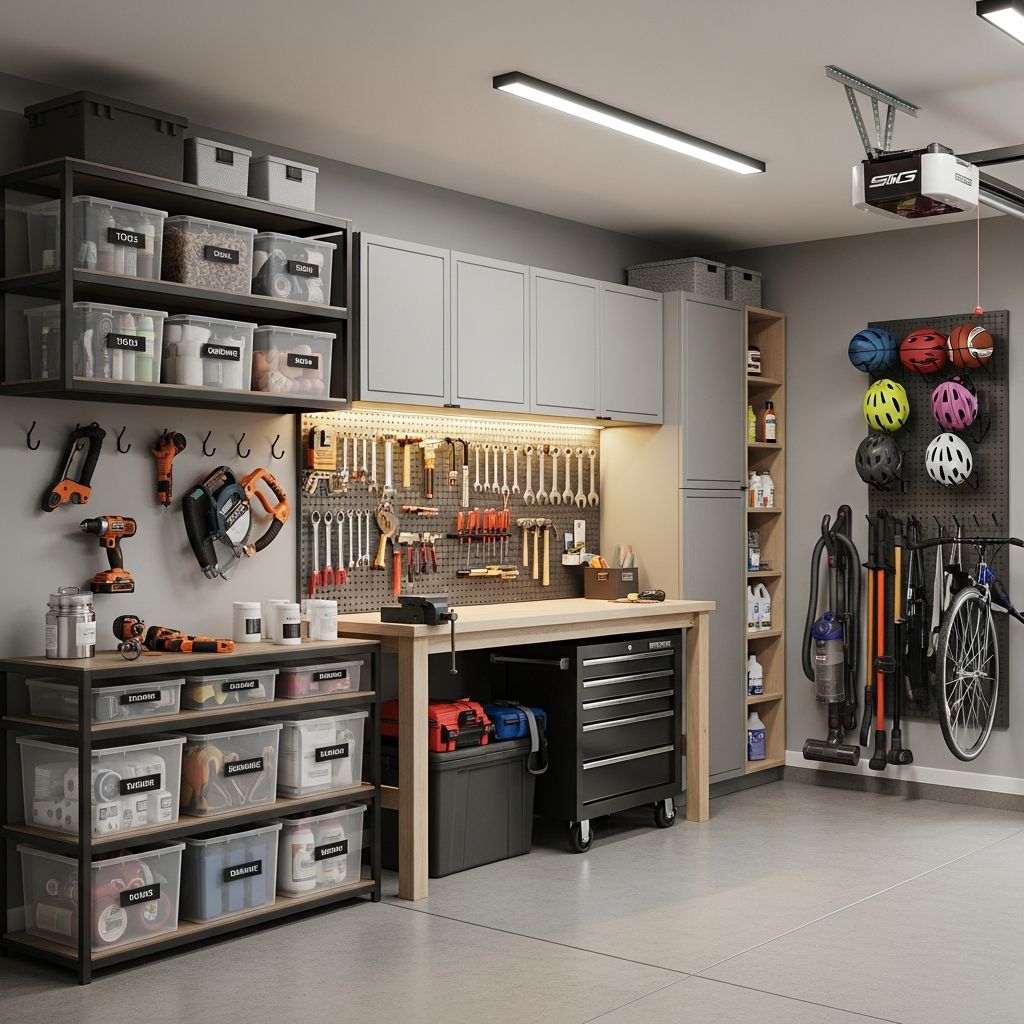
Your garage can be more than a dumping ground for random boxes and half-finished projects. With a smart plan, it can function as parking, workshop, equipment room, and storage all at once. This guide walks you through decluttering, planning zones, choosing storage, and keeping everything tidy for the long term.
Why Garage Organization Matters
A well-organized garage saves time, protects your belongings, and reduces stress. Instead of digging through piles or buying duplicates, you know exactly where things live and how to put them back quickly.
- Improved safety by keeping tripping hazards off the floor and chemicals out of kids’ reach.
- More usable space for parking, projects, hobbies, and exercise.
- Higher home appeal if you plan to sell, since a tidy garage signals a well-kept property.
Step 1: Clarify How You Want to Use the Garage
Before moving a single box, decide what role your garage should play in everyday life. Clear goals prevent you from filling it with items that do not fit your vision.
- Do you need reliable space for one or two vehicles?
- Will you use the area as a workshop for DIY projects or crafts?
- Do you want storage for sports gear, seasonal decor, lawn tools, or bulk household supplies?
- Is a small home gym or hobby corner a priority?
Write down your top two or three priorities. As you sort items later, anything that does not support those priorities becomes a candidate to relocate, donate, or discard.
Step 2: Empty, Sort, and Declutter
Real organization starts with seeing everything you own. Work in sections if the project feels overwhelming, but commit to examining every item in the garage.
Clear the Space
- Choose a clear, dry day so you can move items onto the driveway.
- Empty one wall or zone at a time to avoid total chaos.
- Group similar items together as you pull them out: tools, paint, sports equipment, camping gear, automotive supplies, seasonal decor, etc.
Use the Four-Box Declutter Method
As you sort, assign every item to one of four groups. Be honest about what you actually use and value.
- Keep: Items you use regularly or seasonally that fit your garage goals.
- Donate / Sell: Good-condition items you no longer need, such as duplicate tools or outgrown sports gear.
- Relocate: Belongings that make more sense indoors (sentimental photos, important documents, clothing).
- Trash / Recycle: Broken, expired, or unusable items (old paint cans, dried-out sealants, damaged tools).
Set firm limits. If an item has not been used in years, is unsafe, or does not align with your garage priorities, let it go.
Step 3: Create Smart Zones for Your Stuff
Zoning means assigning each category of item to a specific area. This makes it easier to find what you need and harder for clutter to creep back in.
Common Garage Zones
- Auto care: Car cleaning products, oil, jumper cables, and small tools close to the garage door.
- Outdoor and lawn: Rakes, shovels, fertilizer, hoses, and gardening tools near the door to the yard.
- Sports and recreation: Bikes, balls, skates, camping gear in a kid-friendly area with low bins and hooks.
- Tools and projects: Hand tools, power tools, hardware, and workbench all in a focused project zone.
- Household overflow: Paper towels, cleaning supplies, and bulk purchases near the door to the house for easy access.
- Seasonal / long-term storage: Holiday decorations, luggage, or rarely used items in higher or harder-to-reach spots.
Sample Garage Zone Layout
| Garage Area | Ideal Zone | Suggested Storage |
|---|---|---|
| Left wall | Tools & DIY projects | Workbench, pegboard, cabinet with shallow drawers |
| Right wall | Sports & outdoor gear | Wall hooks, ball bins, bike racks, open shelving |
| Back wall | Household overflow | Closed cabinets or sturdy shelving with labeled bins |
| Ceiling area | Seasonal storage | Overhead racks or suspended shelves |
| Near house door | Everyday grab-and-go | Shoe rack, coat hooks, small landing shelf |
Step 4: Choose the Right Storage Solutions
Once zones are defined, match them with storage that fits your space, budget, and style. Focus on vertical and overhead space to keep the floor clear for vehicles and walking paths.
Wall Storage Options
- Open shelving: Great for bins, paint cans, small appliances, and clearly visible storage. Choose heavy-duty shelves anchored into studs.
- Cabinets: Ideal for hazardous or messy supplies you want out of sight and out of reach of children.
- Pegboards: Perfect for hand tools and frequently used items. Arrange hooks so outlines of tools remain visible when something is missing.
- Track or rail systems: Versatile solution for hanging bikes, ladders, yard tools, and bulky equipment with adjustable hooks.
Overhead and Ceiling Storage
- Install overhead racks for holiday decor, camping gear, and items you access only a few times a year.
- Use sturdy, lidded bins on overhead shelves and label all sides for quick identification.
- Ensure you leave enough ceiling clearance for garage doors and vehicle height.
Floor-Level Solutions
- Rolling tool chests: Provide mobile storage for tools and hardware near any project.
- Freestanding shelving units: Useful in rental homes where drilling into walls is limited.
- Lockable cabinets: Essential for storing chemicals, fuels, poisons, or sharp tools in homes with kids or pets.
Step 5: Labeling and Visibility
Labels turn a neat setup into a repeatable system. When every family member can see where things belong, organization becomes much easier to maintain.
- Use large, clear labels on the fronts and tops of bins, especially on high shelves.
- Pick simple category names like “Camping,” “Painting Supplies,” “Bike Gear,” or “Holiday Lights.”
- Consider clear plastic bins for items you access often, and opaque bins for visually busy or private contents.
- Color-code by category or season (for example, green for garden, red for holiday, blue for sports).
Step 6: Safety First in the Garage
Garages often contain flammable materials, sharp tools, and heavy objects. Thoughtful organization makes the space safer for everyone.
- Store fuels, solvents, pesticides, and other chemicals in original containers inside ventilated, lockable cabinets.
- Keep heavy items (like large power tools) on lower shelves to reduce the risk of falling.
- Secure tall shelving to wall studs to prevent tipping.
- Maintain clear walkways from each door to key areas and avoid stacking items in front of electrical panels or outlets.
- Install adequate lighting so corners, shelves, and work surfaces are well lit.
Step 7: Design an Efficient Work Zone
If you do DIY projects, woodworking, or repairs in your garage, dedicate a work area that keeps tools accessible and surfaces free of clutter.
Essentials for a Productive Work Corner
- Sturdy workbench with comfortable standing height or a stool.
- Pegboard or magnetic strips above the bench for frequently used tools.
- Small drawers or organizers for nails, screws, and hardware, labeled by type and size.
- Power strip or safely mounted outlets for chargers and tools.
- Task lighting such as an adjustable lamp or overhead LED strip.
Maintaining Your Organized Garage
A garage does not stay organized by accident. Build simple routines so clutter never again reaches the overwhelming stage.
- Schedule a quick 10-minute tidy once a week to return stray items to their zones.
- Do a deeper reset at the beginning of each season to swap out gear (winter tools for summer sports, and so on).
- Adopt a “one in, one out” rule for bulky items like coolers, large tools, or sports equipment.
- Review chemical and paint shelves once a year and dispose of expired products through local hazardous-waste programs.
Quick Garage Organization Checklist
- Define your top garage priorities (parking, workshop, storage, hobbies).
- Empty the space section by section and sort items by category.
- Declutter using keep, donate/sell, relocate, and trash/recycle decisions.
- Create zones for each category and sketch a simple floor plan.
- Install wall, ceiling, and floor storage to match each zone.
- Label bins, shelves, and drawers clearly.
- Secure hazardous items and heavy objects safely.
- Set up weekly and seasonal maintenance habits.
Frequently Asked Questions About Garage Organization
How long does a full garage organization project usually take?
The timeline depends on size, clutter level, and how many people help. Many homeowners can complete a basic clear-out and reorganize over a weekend, while heavily packed garages may require several shorter sessions spread across a few weeks. Breaking the work into zones keeps the project from feeling endless.
Where should I start if my garage is extremely cluttered?
Start with the floor. Clear a walking path from the door to the main areas, then focus on one wall or corner at a time. As you create open space, you gain room to sort and make decisions. Celebrate each small finished area to stay motivated.
Do I need expensive custom cabinets to have an organized garage?
No. While custom systems look sleek and can maximize every inch, many garages function beautifully with simple shelving, pegboards, and a few well-chosen bins. Focus first on decluttering and zoning, then add storage pieces gradually as your budget allows.
How can I keep kids’ sports gear under control?
Design a kid-friendly zone using open bins, low hooks, and clear labels. Give each child a specific basket or cubby for their helmet, shoes, and small gear, and use a vertical rack for balls and larger equipment. When storage is easy to reach, kids are more likely to put things away.
What should never be stored in the garage?
Avoid storing important documents, photographs, delicate fabrics, or valuable electronics in the garage, since temperature fluctuations and humidity can damage them. Food items also tend to attract pests, so keep long-term pantry goods inside the house or in sealed, pest-resistant containers.
Final Thoughts
Transforming a cluttered garage into a clean, efficient space does not require perfection or a huge budget. With clear goals, thoughtful zones, smart storage, and simple habits, your garage can finally support the way you live instead of working against it.
Similar Articles







Read full bio of medha deb